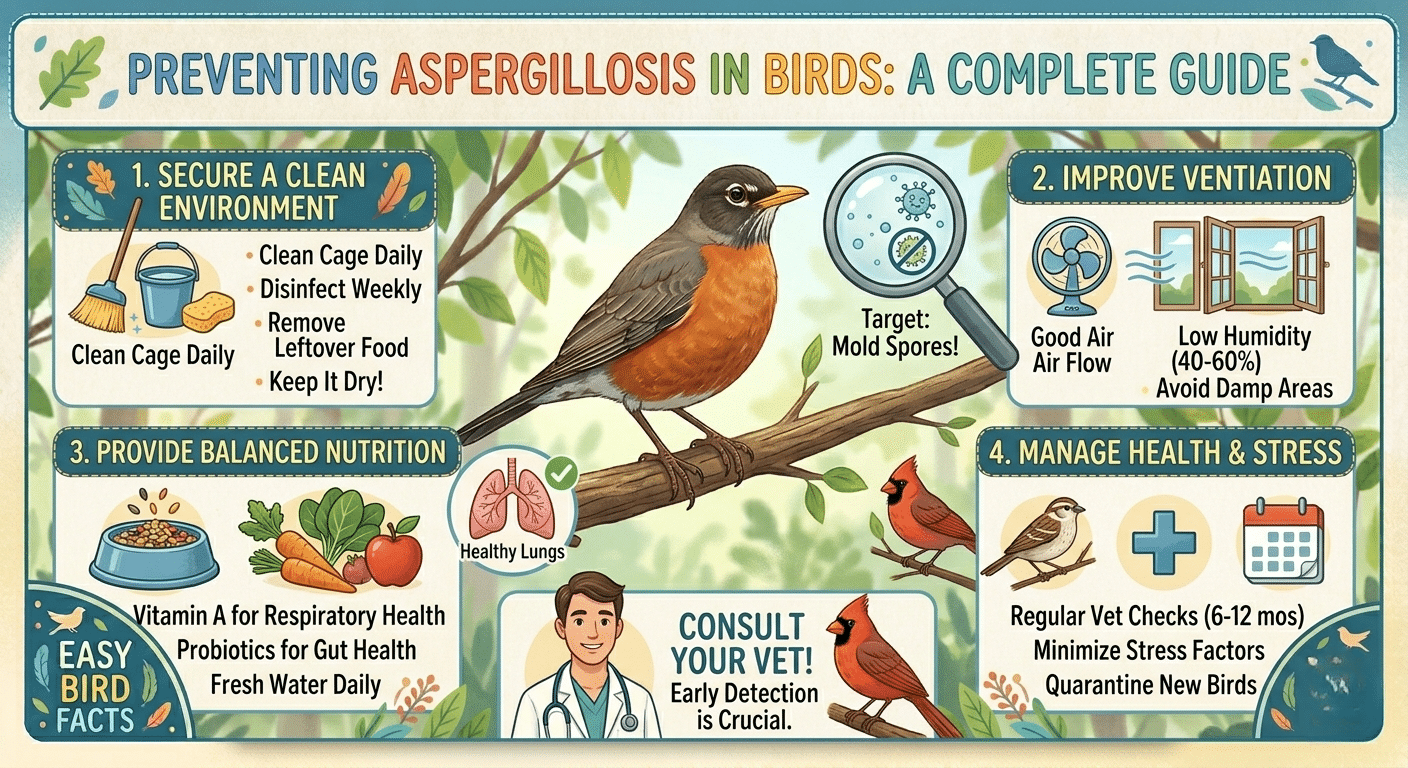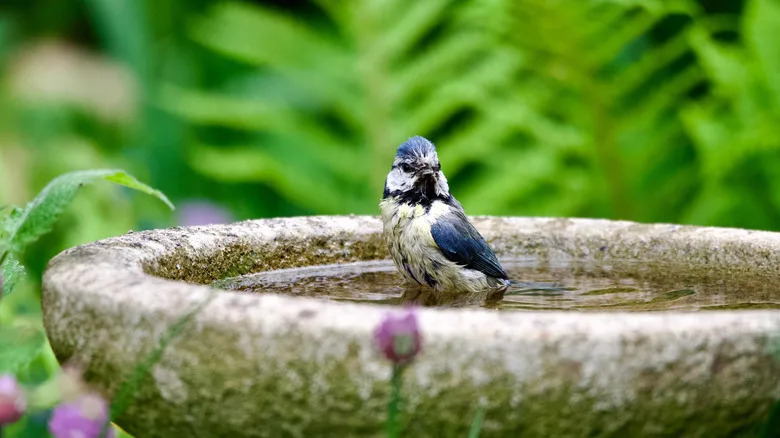
Have you ever wondered what keeps your bird healthy and full of energy? One important answer lies in Vitamin A.
This powerful nutrient plays a big role in your bird’s overall well-being, from boosting its immune system to keeping its feathers bright and eyes sharp. If you want to make sure your feathered friend stays happy and healthy, understanding what Vitamin A does for birds is a must.
Keep reading to discover how this essential vitamin can make a real difference in your bird’s life.

Credit: birdsupplies.com
Role In Vision
Vitamin A is very important for birds’ eyesight. It helps keep their eyes working well every day.
This vitamin supports many parts of the eye. It helps birds see clearly and stay safe.
Maintaining Eye Health
Vitamin A keeps the surface of the eyes healthy. It protects birds from infections and dryness.
Without enough vitamin A, birds can get eye problems. These problems may make their vision worse.
Supporting Night Vision
Vitamin A helps birds see in low light. It supports the cells in the eyes that work at night.
Birds need good night vision to find food and avoid danger after dark.
Immune System Boost
Vitamin A plays a key role in keeping birds healthy. It helps their bodies fight off sickness. A strong immune system means birds stay active and live longer.
This vitamin supports many parts of the immune system. Birds need vitamin A to heal wounds and stop infections fast. It is a natural defender for their bodies.
Fighting Infections
Vitamin A helps birds fight infections by keeping their skin and mucous membranes healthy. These act as barriers to germs. It also supports white blood cells that attack harmful bacteria and viruses.
- Maintains healthy skin and feathers
- Protects respiratory and digestive tracts
- Boosts production of infection-fighting cells
- Helps heal wounds quickly
Enhancing Disease Resistance
Birds with enough vitamin A resist diseases better. Their bodies can respond faster to threats. Vitamin A improves the overall defense system to keep birds safe from common illnesses.
| Vitamin A Effect | Benefit for Birds |
| Supports immune cell growth | Stronger defense against pathogens |
| Maintains mucous membranes | Stops germs from entering |
| Promotes tissue repair | Faster recovery from injuries |
Feather And Skin Health
Vitamin A plays an important role in keeping birds’ feathers and skin healthy. It helps maintain the cells that create feathers and skin layers. Without enough vitamin A, birds can have weak feathers and skin problems.
Bird owners should understand how vitamin A supports these vital parts of bird health. This knowledge helps in providing better care and nutrition.
Promoting Feather Growth
Vitamin A helps form new cells in feather follicles. It supports strong and colorful feathers. When birds get enough vitamin A, they grow feathers faster and lose fewer feathers.
- Stimulates new feather cell production
- Supports oil glands that keep feathers shiny
- Reduces feather breakage and damage
- Improves feather color and texture
Preventing Skin Disorders
Vitamin A helps keep bird skin moist and healthy. It prevents dryness and cracking. It also protects skin from infections by keeping its barrier strong.
| Skin Problem | How Vitamin A Helps |
| Dry Skin | Maintains moisture and prevents cracks |
| Infections | Strengthens skin barrier to block germs |
| Inflammation | Reduces swelling and irritation |
Growth And Development
Vitamin A is important for birds' growth and development. It helps their bodies grow strong and healthy.
This vitamin supports many body functions that keep birds active and well.
Supporting Bone Formation
Vitamin A helps birds build strong bones. It works with calcium to keep bones firm and healthy.
Without enough vitamin A, birds may have weak bones and poor growth.
- Promotes bone cell growth
- Helps calcium absorb better
- Supports healthy bone structure
Aiding Reproductive Health
Vitamin A plays a key role in bird reproduction. It helps make eggs and sperm healthy.
Birds with enough vitamin A have better chances of producing strong chicks.
- Supports egg formation
- Improves fertility
- Boosts healthy chick development
Sources Of Vitamin A
Vitamin A is important for birds' health. It helps their eyes, skin, and immune system stay strong.
Birds get vitamin A from what they eat. It is found in certain fruits, vegetables, and supplements.
Natural Food Options
Many natural foods contain vitamin A. Birds can get it from colorful fruits and vegetables.
Foods rich in vitamin A include carrots, sweet potatoes, and leafy greens. These foods help keep birds healthy.
- Carrots
- Sweet potatoes
- Spinach
- Kale
- Red bell peppers
- Mangoes
- Pumpkin
Supplementing Diets
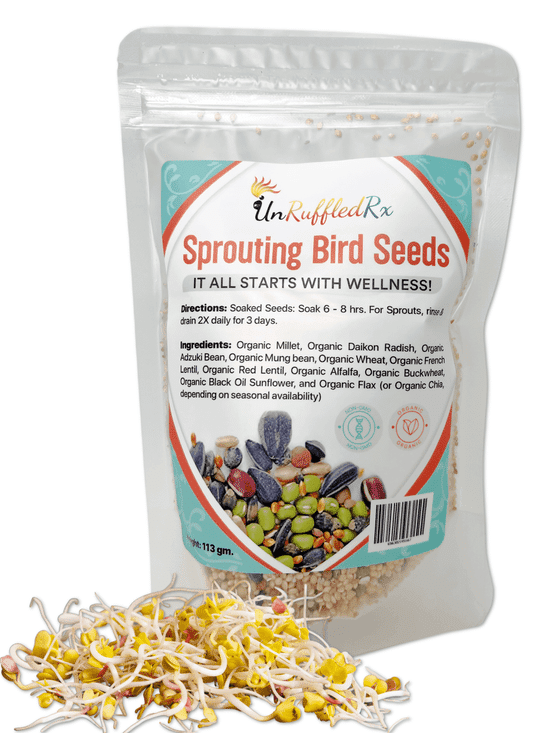
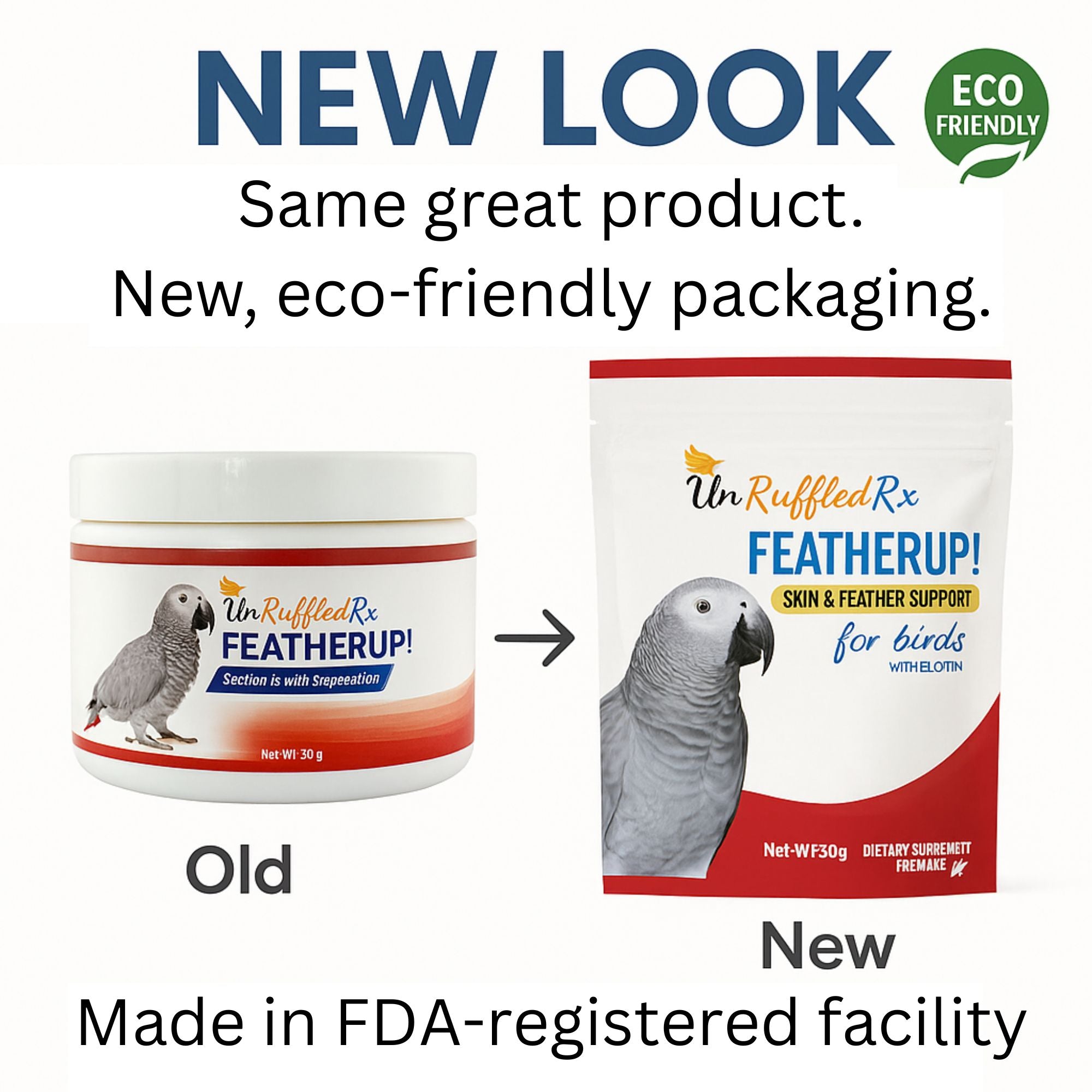
Sometimes birds need extra vitamin A. Supplements can help if natural foods are not enough.
Vitamin A supplements come as powders or pellets. These are made to add to bird food safely.
- Vitamin A powder mixed in food
- Pellets with added vitamin A
- Liquid vitamin A drops
- Multivitamins for birds
Credit: birdsupplies.com
Signs Of Deficiency
Vitamin A is very important for birds. It helps keep their skin and feathers healthy. Birds need enough vitamin A to fight infections and see well.
When birds do not get enough vitamin A, they show clear signs. These signs can help you know if your bird is lacking this vitamin.
Common Symptoms
Birds with vitamin A deficiency can show many symptoms. These signs affect their skin, eyes, and breathing. Watch your bird closely for these problems.
- Swollen or red eyes
- Dry or flaky skin
- Loss of feathers or poor feather quality
- Frequent sneezing or nasal discharge
- Weakness and low energy
- Weight loss or poor growth
Health Risks
Without enough vitamin A, birds face serious health risks. These problems can harm their immune system and organs.
| Health Risk | Effect on Birds |
|---|---|
| Respiratory infections | Hard to breathe and frequent sickness |
| Eye damage | Poor vision or blindness |
| Skin infections | Open sores and slow healing |
| Digestive problems | Poor food absorption and weakness |
Safe Supplementation
Vitamin A is important for birds’ health. It helps with vision, skin, and immunity. Birds need the right amount of vitamin A to stay healthy.
Giving vitamin A supplements can be safe if you follow the correct guidelines. Too much or too little can cause problems.
Recommended Dosages
Each bird species needs a different amount of vitamin A. It is best to check with a vet for exact needs. Below are general dosage ideas for common pet birds.
| Bird Type | Vitamin A Dosage (IU/day) |
| Small Parrots | 1,000 - 2,000 |
| Medium Parrots | 2,000 - 4,000 |
| Large Parrots | 4,000 - 6,000 |
| Canaries | 500 - 1,000 |
| Finches | 300 - 700 |
Avoiding Toxicity
Too much vitamin A can harm birds. Signs of toxicity include poor appetite, weight loss, and skin problems. Watch your bird closely after starting supplements.
- Do not exceed recommended doses
- Use supplements made for birds
- Do not give human vitamin A products
- Consult a vet before starting supplements
- Monitor your bird’s health regularly

Credit: birdsupplies.com
Frequently Asked Questions
What Are The Benefits Of Vitamin A For Birds?
Vitamin A supports birds’ immune systems, vision, and skin health. It helps prevent infections and promotes feather quality. Adequate intake is essential for overall vitality and reproduction success.
How Do Birds Get Enough Vitamin A Naturally?
Birds obtain Vitamin A by eating foods rich in beta-carotene, like fruits, vegetables, and leafy greens. Insects and seeds can also provide this essential nutrient for their health.
What Happens If A Bird Lacks Vitamin A?
Vitamin A deficiency can cause poor feather quality, respiratory issues, and weakened immunity. Birds may also experience eye problems and slower healing from injuries without enough Vitamin A.
Can Too Much Vitamin A Harm Birds?
Yes, excessive Vitamin A intake can lead to toxicity. Symptoms include weight loss, lethargy, and bone deformities. Proper dosage and balanced diet are crucial to avoid overdosing.
Conclusion
Vitamin A plays a vital role in birds' health. It supports vision, growth, and immune function. Lack of this vitamin can cause serious health issues. Feathers might become dull. Birds could face respiratory problems. Providing a balanced diet is crucial.
Include fruits and vegetables rich in vitamin A. Carrots and sweet potatoes are great options. Always consult with a vet for advice. Ensure your bird receives enough nutrients. Healthy birds are happy birds. Caring for their diet ensures their well-being.
Keep them vibrant and lively with proper nutrition.