Have you ever wondered if you can catch avian influenza, also known as bird flu? This question matters more than you might think.
Understanding how this virus spreads and whether it can jump from birds to humans could protect your health and the health of those around you. You’ll discover the facts behind avian influenza, what the risks really are, and how you can stay safe.
Keep reading—your well-being could depend on it.
Avian Influenza Basics
Avian influenza is a virus that mainly infects birds. It is also called bird flu.
Some types of this virus can infect humans. It is important to know how it spreads and its types.
Types Of Avian Influenza
There are two main types of avian influenza viruses. They are low pathogenic and highly pathogenic.
Low pathogenic viruses cause mild symptoms in birds. Highly pathogenic viruses cause severe illness and death.
- Low Pathogenic Avian Influenza (LPAI)
- Highly Pathogenic Avian Influenza (HPAI)
How The Virus Spreads
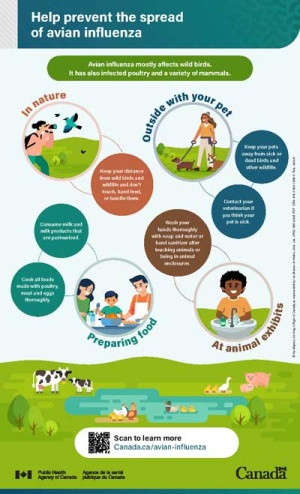
The virus spreads mainly among birds through contact with saliva, nasal secretions, and droppings.
Humans can catch the virus by close contact with infected birds or contaminated surfaces.
- Direct contact with infected birds
- Touching surfaces with bird droppings
- Breathing in virus particles in the air
Credit: inspection.canada.ca
Human Infection Cases
Avian influenza mainly affects birds but can infect humans. Human cases are rare but serious. Understanding these infections helps with prevention.
This article explains documented human infections and symptoms people may experience.
Documented Human Infections
Several strains of avian influenza have infected humans. The H5N1 strain is the most well-known. Other types include H7N9 and H9N2. These infections usually happen after close contact with infected birds.
| Strain | Year First Detected | Number of Reported Human Cases | Regions Affected |
|---|---|---|---|
| H5N1 | 1997 | 860+ | Asia, Africa, Europe |
| H7N9 | 2013 | 1500+ | China |
| H9N2 | 1998 | Few cases | Asia, Middle East |
Symptoms In Humans
Symptoms of avian influenza in humans can range from mild to severe. They often start like regular flu but can worsen quickly.
- Fever over 38°C (100.4°F)
- Cough and sore throat
- Muscle aches and fatigue
- Shortness of breath
- Eye redness or irritation (in some cases)
- Severe cases may lead to pneumonia
Transmission Risks To Humans
Avian influenza is a virus that mainly affects birds. People can catch it from birds in certain situations.
Understanding how the virus spreads helps reduce the risk of infection in humans.
Direct Contact With Birds
Humans get infected by touching sick or dead birds. The virus is in bird saliva, droppings, and feathers.
Handling birds without protection increases the chance of catching the virus.
- Touching live or dead infected birds
- Cleaning bird cages or coops
- Butchering or preparing bird meat
- Contact with bird droppings or feathers
Environmental Exposure
People can catch the virus by touching surfaces contaminated with the virus. The virus can live on water, soil, or objects.
Visiting bird markets or farms without proper hygiene raises the risk of infection.
- Touching contaminated water or soil
- Visiting places with many birds
- Handling equipment used with birds
- Not washing hands after contact with birds or their environment
Why Human Infections Are Rare
Avian influenza mainly affects birds and rarely spreads to humans. The virus faces many challenges to infect people. Our bodies also protect us well against this virus.
This article explains why human infections with bird flu happen so rarely. We look at virus adaptation challenges and the human immune system defense.
Virus Adaptation Challenges
Bird flu viruses need to change to infect humans. These viruses bind best to bird cells, not human cells. This makes it hard for them to start infection in people.
The virus also needs to survive in the human body. Bird flu prefers cooler temperatures in birds’ airways. Human airways are warmer, so the virus does not grow well there.
- Bird flu binds to bird cell receptors, not human ones
- Human body temperature is higher than birds’
- Virus must change to spread easily between humans
Immune System Defense
Our immune system fights off many viruses, including bird flu. White blood cells detect and destroy the virus quickly. This stops infection before it spreads.
Humans also produce antibodies that target bird flu. These antibodies block the virus from entering cells. Strong immune responses reduce the chance of illness.
- White blood cells attack the virus early
- Antibodies block virus entry to cells
- Immune memory helps fight repeated exposure
Potential For A Pandemic
Avian influenza can sometimes infect humans. This raises concerns about a possible pandemic. A pandemic means a disease spreads widely and quickly among people.
Scientists study how bird flu viruses change. They watch for signs that the virus could spread easily between humans.
Mutation And Reassortment
Bird flu viruses can change through mutation. They can also swap genes with other flu viruses. This process is called reassortment. These changes might help the virus infect humans more easily.
- Mutation changes virus genes gradually.
- Reassortment mixes genes from different viruses.
- Both can make the virus more dangerous.
- New virus forms may spread faster among people.
Monitoring And Surveillance
Health experts watch bird flu cases closely. They track virus changes in birds and humans. This helps catch signs of a pandemic early. The data collected supports quick actions to stop the spread.
| Surveillance Type | Description |
| Wild Bird Monitoring | Checking wild birds for flu viruses |
| Poultry Farm Testing | Regular testing of domestic birds |
| Human Case Reporting | Tracking human infections |
| Genetic Analysis | Studying virus gene changes |
Preventive Measures
Avian influenza can sometimes spread from birds to humans. Taking steps to prevent infection is very important. People who work with poultry need to be careful and follow safety rules.
Using protective gear and cleaning hands often lowers the risk of catching the flu. Understanding how to handle birds safely and knowing about vaccines help protect people from this virus.
Poultry Handling Safety
Always wear gloves and masks when handling birds or their droppings. Avoid touching your face during and after contact with poultry. Wash your hands well with soap and water after handling birds.
- Use protective clothing when working with poultry
- Keep birds in clean and well-ventilated areas
- Do not eat or drink near poultry areas
- Dispose of bird waste safely
- Report sick or dead birds to authorities immediately
Vaccination And Treatment Options
Scientists are working on vaccines to protect people from avian flu. Vaccines can help reduce the chance of severe illness. Talk to your doctor about available vaccines if you are at high risk.
Antiviral medicines may help treat avian flu in humans. Early treatment improves recovery chances. Always follow medical advice and finish the full course of medicine.
Myths Vs Facts
Avian influenza often raises many questions and worries. People want to know if they can catch this virus from birds.
This article will clear up common myths and explain what science says about avian influenza and human infections.
Common Misconceptions
Many believe that avian influenza spreads easily from birds to humans. This is not true in most cases.
- Myth: You can catch avian flu by eating cooked chicken.
- Myth: All bird flu viruses infect humans.
- Myth: Avian flu spreads like a common cold between people.
- Myth: Wild birds always carry dangerous flu viruses.
Scientific Evidence
Scientists study bird flu viruses to know how they affect humans. Most bird flu viruses do not infect people.
| Fact | Explanation |
| Bird to Human Infection | Rare and needs close contact with infected birds. |
| Human to Human Spread | Very limited and not sustained. |
| Eating Cooked Poultry | Safe when meat is fully cooked. |
| Wild Birds as Carriers | Some carry flu viruses, but risk to humans is low. |

Credit: m.economictimes.com

Credit: link.springer.com
Frequently Asked Questions
Can Humans Get Infected With Avian Influenza?
Yes, humans can catch avian influenza through direct contact with infected birds. Human infections are rare but possible, especially in poultry workers.
How Does Avian Influenza Spread To Humans?
Avian influenza spreads to humans mainly through close contact with infected birds or contaminated environments, not through casual human-to-human contact.
What Are The Symptoms Of Avian Influenza In Humans?
Symptoms include fever, cough, sore throat, muscle aches, and in severe cases, pneumonia and respiratory failure.
Can Avian Influenza Cause A Pandemic In Humans?
While rare, avian influenza has pandemic potential if the virus mutates to spread easily between humans.
Conclusion
Understanding avian influenza helps protect against it. Humans can catch it, but it's rare. Staying informed aids in prevention. Experts recommend washing hands and avoiding sick birds. These simple steps protect health. Vaccines are also under development. They may offer more protection in the future.
Awareness and care remain crucial. Stay cautious and prioritize health. Following guidelines can minimize risks effectively. Always seek expert advice if concerned. This ensures accurate information and safety. Stay safe and informed about avian influenza risks.