Are you aware that the birds around you could carry hidden health risks? Zoonotic diseases—illnesses that spread from animals to humans—can come from our feathered friends without warning.
But don’t worry; you have the power to protect yourself and your loved ones. You’ll discover simple, effective ways to prevent these diseases and keep your environment safe. Keep reading to learn how small actions can make a big difference in safeguarding your health.
Common Zoonotic Diseases From Birds
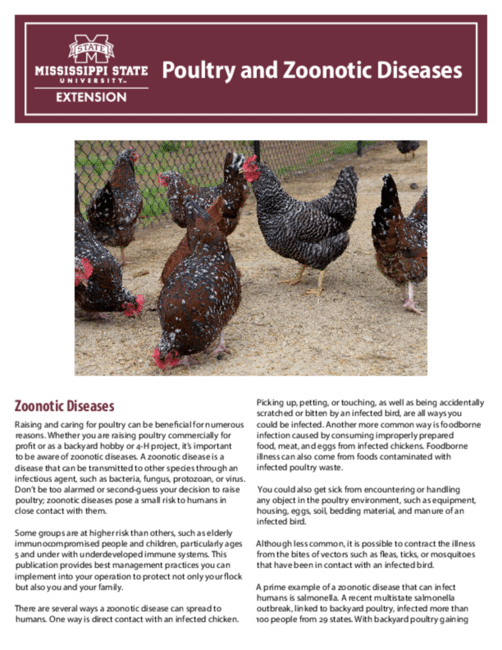
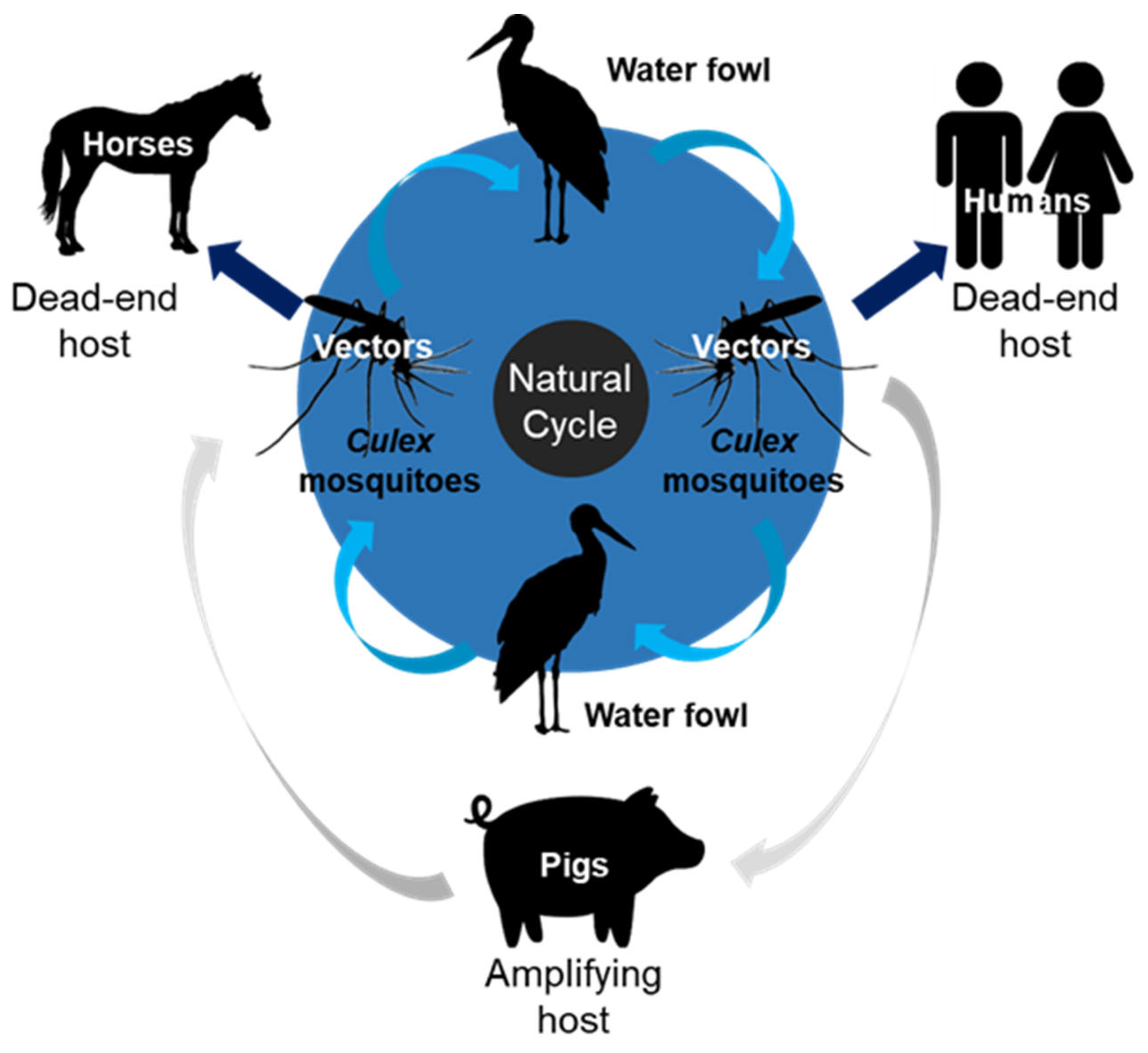
Zoonotic diseases are illnesses that spread from animals to humans. Birds can carry several diseases that affect people. Knowing about these diseases helps to prevent infections.
These diseases spread through direct contact, droppings, or feathers. Good hygiene and care can lower the risk of getting sick.
Psittacosis
Psittacosis is a disease caused by bacteria from infected birds. It mainly spreads from parrots, pigeons, and other pet birds.
People can catch psittacosis by breathing dust from dried bird droppings or secretions. The illness causes fever, cough, and muscle pain.
Avian Influenza
Avian influenza, or bird flu, is a virus that affects birds. Some types can infect humans, causing severe illness.
The virus spreads through contact with infected birds or their droppings. Symptoms include fever, cough, and breathing problems.
Salmonellosis
Salmonellosis is an infection caused by Salmonella bacteria. Birds can carry the bacteria without showing signs.
People get sick by touching bird droppings or contaminated surfaces. The disease causes diarrhea, fever, and stomach pain.
Cryptococcosis
Cryptococcosis is a fungal infection linked to bird droppings, especially from pigeons. The fungus lives in the environment and can harm lungs.
Inhaling spores from dry droppings can cause the disease. Symptoms include cough, chest pain, and headache.

Credit: epi.utah.gov
Bird Handling Precautions
Birds can carry diseases that pass to humans. Taking care when handling birds helps stop these illnesses.
Using safe methods lowers the risk of infections. Knowing the right steps keeps you and the birds safe.
Safe Handling Techniques
Hold birds gently but firmly to avoid stress or injury. Avoid sudden moves that can scare the bird.
Use two hands to support the bird’s body. Keep the bird close to your body to prevent escape.
- Do not handle birds if you feel sick
- Keep birds away from your face
- Use calm and slow movements
Protective Gear Essentials
Wear gloves to avoid direct contact with bird droppings or feathers. Gloves protect your skin from germs.
Use masks to prevent breathing in dust or particles from birds. Eye protection helps stop particles from entering your eyes.
- Disposable gloves are best for one-time use
- Use face masks that fit well
- Wear long sleeves to cover your arms
Hygiene Practices
Wash your hands with soap and water after handling birds. Clean under your nails to remove germs.
Disinfect all tools and surfaces that touch birds. Avoid touching your eyes, nose, or mouth during handling.
- Use hand sanitizer if soap is not available
- Wash clothes that contact birds separately
- Keep bird cages clean and dry
Maintaining Clean Bird Environments
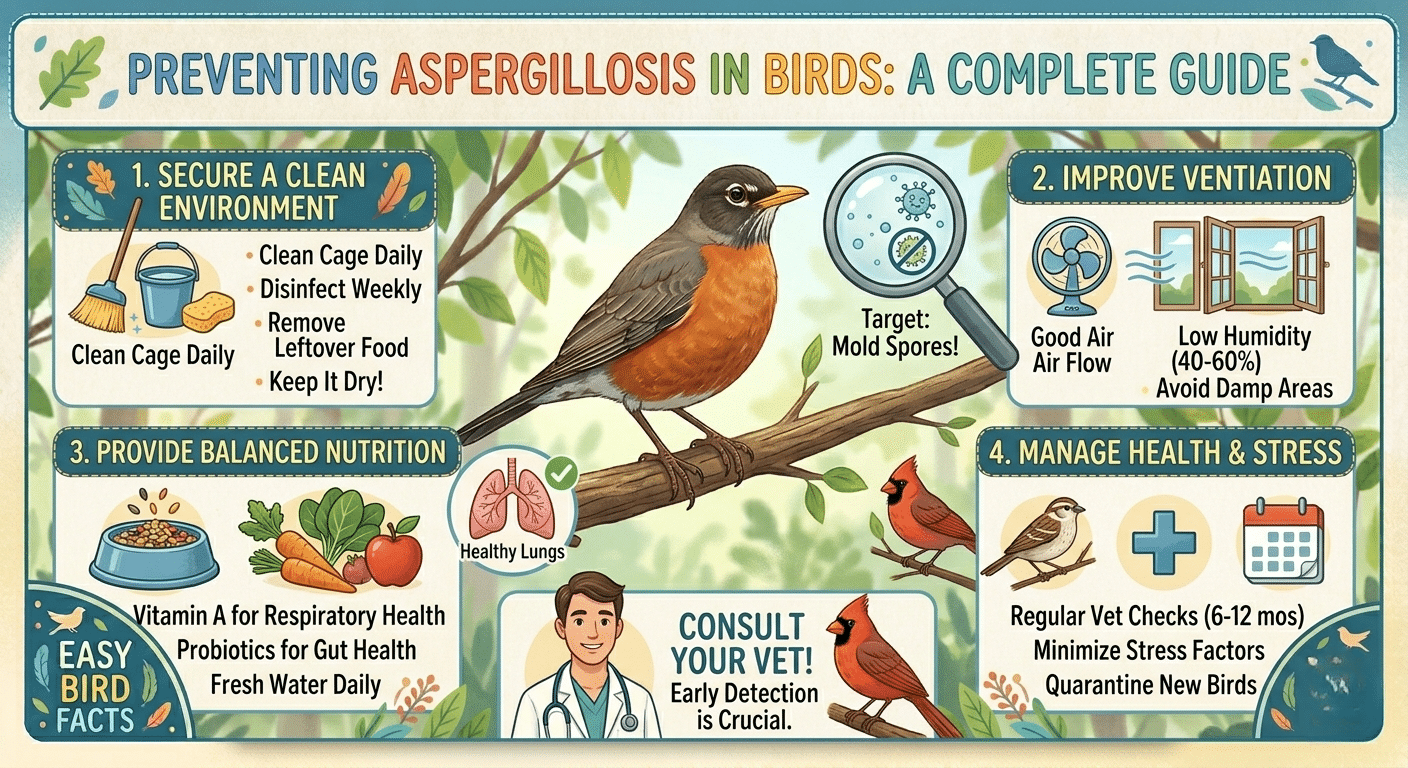
Keeping a clean space for birds helps stop diseases from spreading. Birds can carry germs that affect humans. A clean home lowers these risks.
Simple daily care keeps birds healthy and safe. Clean environments make it easier to enjoy your birds.
Regular Cage Cleaning
Clean cages stop germs from growing. Remove leftover food and bird droppings every day. Wash the cage with warm water and mild soap once a week.
- Remove uneaten food daily
- Change cage liners every day
- Disinfect cage parts weekly
- Clean food and water dishes daily
Proper Waste Disposal
Bird waste can carry harmful bacteria. Dispose of waste carefully to keep your home safe. Use sealed bags and clean your trash bins often.
| Waste Type | Disposal Method |
| Bird Droppings | Seal in plastic bags before trash |
| Used Cage Liners | Dispose daily in covered bins |
| Soiled Food Containers | Recycle or throw away properly |
Ventilation Importance
Good airflow reduces germs in bird areas. Keep windows open or use fans to move air. Avoid damp, closed spaces where germs grow fast.
Tips for Better Ventilation:
- Open windows daily for fresh air
- Use an air purifier if indoors
- Keep bird areas dry and clean
- Do not place cages near drafts

Credit: www.pashudhanpraharee.com
Health Monitoring For Birds
Monitoring bird health helps prevent diseases that spread to humans. Regular checks keep birds safe and healthy.
Bird owners must watch for signs of illness and act quickly. Early detection reduces risks for both birds and people.
Recognizing Symptoms
Birds may show many signs if they are sick. Look for changes in behavior, eating habits, or appearance.
Common symptoms include sneezing, coughing, runny eyes, or fluffed feathers. Notice if birds are less active or lose weight.
- Changes in breathing or sounds
- Discharge from eyes or nostrils
- Swollen joints or skin sores
- Loose or discolored droppings
Routine Veterinary Care
Regular vet visits keep birds healthy and catch diseases early. Vets can give vaccines and check for parasites.
Schedule check-ups based on bird species and age. Follow your vet’s advice on diet and environment care.
- Annual health exams
- Vaccinations and parasite control
- Advice on diet and habitat
- Testing for common bird diseases
Isolation Procedures For Sick Birds
Keep sick birds away from healthy ones to stop disease spread. Use a separate cage or room for isolation.
Clean and disinfect all items used by the sick bird. Wash your hands before and after handling birds.
- Isolate birds showing symptoms immediately
- Use separate feeding and cleaning tools
- Disinfect cages and accessories often
- Limit contact with other pets and people
Safe Feeding And Watering
Feeding and watering birds safely helps stop diseases from spreading. Birds can carry germs that pass to humans and other animals.
Using clean supplies and good water keeps birds healthy. It also protects people from getting sick.
Using Clean Supplies
Always use clean feeders and water containers. Dirty supplies can hold germs that make birds sick.
Wash all feeding tools with hot soapy water every few days. Dry them well before refilling.
- Clean feeders every 2-3 days
- Use separate brushes for feeders and waterers
- Replace cracked or damaged equipment
- Store supplies in a dry, clean place
Avoiding Contaminated Food
Do not feed birds spoiled or moldy food. Bad food can cause illness and spread germs.
Offer fresh seeds or pellets made for birds. Remove leftover food daily to stop mold and bacteria.
- Check food for mold before feeding
- Store food in sealed containers
- Do not feed bread or junk food to birds
- Keep feeding areas clean and dry
Water Quality Management
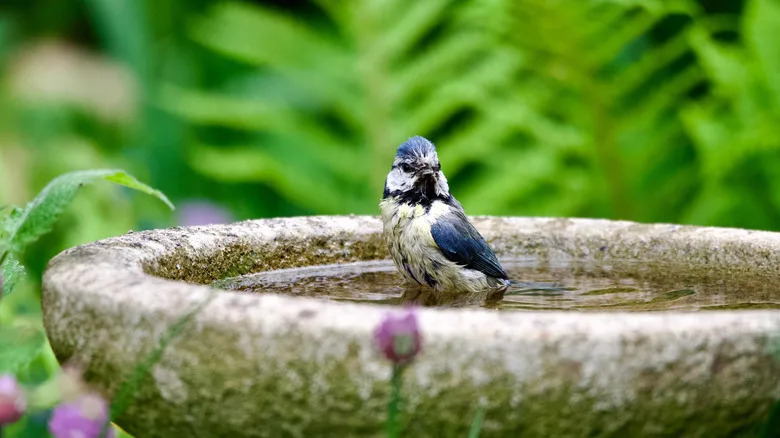
Birds need clean water to drink and bathe. Dirty water can spread harmful germs quickly.
Change water daily. Use clean containers and scrub them often to stop algae and bacteria growth.
- Refill water with fresh, clean water every day
- Scrub water containers with soap and hot water
- Place waterers in shaded areas to reduce algae
- Remove standing water near feeding sites
Travel And Wild Bird Interaction Tips
Birds can carry diseases that pass to humans. These are called zoonotic diseases. Taking care during travel and bird contact helps stop these diseases.
Follow safety steps when moving birds or meeting wild birds. These tips keep you and birds healthy.
Precautions During Bird Transport
Keep birds safe and clean during transport. Use strong cages that protect birds and stop disease spread.
Clean cages and equipment before and after travel. Wash hands with soap and water after handling birds.
- Use sturdy, well-ventilated cages
- Keep birds away from wild birds during stops
- Disinfect cages before and after trips
- Wash your hands thoroughly after handling
Avoiding Contact With Wild Birds
Do not touch or feed wild birds. They can carry germs that cause illness.
Keep your distance from bird nests and roosts. Avoid areas with many birds gathered together.
- Stay at least six feet away from wild birds
- Do not feed or handle wild birds
- Avoid bird droppings and nesting areas
- Wear gloves if you must touch birds or nests
Reporting Sick Or Dead Birds
Report any sick or dead birds to local health or wildlife officials. This helps track and stop disease outbreaks.
Do not touch sick or dead birds with bare hands. Use gloves or a tool if you must move them.
- Contact local animal or health authorities
- Wear gloves if handling birds
- Wash hands well after contact
- Follow official instructions for disposal
Educating Bird Owners And Caretakers
Birds can carry diseases that spread to people. Bird owners and caretakers need to learn how to stay safe. Simple steps can stop these diseases.
Knowing the risks and following safety rules helps protect both birds and humans. Sharing this knowledge with the community is important too.
Recognizing Risks
Birds may carry germs without showing signs. Close contact, bird droppings, and feathers can spread diseases. People with weak immune systems face higher risks.
- Wild birds can carry more germs than pets.
- Cleaning bird cages needs careful handling.
- Watch for bird signs like sneezing or loss of feathers.
- Avoid touching your face after handling birds.
Training On Safety Protocols
Proper training helps caretakers reduce disease spread. Wearing gloves and washing hands are key steps. Disinfecting cages keeps germs low.
| Safety Task | Recommended Action |
| Handling Birds | Wear gloves and avoid face contact |
| Cleaning Cages | Use disinfectant and remove waste carefully |
| After Care | Wash hands with soap and water |
| Health Checks | Watch birds for illness signs daily |
Community Awareness
Teaching neighbors and friends helps stop disease spread. Sharing facts and safety tips builds safer environments. Schools and clubs can join awareness efforts.
Key tips for community talks:
- Explain how diseases spread from birds.
- Show how to handle birds safely.
- Encourage reporting sick birds to vets.
- Promote clean bird habitats in neighborhoods.
Credit: www.mdpi.com
Frequently Asked Questions
What Are Common Zoonotic Diseases From Birds?
Common zoonotic diseases include psittacosis, avian influenza, and salmonellosis. These diseases can spread through bird droppings, feathers, or direct contact. Understanding these risks helps in prevention and maintaining safe interactions with birds.
How Can I Protect Myself From Bird-related Infections?
Wear gloves and masks when handling birds or cleaning cages. Wash hands thoroughly after contact. Avoid touching your face and keep bird areas clean to reduce infection risks.
Are Pet Birds Safe From Transmitting Diseases?
Pet birds can carry zoonotic diseases if not properly cared for. Regular veterinary check-ups and maintaining hygiene minimize transmission risks to humans and other pets.
Can Bird Droppings Spread Diseases To Humans?
Yes, bird droppings can harbor harmful bacteria and viruses. Avoid direct contact, clean droppings safely, and use protective gear to prevent disease transmission.
Conclusion
Preventing zoonotic diseases from birds is crucial for health. Keep birds away from living areas. Always wash hands after handling birds. Use protective gear when necessary. Regularly clean bird habitats. Vaccinations help reduce disease risks. Educate yourself about bird-borne diseases.
Stay informed about new prevention methods. Simple steps can make a big difference. Protecting yourself protects others too. Stay safe and healthy.