Are you worried your feathered friend might not be feeling their best? As a bird owner, you care deeply about your pet’s health and happiness.
But sometimes, it can be tricky to figure out what's going on, especially when it comes to hidden issues like worms. You might notice your bird acting a bit off, but you're not quite sure what's wrong. Understanding whether your bird has worms is crucial for their well-being and peace of mind.
We'll guide you through simple signs to watch for and what steps you can take to help your bird. Stick around, and you'll feel more confident in ensuring your bird stays healthy and happy.
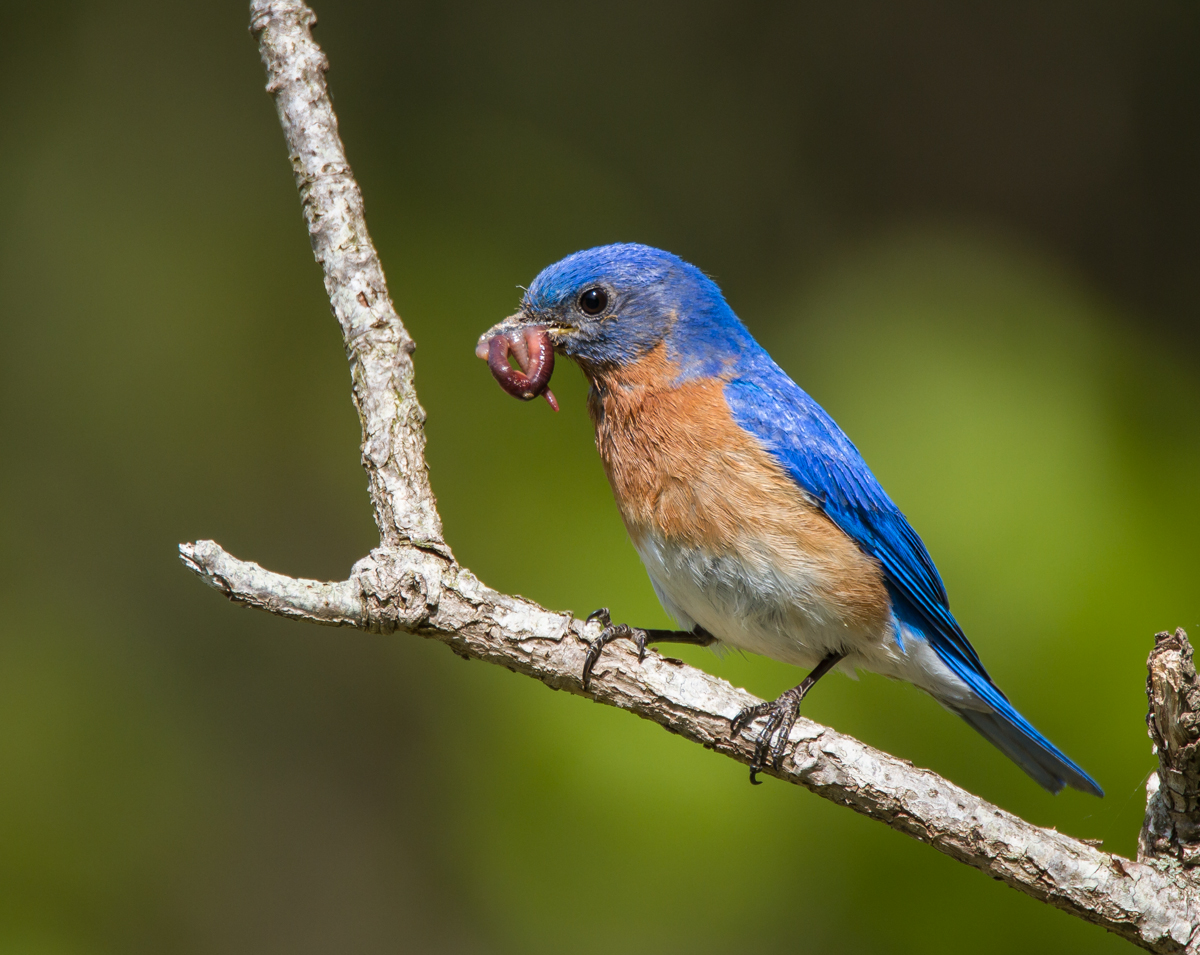
Credit: roadsendnaturalist.com
Common Bird Worm Types
Birds can get sick from worms that live inside their bodies. Knowing the common worm types helps you spot problems early.
This guide covers three main worms found in birds. Learn their signs and how they affect your bird's health.
Roundworms
Roundworms are long, thin worms that live in the bird's intestines. They can cause weight loss and poor feather condition.
Common signs of roundworm infection include vomiting, diarrhea, and a swollen belly.
Tapeworms
Tapeworms are flat and segmented. They attach to the bird's gut wall and absorb nutrients.
- Weight loss despite good appetite
- Droppings with white segments
- Weakness and lethargy
- Ruffled feathers
Gapeworms
Gapeworms infect the bird’s throat and windpipe. They cause breathing difficulties and a gaping mouth.
| Symptom | Description |
|---|---|
| Open-mouth breathing | Bird gasps for air due to blocked windpipe |
| Wheezing sounds | Noise made when breathing |
| Coughing | Bird tries to clear throat |
| Weight loss | Due to difficulty eating and breathing |
Credit: www.randyschickenblog.com
Behavioral Changes
Birds with worms often show changes in their behavior. These changes help you notice if your bird is sick. Watch closely for signs that seem different from normal.
Behavioral changes can be small or clear. They may affect how your bird moves, eats, or grooms. Knowing these signs helps you act quickly.
Lethargy And Weakness
A bird with worms may become very tired and weak. It may sit quietly for long periods and avoid flying or playing. This lack of energy shows the bird’s body is fighting illness.
Loss Of Appetite
Birds with worms often eat less than usual. Loss of appetite leads to weight loss and poor health. Watch if your bird skips meals or pecks at food without eating.
- Refuses favorite foods
- Eats smaller amounts
- Stops drinking water regularly
- Shows less interest during feeding times
Excessive Preening
Birds with worms may preen more than normal. This means they clean their feathers often. Excessive preening can cause feather damage and bald spots.
| Behavior | Possible Effect |
| Constant feather nibbling | Skin irritation |
| Feather loss | Patchy bald areas |
| Restlessness | Increased stress |
Physical Symptoms
Birds with worms often show clear physical signs. Watching these signs helps you spot problems early. Early detection can improve your bird’s health and comfort.
Some symptoms are easy to see while others need close observation. Check your bird regularly for any changes in behavior or appearance.
Visible Worms In Droppings
One clear sign of worms is seeing them in your bird’s droppings. These worms may look like small white or yellow strands. Sometimes, you might see tiny segments moving around.
- Look for small white pieces in the droppings.
- Check for unusual shapes or colors in droppings.
- Notice if worms appear after your bird uses the cage.
Weight Loss
Worms can take nutrients from your bird’s body. This can cause your bird to lose weight even if it eats well. Weight loss is a serious symptom that needs attention.
| Symptom | Possible Cause | What to Do |
| Sudden weight loss | Worm infestation | Visit a vet for diagnosis |
| Decreased appetite | Worm discomfort | Monitor eating habits closely |
| Weakness or lethargy | Loss of nutrients | Provide extra care and rest |
Feather Condition
Worms can affect your bird’s feathers too. Poor feather condition may show as dull colors or broken feathers. Your bird might also pluck feathers due to irritation.
- Dull or faded feather colors
- Feathers that look ragged or broken
- Excessive preening or feather plucking
- Loss of feathers in patches
Digestive Signs
Birds with worms often show signs in their digestive system. Watching their droppings and eating habits helps spot problems early.
Digestive issues like diarrhea and vomiting are common when birds have worms. Knowing the signs can protect your pet's health.
Diarrhea Or Abnormal Droppings
Worms in birds can cause diarrhea or change the look of their droppings. Normal droppings are firm and have three parts: solid, white, and liquid. Changes may include:
- Loose or watery stools
- Unusual colors like green or black
- Extra mucus or blood present
- Foul smell stronger than usual
If you see these signs, your bird might have worms. Keep track of any changes and share them with a vet.
Vomiting Or Regurgitation
Vomiting means the bird throws up its food, while regurgitation is bringing food back up without force. Worms can irritate the bird’s stomach and cause this.
| Symptom | Description |
| Vomiting | Forceful expulsion of stomach contents |
| Regurgitation | Soft food comes up gently, often to feed chicks |
| Signs of Worms | Both may happen more often and with distress |
Respiratory Indicators
Birds with worms often show signs in their breathing. Watching their breathing helps find problems early.
Look for changes like coughing or noisy sounds. These signs tell you if your bird may have worms.
Coughing Or Gasping
Coughing in birds is not normal. It may happen when worms irritate their throat or lungs.
Gasping for air is a serious sign. It shows your bird struggles to breathe well.
- Coughing sounds like a dry hack or sharp noise
- Gasping looks like quick, deep breaths
- Both signs need a vet check quickly
Noisy Breathing
Noisy breathing means you hear unusual sounds when your bird breathes. It can be wheezing or clicking.
These sounds happen if worms block airways. Your bird may seem uncomfortable or restless.
- Wheezing sounds like a whistle
- Clicking or rattling means mucus or blockage
- Notice if noises get worse over time
When To Visit A Vet
Birds can get worms that hurt their health. It is important to know when to take your bird to the vet. Early care helps prevent serious problems.
Look for signs that show your bird might have worms. Some signs need quick vet visits to keep your bird safe.
Severity Of Symptoms
If your bird shows strong symptoms, visit the vet right away. Severe signs can mean worms are causing damage.
Signs like weight loss, constant vomiting, and diarrhea need fast attention. Also, if your bird is very weak or stops eating, get help quickly.
- Rapid weight loss
- Frequent vomiting or diarrhea
- Weakness or lethargy
- Loss of appetite
- Visible worms in droppings or feathers
Regular Health Checkups
Take your bird for regular checkups to catch worms early. A vet can find worms before symptoms become serious.
Regular visits keep your bird healthy and stop worms from spreading. Ask the vet about worm prevention during each checkup.
- Schedule checkups every 6 to 12 months
- Discuss worm tests and treatments with your vet
- Keep a health record for your bird
- Watch for any changes between visits
Preventing Worm Infestations
Worm infestations can harm your bird’s health. Keeping your bird safe means stopping worms before they start.
Good care and habits help keep worms away. Focus on cleanliness, diet, and careful new bird introductions.
Clean Living Environment
Keep your bird’s cage and surrounding area clean. Remove droppings and old food every day. Change bedding often.
- Wash food and water bowls daily
- Disinfect cage parts weekly
- Keep the cage dry and well-ventilated
- Remove any moldy or spoiled food quickly
Proper Diet
Feed your bird a balanced diet to boost its immune system. Healthy birds resist parasites better than weak birds.
| Food Type | Benefit |
|---|---|
| Fresh fruits and vegetables | Provide vitamins and fiber |
| High-quality seeds and pellets | Supply essential nutrients |
| Clean, fresh water | Supports digestion and health |
Quarantine New Birds
New birds may carry worms or other diseases. Keep them separate before mixing with your current birds.
- Isolate new birds in a separate cage for at least 30 days
- Watch for any signs of illness or worms during this time
- Consult a vet to check the new bird’s health before introduction
- Clean the quarantine area regularly to avoid spreading germs

Credit: www.veterinary-practice.com
Frequently Asked Questions
How Can I Tell If My Bird Has Worms?
Look for signs like weight loss, diarrhea, and a dull feather coat. Birds may also show lethargy and a change in appetite.
What Are Common Symptoms Of Bird Worm Infestation?
Common symptoms include vomiting, visible worms in droppings, and frequent itching. Birds might also show respiratory distress or abdominal swelling.
Can Worms In Birds Affect Their Behavior?
Yes, infected birds often become less active and more irritable. They may also have difficulty flying or perching normally.
How Do Vets Diagnose Worms In Birds?
Veterinarians diagnose worms by examining fecal samples under a microscope. Sometimes, blood tests or X-rays are used for severe cases.
Conclusion
Watching your bird's health closely helps catch worm problems early. Notice changes in behavior, appetite, or droppings. Regular check-ups with a vet keep your bird safe and happy. Treating worms quickly stops discomfort and prevents serious issues. A healthy bird means a joyful pet and fewer worries for you.
Stay alert and care well—your bird will thank you for it.