
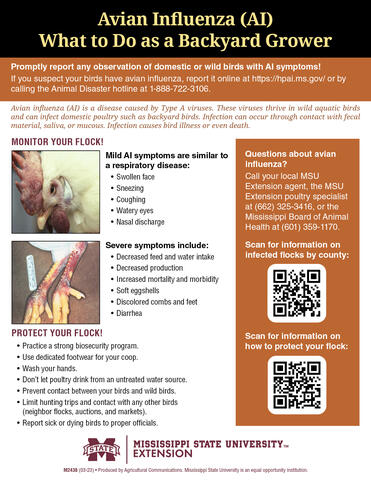
Have you ever wondered what Avian Influenza really is and why it often makes headlines? Understanding this disease is important for your health and the safety of the birds around you.
This guide will break down what Avian Influenza means, how it spreads, and what you can do to protect yourself and your community. Keep reading to discover the facts you need to know and clear up any confusion about this serious virus.
Avian Influenza Basics
Avian Influenza is a viral infection that affects birds. It is also called bird flu.
The disease can spread quickly among birds and cause serious illness.
Virus Types
There are many types of Avian Influenza viruses. They are split into two groups: low pathogenic and highly pathogenic.
Low pathogenic viruses cause mild symptoms. Highly pathogenic viruses cause severe illness and death.
- Low Pathogenic Avian Influenza (LPAI)
- Highly Pathogenic Avian Influenza (HPAI)
Transmission Modes
The virus spreads mainly through contact with infected birds. It can spread in bird droppings, saliva, and nasal secretions.
Birds can catch the virus by touching contaminated surfaces or breathing air near sick birds.
- Direct contact with infected birds
- Contact with contaminated water or feed
- Airborne droplets from coughing or sneezing
- Contact with contaminated equipment or clothing
Affected Bird Species
Avian Influenza affects many bird species. Both wild and domestic birds can get the virus.
Some birds show no signs, but others get very sick or die.
- Chickens
- Ducks
- Turkeys
- Geese
- Wild waterfowl like swans and wild ducks
Symptoms In Birds
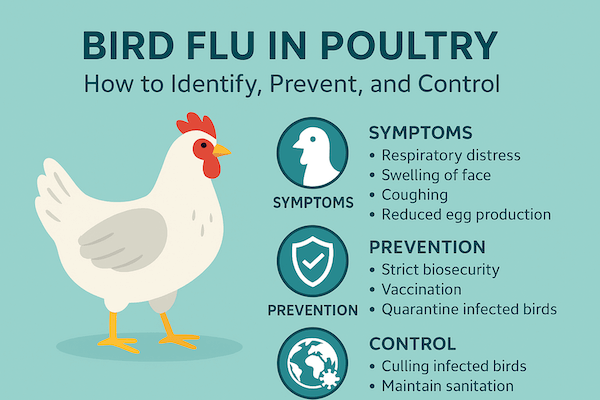
Avian influenza is a disease that affects many types of birds. It causes different symptoms depending on the virus strain.
Birds can show mild or severe signs when infected. Some may die quickly while others recover.
Mild Signs
Mild signs of avian influenza include small changes in behavior. Birds may seem less active than usual.
Some birds have a slight drop in egg production or mild swelling around the eyes and neck.
- Less energy and movement
- Reduced egg laying
- Slight swelling of face and neck
- Mild respiratory issues like sneezing
Severe Signs
Severe signs include strong breathing problems and severe swelling. Birds may stop eating and drinking.
Other signs are purple discoloration of the comb, wattles, and legs. Birds may have diarrhea and nervous system problems.
- Labored breathing and gasping
- Loss of appetite and dehydration
- Purple or blue color on comb and wattles
- Diarrhea and sudden weakness
- Tremors or paralysis
Mortality Rates
Mortality rates vary depending on the virus type. Highly pathogenic strains cause many bird deaths.
Low pathogenic strains cause fewer deaths but still weaken birds. Mortality can reach 90% in severe outbreaks.
| Virus Type | Mortality Rate |
|---|---|
| Low Pathogenic | Less than 10% |
| Highly Pathogenic | Up to 90% |
Impact On Humans
Avian influenza is a viral infection that mainly affects birds. It can sometimes spread to humans. This causes health concerns because some types can be severe.
Understanding how avian influenza affects humans helps in taking precautions. It also aids in controlling outbreaks and saving lives.
Human Infection Cases
Human cases of avian influenza are rare but serious. People get infected through close contact with sick birds or contaminated surfaces. The virus does not spread easily from person to person.
- Most cases involve people working with poultry
- Some cases occur from visiting live bird markets
- Infections happen when people handle or eat undercooked bird products
Symptoms In Humans
| Symptom | Description |
| Fever | High body temperature over 100.4°F (38°C) |
| Cough | Dry or productive coughing |
| Sore Throat | Pain or irritation in the throat |
| Muscle Pain | Body aches and discomfort |
| Shortness of Breath | Difficulty breathing or tight chest |
Symptoms can appear 2 to 8 days after exposure. Severe cases may lead to pneumonia or organ failure.
Risk Factors
People at higher risk include:
- Poultry farmers and workers
- Visitors to live bird markets
- Veterinarians and animal handlers
- Those with weak immune systems
Proper hygiene and protective gear can reduce the chance of infection. Avoiding contact with sick birds is important for safety.
Prevention Strategies
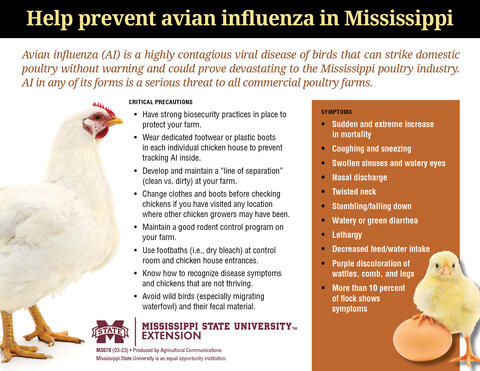
Avian influenza spreads quickly among birds and can harm poultry farms. Taking strong prevention steps helps keep birds safe and stops the virus from spreading.
Good prevention focuses on stopping the virus at the source. This means protecting birds, using vaccines, and informing the public.
Biosecurity Measures
Biosecurity means keeping the virus away from healthy birds. Farms must control who and what enters the area.
- Limit visitors and vehicles near bird areas
- Disinfect equipment and footwear before use
- Keep wild birds and poultry separate
- Remove dead birds quickly and safely
- Use protective clothing for workers
Vaccination
Vaccination helps birds build immunity to avian influenza. It lowers the chance of severe illness and stops the spread of the virus.
| Vaccine Type | Use | Benefits |
| Inactivated | Injected into healthy birds | Strong and long-lasting protection |
| Recombinant | Given to young birds | Safe and effective for fast immunity |
| Live Attenuated | Used in controlled outbreaks | Quick immune response |
Public Awareness
Educating people helps stop avian flu from spreading. Farmers and bird owners must know how to spot signs and act fast.
- Report sick or dead birds to authorities
- Follow local guidelines for bird handling
- Keep poultry areas clean and dry
- Avoid buying birds from unknown sources
- Share information with neighbors and friends
Treatment Options
Avian influenza requires careful medical treatment to reduce symptoms. Treatment depends on the virus type and patient health.
Doctors use different methods to fight the virus and support recovery. Early care improves chances of success.
Antiviral Drugs
Antiviral drugs help stop the virus from multiplying in the body. They work best when taken early.
- Oseltamivir is a common antiviral used for avian flu.
- Zanamivir is another option, often used if oseltamivir cannot be taken.
- These drugs reduce the severity and length of illness.
Supportive Care
Supportive care helps the body fight the infection and heal. It focuses on relieving symptoms and maintaining health.
| Supportive Care | Purpose |
| Rest | Helps the body recover energy |
| Fluids | Prevents dehydration |
| Oxygen Therapy | Improves breathing if lungs are affected |
| Pain Relievers | Reduces fever and body aches |
Challenges In Treatment
Treating avian influenza can be difficult due to virus changes and drug resistance. Doctors face many challenges.
- Virus strains may resist antiviral drugs.
- Delayed diagnosis lowers treatment success.
- Limited access to proper healthcare in some areas.
- Severe cases need intensive care, which is not always available.

Credit: epi.utah.gov
Outbreak Control
Avian influenza is a disease that spreads quickly among birds. Controlling outbreaks is very important to stop the virus from spreading to farms and wild birds.
Effective outbreak control protects both animals and humans. It requires good planning and fast action by authorities worldwide.
Surveillance Systems
Surveillance systems help detect avian influenza early. They track sick or dead birds to find outbreaks fast. Early detection limits virus spread and damage.
- Monitoring wild bird populations
- Testing poultry farms regularly
- Reporting unusual bird deaths
- Using laboratory tests to confirm the virus
Culling Practices
Culling means humanely killing infected or exposed birds. This stops the virus from spreading to healthy birds. It is a common method during outbreaks.
| Type of Birds | Reason for Culling | Action |
| Infected Birds | Carry the virus | Immediate removal and disposal |
| Exposed Birds | Possible virus carriers | Preventive culling |
| Nearby Healthy Birds | Risk of infection | Monitoring and possible culling |
International Cooperation
Countries share information about avian influenza cases. They work together on research and control methods. Cooperation helps manage outbreaks worldwide.
Key areas of international cooperation include:
- Sharing virus samples for study
- Coordinating bird migration tracking
- Helping countries with resources
- Setting global guidelines for control
Economic And Ecological Effects
Avian influenza is a virus that affects birds, especially poultry. It can cause big problems for farms and nature.
The disease spreads fast and can harm many birds. This leads to losses in money and damage to the environment.
Poultry Industry Losses
The poultry industry faces large losses when avian influenza strikes. Many birds get sick or die, reducing production.
- Farmers lose income from dead birds
- Costs increase for cleaning and prevention
- Supply of poultry products drops sharply
- Jobs in the farming sector may be lost
- Local markets face higher prices
Wildlife Impact
Wild birds can carry the virus without showing signs. This spreads avian influenza in nature and harms many species.
The virus reduces bird populations and changes ecosystems. Some rare birds face higher risk of extinction.
Global Trade Implications
Avian influenza affects trade between countries. Many nations set strict rules to stop the virus from spreading.
| Trade Issue | Effect |
| Export bans | Loss of markets for poultry products |
| Increased inspections | Higher costs and delays at borders |
| Import restrictions | Reduced availability of some goods |
| Price fluctuations | Unstable poultry prices worldwide |
Credit: extension.msstate.edu
Credit: www.bivatec.com
Frequently Asked Questions
What Is Avian Influenza And How Does It Spread?
Avian influenza is a viral infection affecting birds. It spreads through direct contact, contaminated surfaces, and respiratory droplets. Wild birds often carry the virus, transmitting it to domestic poultry. Proper biosecurity measures help prevent its spread among bird populations.
Can Avian Influenza Infect Humans?
Yes, some avian influenza strains can infect humans. Infection usually occurs after close contact with infected birds. Human cases are rare but can be severe. Preventive measures include avoiding contact with sick birds and practicing good hygiene.
What Are Common Symptoms Of Avian Influenza In Birds?
Birds infected with avian influenza may show coughing, sneezing, and nasal discharge. They might also experience reduced egg production, swollen eyes, and sudden death. Early detection is crucial to control outbreaks and minimize losses in poultry farms.
How Can Avian Influenza Outbreaks Be Controlled?
Outbreaks are controlled through culling infected birds, disinfecting facilities, and restricting bird movement. Vaccination programs may be used in some regions. Monitoring and reporting suspected cases help prevent the virus from spreading further.
Conclusion
Avian influenza poses a significant threat to birds and humans. Understanding its impact helps in taking preventive measures. This virus spreads quickly among birds and can affect humans. Symptoms in humans are similar to the flu. Awareness and safety measures are crucial.
Always stay informed through reliable sources. Vaccination and hygiene play vital roles in prevention. Governments and health organizations work hard to control outbreaks. Protect yourself by staying educated and cautious. Keep an eye on updates and guidelines. Stay safe, stay informed.



