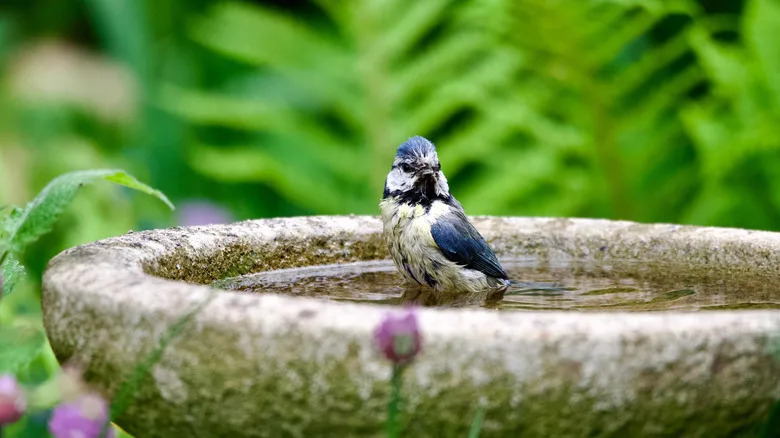
Have you ever stopped to think about what your bird might be drinking? Dirty water is more than just unpleasant—it can be a hidden danger to your feathered friend’s health.
If you care about your bird’s well-being, knowing what diseases can come from contaminated water is crucial. You’ll discover the common illnesses that dirty water can cause in birds and learn how to protect your pet from these serious risks.
Keep reading to ensure your bird stays healthy and happy every day.
Common Waterborne Diseases In Birds
Birds drinking dirty water face many health risks. Water can carry germs that cause illness.
Knowing which diseases come from dirty water helps bird owners protect their pets and wild birds.
Bacterial Infections
Bacteria in dirty water can cause serious infections in birds. Common types include Salmonella and E. coli.
These bacteria can lead to diarrhea, weakness, and even death if untreated.
Parasitic Diseases
Parasites like Giardia and Cryptosporidium live in polluted water. They infect birds and cause digestive problems.
- Giardia causes diarrhea and weight loss
- Cryptosporidium leads to breathing issues and gut problems
- Both spread quickly in crowded bird areas
Fungal Contaminations
Fungi such as Aspergillus grow in damp, dirty water. Birds inhale spores that cause respiratory infections.
| Fungal Type | Common Symptoms | Effect on Birds |
| Aspergillus | Coughing, labored breathing | Damages lungs and air sacs |
| Candida | Oral infections, difficulty eating | Affects mouth and throat |
Viral Illnesses
Viruses in dirty water can infect birds. One example is Avian Influenza, which spreads through water sources.
Birds infected by viruses may show:
- Fever and weakness
- Swelling of the head and eyes
- Respiratory distress
Credit: www.bivatec.com
Sources Of Water Contamination
Dirty water can cause many diseases in birds. Water contamination happens in many ways. Birds get sick by drinking or bathing in polluted water.
Understanding where contamination comes from helps protect birds. It also helps keep their water clean and safe.
Stagnant Water Risks
Stagnant water is water that does not move. It collects dirt, bacteria, and parasites over time. Birds that drink from stagnant water can catch infections.
Stagnant water is a good place for harmful germs to grow fast. These germs cause diseases like avian botulism and parasites that harm birds’ health.
Pollution From Waste
Waste from farms, factories, and homes can pollute water sources. Chemicals and harmful substances enter water and poison birds. This causes serious illnesses.
Birds exposed to polluted water may suffer from poisoning and weakened immune systems. This makes them more likely to catch other diseases.
Effect Of Bird Droppings
Bird droppings in water spread bacteria and viruses. These germs cause diseases like salmonella and avian influenza. Dirty water with droppings is unsafe for birds.
Droppings also increase nutrient levels in water. This causes algae growth, which lowers oxygen and harms bird health.
Contaminated Feeding Areas
Feeding areas near water can become dirty. Leftover food and waste attract pests and bacteria. These contaminate water and spread diseases to birds.
Birds eating in these areas risk infections like avian cholera and fungal diseases. Keeping feeding spots clean helps reduce contamination.
Symptoms Of Waterborne Diseases In Birds
Birds can get sick from dirty water. Waterborne diseases cause many health problems. Knowing the symptoms helps you protect your birds.
Waterborne diseases affect different parts of a bird’s body. Watch for changes in behavior, physical signs, breathing, and digestion.
Behavioral Changes
Sick birds often act differently. They may stop eating or drinking. Birds can become less active or hide more than usual.
- Lack of energy or weakness
- Loss of appetite
- Unusual quietness or restlessness
- Isolation from other birds
Physical Signs
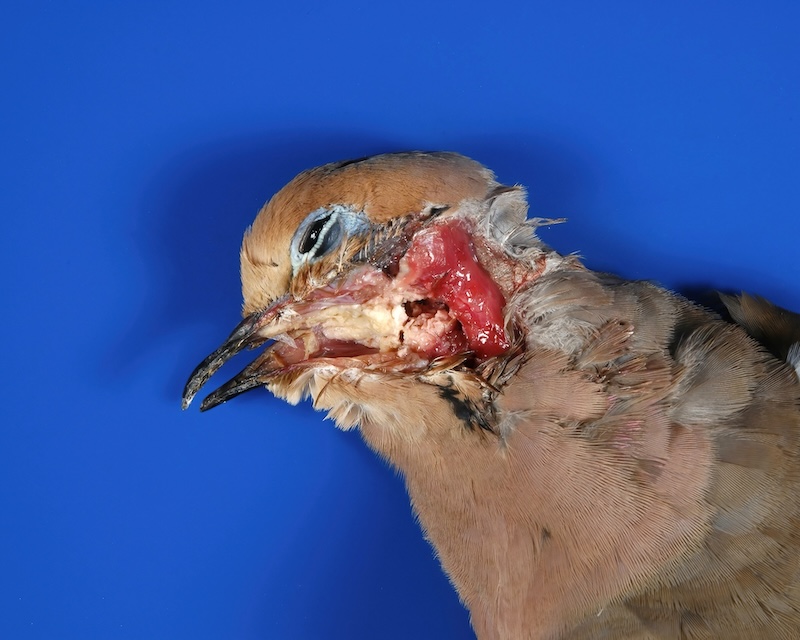
Physical changes can show waterborne illness. Birds may have ruffled feathers or swollen eyes. Look for unusual lumps or wounds on their body.
| Symptom | Description |
|---|---|
| Ruffled feathers | Feathers look messy and out of place |
| Swollen eyes | Eyes appear puffy or red |
| Discharge | Fluid from eyes, nostrils, or beak |
| Skin lesions | Red or scaly patches on skin |
Respiratory Issues
Waterborne diseases often harm the bird’s breathing. Birds may cough or sneeze. Noisy breathing or gasping are serious signs.
- Frequent coughing or sneezing
- Wheezing or rattling sounds
- Open-mouth breathing
- Swollen or inflamed nostrils
Digestive Problems
Dirty water can cause stomach trouble. Birds may have diarrhea or vomit. They can lose weight quickly due to poor digestion.
| Digestive Symptom | What to Look For |
|---|---|
| Diarrhea | Loose or watery droppings |
| Vomiting | Bird throws up food or liquid |
| Weight loss | Bird becomes thin and weak |
| Swollen abdomen | Belly looks enlarged or hard |
Prevention Methods For Bird Water Safety
Birds can get sick from dirty water. Keeping their water clean is important for their health. Safe water helps birds avoid many diseases.
Use good habits to keep bird water safe. This guide shows ways to prevent water problems for birds.
Regular Water Cleaning
Clean bird water often to stop germs and algae. Change the water daily or at least every two days. Wash water dishes well with soap and hot water to remove dirt and bacteria.
Safe Water Sources
Use clean water sources for birds. Tap water that is treated is usually safe. Avoid water from ponds or puddles that may have harmful germs or chemicals.
Proper Habitat Maintenance
Keep bird habitats clean and dry. Remove old food and droppings to stop bacteria growth. Check water areas for dirt and clean them often.
- Remove debris from water bowls daily
- Trim plants near water to reduce dirt
- Fix leaks to avoid stagnant water
- Keep bird cages and feeders tidy
Use Of Water Treatments
Water treatments can keep bird water safe. Use safe disinfectants or water purifiers made for animals. Follow instructions carefully to avoid harming birds.
| Water Treatment | Use | Safety Tip |
| Chlorine Drops | Kills bacteria | Use correct dose |
| UV Purifier | Removes germs | Check regularly |
| Water Filters | Removes dirt | Clean filter often |
Treatment Options For Infected Birds
Birds can catch many diseases from dirty water. These diseases can make birds very sick. Treating infected birds quickly helps them get better.
Good treatment includes care from a vet, medicines, and safe practices. This stops the disease from spreading to other birds.
Veterinary Care
A veterinarian checks the bird to find the exact disease. They do tests on the bird’s blood or droppings. This helps choose the right treatment.
The vet may give advice on feeding and cleaning to help the bird recover faster. Regular check-ups are important to track the bird’s health.
Medications And Antibiotics
Antibiotics fight bacterial infections from dirty water. The vet prescribes the right medicine based on the bird’s illness. Do not use human medicines.
Sometimes antifungal or antiparasitic drugs are needed. It is important to finish the full medicine course. This helps stop the disease from coming back.
- Follow the vet’s dosage instructions
- Give medicine on time
- Watch for side effects
- Do not stop treatment early
Supportive Care Practices
Supportive care keeps the bird strong during treatment. Clean water and fresh food help the bird heal. Warm and quiet places reduce stress.
Remove dirty water sources to prevent new infections. Regular cleaning of cages and feeders is important. Healthy birds recover faster and avoid more sickness.
- Provide clean, fresh water daily
- Feed nutritious bird food
- Keep the living area dry and clean
- Limit noise and disturbances
Quarantine Measures
Quarantine stops diseases from spreading to healthy birds. Keep sick birds separate until they recover fully. Use different equipment for sick birds only.
Monitor quarantined birds closely. Check for new symptoms or changes. After recovery, clean the quarantine area well before adding new birds.
- Isolate infected birds immediately
- Use separate food and water containers
- Limit contact with other birds
- Clean quarantine area after use

Credit: www.reddit.com
Impact Of Dirty Water On Bird Populations
Dirty water harms birds by spreading diseases and toxins. Birds rely on clean water for drinking and feeding.
When water is polluted, bird health and survival rates drop. This affects entire bird communities and their habitats.
Disease Outbreaks
Birds drinking dirty water can catch many diseases. Germs and parasites grow well in polluted water.
Common illnesses include avian botulism, salmonella, and avian cholera. These cause sickness and death in birds.
- Avian botulism causes paralysis and death
- Salmonella leads to severe gut infections
- Avian cholera spreads quickly among bird flocks
Population Decline
Diseases from dirty water reduce bird numbers fast. Sick birds may not reproduce or survive winter.
Repeated outbreaks cause long-term drops in bird populations. Some species may become rare or extinct locally.
- Lower birth rates from sick adults
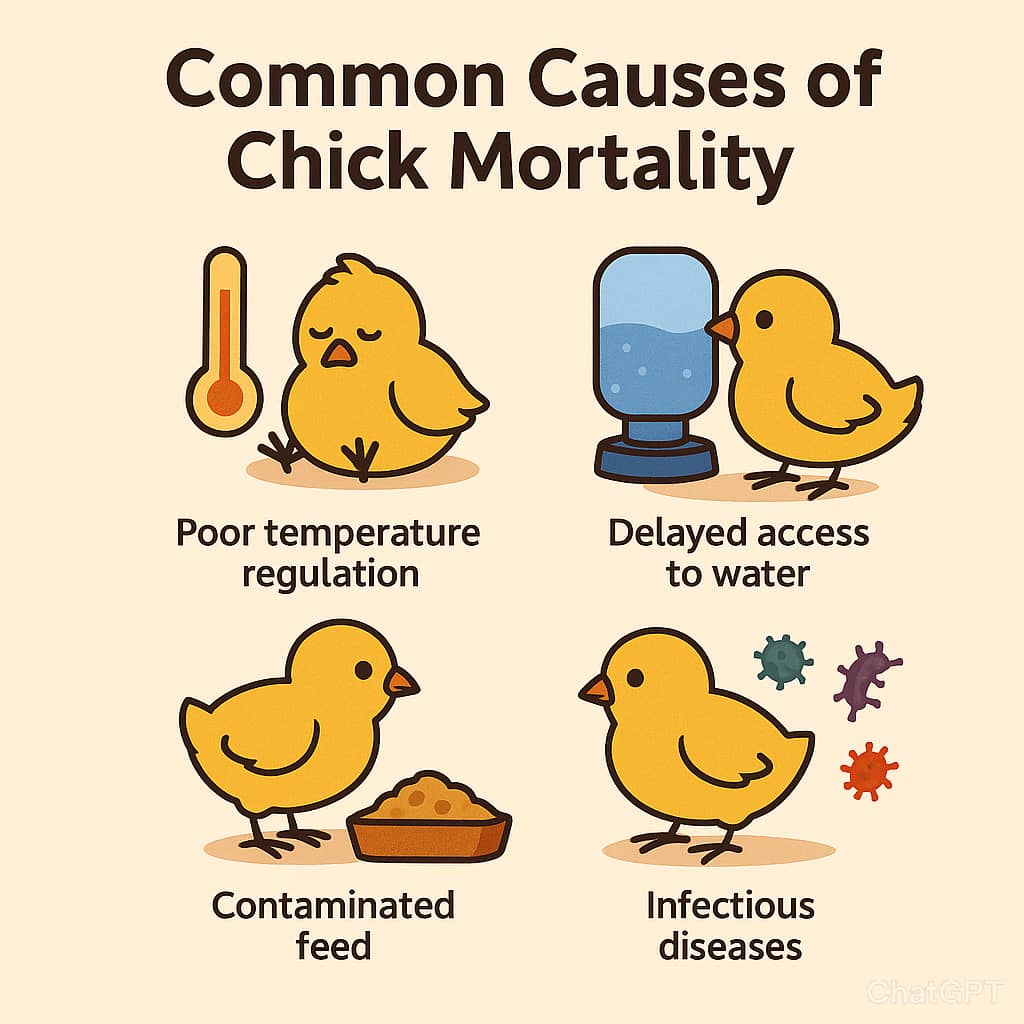
- High chick mortality due to infections
- Fewer birds return to breeding sites
Ecosystem Imbalance
Birds play key roles in ecosystems. Their decline disturbs food chains and plant growth.
Fewer birds mean more insects or fish in some places. This can harm other animals and plants.
- Less seed spreading by birds affects plants
- Insect population may rise without bird predators
- Fish populations change with fewer bird hunters
Conservation Challenges
Dirty water makes it harder to protect bird species. Cleaning water and habitats needs time and money.
Conservation groups must monitor water quality and bird health. They work to stop pollution and restore habitats.
- Regular water testing to detect pollution
- Habitat restoration to improve water sources
- Public education to reduce water contamination
Role Of Bird Owners And Wildlife Caretakers
Birds can get sick from dirty water. Bird owners and wildlife caretakers have a big role in keeping birds safe.
They help by watching bird health, giving clean water, teaching people, and reporting diseases.
Monitoring Bird Health
Bird owners and caretakers must watch birds closely. They check for signs like tiredness, loss of feathers, or strange droppings. Early spotting helps prevent diseases from spreading.
Ensuring Clean Water Access
Dirty water carries many diseases that harm birds. Caretakers must provide fresh and clean water daily. This stops birds from drinking unsafe water.
- Change water bowls every day
- Clean water containers weekly
- Place water in shaded areas to keep it fresh
- Remove algae and dirt from water sources
Educating Communities
Bird owners can teach neighbors and visitors about water safety. Sharing tips helps protect wild and pet birds from disease.
| Topic | Key Message |
|---|---|
| Water Hygiene | Use clean water and change it often |
| Signs of Illness | Look for weak or inactive birds |
| Safe Bird Habitats | Keep bird areas clean and free from waste |
Reporting Disease Cases
If birds look sick, owners should tell wildlife vets or animal health groups. Reporting helps stop disease outbreaks early.
Credit: www.merckvetmanual.com
Frequently Asked Questions
What Diseases Do Birds Get From Dirty Water?
Birds can contract diseases like avian cholera, salmonellosis, and botulism from contaminated water. These illnesses cause severe health issues and can be fatal if untreated.
How Does Dirty Water Cause Bird Infections?
Dirty water contains harmful bacteria, viruses, and parasites. Birds ingest these pathogens while drinking or bathing, leading to infections and weakened immune systems.
Can Dirty Water Lead To Bird Poisoning?
Yes, dirty water may contain toxins and harmful algae. These substances can poison birds, causing neurological damage and sometimes death.
How To Prevent Birds From Getting Diseases Via Water?
Regularly clean and change bird water sources. Use filtered or fresh water and maintain hygiene to reduce disease risks.
Conclusion
Dirty water harms birds significantly. It exposes them to various diseases. Common illnesses include avian cholera and botulism. These diseases can spread quickly among bird populations. Clean water is essential for bird health. Bird lovers should ensure water sources are clean.
This prevents disease outbreaks. Regular cleaning of birdbaths and feeders helps. Encourage others to maintain clean environments for birds. Healthy birds contribute to a balanced ecosystem. Protecting our feathered friends benefits everyone. Stay informed and proactive in bird care. Your efforts make a difference.
Keep our avian companions safe and healthy.