Have you ever wondered if Newcastle disease, a common virus in birds, can affect you? If you keep poultry or simply care about your health, this question matters.
Understanding whether this disease can jump from birds to humans could protect you and your loved ones. Keep reading to discover the facts that might change how you interact with birds and what steps you can take to stay safe.
Don’t miss out on important information that could keep your health secure.
Newcastle Disease Basics
Newcastle Disease is a virus that mainly affects birds. It is found worldwide and can spread quickly among bird populations.
This disease causes serious problems in poultry farming. People often ask if humans can get Newcastle Disease. Let’s learn more about it.
What Is Newcastle Disease
Newcastle Disease is caused by a virus called avian paramyxovirus type 1. It affects many kinds of birds, including chickens, ducks, and wild birds.
- The disease spreads through contact with infected birds or their droppings.
- It can also spread by contaminated equipment or people carrying the virus on clothes.
- Birds of any age can get sick, but young birds are more at risk.
How It Affects Birds
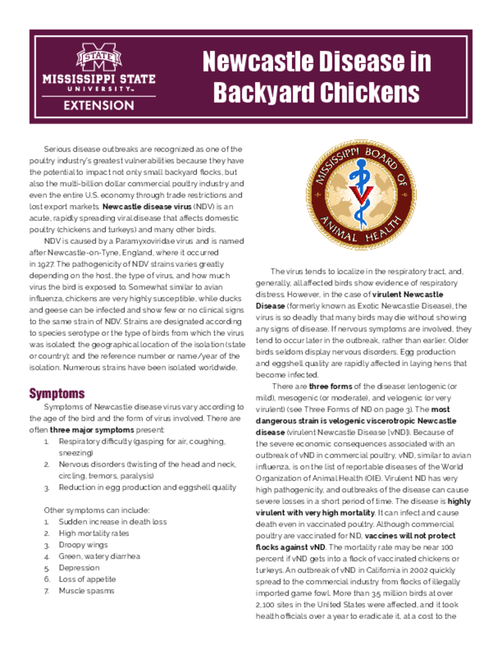
Newcastle Disease harms birds in many ways. It can affect their breathing, digestion, and nervous system.
| Symptom | Description |
| Respiratory Problems | Coughing, sneezing, and difficulty breathing |
| Digestive Issues | Diarrhea and poor appetite |
| Nervous Signs | Paralysis, twisted neck, and tremors |
| Egg Production | Drop in egg laying or misshapen eggs |
Birds infected with Newcastle Disease may die quickly or become weak. Farmers must watch for signs to protect their flocks.

Credit: m.youtube.com
Transmission To Humans
Newcastle disease mainly affects birds, but people can catch it too. It is not common for humans to get sick from it.
This disease spreads mostly from birds to humans through close contact. Understanding how it transmits helps reduce risks.
Risk Factors For Humans
People who work with birds face higher chances of catching Newcastle disease. Farmers, poultry workers, and veterinarians are at risk.
- Handling sick or dead birds without protection
- Being in places with many infected birds
- Having cuts or wounds on hands while touching birds
- Not using proper safety gear like gloves and masks
Common Transmission Methods
Newcastle disease spreads to humans mostly through direct contact with infected birds. The virus can enter the body through the eyes, nose, or mouth.
| Transmission Method | Description |
| Direct Contact | Touching infected birds or their droppings |
| Airborne Particles | Breathing dust or droplets from bird secretions |
| Contaminated Surfaces | Touching cages, equipment, or clothing with the virus |
| Eye Exposure | Virus entering through the eyes causing conjunctivitis |
Symptoms In Humans
Newcastle disease mainly affects birds, but humans can catch it too. The symptoms in people are usually mild.
Sometimes, the infection can cause more serious reactions, especially in people with weak immune systems.
Mild Symptoms
Most people who get Newcastle disease show mild signs. These symptoms last a few days and go away on their own.
- Eye redness or irritation
- Watery eyes
- Mild fever
- Runny nose
- Sore throat
- Cough
Severe Reactions
Severe reactions are rare but can happen. These need medical care quickly.
| Symptom | Description |
| Eye inflammation | Severe redness and pain in the eyes |
| Respiratory issues | Difficulty breathing or chest pain |
| High fever | Fever lasting more than three days |
| Fatigue | Extreme tiredness that does not improve |
| Skin rash | Unusual rash or skin irritation |
Credit: extension.msstate.edu
Diagnosis And Treatment
Newcastle disease mainly affects birds but can sometimes infect humans. It is important to know how doctors diagnose it and what treatments are available. Early diagnosis helps manage the symptoms well.
This guide covers how Newcastle disease is diagnosed and the treatment options for people who get infected.
How Newcastle Disease Is Diagnosed
Doctors use several methods to confirm Newcastle disease in humans. They look at symptoms and run tests to be sure.
- Physical exam to check for eye redness and breathing issues
- Swab samples from the nose or throat for lab tests
- Blood tests to detect antibodies against the virus
- Eye examination to look for signs of infection
Lab tests help rule out other illnesses with similar symptoms. Confirming the disease early can prevent complications.
Available Treatment Options
There is no specific cure for Newcastle disease in humans. Treatment focuses on relieving symptoms and preventing infection from spreading.
| Treatment | Purpose | Notes |
|---|---|---|
| Rest | Help the body recover | Avoid strenuous activity |
| Eye drops | Reduce eye redness and irritation | Use as directed by a doctor |
| Pain relievers | Ease headaches and body pain | Follow dosage instructions carefully |
| Isolation | Prevent spread to others | Avoid close contact with people |
People with severe symptoms should see a healthcare provider for proper care. Most recover fully with rest and symptom treatment.
Prevention Strategies
Newcastle disease mainly affects birds, but people can get mild symptoms if exposed. Preventing this disease is important for both workers and the public.
Using simple safety steps helps reduce the chance of infection. Understanding these steps keeps everyone safer.
Protective Measures For Poultry Workers
Poultry workers face higher risks because they handle birds and their waste. Wearing protective gear stops the virus from spreading.
Good hygiene and cleaning practices also help prevent infection at work. Workers should follow safety rules every day.
- Wear gloves, masks, and protective clothing
- Wash hands with soap and water often
- Clean and disinfect tools and equipment
- Avoid touching face while working with birds
- Report sick birds to supervisors immediately
General Public Precautions
The general public can avoid Newcastle disease by not handling sick or dead birds. Buying poultry from trusted sources reduces risk.
People should wash their hands after contact with birds or bird products. Avoiding close contact with wild birds also helps keep people safe.
- Do not touch sick or dead birds
- Buy poultry from reputable sellers
- Cook poultry products thoroughly before eating
- Wash hands after touching birds or eggs
- Avoid places with many wild birds
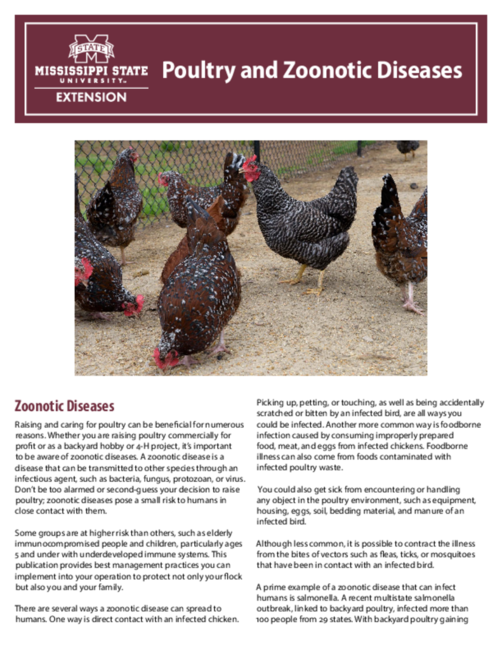
Credit: extension.msstate.edu
Impact On Public Health
Newcastle disease mainly affects birds, especially poultry. People worry if it can harm humans too. Understanding its public health impact helps keep communities safe.
This article looks at evidence on human infection risks and global concerns about Newcastle disease.
Epidemiology And Case Studies
Newcastle disease virus rarely infects humans. When it does, it causes mild symptoms like eye irritation and flu-like signs. Serious cases are very uncommon.
- People working with poultry have the highest risk.
- Infections often happen through contact with bird droppings or secretions.
- Most cases resolve quickly without lasting harm.
- No evidence shows human-to-human spread.
Global Health Concerns
Newcastle disease affects poultry worldwide. It causes economic losses and food supply issues. Public health agencies track outbreaks closely.
| Region | Outbreaks in Poultry | Human Cases Reported |
| Asia | Frequent | Rare |
| Africa | Occasional | Very Rare |
| Americas | Less Common | Rare |
| Europe | Uncommon | None |
Frequently Asked Questions
Can Humans Contract Newcastle Disease From Birds?
Humans rarely get Newcastle disease. It mainly affects birds. However, close contact with infected birds can cause mild eye or respiratory irritation in humans.
What Symptoms Appear If Humans Get Newcastle Disease?
In humans, symptoms are usually mild. They include eye redness, irritation, or mild flu-like symptoms. Severe illness is extremely rare.
How Is Newcastle Disease Transmitted To Humans?
Transmission occurs through direct contact with infected birds or their secretions. The virus can enter through the eyes or respiratory tract.
Can Newcastle Disease Spread Between Humans?
No, Newcastle disease does not spread from human to human. Infection occurs only through contact with infected birds or contaminated materials.
Conclusion
Understanding Newcastle disease is vital for both humans and birds. While humans rarely catch it, caution is still important. Practice good hygiene around birds. Keep your birds healthy and vaccinated. This helps prevent outbreaks. Consult veterinarians for expert advice. Stay informed about symptoms and preventive measures.
Protect yourself and your pets. With awareness and care, risks can be minimized. Newcastle disease is primarily a bird issue. But knowing about it helps everyone. Stay safe, informed, and proactive. This ensures a healthier environment for all.