Have you ever watched a bird preening its feathers and wondered if those beautiful plumes could hide something unwanted? You might be surprised to learn that bird feathers can actually carry tiny parasites that affect the bird’s health and even its ability to fly.
If you care about birds or just find nature fascinating, understanding these hidden hitchhikers will change the way you see our feathered friends. Keep reading to discover what kinds of parasites live in bird feathers, how they impact birds, and what you can do to spot or help prevent these unwelcome guests.
Credit: www.mdpi.com
Types Of Parasites In Bird Feathers
Bird feathers can host different types of parasites. These parasites live on the feathers and skin. They can cause discomfort and harm to the birds.
Understanding the common parasites helps in spotting problems early. Birds need healthy feathers for flying and warmth.
Common Feather Mites
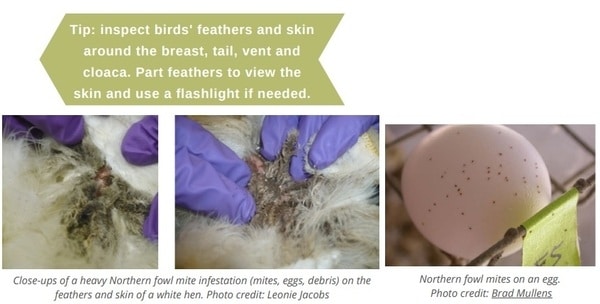
Feather mites are tiny creatures that live on bird feathers. They feed on oils, skin flakes, and sometimes the feathers themselves. These mites can cause feather damage and irritation.
Most feather mites are harmless, but some species may lead to feather loss or poor feather condition.
Lice Infestation
Lice are small insects that cling tightly to bird feathers. They feed on feathers, skin, and blood. Lice infestation can weaken birds by causing itching and feather damage.
- Chewing lice eat feathers and skin scales.
- Sucking lice feed on bird blood.
- Lice spread easily between birds close together.
- Heavy infestations can cause stress and illness.
Fungal Growth On Feathers
Fungi can grow on bird feathers, especially in damp environments. This growth can weaken feathers and cause a bad smell. Fungal infections may lead to feather loss and skin irritation.
| Fungal Type | Effect on Feathers | Common Signs |
| Aspergillus | Damages feather structure | Discoloration, feather breakage |
| Candida | Causes feather rot | Foul odor, feather loss |
| Trichophyton | Infects skin and feathers | Redness, scaling, feather damage |
How Parasites Affect Birds
Bird feathers often carry parasites like mites and lice. These tiny creatures live on feathers and skin. They can hurt birds in many ways.
Parasites can cause discomfort and health problems. Birds may struggle to fly and stay healthy because of them.
Impact On Flight And Mobility
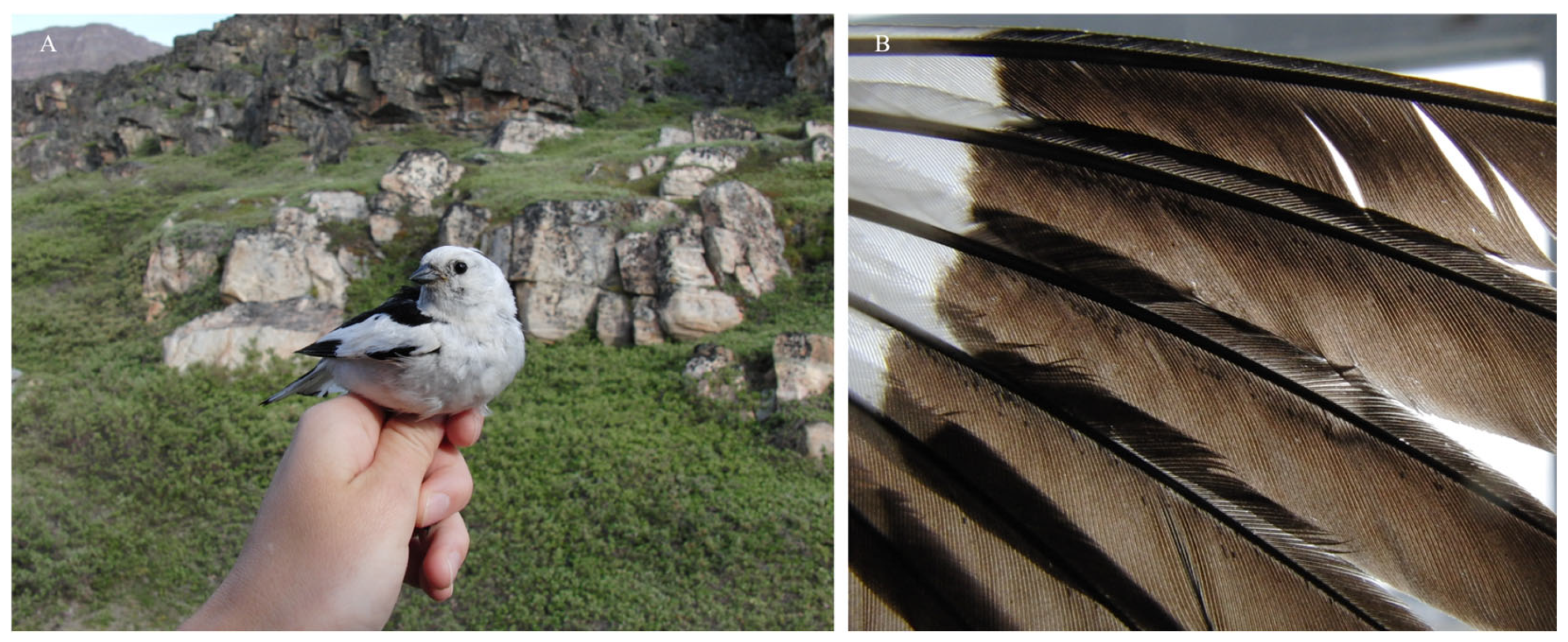
Parasites damage feathers by eating or creating holes. This damage makes feathers weak and less smooth. Birds lose their ability to fly well.
When feathers are damaged, birds use more energy to fly. This lowers their speed and distance. Parasites can also cause pain, making movement hard.
Health Risks To Birds
Parasites can cause skin irritation and infections. Birds may lose blood from parasite bites, which weakens them. Severe infestations can lead to illness or death.
Parasites also carry diseases. These diseases can spread quickly among bird populations. Young and old birds are most at risk.
Behavioral Changes Due To Parasites
Birds with parasites often scratch and preen more. This takes time and energy away from other activities. They may avoid flying or feeding as much.
- Increase in grooming behavior
- Less time spent searching for food
- Reduced social interactions with other birds
- Avoidance of certain nesting areas
Parasite Transmission Methods
Bird feathers often carry parasites that can affect their health. Understanding how these parasites spread helps protect birds and their habitats.
Parasites move between birds and their environment in different ways. Each method shows how easily parasites can infect new hosts.
Direct Contact Between Birds
Parasites often spread when birds touch each other. This contact happens during mating, fighting, or feeding their young.
- Birds preening each other can transfer parasites.
- Close nesting increases parasite transfer among chicks.
- Fighting birds may spread parasites through wounds.
Environmental Spread
Parasites can live in the bird’s surroundings. Feathers left behind or dust in the air carry parasites to new birds.
| Environmental Source | How Parasites Spread |
| Feathers on ground | Parasites cling and infect birds that touch them |
| Nest debris | Parasites hide and jump onto new nesters |
| Dust and soil | Parasite eggs or larvae float and infect birds |
Role Of Nesting Habits
Where and how birds build nests affects parasite levels. Some nests make it easier for parasites to survive and spread.
Common nesting factors that affect parasite spread:
- Material used: soft materials hold parasites better
- Location: crowded nests increase parasite contact
- Reuse of nests: old nests may have parasite buildup
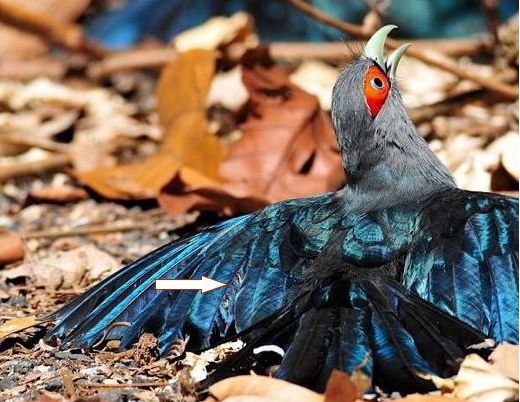
Credit: besgroup.org
Bird Defense Mechanisms
Birds have many ways to protect themselves from parasites. Parasites can live in their feathers and cause problems. Birds use natural methods to keep clean and healthy.
These defense methods help birds stay free from pests. They include grooming, using other animals, and shedding old feathers.
Preening And Grooming
Birds spend a lot of time preening their feathers. They use their beaks to clean and arrange feathers. Preening removes dirt, parasites, and oils the feathers to keep them strong.
- Birds use their beaks to pick out parasites
- They spread oil from a gland near their tail
- This oil keeps feathers flexible and water-resistant
- Regular grooming helps stop parasite growth
Use Of Ants And Other Natural Remedies
Some birds use ants to help clean their feathers. They allow ants to crawl on their bodies. The ants release chemicals that kill parasites.
This behavior is called "anting" and has other benefits:
- Ants help remove mites and lice
- They can reduce skin irritation
- Other natural remedies include dust bathing and using plant materials
Molting To Remove Parasites
Molting is when birds shed old feathers and grow new ones. This process helps get rid of parasites hiding in feathers. It usually happens once or twice a year.
| Molting Stage | Parasite Control Benefit |
| Old feathers fall out | Parasites leave with the feathers |
| New feathers grow | Stronger and cleaner feathers replace old ones |
| Molting duration | Varies by species, usually weeks to months |
Research And Discoveries
Bird feathers often host tiny creatures known as parasites. Scientists study these parasites to learn how they live and affect birds. This research helps us understand the complex relationship between birds and their parasites.
Studying feather parasites shows how birds cope with these small animals. It also helps protect bird species and their habitats. New discoveries continue to reveal surprising details.
Recent Studies On Feather Parasites
Recent studies use microscopes and DNA tests to find out which parasites live on feathers. Researchers found many types of mites and lice that feed on feathers or skin. Some birds carry more parasites than others.
Scientists tracked how parasites spread between birds. They noticed that birds living in groups often have more parasites. The studies also show that parasites can affect bird health and feather quality.
Surprising Parasite Adaptations
Parasites have special features to live on feathers. Some have claws that hold tightly to feathers. Others have flat bodies to hide between feathers. These adaptations help them avoid being removed during preening.
- Claws for gripping feathers
- Flat bodies to fit between feathers
- Camouflage colors to blend in
- Fast reproduction to keep populations strong
These traits allow parasites to survive harsh conditions on birds. They also help parasites spread to new hosts. This shows how parasites evolve to live closely with birds.
Implications For Bird Conservation
Knowing about feather parasites helps bird conservation efforts. Parasites can weaken birds, making them less able to survive. Conservationists use this knowledge to protect vulnerable bird species.
Managing parasites can improve bird health in wild and captive populations. Research guides how to keep bird habitats clean and safe. This helps maintain strong bird populations worldwide.
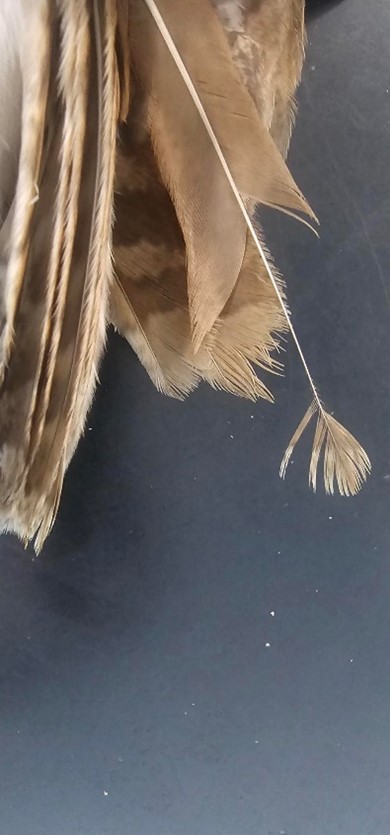
Credit: www.veterinary-practice.com
Frequently Asked Questions
Do Bird Feathers Commonly Host Parasites?
Yes, bird feathers often harbor parasites like feather mites and lice. These parasites feed on feathers or skin debris, affecting bird health and feather condition.
How Do Parasites Affect Bird Feathers?
Parasites damage feathers by causing wear, breakage, and irritation. This can impair flight, insulation, and the bird’s overall well-being.
Can Parasites On Feathers Transmit Diseases?
Some feather parasites can carry bacteria or fungi, potentially spreading infections. However, disease transmission through feathers is generally less common than through blood-sucking parasites.
How Do Birds Protect Feathers From Parasites?
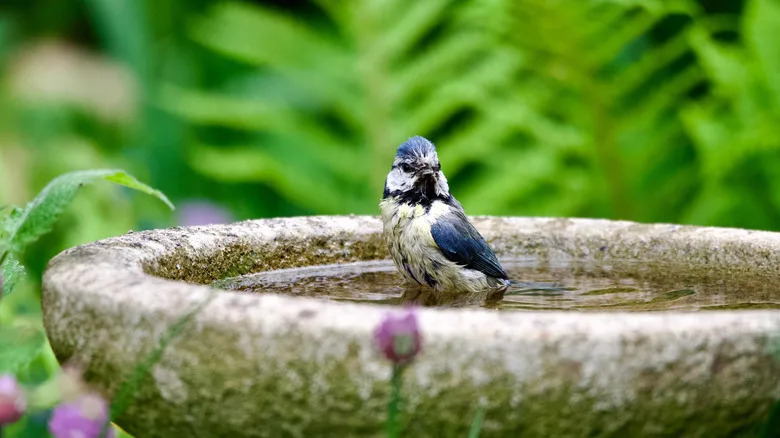
Birds preen regularly to remove parasites and apply oils to protect feathers. Some species use dust or water baths to reduce parasite loads.
Conclusion
Bird feathers can host parasites, affecting bird health. Parasites may cause discomfort and diseases. Regular bird grooming helps reduce parasite risks. Clean habitats keep birds healthier. Observing birds can reveal signs of infestation early. Early detection helps maintain avian well-being.
Understanding feather parasites aids bird care efforts. Ensuring healthy birds benefits ecosystems too. Bird lovers should stay informed about avian health. Simple actions can make a big difference. Appreciate birds, and support their health.