
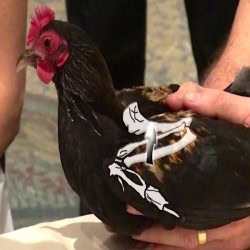
If you’ve ever found a bird with an injured wing, you know how urgent it feels to help. But do you know the right way to bandage a bird’s wing to give it the best chance to heal?
How you handle this delicate task can make a huge difference in your feathered friend’s recovery. In this guide, you’ll learn simple, clear steps that anyone can follow—no special skills needed. By the end, you’ll feel confident and ready to provide the care your bird needs.
Keep reading to discover how you can make a real difference when it matters most.

Credit: www.youtube.com
Signs Of A Wing Injury
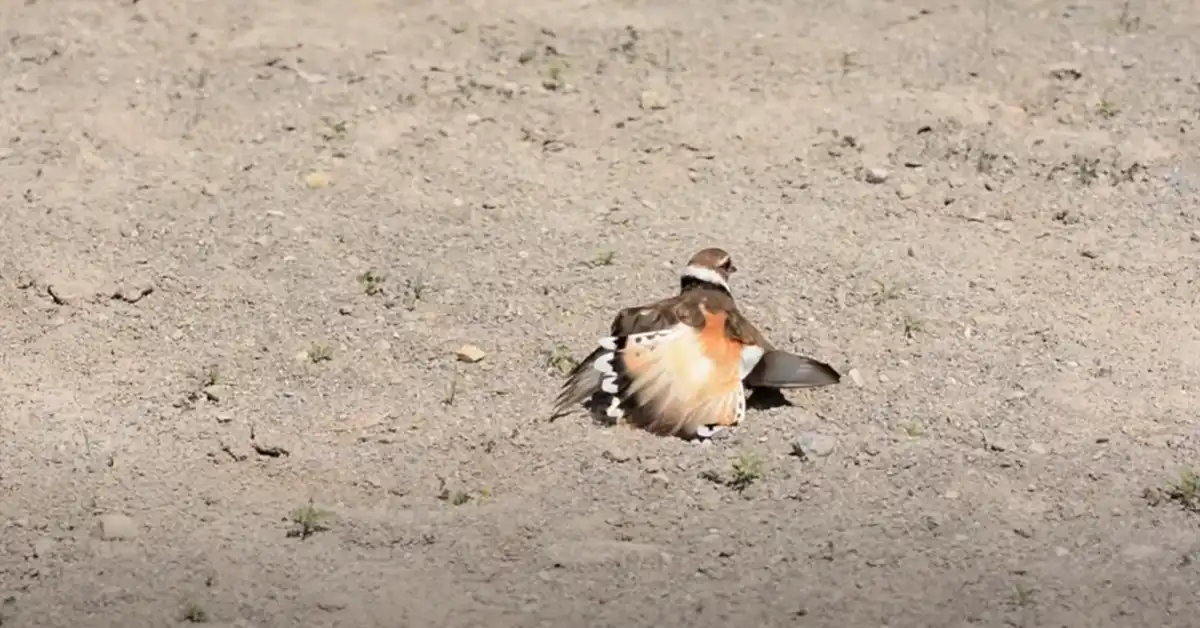
Birds can hurt their wings in many ways. Knowing the signs helps you act fast.
Look closely to spot if a bird’s wing is injured. Early care can make a big difference.
Common Symptoms
Birds show different signs when their wings are hurt. Watch for these common symptoms.
- Swelling or redness around the wing
- Bird holding its wing in an unusual position
- Flapping the wing less or not at all
- Visible cuts or bleeding on the wing
- Bird limping or having trouble flying
- Bird crying out or showing signs of pain
- Feathers ruffled or missing near the injury
When To Seek Help
If you see serious signs of injury, get help from a vet or wildlife expert.
Do not try to fix broken bones or deep wounds by yourself. Time is important.
- Bird cannot use its wing at all
- Wing looks broken or misshaped
- There is heavy bleeding
- Bird seems very weak or is breathing fast
- Bird is in constant pain and distress
Credit: www.earthofbirds.com
Gathering Supplies
Bandaging a bird’s wing needs the right supplies. Using proper materials helps protect the wing and keep the bird calm.
Getting all supplies before starting saves time and reduces stress for the bird.
Essential Materials
You need soft, clean materials to wrap a bird’s wing gently. These materials help keep the wing stable without hurting the bird.
- Soft gauze pads to cover wounds
- Non-stick bandage tape to hold gauze in place
- Vet wrap or self-adhesive bandages for gentle support
- Scissors with rounded tips for safe cutting
- Antiseptic solution to clean the injury
- Cotton balls or swabs for applying antiseptic
- Gloves to keep the process clean
Safe Alternatives
If you do not have the essential materials, some safe alternatives can work. These items should still be soft and non-toxic.
- Clean, soft cloth strips instead of gauze pads
- Micropore tape or paper tape as a gentle tape option
- Elastic bandages wrapped loosely for support
- Clean paper towels folded to use as padding
- Saline solution made from clean water and salt for cleaning
Preparing The Bird
Before bandaging a bird’s wing, you must get the bird ready. This helps keep the bird calm and safe. Proper preparation also protects you from injury.
Readying the bird makes the bandaging process easier and more effective. Calm birds are less likely to hurt themselves or you.
Calming Techniques
Birds can get scared during handling. Use calm voices and slow movements to help them relax. Avoid sudden actions that may startle the bird.
Covering the bird’s eyes gently with a cloth can reduce stress. Keep the bird in a quiet place with little noise or bright light.
- Speak softly and calmly
- Move slowly and smoothly
- Cover eyes with a soft cloth if needed
- Keep the bird in a quiet, dim space
Proper Handling
Hold the bird gently but firmly. Support its body and wings to stop flapping. Avoid squeezing or pressing too hard.
Use a towel or cloth to wrap the bird if it struggles. This helps keep it still and protects you from scratches.
- Support the bird’s body and wings
- Hold firmly but gently
- Use a towel to wrap the bird if needed
- Keep the bird calm and still
Step-by-step Bandaging
Bandaging a bird’s wing helps protect it from further injury. It also supports healing. Follow these clear steps to bandage the wing safely and correctly.
Use clean materials and be gentle. Birds have delicate bones and skin. Keep the bird calm during the process.
Cleaning The Wing
Start by cleaning the injured wing carefully. Use warm water and a mild antiseptic to remove dirt and debris. Avoid harsh scrubbing to prevent pain or damage.
- Wear disposable gloves to keep the wound clean.
- Use a soft cloth or cotton ball soaked in antiseptic solution.
- Gently wipe the wing from base to tip.
- Remove any visible dirt or dried blood.
- Pat dry with a clean, soft towel.
Applying Padding
Apply padding to protect the wing and cushion the injury. Use soft, sterile gauze or cotton. Place the padding evenly over the wing surface.
| Material | Purpose | How to Use |
| Sterile gauze | Protects wound | Place flat over injured area |
| Cotton padding | Cushions and absorbs | Layer gently without pressing hard |
| Non-stick pad | Prevents sticking to skin | Place directly on wound before padding |
Wrapping The Wing
Wrap the wing with a soft bandage to hold the padding in place. Use a flexible, breathable material like vet wrap or gauze roll. Wrap snugly but not too tight.
- Start wrapping at the wing base near the body.
- Cover the padded area fully, moving toward the wing tip.
- Overlap each wrap by half the bandage width.
- Check for signs of tightness, like color change or swelling.
- Leave the bird’s primary feathers free to avoid discomfort.
Securing The Bandage
Secure the bandage using medical tape or clips. Make sure it stays in place but does not restrict blood flow. Check the bandage regularly and change it if it gets wet or dirty.
Tips for securing the bandage:
- Use hypoallergenic tape to prevent skin irritation.
- Do not tape too close to the bird’s feathers.
- Ensure the tape edges are smooth to avoid catching.
- Observe the bird for signs of discomfort or distress.
Aftercare Tips
Taking care of a bird’s wing after bandaging is very important. Proper aftercare helps the wing heal well and prevents problems.
Follow these tips to keep the bird comfortable and safe during recovery.
Monitoring Healing
Check the bird’s wing every day to see how it is healing. Look for swelling, redness, or bad smells.
Watch if the bird uses its wing more or less. This can tell if it feels pain or is getting better.
- Look for any changes in color or warmth
- Notice if the bird pecks or pulls at the bandage
- Check for signs of infection like bad smell
When To Change Bandages
Change the bandage if it gets wet, dirty, or loose. A clean bandage keeps the wing safe from germs.
Do not wait too long to change the bandage. Regular changes help the wing heal faster and prevent problems.
- Change bandages at least once every two days
- Replace immediately if it becomes wet or soiled
- Use gentle materials to avoid hurting the wing
Avoiding Common Mistakes
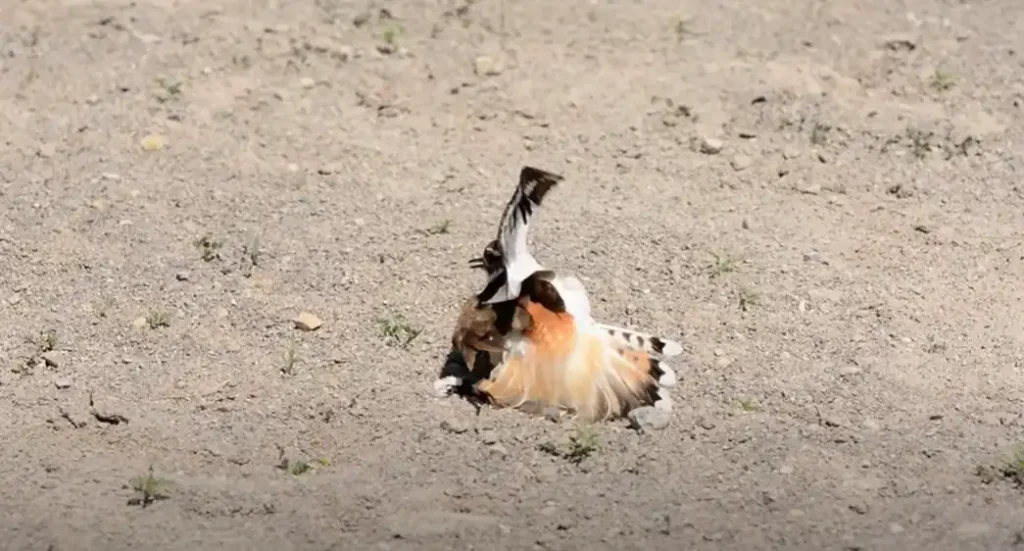
Do not wrap the bandage too tight. Tight bandages stop blood flow and cause pain.
Avoid leaving the bandage on too long. This can cause skin sores or infections.
- Never use sticky tape directly on bird feathers
- Keep the bird’s living area clean and dry
- Do not ignore signs of discomfort or damage
Credit: www.earthofbirds.com
When To Consult A Vet
Bandaging a bird’s wing can help in minor injuries. Some injuries need expert care to heal properly.
Knowing when to see a vet ensures the bird gets the right treatment. This can prevent serious problems.
Signs Of Complications
Watch for signs that the bird’s wing is not healing well or getting worse. These signs show you need a vet.
- Swelling that grows or does not go down
- Discharge or bad smell from the wound
- Bird shows more pain or stops using the wing
- Feathers falling out near the injury
- Changes in color, like redness or dark spots
- Bird becomes very weak or stops eating
Professional Treatment Options
Veterinarians can provide treatments that you cannot do at home. They use special tools and medicines.
Some treatments include cleaning wounds deeply, giving pain medicine, or setting broken bones.
- Proper cleaning and disinfecting of the wing
- Applying stronger or special bandages
- Prescribing antibiotics or pain relief
- Using X-rays to check for broken bones
- Surgery if the injury is severe
Frequently Asked Questions
How Do You Safely Bandage A Bird’s Injured Wing?
Start by gently restraining the bird to avoid stress. Clean the wound with saline solution. Use sterile gauze to cover the injury. Wrap the wing lightly with vet wrap, ensuring it’s snug but not tight. Always seek professional vet care afterward.
What Materials Are Needed To Bandage A Bird’s Wing?
You will need sterile gauze pads, non-stick bandage, vet wrap, scissors, and saline solution. Optional items include adhesive tape and a small towel for restraint. Using clean, bird-safe materials helps prevent infection and ensures the bandage stays secure.
How Tight Should A Bird’s Wing Bandage Be?
The bandage should be snug enough to hold the wing in place but not restrict circulation. Check for swelling, discoloration, or coldness in the wing tips. A loose bandage may not protect the wing properly, while a tight one can cause harm.
How Long Should A Bird’s Wing Bandage Stay On?
Typically, keep the bandage on for 7 to 10 days. Change it if it becomes wet or dirty. Monitor the bird’s healing progress closely and consult a vet for proper timing and adjustments.
Conclusion
Bandaging a bird wing requires care and patience. Follow steps closely to avoid harm. Secure the wing gently without causing stress to the bird. Use soft materials like gauze or cloth strips. Ensure the bandage supports but doesn’t restrict movement.
Check the bandage often for signs of discomfort or damage. Seek professional help if the bird doesn’t improve. A well-bandaged wing can aid recovery. Remember, your calmness helps the bird feel safe. Helping a bird heal strengthens your bond with nature.
Keep learning and stay compassionate to our feathered friends.



