Have you ever noticed your bird acting weak, losing weight, or showing unusual droppings? These signs could mean your feathered friend is struggling with coccidiosis.
Understanding what coccidiosis in birds really is can help you protect your pet from serious health problems. You’ll discover the key facts about this common yet often overlooked illness. By the end, you’ll know how to spot the symptoms early and take the right steps to keep your birds healthy and happy.
Keep reading—your bird’s well-being depends on it.

Credit: chooks.co.nz
Causes Of Coccidiosis
Coccidiosis is a disease that affects birds. It happens because of tiny parasites called coccidia. These parasites live in the bird's intestines. They cause damage that leads to sickness.
The causes of coccidiosis include different types of coccidia parasites and how they spread. Knowing these causes helps keep birds safe and healthy.
Types Of Coccidia Parasites
There are several types of coccidia parasites that infect birds. Each type affects the bird differently. Some are more harmful than others. The main types include Eimeria and Isospora species.
- Eimeria:The most common type that causes severe intestinal problems.
- Isospora:Often infects young birds and causes mild to moderate illness.
- Other species:Less common but can also cause disease in certain bird species.
Transmission Methods
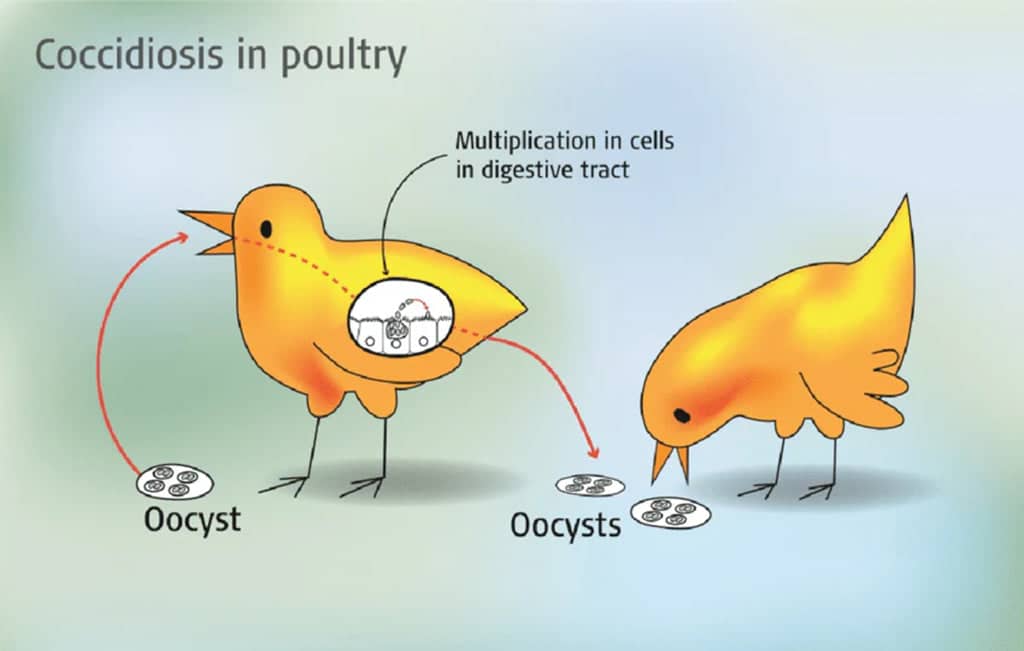
Coccidiosis spreads mainly through contact with infected droppings. Birds pick up the parasites by eating or drinking contaminated food or water.
| Transmission Method | Description |
| Fecal-Oral Route | Birds swallow coccidia oocysts from contaminated droppings. |
| Contaminated Environment | Parasites survive in litter, soil, or water and infect birds. |
| Crowding | Close contact increases chances of spreading infection. |
| Stress | Weakens bird's immune system, making infection easier. |
Symptoms In Birds
Coccidiosis is a common disease in birds caused by parasites. It affects the intestines and can make birds very sick. Recognizing symptoms early helps to treat birds faster.
Symptoms can change as the disease gets worse. Watch your birds carefully to catch signs early and prevent serious health problems.
Early Signs
At first, birds may show small changes in behavior or health. These early signs can be easy to miss but are important to notice.
- Loss of appetite
- Reduced activity or lethargy
- Droopy wings
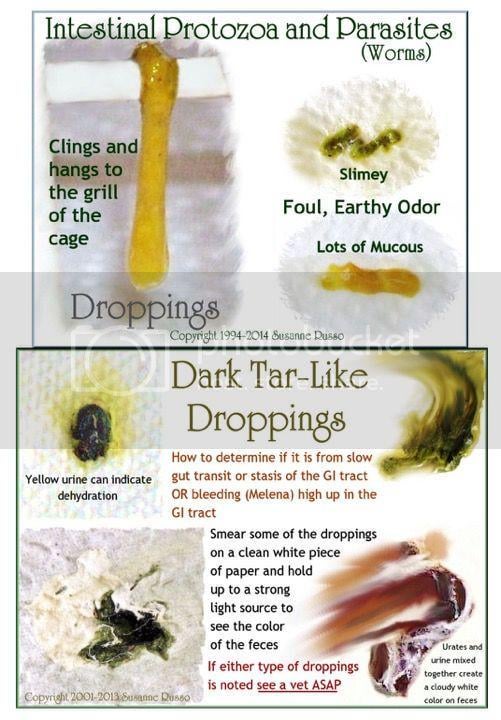
- Soft, watery droppings
- Slight weight loss
Advanced Symptoms
If coccidiosis is not treated, symptoms become more severe. Birds may show clear signs of illness that need urgent care.
| Symptom | Description |
|---|---|
| Severe diarrhea | Often bloody or very watery, indicating intestinal damage |
| Swollen abdomen | Bird’s belly looks larger due to inflammation |
| Dehydration | Dry beak and sunken eyes from fluid loss |
| Weakness or collapse | Bird may be unable to stand or move properly |
| Death | Can occur if the disease is untreated for too long |
Diagnosis Techniques
Diagnosing coccidiosis in birds requires careful observation and testing. Early diagnosis helps prevent severe illness and death.
Two main methods aid in diagnosis: laboratory tests and visual inspection. Each gives important clues about the bird’s health.
Laboratory Tests
Laboratory tests confirm the presence of coccidia parasites. They help identify the species causing the infection.
- Fecal flotation test: Detects coccidia eggs in bird droppings using a special solution.
- Microscopic examination: Identifies parasite stages in tissue or fecal samples.
- Blood tests: Check for signs of infection and immune response.
| Test Type | Purpose | Sample Needed |
| Fecal Flotation | Finds coccidia eggs | Bird droppings |
| Microscopic Exam | Detects parasite stages | Tissue or feces |
| Blood Test | Checks infection markers | Blood sample |
Visual Inspection
Visual inspection looks for symptoms and physical signs of coccidiosis in birds. It is the first step in diagnosis.
- Check for diarrhea, often watery or bloody.
- Look for weight loss and poor feather condition.
- Observe if birds show weakness or reduced activity.
- Examine the vent area for dirt or swelling.
- Notice any unusual droppings or odor.
Treatment Options
Coccidiosis in birds is a disease caused by parasites in the intestines. Treating it quickly helps birds recover and stay healthy.
There are two main ways to treat coccidiosis: using medications and giving supportive care. Both are important for a full recovery.
Medications
Medications help kill the parasites causing coccidiosis. They are usually given in water or feed. Common medicines include anticoccidial drugs like amprolium and sulfa drugs.
- Amprolium: Blocks parasite growth and stops infection.
- Sulfa drugs: Help reduce parasite numbers and inflammation.
- Ionophores: Used to prevent and treat coccidiosis.
- Follow dosage instructions carefully to avoid resistance.
Supportive Care
Supportive care helps birds stay strong while medications work. This care includes providing clean water, good food, and a clean living area.
| Supportive Care | Details |
|---|---|
| Clean Water | Fresh and unlimited water helps flush out toxins. |
| Nutritious Food | High-quality feed supports the immune system. |
| Clean Environment | Reduces parasite spread and keeps birds comfortable. |
| Rest | Limits stress and helps birds heal faster. |
Prevention Strategies
Coccidiosis is a common disease in birds caused by parasites. Preventing it protects bird health and reduces losses.
Good prevention uses clean conditions and medical care. These steps lower the risk of infection.
Sanitation Practices
Keeping bird areas clean stops coccidia from spreading. Regular cleaning removes parasite eggs from the environment.
Dry and clean bedding helps reduce parasite growth. Avoid wet and dirty places where parasites thrive.
- Clean cages and feeders daily
- Remove bird droppings often
- Use dry, fresh bedding materials
- Disinfect surfaces regularly
- Control moisture and dampness
Vaccination And Prophylaxis
Vaccines can protect birds from coccidiosis by building their immunity. Use vaccines as recommended by vets.
Prophylactic medicines help prevent infection in high-risk flocks. These drugs reduce parasite growth inside birds.
- Use vaccines suited for your bird species
- Follow vaccination schedules carefully
- Give preventive medicine in feed or water
- Consult vets before using drugs
- Monitor birds for signs of illness

Credit: www.tassiebirdandpoultrysupplies.com
Impact On Bird Health
Coccidiosis is a disease that affects the intestines of birds. It is caused by tiny parasites called coccidia. This disease can harm the bird's health in many ways.
The parasites damage the bird's gut lining. This makes it hard for birds to absorb nutrients from their food. The damage affects their overall health and well-being.
Growth And Productivity
Birds with coccidiosis often grow slower than healthy birds. The disease reduces their ability to digest food properly. This leads to poor weight gain and weak muscles.
Productivity in birds also drops. For example, egg-laying hens may produce fewer eggs. The quality of the eggs can also decline. This impacts farmers and bird owners financially.
- Reduced feed intake
- Poor nutrient absorption
- Lower body weight
- Decreased egg production
- Weaker immune system
Mortality Risks
Coccidiosis can cause death in severe cases. Young birds and chicks are at the highest risk. The parasites cause bleeding and ulcers in the intestines.
If untreated, birds may become weak and die quickly. Mortality rates can rise sharply in crowded or unsanitary conditions. Early detection and care are important to save birds.
- Severe intestinal damage
- Blood loss and dehydration
- Weakness and lethargy
- High death rates in young birds
- Rapid spread in close quarters
Coccidiosis In Different Bird Species
Coccidiosis is a common disease in birds caused by tiny parasites called coccidia. These parasites infect the intestines and cause sickness.
The disease affects many bird species, but the symptoms and severity can differ. Understanding coccidiosis in each type helps with better care and treatment.
Poultry
Poultry like chickens, turkeys, and ducks often get coccidiosis. It spreads quickly in crowded places with poor hygiene.
Birds with coccidiosis may have diarrhea, weakness, and poor growth. It can lead to death if not treated early.
- Common in young birds under stress
- Causes damage to the gut lining
- Spreads through contaminated food and water
- Controlled by good cleaning and medication
Pet Birds
Pet birds like parrots and canaries can also catch coccidiosis. It is less common but still serious in captivity.
Symptoms include weight loss, diarrhea, and a dull appearance. Stress and poor cage hygiene increase the risk.
- Mostly affects young or weak birds
- Spread by contact with infected droppings
- Prevention needs clean cages and fresh food
- Veterinary care is important for treatment
Wild Birds
Wild birds can carry coccidia without showing signs. Some species suffer more than others depending on their environment.
Coccidiosis can weaken wild birds, making them easy prey. It spreads through contaminated soil or water in nature.
- Often found in crowded nesting areas
- Can affect many species like pigeons and songbirds
- Natural cleaning of habitat helps reduce spread
- Difficult to treat wild populations directly
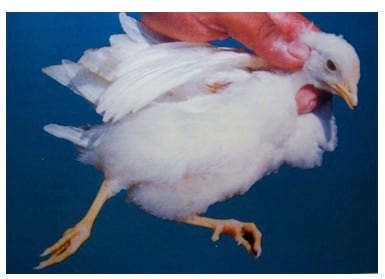
Credit: en.engormix.com
Frequently Asked Questions
What Causes Coccidiosis In Birds?
Coccidiosis in birds is caused by protozoan parasites called coccidia. These parasites infect the bird's intestinal lining, leading to illness. The disease spreads through contaminated food, water, or droppings. Poor hygiene and crowded living conditions increase the risk of infection.
What Are Common Symptoms Of Coccidiosis In Birds?
Symptoms include diarrhea, lethargy, weight loss, and decreased appetite. Birds may also show ruffled feathers and dehydration. Severe cases can cause bloody droppings and sudden death. Early detection helps prevent serious health issues.
How Is Coccidiosis Diagnosed In Birds?
Diagnosis involves examining bird droppings under a microscope to identify coccidia oocysts. Veterinarians may also assess symptoms and bird history. Laboratory tests confirm the presence and type of coccidia for accurate treatment.
Can Coccidiosis In Birds Be Treated Effectively?
Yes, coccidiosis can be treated with specific anticoccidial medications. Treatment should start promptly for best results. Supportive care, like hydration and nutrition, also helps recovery. Preventive measures reduce future outbreaks.
Conclusion
Understanding coccidiosis in birds is crucial for their health. Early detection can prevent severe problems. Regular checks and hygiene help control outbreaks. Treatment options are available if diagnosed in time. Always consult a vet for proper guidance. Protect your birds by staying informed.
Implement preventive measures to ensure their well-being. Remember, healthy birds lead to a happy environment. Stay observant and act promptly. Your birds depend on you for their care. Keep learning and adapting to safeguard them.