
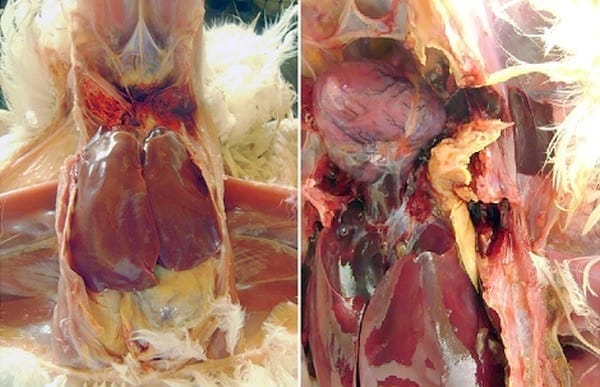
Have you ever wondered what might threaten the health of wild birds around you? If you care about birds, whether in your backyard or out in nature, understanding avian cholera is important.
This disease can spread quickly and cause serious harm to bird populations. You’ll discover what avian cholera really is, how it affects birds, and what signs you can watch for. Knowing this could help you protect your feathered friends and make a difference in your local environment.
Keep reading to learn everything you need to know about avian cholera.
Avian Cholera Basics
Avian cholera is a serious disease that affects birds. It spreads quickly and can cause many bird deaths. Understanding this disease helps protect wild and farm birds.
The disease is caused by bacteria called Pasteurella multocida. Birds catch it from water, food, or contact with sick birds. It affects many bird species worldwide.
Avian cholera comes from a type of bacteria. These bacteria live in the environment and inside infected birds. The main ways birds get sick include:
- Drinking or swimming in contaminated water
- Eating food that carries the bacteria
- Direct contact with infected birds
- Touching surfaces with bacteria
Birds with avian cholera show signs that help identify the illness. Common symptoms include:
- Weakness and tiredness
- Swelling of the face and neck
- Difficulty breathing
- Diarrhea and dehydration
- Sudden death without clear signs
Avian cholera can kill many birds fast. It often causes large outbreaks, especially in waterfowl. This disease can change bird numbers and affect ecosystems.
| Bird Species | Outbreak Risk | Mortality Rate |
| Ducks | High | Up to 90% |
| Geese | Moderate | Up to 70% |
| Gulls | High | Up to 85% |
| Shorebirds | Low | Variable |
Prevention And Control
Stopping avian cholera needs careful actions. People who care for birds can reduce disease spread by:
- Cleaning bird feeders and water sources often
- Keeping sick birds separate from healthy ones
- Removing dead birds quickly and safely
- Monitoring bird health regularly
Causes Of Avian Cholera
Avian cholera is a serious disease that affects many bird species. It spreads quickly and can cause many bird deaths.
Understanding what causes this disease helps protect birds and control outbreaks.
Bacterial Agent
Avian cholera is caused by the bacterium Pasteurella multocida. This bacteria lives in the environment and in infected birds.
The bacteria attack the bird’s body and cause severe illness or death.
Transmission Methods
- Direct contact between healthy and sick birds
- Drinking water or eating food contaminated with the bacteria
- Contact with bird droppings that contain the bacteria
- Through wounds or scratches on the bird’s skin
- Carriers like insects or rodents spreading the bacteria
Birds that gather in large groups help the bacteria spread fast.
Affected Bird Species
| Bird Species | Commonly Affected Areas |
|---|---|
| Waterfowl (ducks, geese) | Lakes, ponds, wetlands |
| Gulls and shorebirds | Coastal areas, beaches |
| Raptors (hawks, eagles) | Forests, open fields |
| Game birds (pheasants, quail) | Grasslands, farms |
Many wild and domestic birds can catch avian cholera, but waterfowl are the most at risk.
Symptoms In Birds
Avian cholera is a contagious disease that affects many bird species. It spreads quickly and can cause severe illness. Recognizing symptoms early helps protect bird populations.
Birds show different signs as the disease progresses. Some symptoms appear soon after infection. Others develop as the illness worsens. Changes in behavior also occur.
Early Signs
Infected birds may show mild symptoms first. These signs often include:
- Drooping wings
- Ruffled feathers
- Weakness or lethargy
- Loss of appetite
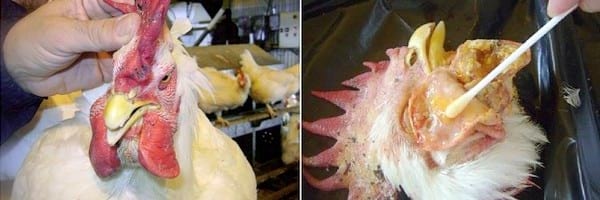
- Swollen eyes or eyelids
Advanced Symptoms
As the disease worsens, birds show more serious symptoms. These include:
| Symptom | Description |
| Diarrhea | Loose, watery droppings |
| Respiratory distress | Difficulty breathing or gasping |
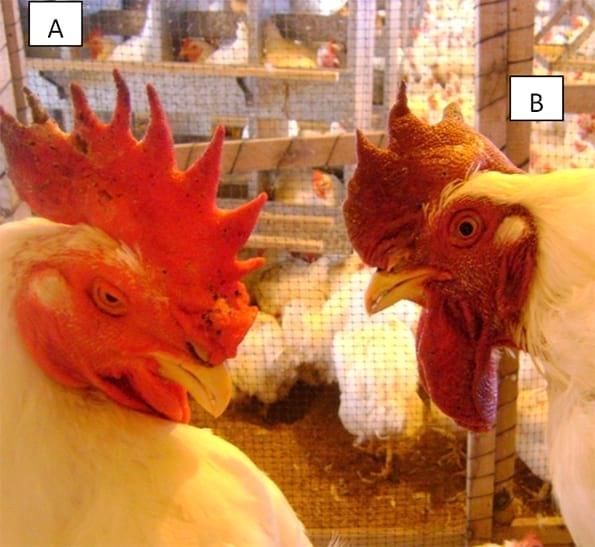
| Swollen wattles | Enlarged red areas on the head |
| Sudden death | Birds may die quickly without warning |
Behavioral Changes
Behavior often changes as birds become ill. These behaviors include:
- Isolation from the flock
- Reduced movement or activity
- Unusual vocal sounds
- Difficulty standing or flying
Credit: en.engormix.com
Impact On Bird Populations
Avian cholera is a disease that affects many wild bird species. It spreads quickly and can cause large outbreaks. These outbreaks have a strong effect on bird groups and their habitats.
Understanding how avian cholera changes bird populations helps protect wildlife. This section explains the key impacts on birds and the environment.
Mortality Rates
Avian cholera causes high death rates in affected bird species. Some outbreaks kill over half of the local birds. Waterfowl like ducks and geese often suffer the most.
- Death can occur within days of infection.
- Large bird groups can lose many members quickly.
- Young and weak birds are most vulnerable.
- Repeated outbreaks reduce population numbers over time.
Ecosystem Effects
Avian cholera changes how ecosystems work by lowering bird numbers. Birds play key roles in food webs and seed spreading. Losing many birds can disrupt these functions.
| Effect | Description |
|---|---|
| Food Chain Impact | Fewer birds affect predators and prey balance. |
| Seed Dispersal | Birds help plants grow by spreading seeds less often. |
| Water Quality | Dead birds can pollute water, harming other animals. |
| Habitat Change | Bird loss alters plant growth and insect control. |
Prevention Strategies
Avian cholera is a disease that affects many bird species. Preventing it helps protect wild and domestic birds.
There are several ways to reduce the risk of avian cholera spreading. These include cleaning, managing habitats, and vaccination.
Sanitation Practices
Cleaning areas where birds live or gather lowers the chance of infection. Remove bird droppings and old food regularly.
Disinfect water containers and feeding spots to kill harmful bacteria. Use safe cleaning products that do not harm birds.
- Clean bird feeders and baths weekly
- Remove dead birds quickly and safely
- Use disinfectants approved for wildlife areas
Habitat Management
Changing habitats can help reduce disease spread. Avoid overcrowding birds in small areas.
Improve water flow in wetlands to prevent stagnant water. Stagnant water allows bacteria to grow and spread easily.
- Keep water fresh and moving
- Limit bird crowding in feeding areas
- Remove trash and debris from bird habitats
Vaccination Efforts
Vaccines can protect some bird species from avian cholera. Vaccination is useful in farms and wildlife reserves.
Work with veterinarians to plan and give vaccines safely. Vaccines help reduce outbreaks and bird deaths.
- Vaccinate domestic poultry regularly
- Target high-risk wild bird populations
- Monitor vaccine effectiveness over time
Credit: en.engormix.com
Response To Outbreaks
Avian cholera is a disease that affects wild and domestic birds. It can spread quickly and cause many bird deaths. Rapid response is important to control outbreaks and protect bird populations.
Effective responses involve careful monitoring and reporting of cases. Containment measures help limit the disease’s spread to other birds and areas.
Monitoring And Reporting
Monitoring means watching bird populations for signs of illness or death. Reporting involves informing wildlife or health authorities about outbreaks. This helps track the disease and plan actions.
Early detection is key. It allows quick steps to reduce the impact on birds and stop further spread.
- Check waterfowl and shorebirds regularly
- Report unusual bird deaths to local agencies
- Keep records of affected areas and species
- Use testing to confirm Avian cholera cases
Containment Measures
Containment measures help stop Avian cholera from spreading. They focus on cleaning, limiting bird contact, and controlling the environment.
These actions reduce the risk of new infections and protect healthy birds nearby.
- Remove and safely dispose of dead birds
- Clean and disinfect feeding and resting areas
- Limit access to water sources for birds
- Control bird gatherings in affected zones
- Educate the public about avoiding contact with sick birds
Credit: en.engormix.com
Frequently Asked Questions
What Is Avian Cholera And How Does It Spread?
Avian Cholera is a contagious bacterial disease affecting birds. It spreads through contaminated water, food, or direct contact with infected birds. The disease can cause rapid death in wild and domestic bird populations.
Which Birds Are Most Affected By Avian Cholera?
Waterfowl like ducks, geese, and swans are most vulnerable. However, other bird species can also be infected. Outbreaks often occur in crowded or wet environments where bacteria thrive.
What Are The Common Symptoms Of Avian Cholera?
Symptoms include sudden death, lethargy, swollen wattles, and diarrhea. Birds may also show difficulty breathing and weakness. Often, death occurs quickly, sometimes without visible symptoms.
How Can Avian Cholera Outbreaks Be Prevented?
Prevention involves good sanitation, controlling bird populations, and avoiding contaminated water. Wildlife managers may also use vaccines in domestic flocks to reduce outbreaks. Monitoring and early detection are key to control.
Conclusion
Avian cholera poses a significant threat to bird populations worldwide. Understanding its causes and symptoms is crucial. Early detection can help manage outbreaks effectively. Protecting bird habitats and promoting awareness are key. Regular monitoring and research can aid in prevention.
Individuals can contribute by reporting sick or dead birds. Working together can help preserve avian biodiversity. It’s vital to stay informed and act responsibly. Take steps to prevent this disease from spreading. Support conservation efforts to safeguard our feathered friends.
Small actions can make a big difference in combating avian cholera.



