Have you ever wondered why some birds seem to be experts at digging up worms while others don’t? The secret lies in their beaks.
Your curiosity about which bird beak is best suited for eating worms can reveal fascinating insights into nature’s design. By understanding the shape and function of these beaks, you’ll see how birds adapt perfectly to their favorite meals. Keep reading, and you’ll discover how form meets function in the world of birds—and why this matters more than you might think.
Bird Beak Types
Birds have different beak shapes. Each shape helps them eat specific foods. Worms need a special type of beak.
Understanding bird beak types shows which is best for eating worms. Some beaks are short and pointed. Others are long or curved.
Short And Pointed Beaks
Short and pointed beaks help birds pick worms from the ground. They can poke and grab small prey easily.
- Good for quick snatching
- Works well in soft soil
- Allows precise movements
Long And Thin Beaks
Long and thin beaks reach deep into narrow holes. This helps birds pull worms out of tight spaces.
| Beak Type | Use |
| Long and Thin | Reaching deep soil or holes |
| Short and Pointed | Picking worms on surface |
| Curved | Grabbing slippery prey |
| Strong and Thick | Cracking hard shells |
Curved Beaks
Curved beaks help birds hold and twist worms. The curve stops worms from slipping away.
Curved beaks are common in birds that need a strong grip. This shape works well for slippery foods like worms.
Strong And Thick Beaks
Strong and thick beaks break tough food. These are not best for eating worms. Worms are soft and need gentle handling.
Worm-eating Birds
Many birds rely on worms as a major part of their diet. Worms provide essential nutrients and energy. Birds have special beaks to find and eat worms effectively.
This article looks at common worm hunters and how their beaks suit a worm diet. Understanding beak shapes helps explain how birds catch worms.
Common Worm Hunters
Several birds are well known for eating worms. These birds use their beaks to dig or probe soft soil to find worms hidden underground.
- American Robin: Uses sharp, pointed beak to pull worms from the ground.
- Woodcock: Has a long, slender beak that probes deep in mud and soil.
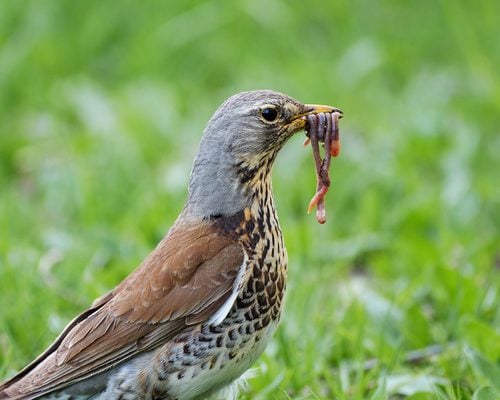
- Song Thrush: Uses a strong, slightly curved beak for catching worms and insects.
- Starlings: Probe soil and leaf litter with a straight, pointed beak.
- Worm-eating Warbler: Has a thin, pointed beak perfect for grabbing small worms.
Beak Adaptations For Worm Diets
Birds that eat worms have special beak features. These adaptations help them find, grab, and eat worms quickly and easily.
| Beak Feature | Purpose | Example Bird |
| Long and slender | Probes deep into soil and mud | Woodcock |
| Sharp and pointed | Grabs and pulls worms from ground | American Robin |
| Slightly curved | Holds slippery worms securely | Song Thrush |
| Thin and delicate | Snatches small worms and insects | Worm-eating Warbler |
Beak Features Ideal For Worms
Birds that eat worms have special beak traits. These traits help them find and catch worms easily. The shape, size, and feel of the beak are very important.
This guide explains the key features of bird beaks that make eating worms easier and more effective.
Shape And Size
Birds that eat worms usually have long, thin beaks. These beaks help them dig into the soil or leaf litter to reach worms. The size is just right to pick up worms without hurting them.
- Long and slender shape for probing
- Pointed tip to pierce soil
- Moderate size to hold worms firmly
Sensitivity And Tactile Ability
Some birds have beaks that can sense small movements. This helps them find worms under the dirt even if they cannot see them. The beak’s nerves send signals to the bird’s brain about what it touches.
| Feature | Benefit |
| Touch-sensitive tips | Detect worm movements underground |
| Fine nerve endings | Identify worm size and texture |
| Flexible beak tips | Adjust grip on moving worms |
Strength And Dexterity
Strong beaks help birds pull worms out of the soil. Dexterous movement allows them to twist and hold the worm tightly. This stops the worm from escaping.
- Strong muscles control the beak
- Beak tips work like fingers to hold worms
- Quick movements help catch fast worms

Credit: www.willyswilderness.org
Comparing Beak Efficiency
Birds that eat worms rely on their beaks to find and catch their food. Different beak shapes work better for different tasks. Understanding these can show which beak suits worm eating best.
We will look at probing ability, how birds grip and pull worms, and how beaks handle soil types. This helps compare beak efficiency for eating worms.
Probing Ability
Probing means poking the beak into soil to find worms. Long, slender beaks reach deeper into the ground. Short, thick beaks may not probe as well but can dig in soft soil.
- Long beaks reach deep soil layers
- Thin beaks feel worms better by touch
- Strong beaks can break hard soil crust
Gripping And Extracting Worms
After finding a worm, birds must hold it tight. Beaks that close firmly without hurting the worm work best. Sharp tips help grab slippery worms quickly.
| Beak Type | Grip Strength | Ease of Extraction |
| Long and Thin | Medium | High |
| Short and Strong | High | Medium |
| Curved and Sharp | High | High |
Handling Soft Vs. Hard Soil
Soft soil lets birds dig easily, so sharp, pointed beaks work well. Hard soil needs stronger beaks that can push and break the earth.
Beak types in different soils:
- Soft soil:Thin and pointed beaks for precise digging
- Hard soil:Thick and strong beaks for forceful digging
- Mixed soil:Medium beaks that balance strength and precision
Evolutionary Adaptations
Birds have different beak shapes to help them eat their food. Eating worms needs a special kind of beak. This is because worms live underground and are soft to catch.
Over time, birds changed their beaks to fit their food. These changes help birds survive and find food easily. This process is called evolutionary adaptation.
Natural Selection And Beak Shape
Natural selection helps birds with the best beaks survive. Birds with beaks good for catching worms get more food. They stay healthy and have more babies.
Beaks that are thin and pointed work best for eating worms. These beaks can dig into soft soil and grab worms quickly. Birds without this beak shape may struggle to eat worms.
- Thin beaks reach into narrow holes
- Pointed tips help catch slippery worms
- Strong but light beaks allow quick movement
Environmental Influences
The environment affects which beak shapes work best. Wet soil or muddy areas make it easier to find worms. Birds in these places develop beaks to dig well.
Dry or hard soil needs stronger beaks. Birds living where worms are deep underground have longer beaks. These beaks help them reach worms hidden deep in the earth.
- Soft soil favors thin, sharp beaks
- Hard soil favors longer, stronger beaks
- Birds adapt beak size based on worm location
Examples Of Birds With Worm-friendly Beaks
Birds that eat worms have special beaks to help them catch their prey. These beaks are shaped to dig into the soil or leaf litter. They help the birds find and grab worms easily.
This guide shows three birds with beaks made for eating worms. Each bird uses its beak in a unique way to catch worms and other insects.
American Robin
The American Robin has a long and slender beak. It uses this beak to pull worms from the ground quickly. The beak is strong enough to dig but also delicate enough to catch small prey.
Robins often tilt their heads to see worms under the soil. Their beaks help them grab worms without breaking them.
Woodcock
The Woodcock has a very long and flexible beak. It uses this beak to probe deep into soft soil. The tip of the beak can open slightly to grab worms underground.
- Long, slender shape to reach deep soil
- Flexible tip for grabbing prey
- Strong enough to push through dirt
This special beak helps the Woodcock find worms hidden deep beneath the surface.
Worm-eating Warbler
The Worm-Eating Warbler has a thin and pointed beak. It is perfect for picking small worms and insects from leaves and bark. The beak is sharp to catch fast-moving prey.
| Feature | Benefit for Eating Worms |
| Thin shape | Reaches into tight spaces |
| Pointed tip | Grabs small prey quickly |
| Lightweight | Allows fast and precise movements |
How Birds Use Their Beaks To Find Worms
Birds use their beaks in special ways to find worms in the soil. Their beaks help them sense and grab worms hidden underground.
Different birds have different beak shapes. These shapes help them pick up worms quickly and easily.
Tactile Foraging Techniques
Some birds feel for worms with the tips of their beaks. They use touch to find worms moving underground.
These birds have sensitive beak tips that detect tiny movements. This helps them catch worms even when they cannot see them.
- Beaks are long and thin for reaching deep soil
- Sensitive nerve endings send signals to the brain
- Birds tap or probe the soil to find worms
Visual Cues And Soil Disturbance
Other birds watch for signs on the soil surface. They look for worm holes or disturbed earth to find food.
These birds have shorter, stronger beaks to dig and pull worms out once they spot them.
- Birds watch for fresh holes or soil mounds
- Quick pecks or digs bring worms to the surface
- Beaks help move soil aside to reach hidden worms

Credit: victoriaadvocate.com

Credit: www.shutterstock.com
Frequently Asked Questions
What Type Of Bird Beak Is Best For Eating Worms?
Birds with slender, pointed beaks are best for eating worms. This shape allows them to probe soil and extract worms easily. Examples include robins and thrushes, which use their sharp beaks to catch worms underground efficiently.
Why Do Some Birds Have Long Beaks For Worms?
Long beaks help birds reach deep into soil or narrow spaces. This adaptation is ideal for worm-eating birds to access hidden worms. It improves their ability to forage in various environments where worms live.
How Does Beak Shape Affect A Bird’s Diet?
Beak shape directly influences the bird’s feeding habits. Birds with pointed beaks eat insects and worms, while others have different beaks for seeds or fish. This specialization helps birds thrive in their specific ecological niches.
Can All Birds Eat Worms With Any Beak Type?
No, not all birds can eat worms effectively. Birds need specific beak shapes, like slender or pointed beaks, to catch and handle worms. Birds with thick or blunt beaks are less suited for worm-eating.
Conclusion
Bird beaks vary greatly in shape and function. Birds with thin, pointed beaks excel at worm hunting. Their sharp beaks easily pierce the soil. They pull worms out with precision. Adaptation plays a key role here. Birds evolve to meet their dietary needs.
Observing nature reveals fascinating details. Birds show us evolution in action. Understanding bird beaks offers insights into their lives. Nature’s design is truly remarkable. Each beak serves a unique purpose. Worm-eating birds demonstrate this perfectly. Appreciate the diversity in bird species.
Their adaptations highlight the wonders of nature.