
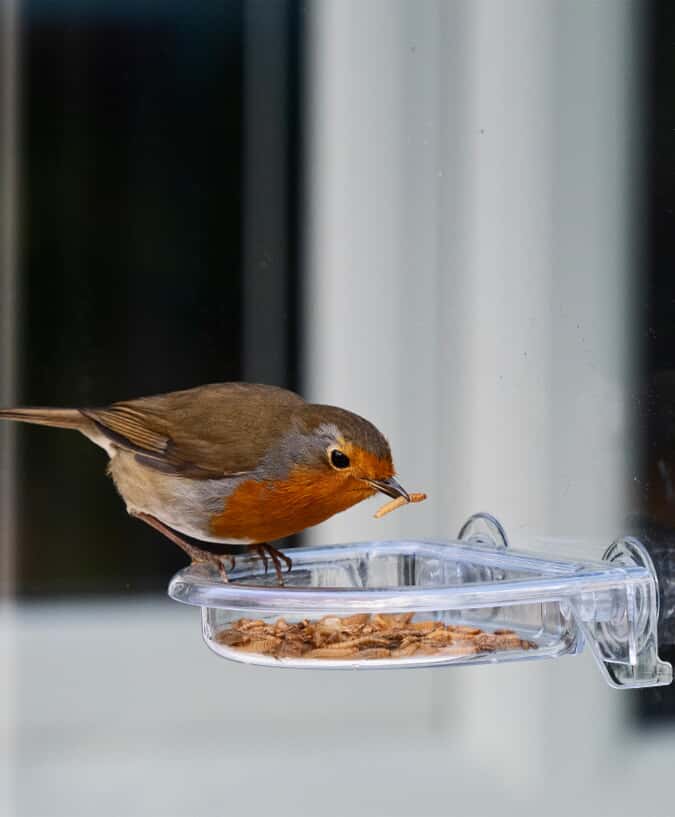
Have you ever wondered, Can Mealworms Live in Bird Feeder in the Sun? You want to attract more birds, and mealworms seem like the perfect treat.
But is leaving them exposed to heat the right choice? Understanding how mealworms react to sunlight and warmth can save you time, money, and help keep your feathered visitors happy. Keep reading to find out what happens to mealworms in sunny bird feeders—and how to give your birds the best experience possible.
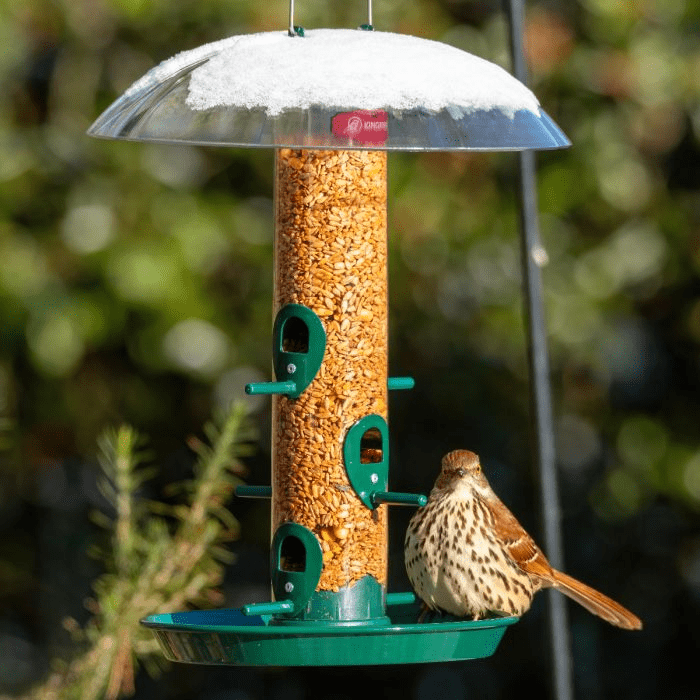
Credit: www.kingsyard.com
Mealworm Habitat Needs
Mealworms are the larvae of darkling beetles. They need the right conditions to live and grow well.
Understanding their habitat needs helps keep mealworms healthy, especially if placed in a bird feeder in the sun.
Temperature Preferences
Mealworms prefer warm but not hot temperatures. They grow best between 70°F and 80°F (21°C to 27°C).
Too much sun can raise the temperature inside a bird feeder, making it too hot for mealworms.
- Ideal temperature range: 70°F to 80°F (21°C to 27°C)
- Above 85°F (29°C) can stress or kill mealworms
- Below 50°F (10°C) slows their growth
Moisture Requirements
Mealworms need some moisture to survive but not too much. Too wet environments can cause mold and harm them.
They get moisture from fresh vegetables like carrots or potatoes placed inside their habitat.
- Keep bedding dry to avoid mold
- Add small pieces of vegetables for moisture
- Remove vegetables before they rot
Shelter Importance
Mealworms need shelter from direct sun and predators. A bird feeder in the sun may not provide enough shade.
Providing hiding spots like cardboard or straw helps mealworms feel safe and reduces stress.
- Use dry bedding like oats or bran for shelter
- Place hiding materials inside the feeder
- Ensure the feeder shields from strong sunlight

Credit: www.amazon.com
Impact Of Sun Exposure
Mealworms are often kept as food for birds and pets. Placing them in a bird feeder under the sun can affect their health. Sunlight and heat change their living conditions.
Understanding how sun exposure impacts mealworms helps keep them safe. This guide looks at heat stress, direct sunlight effects, and survival rates.
Heat Stress On Mealworms
Mealworms cannot handle high heat well. When temperatures rise, they lose moisture quickly. This causes stress and lowers their energy.
- Heat makes mealworms less active.
- They dry out faster in warm conditions.
- Stress from heat weakens their immune system.
Effects Of Direct Sunlight
Direct sunlight can harm mealworms beyond heat. UV rays damage their skin and cause dehydration. Bright light also disturbs their normal behavior.
| Effect | Description |
|---|---|
| UV Damage | Sunlight breaks down outer layer of mealworms. |
| Dehydration | Sun dries out mealworms quickly. |
| Behavior Change | Mealworms hide or stop moving in bright light. |
Survival Rates In Sunny Conditions
Mealworms survive less in sunny areas. Their lifespan shortens if they stay long in the sun. Shade and moisture increase their survival chances.
- Mealworms live longest in cool, dark places.
- Exposure over 4 hours in sun reduces survival.
- Regular water supply helps if sun exposure occurs.
- Bird feeders should have shaded spots for mealworms.
Bird Feeder Suitability
Mealworms can be a good food source for birds. Putting them in a feeder is common. But the sun can cause problems for mealworms.
It is important to choose the right feeder and place it carefully. This helps keep mealworms safe and fresh.
Designs That Protect Mealworms
Some feeders are made to shield mealworms from direct sunlight. These designs help stop mealworms from getting too hot or drying out.
Look for feeders with covers or shaded areas. These parts keep the mealworms cooler and safe from birds that might eat them too fast.
- Feeders with a roof or lid
- Covered trays that block the sun
- Deep containers to hold mealworms safely
Material Considerations
The material of the bird feeder affects how hot it gets in the sun. Some materials keep the feeder cooler than others.
Plastic feeders may heat up fast under sunlight. Metal feeders can also get very hot. Wood feeders often stay cooler and are better for mealworms.
- Wood: stays cooler, natural look
- Plastic: can heat up quickly
- Metal: heats fast but durable
Placement Tips
Where you put the feeder matters a lot. Mealworms should not sit in direct sun all day. Find spots with some shade.
Try placing feeders under trees or near buildings. This gives shade and helps keep mealworms alive longer. Also, avoid windy spots that dry out mealworms.
- Place feeder in partial shade
- Use natural covers like trees
- Avoid full sun exposure all day
- Keep away from strong winds
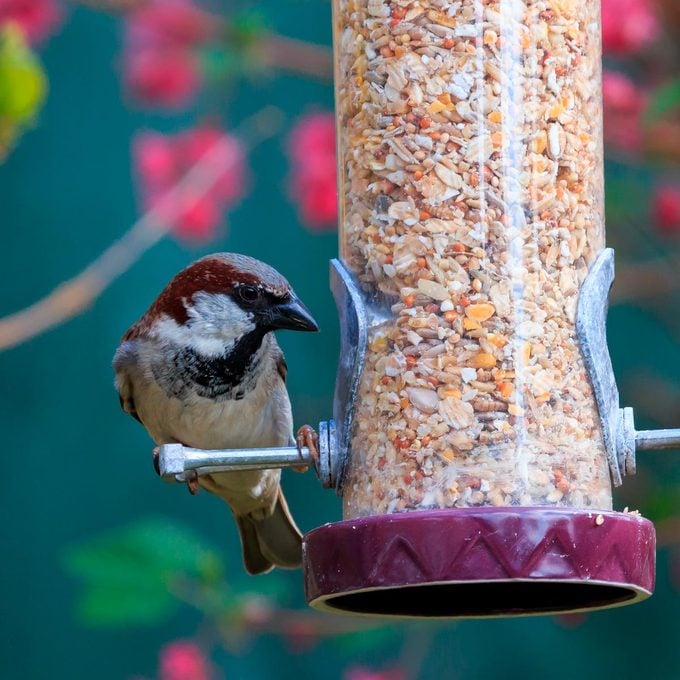
Credit: www.familyhandyman.com
Expert Care Recommendations
Mealworms can live in a bird feeder placed in the sun, but they need proper care. Sunlight and heat affect their survival and health. Knowing how to care for mealworms helps keep them active and safe.
This guide covers feeding, humidity, and mistakes to avoid. Follow these tips for healthy mealworms in your bird feeder.
Optimal Feeding Practices
Mealworms need a balanced diet to stay healthy. Feeding them correctly supports growth and keeps them lively.
- Use fresh vegetables like carrots or potatoes for moisture.
- Provide dry grains or bran for nutrition.
- Remove old or moldy food quickly to prevent harm.
- Feed small amounts daily to avoid waste.
Maintaining Humidity Levels
Humidity is key for mealworms in sunny spots. Too much sun dries them out fast. Keep humidity right to avoid stress or death.
| Humidity Level | Effect on Mealworms |
|---|---|
| Too Low (<40%) | Mealworms dry out and die |
| Ideal (50%-70%) | Healthy growth and activity |
| Too High (>80%) | Risk of mold and illness |
Avoiding Common Mistakes
Many errors harm mealworms when kept in bird feeders under the sun. Avoid these to ensure their well-being.
- Do not expose mealworms to direct sunlight all day.
- Avoid overcrowding inside the feeder.
- Never use chemicals or pesticides near the feeder.
- Keep the feeder clean to prevent disease.
Alternative Mealworm Housing
Mealworms do not do well in direct sunlight. Keeping them in a bird feeder in the sun can cause heat stress. It is better to use other housing options to keep them safe and healthy.
Alternative homes help control temperature and humidity. These options keep mealworms cool and comfortable.
Indoor Containers
Indoor containers are a great way to keep mealworms safe from the sun. Use plastic or glass containers with air holes. These containers keep mealworms at a stable temperature.
Place containers in a cool, dry spot inside your home. Avoid areas with strong heat or direct light.
- Plastic bins with small air holes
- Glass jars with ventilated lids
- Stackable containers for space saving
Shaded Outdoor Options
Shaded outdoor spots protect mealworms from sun heat. Use shaded areas like under trees or covered patios. These places stay cooler than open spaces.
Keep mealworms in containers that block direct sunlight. This prevents overheating and dryness.
- Use buckets with lids in shaded areas
- Place feeders under birdhouses or eaves
- Cover containers with breathable cloth for shade
Diy Mealworm Habitats
You can build simple habitats to keep mealworms safe outside. Use materials like wood or plastic with good ventilation. Add shade to control temperature.
Creating a DIY habitat lets you customize space and protection. This helps mealworms live longer and stay healthy.
- Wooden boxes with screened windows
- Plastic containers with mesh tops
- Add a removable shade cover or roof
- Include bedding like oats or bran inside
Frequently Asked Questions
Can Mealworms Survive In A Sunny Bird Feeder?
Mealworms can survive in a bird feeder under sunlight but only for short periods. Prolonged sun exposure can dry them out and reduce their lifespan. It is best to place the feeder in a shaded or partially shaded area to keep mealworms healthy and appealing to birds.
How Does Sun Exposure Affect Mealworm Health?
Sunlight causes mealworms to lose moisture quickly, leading to dehydration and death. High temperatures from direct sun can stress mealworms and reduce their activity. Keeping mealworms out of direct sunlight helps maintain their hydration and prolongs their survival in bird feeders.
Is It Safe To Leave Mealworms In The Sun All Day?
Leaving mealworms in the sun all day is not safe. Heat and dryness can kill them rapidly. For optimal health, mealworms need cool and moist conditions. Use shaded feeders or move feeders during peak sunlight to protect mealworms from harsh conditions.
What Is The Best Location For A Mealworm Bird Feeder?
The best location for a mealworm bird feeder is a shaded or partially shaded area. This placement protects mealworms from extreme heat and sun damage. It also attracts more birds by keeping the mealworms fresh and edible for longer periods.
Conclusion
Mealworms can survive in bird feeders exposed to the sun. But consider the temperature. High heat can harm them. Keep the feeder shaded. This helps maintain a cooler environment. Birds benefit from fresh, lively mealworms. Check the feeder regularly. Remove any spoiled mealworms.
This keeps the feeder clean and healthy. Happy birds mean a lively garden. Mealworms offer a nutritious treat. They attract a variety of birds. Enjoy watching these visitors thrive. A simple way to support local wildlife. Keep your bird feeder in good condition.
Your feathered friends will thank you.



