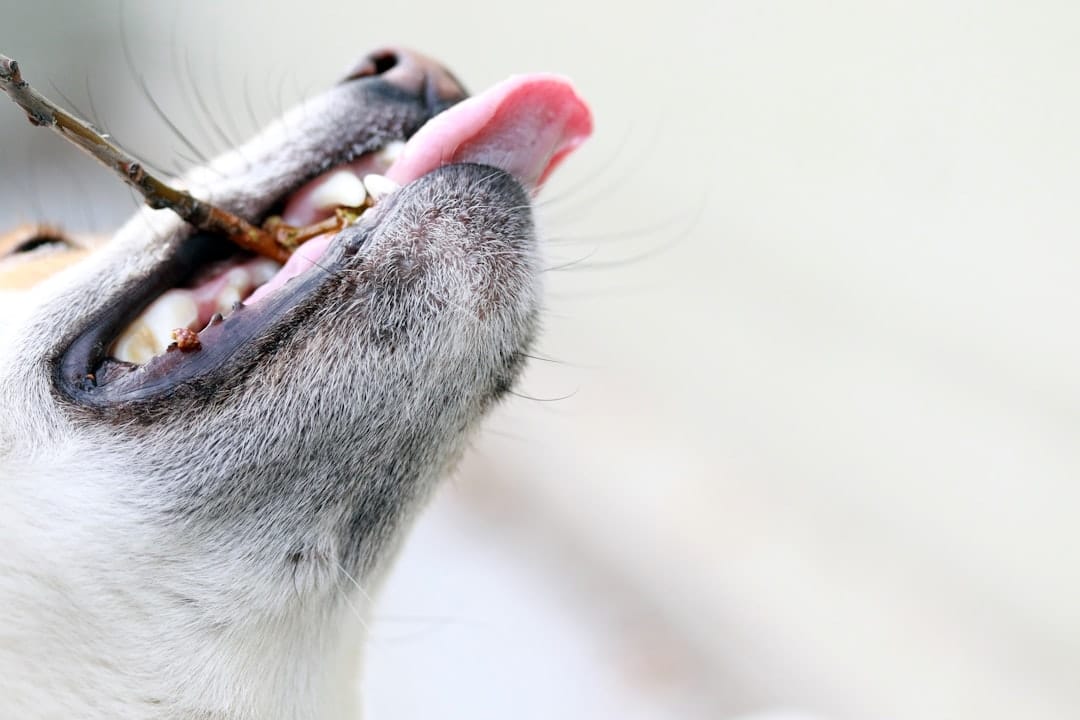
You love your dog and want to keep them safe, right? So, what happens when you catch them munching on bird seed?
It’s natural to wonder, “Is it safe for dogs to eat bird seed? ” You might be surprised by what’s really in that mix and how it could affect your furry friend. Keep reading to find out what you need to know to protect your dog and keep them healthy.
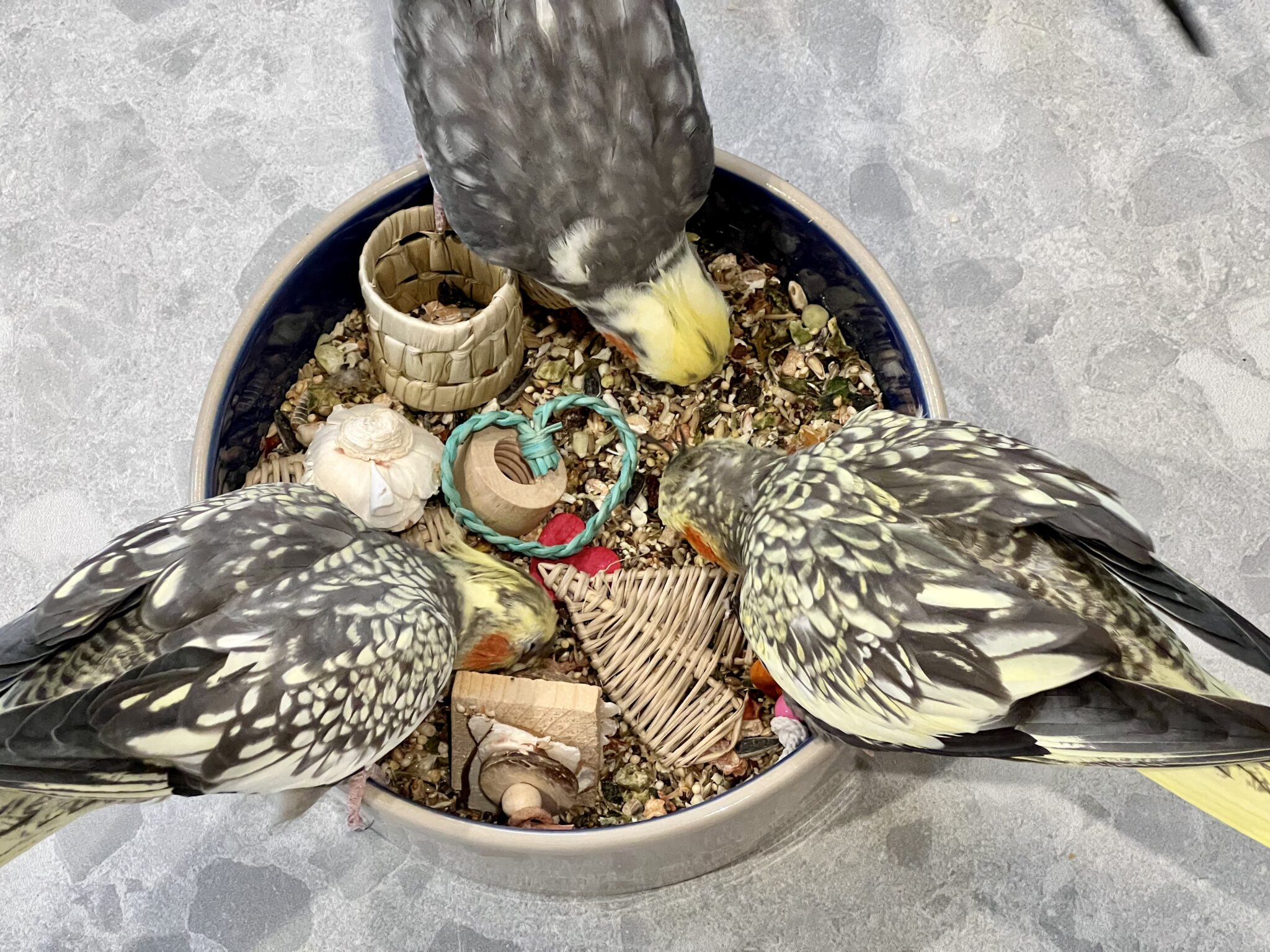
Credit: freerangeparrots.org
Can Dogs Eat Bird Seed?
Many pet owners wonder if bird seed is safe for dogs. Bird seed is made for birds, not dogs. It is important to know what ingredients it contains.
Some dogs may try to eat bird seed if they find it on the ground. Knowing the risks helps keep your dog safe.
Common Ingredients In Bird Seed
Bird seed mixes contain many types of seeds and nuts. These ingredients vary by brand and bird type.
- Sunflower seeds
- Safflower seeds
- Millet
- Cracked corn
- Peanuts
- Nyjer (thistle) seeds
Potential Risks For Dogs
Bird seed can cause problems for dogs if eaten in large amounts. Some ingredients may upset your dog’s stomach.
| Risk | Description |
| Choking | Seeds and nuts can block the throat or digestive tract. |
| Digestive upset | Seeds may cause vomiting or diarrhea in dogs. |
| Allergic reactions | Some dogs may be allergic to peanuts or seeds. |
| Toxic mold | Old or damp bird seed can grow mold harmful to dogs. |
Toxic Ingredients To Watch For
Bird seed may seem harmless, but some ingredients can hurt your dog. It’s important to know what to avoid.
Some seeds and additives in bird seed can cause sickness or allergic reactions in dogs. Learn about the risks below.
Seeds That May Harm Dogs
Certain seeds in bird seed mixes can be toxic or hard for dogs to digest. Avoid these seeds to keep your pet safe.
- Sunflower seeds:Usually safe, but shells can cause choking or stomach upset.
- Millet:May cause allergic reactions in some dogs.
- Safflower seeds:Can be toxic if eaten in large amounts.
- Canary seeds:Sometimes treated with chemicals harmful to dogs.
- Flax seeds:May cause diarrhea if given in excess.
Additives And Preservatives
Bird seed often contains additives to keep it fresh or improve taste. Some additives can be harmful to dogs.
| Additive | Possible Harm |
| Salt | Can cause dehydration and sodium poisoning in dogs |
| Mold inhibitors | May cause vomiting or allergic reactions |
| Artificial colors | Some dogs may have allergies or sensitivities |
| Pesticide residues | Toxic and can damage internal organs |
| Sugar or sweeteners | Can lead to obesity and dental problems |
What Happens If Dogs Eat Bird Seed?
Dogs may sometimes eat bird seed out of curiosity or hunger. Bird seed is not made for dogs, so it can cause some health issues. The effects depend on the type and amount of seed eaten.
Some bird seeds contain ingredients that dogs cannot digest well. Eating large amounts may lead to stomach upset or other problems.
Possible Symptoms
After eating bird seed, dogs might show different symptoms. Watch for signs that could mean your dog is unwell.
- Vomiting or nausea
- Diarrhea or loose stools
- Loss of appetite
- Abdominal pain or bloating
- Lethargy or weakness
- Choking or coughing if seeds get stuck
When To Seek Veterinary Help
If your dog shows severe symptoms, you should contact a vet right away. Some signs mean urgent care is needed.
| Symptom | Action to Take |
| Repeated vomiting | Call the vet immediately |
| Severe diarrhea lasting more than 24 hours | Visit your vet |
| Difficulty breathing or choking | Seek emergency care |
| Weakness or collapse | Urgent veterinary help needed |
| Mild symptoms | Monitor and keep dog hydrated |
Safe Alternatives For Dogs
Bird seed can contain ingredients unsafe for dogs. Some seeds may cause stomach upset or allergies. Choosing safe treats helps keep dogs healthy.
There are many dog-friendly seeds and snacks that provide nutrition without risk. These alternatives offer good flavors and benefits for your pet.
Dog-friendly Seeds And Treats
Some seeds are safe and healthy for dogs to eat. Pumpkin seeds and flaxseeds are good choices. They offer vitamins and healthy fats.
- Pumpkin seeds: Rich in zinc and fiber
- Flaxseeds: Source of omega-3 fatty acids
- Sunflower seeds (unsalted): Contain vitamin E
- Chia seeds: High in antioxidants and fiber
Always serve seeds plain and in small amounts. Avoid salted or flavored seeds to protect your dog’s health.
Healthy Snack Ideas
Healthy snacks can keep your dog happy and nourished. Fresh fruits and vegetables are great options. They add vitamins and fiber.
| Snack | Benefits | Serving Tips |
|---|---|---|
| Carrot sticks | Low calorie, good for teeth | Cut into small pieces |
| Apple slices | Vitamin C and fiber | Remove seeds and core |
| Green beans | Low calorie, rich in fiber | Serve steamed or raw |
| Blueberries | Antioxidants and vitamins | Offer fresh or frozen |
Preventing Accidental Consumption
Bird seed is not meant for dogs. Eating it can upset their stomach or cause other problems. Dogs may find bird seed tasty and eat it by accident.
Keeping bird seed away from dogs is important. This helps avoid health risks and keeps your pets safe.
Storage Tips For Bird Seed
Store bird seed in a place dogs cannot reach. Use containers with tight lids to keep the seed fresh and secure.
Keep bird seed off the floor and away from doorways. This helps stop dogs from finding and eating it.
- Use sealed plastic or metal containers
- Store containers on high shelves or in locked cabinets
- Keep bird seed away from areas where dogs play or eat
- Clean up spilled seed quickly to avoid attracting dogs
Training Dogs To Avoid Bird Feeders
Teach your dog to stay away from bird feeders. Training helps protect both birds and your dog.
Use clear commands and rewards to encourage your dog to ignore bird feeders. Consistency is key for good behavior.
- Use “leave it” or “stay” commands near feeders
- Reward your dog with treats when it ignores bird seed
- Supervise your dog when outside near feeders
- Redirect your dog’s attention with toys or walks

Credit: www.amazon.com

Credit: shootingsportsman.com
Frequently Asked Questions
Can Dogs Safely Eat Bird Seed Occasionally?
Yes, small amounts of bird seed are generally non-toxic to dogs. However, bird seed lacks essential nutrients for dogs and may cause digestive upset if eaten in large quantities. Always monitor your dog and consult a vet if they consume bird seed frequently.
What Are The Risks Of Dogs Eating Bird Seed?
Bird seed may contain mold or harmful bacteria that can upset your dog’s stomach. Some seeds, like sunflower seeds, are safe in moderation. However, additives or coated seeds can be toxic. Watch for vomiting, diarrhea, or lethargy after ingestion.
Is Bird Seed Nutritious For Dogs?
Bird seed is not nutritionally balanced for dogs. It lacks the proteins and vitamins dogs need. Feeding bird seed regularly is not recommended, as it may lead to nutritional deficiencies or digestive problems.
How To Prevent Dogs From Eating Bird Seed?
Keep bird feeders and seed bags out of your dog’s reach. Train your dog to avoid bird seed areas. Provide safe, dog-friendly treats to discourage interest in bird seed.
Conclusion
Dogs and bird seed aren’t a perfect match. Some seeds can upset their stomachs. Certain seeds may even pose choking risks. Always keep bird seed out of reach. Choose dog-friendly treats instead. Safe options ensure your dog’s health. Stay informed about your pet’s diet.
Consult a vet for specific advice. Your dog’s safety is important. Healthy choices lead to happy pets. Be cautious and attentive. Your furry friend’s well-being comes first. Remember, prevention is key. Keep your dog safe and healthy. Enjoy peace of mind with informed decisions.
Prioritize your pet’s needs always.