If you care about your bird’s health and happiness, understanding What are Grain Products in Bird Food is key. Grain products are a big part of many bird diets, but do you really know what they are or why they matter?
Knowing this can help you choose the best food for your feathered friend, keeping them energetic and thriving. Keep reading to discover exactly What are Grain Products in Bird Food and how they impact your bird’s well-being.

Credit: silverhomestead.com
Types Of Grain Products
Grain products are a key part of bird food. They provide energy and important nutrients. Birds enjoy many kinds of grains in their diet.
Different grain products serve different needs. Some are whole and natural. Others are processed for easier digestion or longer shelf life.
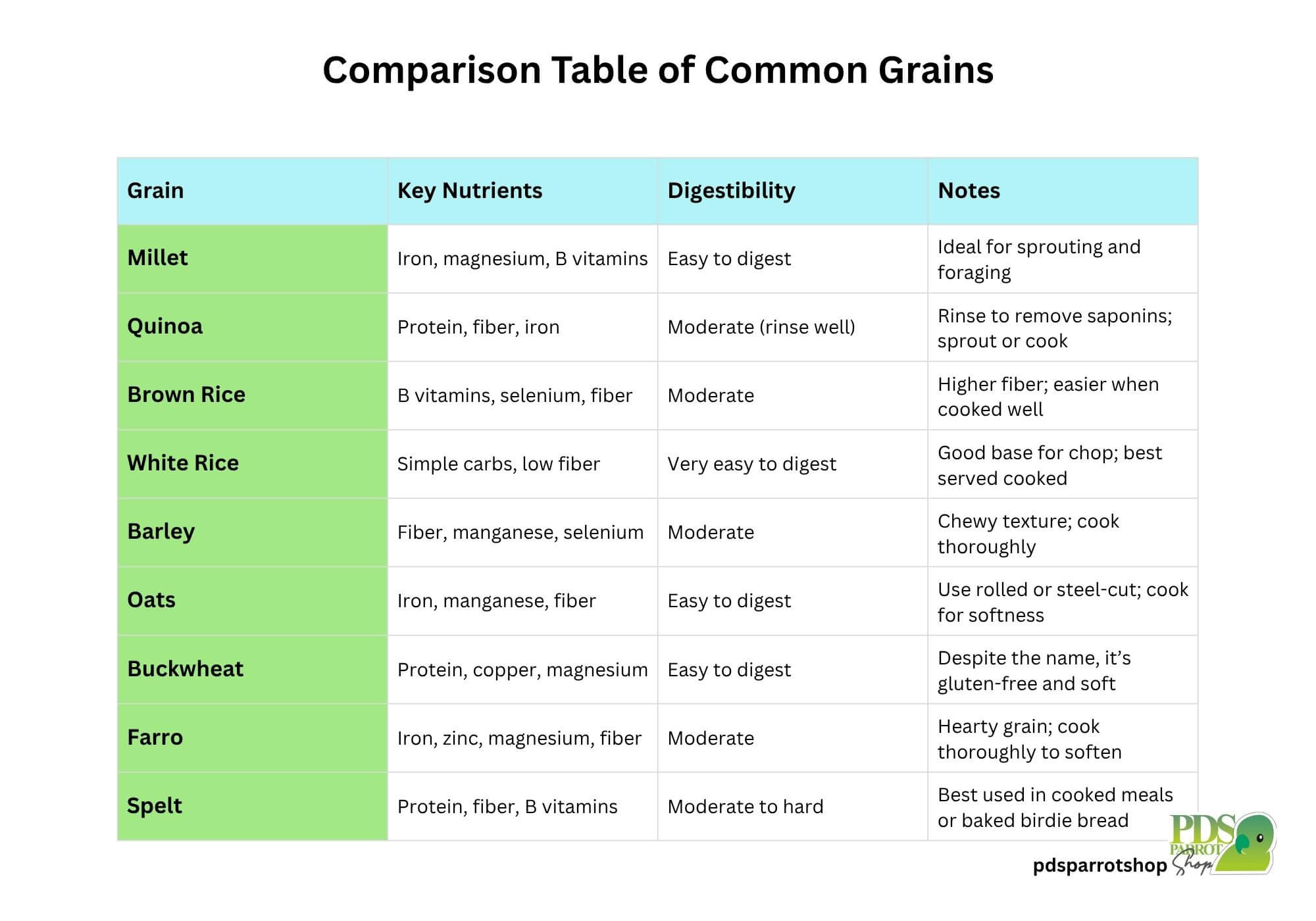
Common Grains In Bird Food
Many grains appear in bird food mixes. These grains offer proteins, fats, and carbohydrates. Each grain has unique benefits for birds.
- Millet: Small seeds liked by many songbirds
- Oats: Nutritious and easy to digest
- Barley: Rich in fiber and energy
- Wheat: Common grain that birds eat
- Corn: High in carbohydrates and energy
Whole Grains Vs. Processed Grains
Whole grains have all parts of the seed intact. They include the bran, germ, and endosperm. Whole grains give more nutrients and fiber.
Processed grains are changed by milling or cooking. They may lose some nutrients but become easier to eat. Birds may digest processed grains faster.
- Whole grains keep natural fiber and vitamins
- Processed grains are softer and quicker to digest
- Some birds prefer whole grains for chewing
- Others like processed grains for quick energy
Seeds And Cereals
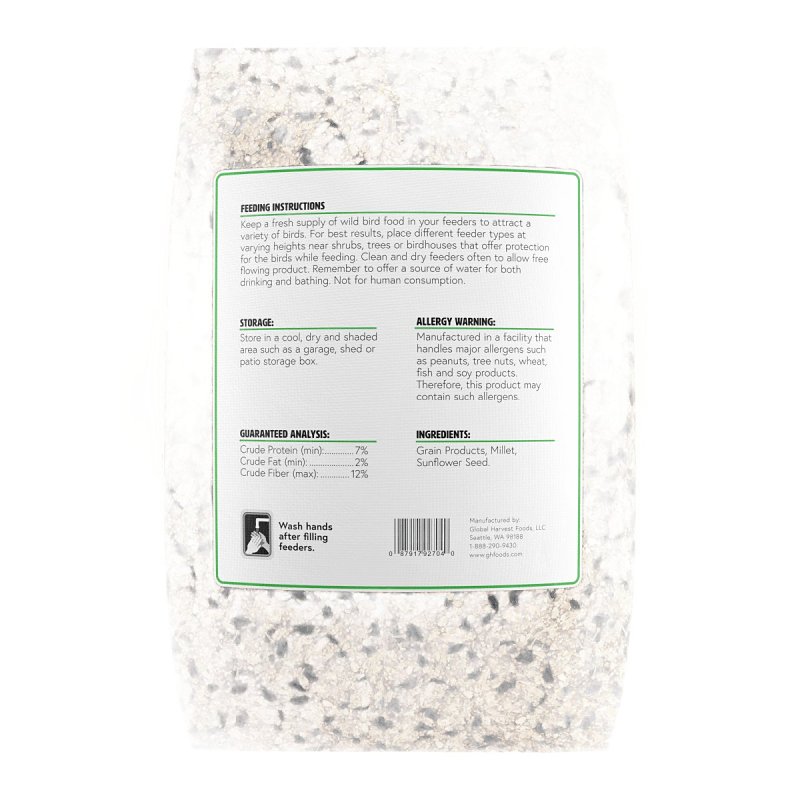
Seeds and cereals are common in bird diets. Seeds come from flowering plants. Cereals are edible grains from grasses.
Both seeds and cereals provide fats, proteins, and carbohydrates. Birds eat a mix to get balanced nutrition. Different seeds attract different bird species.
- Sunflower seeds: High in fat and energy
- Safflower seeds: Loved by cardinals and finches
- Rice and wheat: Common cereals in bird feed
- Flaxseed: Provides healthy oils
Credit: hootensteel.com
Nutritional Value Of Grains
Grain products are a common part of bird food. They provide important nutrients that keep birds healthy. Understanding their nutritional value helps in choosing the right mix for birds.
Grains offer energy, proteins, fiber, vitamins, and minerals. Each of these supports different body functions in birds.
Carbohydrates And Energy
Grains are rich in carbohydrates. These carbs are the main source of energy for birds. Energy helps birds fly, sing, and stay active throughout the day.
Simple and complex carbohydrates found in grains break down at different speeds. This gives birds quick energy and long-lasting fuel.
Proteins And Fiber Content
Grains contain moderate amounts of proteins. Protein helps build and repair muscles and feathers. Fiber in grains aids digestion and keeps the bird’s gut healthy.
- Protein supports muscle growth
- Fiber improves digestion
- Both help maintain overall health
Vitamins And Minerals
Grains provide important vitamins and minerals. These nutrients help with bone strength, immune system, and metabolism.
| Vitamin/Mineral | Benefit |
| Vitamin B | Energy production |
| Magnesium | Muscle and nerve function |
| Iron | Oxygen transport in blood |
| Phosphorus | Bone and teeth health |
Benefits For Birds
Grain products are a key part of bird food. They provide many health benefits. Birds get important nutrients from grains.
Grain products help birds stay strong and active. They support digestion, energy, and feather health. Let’s look at these benefits.
Supporting Digestion
Grains contain fiber that helps birds digest their food well. Good digestion means birds can use nutrients better. It also keeps their gut healthy.
Fiber in grains helps move food through the digestive system. This prevents constipation and other problems. Birds feel better and stay healthy.
Boosting Energy Levels
Grain products give birds carbohydrates. Carbohydrates are the main source of energy. Birds need energy to fly, forage, and stay active.
- Grains provide quick energy for daily activities.
- They help birds build stamina for long flights.
- Energy from grains supports growth and repair.
Enhancing Feather Health
Grains contain vitamins and minerals that improve feather quality. Healthy feathers protect birds from cold and rain. They also help birds attract mates.
| Nutrient | Benefit for Feathers |
| Vitamin E | Prevents feather damage |
| Magnesium | Supports feather strength |
| Protein | Builds new feathers |
Potential Risks And Precautions
Grain products are common in bird food. They provide energy and nutrients. Yet, they can also cause problems if not handled well.
Knowing the risks helps keep birds healthy. Taking simple precautions can avoid many issues linked to grains.
Grain Allergies And Sensitivities
Some birds may have allergies or sensitivities to grains. This can cause itching, swelling, or digestive troubles.
Watch for signs like feather loss or changes in droppings. If symptoms appear, remove grains and consult a vet.
Risks Of Mold And Contamination
Grain products can grow mold if stored poorly. Mold is toxic and can harm birds quickly.
Contaminated grains may carry bacteria or insects. This can lead to illness or infection in birds.
- Store grains in dry, cool places
- Check grains often for mold or bugs
- Throw away old or smelly grains
Balancing Grain Intake
Grains provide energy but too much can cause obesity or nutrient imbalance. Birds need a mix of seeds, fruits, and vegetables.
Feed grains in moderation and watch your bird’s weight and health. Adjust diet based on activity and species needs.
- Limit grain portion to less than half the diet
- Include fresh foods for vitamins and minerals
- Consult a vet for diet advice
Choosing Quality Grain Products
Grain products make a big part of bird food. Choosing the right grains helps keep birds healthy and happy.
Good grain products provide energy and nutrients that birds need every day.
Organic Vs. Conventional Grains
Organic grains grow without synthetic pesticides or chemicals. They are often fresher and safer for birds.
Conventional grains may use fertilizers and pesticides. These can leave residues that might harm birds over time.
Freshness And Storage Tips
- Buy grains from stores with good turnover
- Store grains in airtight containers
- Keep grains in a cool, dry place
- Check for signs of mold or insects before use
- Use grains within a few months of purchase
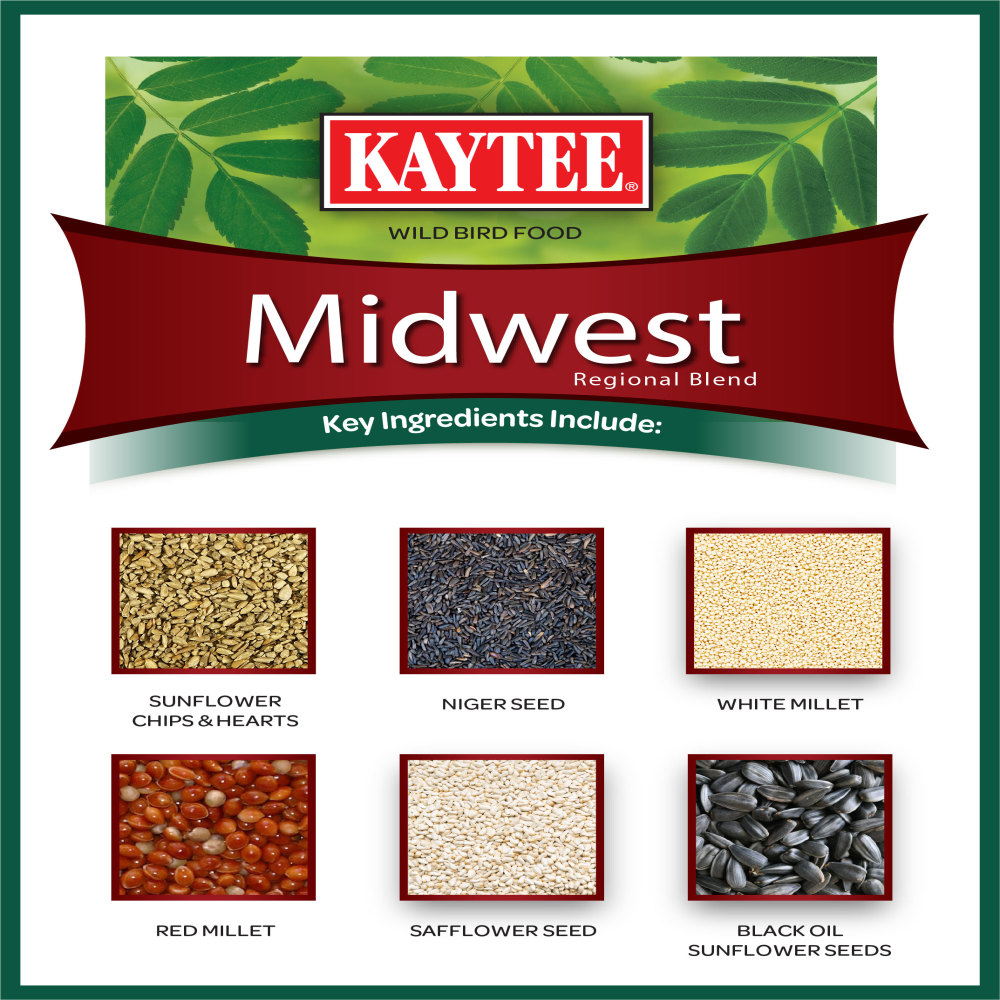
Reading Bird Food Labels
| Label Item | What It Means |
| Grain Type | Shows which grains are included (e.g., millet, oats) |
| Organic Certification | Confirms grains are grown without chemicals |
| Expiration Date | Use before this date for best quality |
| Ingredients List | Check for fillers or additives to avoid |
| Storage Instructions | How to keep grains fresh after opening |
Credit: www.kaytee.com
Incorporating Grains Into Bird Diets
Grain products are an important part of many birds’ diets. They provide energy and essential nutrients.
Adding grains to bird food helps keep birds healthy and active. It also adds variety to their meals.
Mixing Grains With Other Foods
Mix grains with seeds, fruits, and vegetables to balance nutrition. This mix helps birds get proteins and vitamins.
Use a shallow dish or feeder to offer the mix. Change the mix daily to keep it fresh and appealing.
- Combine grains with small seeds for finches and canaries
- Add chopped fruits with grains for parrots
- Mix grains with insects or pellets for insect-eating birds
Feeding Frequency And Portions
Feed grains to birds once or twice a day, depending on species and activity level. Avoid overfeeding grains to prevent obesity.
Offer small portions that birds can eat in a few hours. Remove leftover grains to stop mold and bacteria growth.
- Small birds: 1-2 teaspoons of grains daily
- Medium birds: 1-2 tablespoons daily
- Large birds: 2-4 tablespoons daily
Grains For Different Bird Species
Different birds eat different types of grains. Choose grains that match the bird’s natural diet and size.
Some common grains include millet, oats, corn, and barley. Each grain offers unique nutrients for birds.
- Finches and canaries: millet, small seeds
- Parrots: corn, oats, barley, and mixed grains
- Waterfowl: cracked corn, wheat, barley
- Game birds: cracked corn, wheat, milo
Frequently Asked Questions
What Are Grain Products In Bird Food?
Grain products in bird food include seeds, cereals, and processed grains. They provide essential carbohydrates, fiber, and energy for birds. Common grains are millet, corn, oats, and wheat, which support healthy digestion and overall bird health.
Why Are Grains Important For Birds’ Diet?
Grains offer vital nutrients like carbohydrates, proteins, and fiber. They supply energy needed for daily activities and maintain proper digestion. Including grains helps balance a bird’s diet and enhances feather growth and immune function.
Which Grains Are Best For Wild Birds?
Millet, cracked corn, sunflower seeds, and oats are excellent for wild birds. These grains attract a variety of species and provide essential nutrients. Offering a mix ensures birds get a diverse and balanced diet.
Can Birds Eat Processed Grain Products?
Yes, birds can eat some processed grain products like birdseed blends. However, avoid salty or sugary processed grains, as they may harm birds. Always choose natural and clean grain options for bird food.
Conclusion
Grain products in bird food offer essential nutrients. Birds need these for energy and growth. Grains like corn, wheat, and oats are common. They help birds stay healthy and active. Choose bird food with quality grains. This ensures balanced nutrition for your feathered friends.
Always check the ingredient list. This helps avoid fillers that lack nutrients. Providing diverse grains keeps birds interested. It also supports their overall well-being. So, next time you buy bird food, remember the importance of grains. They play a big role in your bird’s diet.
Happy bird feeding!