Have you ever paused to watch a bird meticulously gathering twigs, leaves, and other materials? It’s fascinating, isn’t it?
Birds are nature’s architects, each species crafting unique homes with skill and precision. But why exactly does a bird build a nest? Understanding this intriguing behavior can reveal a lot about the natural world around you. Imagine being able to decode the secret purpose behind every chirp and flutter.
By the end of this article, you’ll not only uncover the reasons behind nest building but also gain a deeper appreciation for these feathered engineers. So, if you’re curious about the mysteries of the avian world, keep reading to discover why birds are so dedicated to their nest-building craft.
Purpose Of Nest Building
Birds build nests for many important reasons. These nests help keep eggs and chicks safe. The structure also protects them from weather and predators.
Each part of the nest serves a special purpose. Birds use different materials to suit their needs. Let’s explore why birds build nests.
Protection For Eggs And Chicks
Nests give eggs and chicks a secure place to grow. The soft materials cushion the eggs. They stop eggs from rolling away or breaking.
- Keep eggs together and safe
- Provide warmth to help eggs hatch
- Support fragile chicks after hatching
Safe Shelter From Weather
Nests protect birds from rain, wind, and sun. They help keep eggs and chicks dry and warm. The location and design of nests often block harsh weather.
| Weather Condition | How the Nest Helps |
| Rain | Waterproof materials keep eggs dry |
| Wind | Nest shape blocks strong gusts |
| Sun | Shade from leaves or branches cools nest |
Defense Against Predators
Birds build nests to hide from predators. Some nests blend into trees or bushes. Others are built in hard-to-reach spots.
- Nests placed high in trees avoid ground animals
- Camouflage colors make nests hard to see
- Some birds use thorny branches to protect the nest
Types Of Nests Birds Build
Birds build nests to protect their eggs and young chicks. Different birds choose different styles of nests. These nests help keep the eggs safe from weather and predators.
Learning about the types of nests helps us understand how birds live and care for their young. Here are some common nest types birds build.
Cup Nests
Cup nests are the most common type. They look like small bowls made from twigs, leaves, and grass. Birds usually build them in trees or bushes.
- Shape: Rounded cup
- Materials: Twigs, grass, leaves, feathers
- Location: Trees, shrubs, or man-made structures
- Examples: Robins, sparrows, and finches
Cavity Nests
Cavity nests are built inside holes. Birds use tree holes or old woodpecker nests. These nests offer great protection from weather and predators.
| Bird Type | Common Location | Materials Used |
| Woodpeckers | Tree holes | Wood chips |
| Owls | Hollow trees | Leaves, feathers |
| Bluebirds | Nest boxes | Grass, feathers |
Platform Nests
Platform nests are flat and large. Birds build them with sticks and branches. They often place these nests on cliffs or tall trees.
Platform nests support more eggs or chicks. Some birds add soft materials inside for comfort. These nests are easy to spot because of their size.
- Used by eagles, hawks, and herons
- Built high from the ground
- Made mainly of sticks and twigs
Ground Nests
Ground nests are built on the soil or sand. Birds hide them in grass or bushes. These nests are well camouflaged to avoid danger.
- Shape: Shallow scrape or depression
- Materials: Leaves, grass, feathers, and dirt
- Common for shorebirds, ducks, and some songbirds
- Often located in hidden or protected spots
Materials Used In Nest Construction
Birds use many materials to build their nests. The choice depends on what is nearby and the bird’s needs. Nests keep eggs and chicks safe and warm.
Birds pick materials that are easy to find and strong enough to hold their nest together. They mix different things to make a cozy home.
Natural Fibers And Twigs
Birds often use natural fibers like grass, leaves, and thin twigs. These materials help form the outer structure of the nest.
Twigs give the nest strength. Fibers help bind the nest parts tightly. Birds weave these materials to create a strong base.
- Grass and straw provide flexibility
- Tiny twigs add support and shape
- Leaves are used for lining or walls
- Roots and bark strips can also be used
Mud And Leaves
Some birds use mud to hold their nests together. Mud acts like glue and makes the nest solid and sturdy.
Leaves are often layered inside the nest. They give softness and help keep the eggs warm and safe from cold winds.
- Mud strengthens the nest walls
- Leaves provide insulation and softness
- Mud dries hard to protect the nest
- Wet leaves can mold, so dry ones are best
Feathers And Fur
Birds use feathers and animal fur to line their nests. These materials are very soft and warm for baby birds.
Feathers help keep heat inside the nest. Fur adds extra comfort and can also help absorb moisture.
- Feathers create a soft layer inside the nest
- Animal fur adds warmth and cushioning
- These materials protect eggs from cold
- Birds collect shed feathers or fur found outside

Credit: chicagobirdalliance.org
Role Of Nests In Mating
Birds build nests for more than just shelter. Nests play a key role in mating. They help birds attract partners and show their qualities.
A well-built nest signals strength, skill, and readiness to raise chicks. This makes nests important in bird courtship.
Attracting A Mate
Birds use nests to catch the attention of potential mates. A strong, neat nest shows the bird can protect eggs and babies.
The size and location of the nest can also attract mates. Some birds build large or colorful nests to stand out.
- Strong nests show skill and health
- Safe locations protect from predators
- Bright or unique nests catch the eye
Nest As A Courtship Display
Nests act as courtship displays to show a bird’s ability to provide. Building a nest is part of the mating ritual for many species.
Birds may spend days or weeks making the nest perfect. This effort convinces the mate of their dedication and care.
Nest Location And Its Importance
Birds build nests to protect their eggs and young chicks. The location of a nest is very important for their safety and survival.
A good nest site helps birds stay safe from predators and find food easily. It also provides shelter from weather.
Choosing Safe And Hidden Spots
Birds pick places that are hard for predators to find. They use thick bushes, tall trees, or high cliffs to hide their nests.
Being hidden keeps eggs and chicks safe from animals like cats, snakes, and other birds.
- Dense leaves or branches cover the nest well
- High places reduce risk from ground predators
- Remote areas avoid human disturbance
Proximity To Food Sources
Birds build nests near places where they can find food easily. This helps parents feed their babies quickly.
Nearby food means less time away from the nest, which keeps chicks safer and warmer.
- Close to trees or plants with seeds and fruits
- Near water for insects and small animals
- Areas with plenty of food reduce travel time

Credit: www.callnorthwest.com
Behavioral Instincts Driving Nest Building
Birds build nests to protect their eggs and young ones. Nest building is a natural behavior found in many bird species. It helps keep their babies safe from weather and predators.
Two main reasons drive birds to build nests. One is their natural instincts. The other is learning from their parents.
Innate Nesting Instincts
Many birds have a built-in urge to build nests. This instinct is passed down through generations. It helps them survive and care for their young.
When the breeding season starts, birds feel a strong need to gather materials. They use sticks, leaves, and mud to make a safe home. This behavior happens even if the bird has never built a nest before.
- Instinct triggers nest building at the right time
- Birds choose materials that fit their species
- Nests keep eggs warm and protected
Learning From Parents
Young birds watch their parents build nests. They learn how to pick materials and where to build. This helps them build better nests when they grow up.
Some birds improve their nest-building skills over time. They copy the ways their parents did it. Learning from others helps birds survive in different environments.
- Young birds observe and imitate parents
- Experience helps improve nest quality
- Learning adapts to new surroundings
Variations Across Bird Species
Birds build nests for shelter and to protect their eggs and chicks. Different species use unique materials and shapes. These variations help them survive in their habitats.
Nesting styles depend on the bird’s size, environment, and lifestyle. Some nests are simple, while others are complex and strong.
Species-specific Nesting Habits
Each bird species has special nesting habits. Some prefer trees, others build on the ground or cliffs. The choice depends on safety and food access.
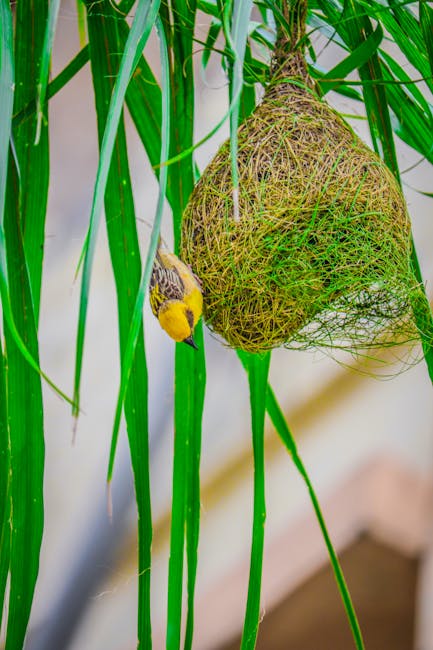
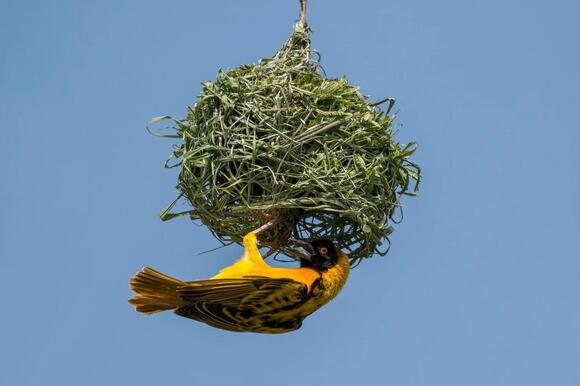
- Weaver birds create woven nests from grass and leaves.
- Swallows build cup-shaped nests with mud and saliva.
- Woodpeckers drill holes in trees to make cavity nests.
- Penguins build nests from stones to stay dry on ice.
- Ospreys use sticks to build large nests near water.
Adaptations To Different Environments
Birds adapt their nests to fit their environments. Climate, predators, and materials shape nest design. These adaptations improve survival chances.
| Environment | Nesting Adaptation | Example Species |
| Forest | Use of tree cavities or thick foliage | Woodpecker, Owl |
| Desert | Ground nests with shade and insulation | Roadrunner, Cactus Wren |
| Wetlands | Floating or raised nests to avoid water | Grebe, Marsh Wren |
| Urban | Use of man-made materials and structures | Pigeon, House Sparrow |
| Polar | Stone nests that resist cold and wind | Penguin, Arctic Tern |
Credit: www.newsbreak.com
Challenges Birds Face When Building Nests
Birds build nests to protect their eggs and raise their young. Nest building is not easy. Birds face many dangers and obstacles.
This article looks at the main challenges birds meet while building nests. These include threats from predators, bad weather, and human actions.
Predation Risks
Predators often look for bird nests to eat eggs or baby birds. Birds must hide their nests well. They use leaves, twigs, and other materials to make nests hard to spot.
- Snakes and larger birds can find nests easily.
- Some mammals like raccoons climb trees to reach nests.
- Birds must choose safe places like thick bushes or high branches.
Environmental Hazards
Weather can destroy nests or make them unsafe. Strong winds, heavy rain, and heat are big problems for birds.
| Hazard | Effect on Nest |
| Strong Winds | Can blow nests away or break them |
| Heavy Rain | Makes nests wet and cold, harms eggs |
| Extreme Heat | Can overheat eggs and chicks |
| Cold Temperatures | Risk of freezing young birds |
Human Interference
Humans affect birds and their nests a lot. Building homes, cutting trees, and pollution cause problems.
Ways humans harm bird nests:
- Destroying nesting sites by cutting trees
- Disturbing birds with loud noises
- Leaving trash that can trap or hurt birds
- Using pesticides that reduce insect food
Frequently Asked Questions
Why Do Birds Build Nests Every Season?
Birds build nests each season to lay eggs and raise their young. Nests provide safety, warmth, and protection from predators. Seasonal nesting ensures the survival of their offspring in suitable environmental conditions. It also supports species reproduction and growth.
How Do Birds Choose Nest Locations?
Birds select nest sites based on safety, food availability, and shelter from weather. They prefer hidden, elevated, or sturdy spots to protect eggs and chicks. Location choice reduces predator threats and increases offspring survival chances.
What Materials Do Birds Use To Build Nests?
Birds use twigs, leaves, grass, feathers, mud, and sometimes human-made items. Material choice depends on species and environment. These materials provide structure, insulation, and comfort to support eggs and chicks.
How Long Does It Take Birds To Build Nests?
Nest-building time varies by species, usually from a few days to two weeks. Smaller birds build quickly, while larger species take longer. Speed depends on material availability and environmental conditions.
Conclusion
Birds build nests to keep their eggs safe and warm. Nests also protect baby birds from weather and predators. Each bird uses different materials based on its needs. Building a nest is a natural way to care for young ones.
It shows how birds prepare for new life. This simple act plays a big role in nature’s cycle. Watching birds build nests can teach us about life and care. Nature’s small builders work hard to create a safe home. This helps their species survive and grow strong.
Nest building is a smart, natural behavior that helps birds thrive.