How to Stop a Bird from Building a Nest 2026 Guide
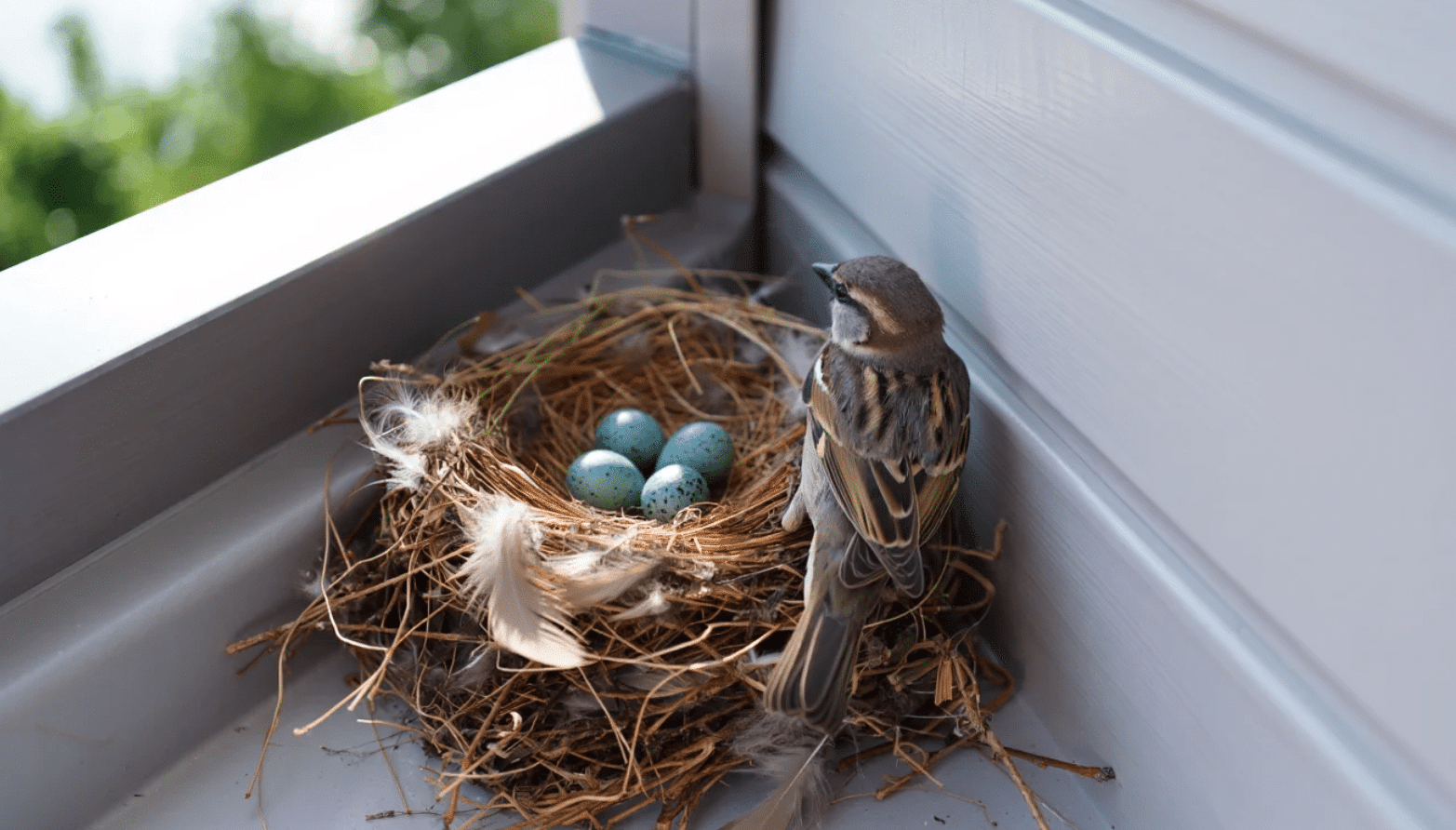
Are you waking up to the sound of chirping and finding twigs scattered around your porch? Birds might have chosen your home as their new nesting spot.
While birds can bring charm and joy, their nests might not always be welcome. They can lead to mess, noise, and even damage to your property. If you’re searching for a way to stop this feathered frenzy without harming your avian visitors, you’ve come to the right place.
Discover effective, humane strategies to keep birds from building nests in unwanted areas. Let’s explore how you can regain control of your space while keeping both you and your winged neighbors happy. Read on to learn how to make your home less appealing for nesting, ensuring peace and order in your environment.
Why Birds Build Nests
Birds build nests to lay their eggs and raise their young. Nests protect eggs from weather and predators.
Nests also provide a safe place for baby birds to grow until they can fly. Each bird species builds different kinds of nests.
Common Nesting Sites
Birds choose nesting sites that are safe and offer shelter. Many birds build nests in trees, shrubs, or on the ground.
Some birds also use man-made places like roofs, vents, and ledges. These spots protect nests from predators and bad weather.
- Tree branches and forks
- Dense bushes and shrubs
- Under eaves or roof corners
- Inside vents or chimneys
- On window ledges or balconies
Bird Species That Nest Near Homes
Some bird species prefer to nest close to humans. They find homes safe and full of food sources.
These birds often build nests on buildings, in garages, or near patios.
- Pigeons
- House Sparrows
- Swallows
- Robins
- Starlings
Risks Of Bird Nests Around Your Property
Birds building nests near your home can cause problems. It is important to know what risks they bring. Some risks affect health, while others damage property.
Understanding these risks helps you protect your family and home. Acting early can stop bigger issues later.
Health Concerns
Bird nests can carry germs that harm people. Droppings and feathers spread bacteria and parasites. These can cause breathing problems and infections.
- Bird droppings may carry fungus that causes lung disease.
- Nests may host mites and ticks that bite humans.
- Parasites in nests can spread diseases like salmonella.
- Allergens from feathers may cause asthma attacks.
Property Damage
Bird nests can harm your home’s structure. Birds use mud, twigs, and other materials that block drains and gutters. Their droppings can also stain and erode surfaces.
| Type of Damage | Cause | Effect |
| Clogged gutters | Nest debris | Water overflow and leaks |
| Roof damage | Pecking and nesting | Broken tiles and holes |
| Wall staining | Bird droppings | Discoloration and erosion |
| Fire risk | Dry nesting material | Increased chance of fire |
Prevention Strategies
Birds often build nests in places where they feel safe. Stopping them early can prevent damage. Using the right strategies helps keep birds away without harm.
Try different ways to stop birds from nesting. Some methods block access, others make the area less inviting. Choose what works best for your space.
Physical Barriers
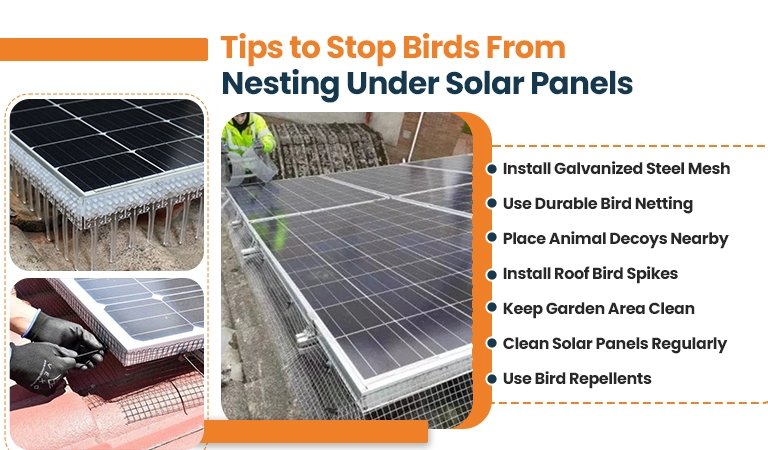
Physical barriers stop birds from reaching their nesting spots. You can use nets, spikes, or mesh to block places where birds like to build nests.
Make sure barriers are secure and cover all openings. This prevents birds from finding a way in.
- Install bird spikes on ledges and beams
- Use bird netting over vents and balconies
- Seal gaps in roofs or walls
- Cover chimneys with mesh caps
Using Bird Repellents
Bird repellents make areas uncomfortable for birds. They use sights, sounds, or smells to keep birds away. Repellents do not harm birds but encourage them to move.
Choose repellents that suit your area. Use them often for best results, especially during nesting season.
- Use reflective tape or shiny objects to scare birds
- Place ultrasonic sound devices to deter nesting
- Apply bird-safe gels or sprays on surfaces
- Set up decoy predators like fake owls or snakes
Altering Attractiveness Of The Area
Birds choose spots with food, shelter, and safety. Changing these factors can make the area less attractive. Remove what draws birds in.
Keep the space clean and reduce hiding places. This lowers the chance birds will want to nest there.
- Remove bird feeders near nesting spots
- Trim bushes and trees close to buildings
- Clear away debris and old nests regularly
- Close open containers that hold water
Credit: solarsme.com
Safe Deterrents That Work
Birds often build nests in places where they feel safe. Sometimes, this can cause problems for homeowners. Using safe deterrents helps keep birds away without harming them.
Here are three effective methods to stop birds from building nests near your home.
Visual Deterrents
Visual deterrents work by scaring birds away using objects they find threatening. These items move or shine in the light, making birds uncomfortable.
- Shiny tape or strips that flutter in the wind
- Fake owls or hawk figures placed near nesting spots
- Reflective surfaces like CDs hung from trees or wires
- Plastic snakes or other predator shapes
Sound Devices
Sound devices emit noises that birds find annoying or scary. These sounds help keep birds away without causing harm.
| Device Type | Description | Effect on Birds |
| Ultrasonic Emitters | High frequency sounds inaudible to humans | Discomfort, discourages nesting |
| Predator Calls | Recorded sounds of hawks or owls | Fear response, birds avoid area |
| Noise Makers | Intermittent loud noises like bells or alarms | Startle birds, reduce nesting |
Natural Predators
Encouraging natural predators helps control bird populations safely. Predators keep birds from settling in your area.
- Attract owls by installing owl boxes nearby
- Use raptor perches to invite hawks
- Keep cats or other small predators around safely
- Plant shrubs that support predator birds
Handling Existing Nests
Birds often build nests in places we do not want them. Removing these nests needs care to avoid harm. You must follow certain rules and steps.
This guide explains how to handle existing nests safely and legally. It covers laws, timing, and removal methods.
Legal Considerations
Many birds are protected by law. You cannot remove nests with eggs or chicks in some areas. Check local wildlife laws before acting.
- Do not disturb nests during breeding season.
- Get permission if required by law.
- Contact wildlife authorities for advice.
Timing Removal
Removing a nest at the right time prevents harm to birds. Wait until young birds leave the nest. This usually happens after a few weeks.
Check the nest daily to see if it is empty. Removing a nest too early can harm baby birds or eggs.
| Time of Year | Best Action |
| Spring | Wait for chicks to leave |
| Summer | Remove empty nests |
| Fall | Clear nests before winter |
| Winter | Safe to remove nests |
Safe Removal Techniques
Use gentle methods to take down nests. Wear gloves and use tools to avoid contact with birds or debris.
- Wear gloves to protect yourself.
- Use a long tool to reach nests safely.
- Place nest in a sealed bag for disposal.
- Clean the area after nest removal.
- Wash hands thoroughly afterward.
Maintaining A Bird-free Zone
Keeping birds from building nests around your home helps protect your property. Birds can cause damage and create messes. You can stop them by maintaining a bird-free zone.
Regular checks and simple care can keep birds away. Let’s look at ways to inspect and maintain your space to prevent nesting.
Regular Inspections
Look for signs of bird activity often. Check places like eaves, vents, and gutters. Early detection helps stop nests before they grow.
- Inspect roof edges and corners weekly.
- Check under balconies and ledges for twigs.
- Watch vents and chimneys for loose nesting material.
- Look for droppings or feathers near entry points.
- Note any repeated bird visits or sounds.
Ongoing Maintenance Tips
Keep areas clean and unattractive to birds. Use simple tools and fixes to block nesting spots. Consistent care keeps birds from returning.
| Maintenance Task | Frequency | Purpose |
| Remove old nesting materials | Monthly | Stops birds from rebuilding nests |
| Seal small gaps and holes | Every 3 months | Blocks entry points for birds |
| Clean gutters and drains | Seasonally | Prevents nest building in water channels |
| Trim nearby trees and shrubs | Monthly | Reduces nearby shelter for birds |
| Use bird deterrents like spikes | As needed | Discourages birds from landing |
Frequently Asked Questions
How Can I Prevent Birds from Nesting on My Property?
Use bird deterrents like spikes, netting, or reflective objects to block nesting spots. Regularly clean areas to remove materials birds use for nests.
What Materials Do Birds Use to Build Nests?
Birds use twigs, leaves, grass, feathers, mud, and string. Removing these materials nearby can discourage nesting.
Are Bird Repellents Safe for the Environment?
Most commercial bird repellents are safe when used as directed. Choose non-toxic options to avoid harming birds and other wildlife.
When Is the Best Time to Stop Birds from Nesting?
Prevent nesting before the breeding season, usually early spring. Remove nests immediately if found during nesting to deter birds.
Conclusion
Stopping birds from building nests takes patience and simple steps. Use safe methods like blocking access or removing materials. Keep your space clean and check often for new nests. Be kind to birds while protecting your home. Small efforts can make a big difference over time.
Stay consistent and watch your area stay bird-free. You can keep birds away without harm or stress. Protect your property and enjoy peace outside.