
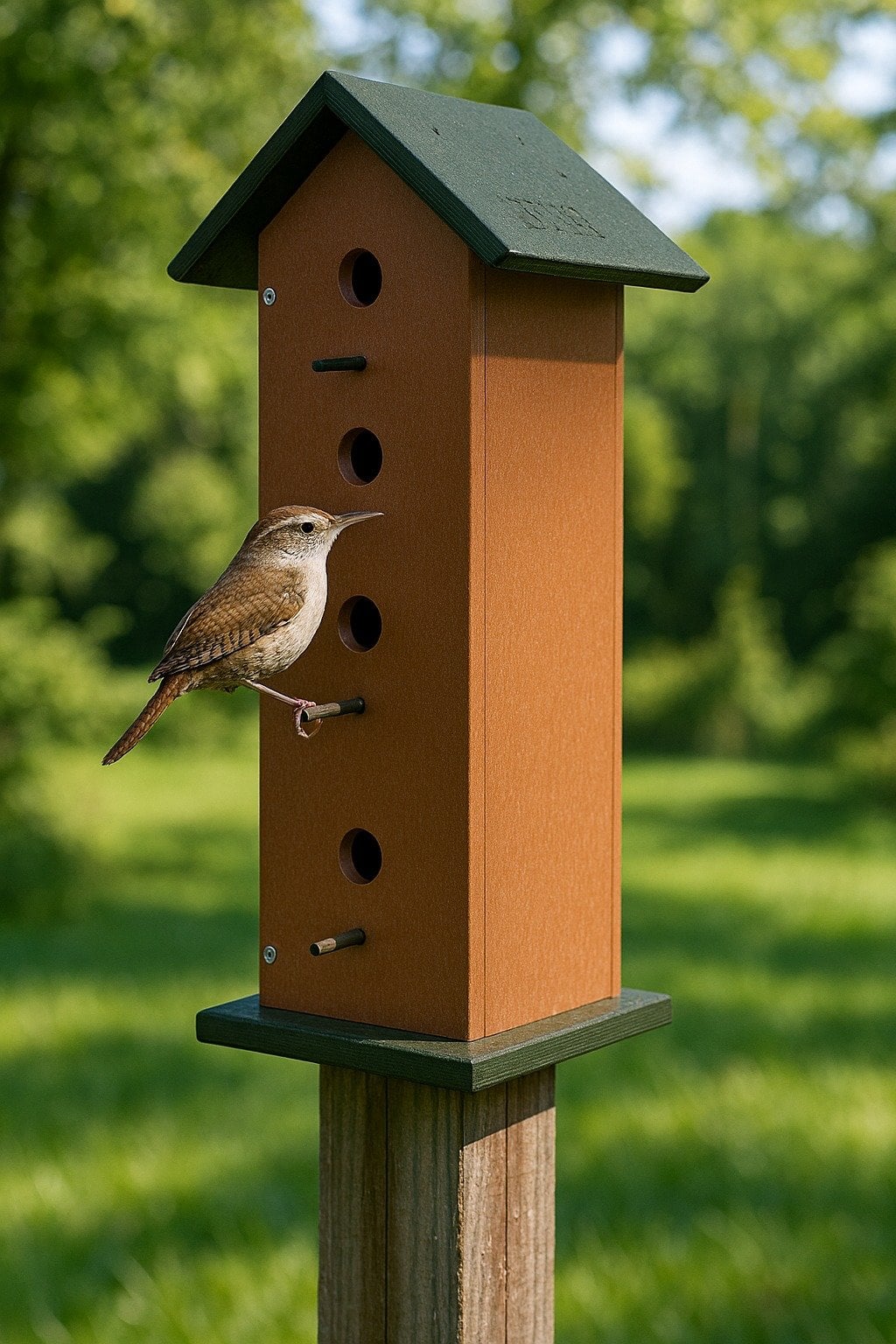
How to Build a Wren Bird House 2026 Guide Plans
Picture this: a charming wren flitting around your garden, its joyful song bringing your outdoor space to life. Imagine the satisfaction you’ll feel knowing you provided it with a cozy home.
Building a wren bird house is not just a fun DIY project; it’s a chance to invite nature’s beauty right to your doorstep. But where do you start? How can you ensure your bird house is not only inviting but also safe and functional for these delightful little birds?
In this guide, you’ll discover step-by-step instructions, helpful tips, and creative ideas to craft a perfect sanctuary for wrens. Get ready to unleash your creativity and transform your garden into a vibrant haven, all while enjoying the rewarding experience of watching these feathered friends thrive. Ready to dive in? Let’s get started on building your wren bird house today!

Credit: www.reddit.com
Choosing The Right Materials
Building a wren bird house needs careful material choice. The right materials keep the house safe and cozy for the birds.
Good materials last long and protect against weather. Let’s look at the best wood types and tools needed.
Best Wood Types
Choose wood that is natural and strong. Avoid treated wood because chemicals can harm birds.
- Cedar: It resists rot and smells good to birds.
- Pine: Easy to work with and affordable.
- Redwood: Very durable and weather resistant.
- Spruce: Lightweight and easy to cut.
Needed Tools And Supplies
Gather these tools and supplies before you start building. They help make the process smooth and safe.
| Tool or Supply | Purpose |
| Handsaw | Cut wood pieces to size |
| Drill | Create entrance holes and screw holes |
| Screws and Nails | Secure wood pieces together |
| Sandpaper | Smooth rough edges to protect birds |
| Measuring Tape | Measure wood accurately |
| Wood Glue | Strengthen joints |
Selecting The Ideal Location
Building a wren bird house is fun and rewarding. Choosing the right location helps wrens feel safe and welcome.
Pick a spot where wrens can easily find food and shelter. The right place keeps them safe from harm.
Safe Spots For Placement
Wrens like quiet places with some cover. They prefer spots with natural protection from wind and rain.
Place the bird house about 5 to 10 feet above the ground. Near shrubs or trees is best for hiding.
- Choose a shaded area to avoid direct sun
- Keep it away from busy human paths
- Face the entrance away from strong winds
- Near bushes or low trees for cover
Avoiding Predators
Protect wrens from cats, snakes, and larger birds. Avoid placing the house where predators can easily reach.
Use metal guards or baffles on poles to stop climbing predators. Keep the area clean to reduce hiding spots for enemies.
- Mount the house on a metal pole or post
- Install a predator guard below the entrance
- Avoid placing near fences or low branches
- Keep pets and garden tools away

Credit: www.shopsmith.com
Designing The Bird House
Designing a bird house for wrens needs careful thought. The right size and entrance help wrens feel safe.
Good design attracts wrens and keeps them protected from weather and predators. Let’s look at important details.
Size And Dimensions
The bird house must have the right size inside. Wrens like small, cozy spaces.
- The floor should be about 4 inches by 4 inches.
- The height inside should be near 8 inches.
- The roof should extend a bit to protect from rain.
- Use wood that is about 3/4 inch thick for insulation.
Entrance Hole Specifications
The entrance hole size is very important. It must be just right to let wrens in but keep larger birds out.
| Feature | Measurement | Purpose |
| Diameter | 1 to 1.25 inches | Fits wren size, blocks bigger birds |
| Height from floor | 5 to 6 inches | Protects nest from rain and predators |
| Shape | Round | Easy for wrens to enter and exit |
Step-by-step Construction
Building a wren bird house is a fun and simple project. It helps birds find a safe place to live. Follow these steps to make your own bird house.
This guide shows you how to cut wood, put parts together, and add air and water holes.
Cutting The Pieces
Start by cutting all the wood pieces you need. Use pine or cedar wood for safety. Cut carefully to get the right sizes.
You will need pieces for the floor, walls, roof, and entrance hole.
- Floor: 5 x 5 inches
- Front wall with entrance hole: 7 x 5 inches
- Back wall: 8 x 5 inches
- Side walls (2 pieces): 7 x 4 inches
- Roof: 7 x 6 inches
Assembling The Parts
Join the walls first using nails or screws. Attach the floor to the bottom of the walls. Make sure the box is sturdy and square.
Next, fix the roof on top. The roof should hang over the edges to keep rain out.
- Attach side walls to back wall
- Attach front wall with entrance hole
- Secure floor to bottom edges
- Fix roof with slight overhang
Adding Ventilation And Drainage
Ventilation holes keep air flowing inside the bird house. Drill small holes near the top of the side walls.
Drainage holes let rainwater escape. Drill a few holes in the floor to prevent water buildup.
- Drill 2-3 ventilation holes, about 1/4 inch wide
- Drill 3-4 drainage holes in the floor
- Check holes are smooth to avoid harming birds
Finishing Touches
Building a wren bird house is a fun project. The finishing touches make it safe and attractive for birds. You will learn how to sand, seal, paint, and decorate your bird house.
Proper finishing protects the wood and helps the bird house last longer outdoors. It also adds charm to your garden or yard.
Sanding And Sealing
Sanding smooths the wood and removes sharp edges. Sealing protects the wood from rain and sun damage. This keeps the bird house dry and safe for wrens.
- Use medium-grit sandpaper for rough surfaces.
- Finish with fine-grit sandpaper for a smooth feel.
- Remove all dust with a brush or cloth.
- Apply a water-based, non-toxic wood sealer.
- Let the sealer dry completely before painting.
Painting And Decorating
Choose safe, water-based paint to add color and protect the wood. Avoid painting inside the bird house to keep it safe for birds. Use simple designs that blend with nature.
| Paint Type | Where to Use | Notes |
| Water-based | Exterior surfaces only | non-toxic and safe |
| Oil-based | Not recommended | May harm birds |
| Natural wood finish | Optional alternative | Enhances wood grain |
Mounting And Maintenance
Building a wren bird house is just the start. Proper mounting and care help wrens stay safe and healthy. This guide covers how to mount your bird house and keep it clean for many seasons.
Good placement and regular maintenance attract wrens and protect them from danger. Follow these tips to give wrens a cozy home.
Proper Mounting Techniques
Place the wren house at the right height and location. Mount it on a stable surface away from predators. Avoid direct strong sunlight and heavy wind.
- Mount the house 5 to 10 feet above the ground.
- Face the entrance hole away from prevailing winds.
- Attach the house to a tree, pole, or building securely.
- Leave some space around the house for easy access.
- Keep the area clear of dense bushes to reduce predators.
Cleaning And Upkeep Tips
Cleaning the bird house helps prevent disease and parasites. Regular upkeep keeps the house safe and comfortable for wrens.
| Maintenance Task | Frequency | Details |
| Remove old nesting material | Once a year | Clear out after breeding season ends |
| Wash inside with mild soap | Once a year | Rinse well and dry completely |
| Check for damage | Every 6 months | Fix cracks or loose parts promptly |
| Inspect mounting | Every 6 months | Ensure house is firmly attached |
Attracting Wrens To Your House
Building a wren bird house can bring these lively birds to your yard. Wrens like cozy and safe places to nest.
Using the right materials and avoiding mistakes helps wrens feel comfortable. This guide shows how to make your house inviting.
Using Natural Nesting Materials
Wrens prefer natural materials that feel soft and warm. Use these to line the inside of the bird house.
- Small twigs and dry grass
- Feathers from local birds
- Soft moss or lichen
- Shredded bark pieces
- Leaves that are dry and clean
Gather these materials near your home to help wrens feel at ease. Avoid using synthetic or sharp items.
Avoiding Common Mistakes
Many bird house builders make mistakes that scare wrens away. Here are some key points to avoid.
| Common Mistake | Why It Matters |
| Using metal or plastic materials | Gets too hot or cold for wrens |
| Placing house too low | More risk from predators |
| Large entrance hole | Allows bigger birds or predators inside |
| Not cleaning the house | Old nests may carry parasites |
| Ignoring weather protection | Rain or wind can damage nest |
Keep these points in mind to build a safe and comfortable home. A good wren house brings joy and nature close to you.
Credit: www.dutchcrafters.com
Frequently Asked Questions
What Materials Are Best For Building A Wren Bird House?
Use untreated wood like cedar or pine for durability and safety. Avoid metal or plastic as they can overheat or trap moisture.
How Big Should A Wren Bird House Be?
A wren house should have a floor area around 4×4 inches and a height of 8 inches. This size suits wrens perfectly.
Where Is The Ideal Location To Place A Wren House?
Place the house 5-10 feet above ground in a shaded, quiet spot. Face the entrance away from prevailing winds for protection.
How To Clean A Wren Bird House Safely?
Clean the house annually after the breeding season using mild soap and water. Remove old nesting materials to prevent parasites.
Conclusion
Building a wren bird house is a fun and simple project. It helps small birds find a safe home. Use the right materials and follow the steps carefully. Place the house in a quiet spot with some shade. Watch as wrens visit and make a nest.
Enjoy the chance to connect with nature nearby. This small effort brings big joy to your garden. Start building today and welcome these lively birds.



