If you love watching birds up close, bird nesting shrubs are a fantastic addition to your garden. These special plants don’t just look beautiful—they create a safe home where birds can build nests and raise their young.
Imagine stepping outside and spotting colorful birds fluttering around, nesting right in your backyard. You’ll discover which shrubs attract birds the most, how to choose the right ones for your space, and simple tips to create a bird-friendly garden that brings nature closer to you.
Ready to turn your garden into a lively bird haven? Let’s dive in!
Credit: dengarden.com
Benefits Of Nesting Shrubs
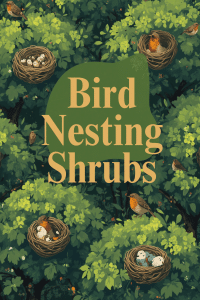
Nesting shrubs are plants where birds build their homes. They offer many benefits to birds and gardens. These shrubs help birds stay safe and find food.
Adding nesting shrubs to your garden supports wildlife. It also makes the garden more lively and healthy.
Shelter For Birds
Nesting shrubs give birds a safe place to hide from bad weather. They also protect birds from predators like cats and larger animals.
Birds use thick branches and leaves to build nests. These shelters help birds raise their young safely.
Food Sources
Nesting shrubs provide food for birds. Many shrubs grow berries, seeds, and attract insects.
Birds eat these foods to stay strong and healthy. Shrubs help birds find food close to their nests.
- Berries for fruit-eating birds
- Seeds for seed-eating birds
- Insects hiding in leaves and bark
Enhancing Garden Biodiversity
Nesting shrubs attract many types of birds and insects. This increases the variety of life in your garden.
A diverse garden is healthier and more balanced. Birds help control pests and spread plant seeds.
- Supports insect pollinators
- Encourages natural pest control
- Promotes seed dispersal for plants
Credit: www.birdsandblooms.com
Best Shrubs For Nesting
Birds need safe places to build their nests. Shrubs offer shelter and protection. Choosing the right shrubs helps birds thrive in your garden.
This guide shows the best shrubs for nesting. Learn about evergreen, flowering, and berry-producing varieties.
Evergreen Options
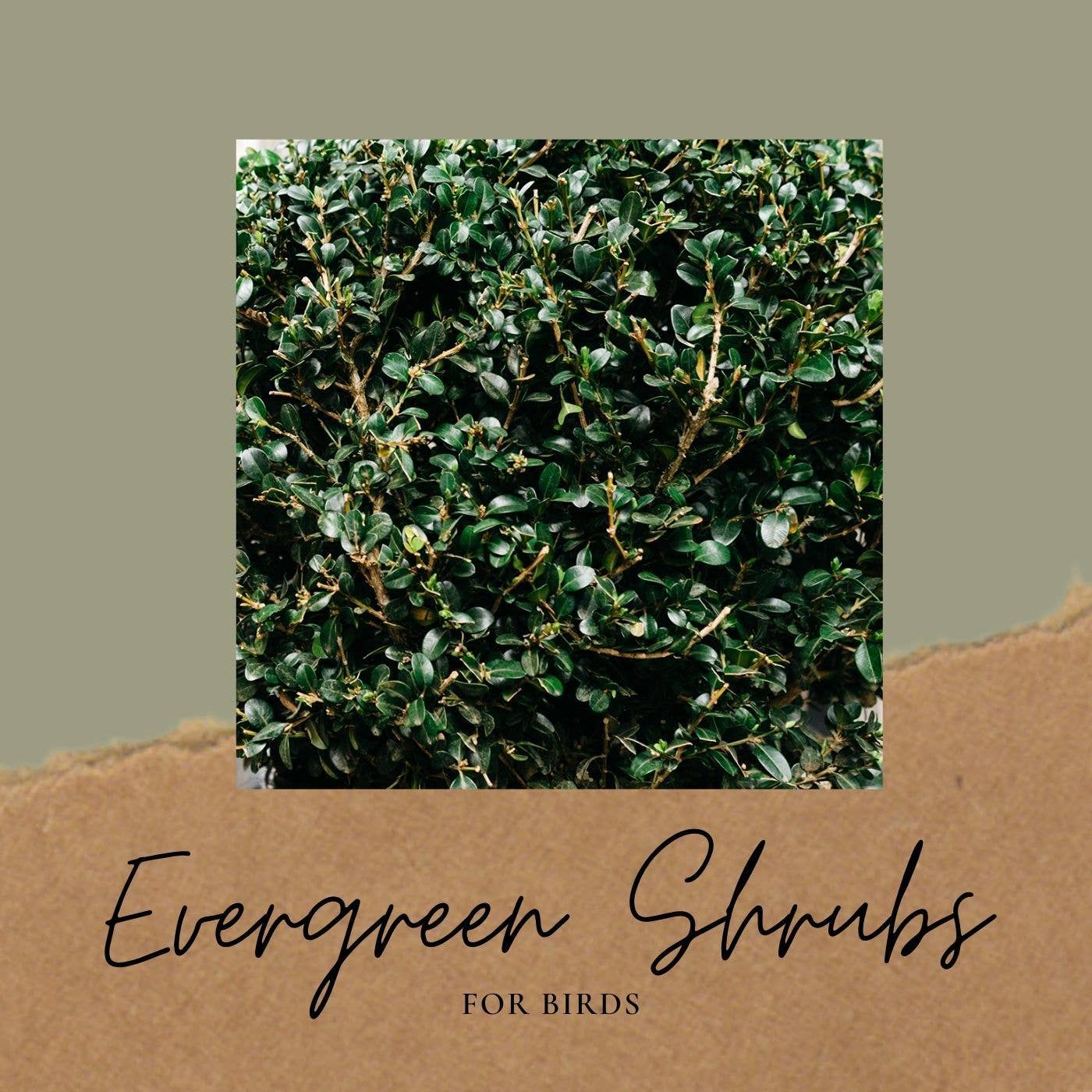
Evergreen shrubs keep their leaves year-round. They provide constant cover for nesting birds. These shrubs block wind and hide nests well.
- Boxwood (Buxus sempervirens)
- Holly (Ilex spp.)
- Rhododendron
- Juniper (Juniperus spp.)
- Mountain Laurel (Kalmia latifolia)
Flowering Shrubs
Flowering shrubs attract insects and birds. Their blooms provide food and cover. Birds use these shrubs to hide nests from predators.
| Shrub | Flower Color | Bloom Time |
| Azalea | Pink, White, Red | Spring |
| Butterfly Bush | Purple, White, Pink | Summer |
| Spirea | White, Pink | Late Spring |
| Viburnum | White | Spring |
Berry-producing Varieties
Berries provide food for birds. Shrubs with berries attract nesting birds. They also offer thick branches for nest building.
- Serviceberry (Amelanchier)
- Dogwood (Cornus spp.)
- Elderberry (Sambucus)
- Winterberry (Ilex verticillata)
- Chokeberry (Aronia)
Planting Tips For Wildlife Gardens
Bird nesting shrubs bring shelter and food for many wild birds. They also add beauty to your garden. Planting the right shrubs helps birds build safe homes.
Use these tips to choose the best place and care for your shrubs. This will keep your garden healthy and inviting for wildlife.
Choosing The Right Location
Pick a spot that gets enough sunlight but also offers some shade. Birds like places where they feel safe from predators. Avoid areas with heavy foot traffic or loud noise.
- Choose a quiet corner in your garden
- Plant near other trees or shrubs for shelter
- Keep distance from busy paths or driveways
- Ensure good airflow to reduce pests
Soil And Water Needs
Healthy soil helps shrubs grow strong and produce berries and seeds for birds. Most bird nesting shrubs prefer well-drained soil. Water them regularly but do not overwater.
| Soil Type | Water Needs | Notes |
| Loamy soil | Moderate | Best for most shrubs |
| Sandy soil | Low to moderate | Needs more frequent watering |
| Clay soil | Low | Improve drainage before planting |
Maintaining Shrub Health
Keep your shrubs healthy to support nesting birds all year. Prune dead or crowded branches. Watch for pests and diseases. Mulch around the base to keep moisture and stop weeds.
- Prune shrubs each early spring
- Check leaves and stems for insects
- Apply organic mulch 2-3 inches thick
- Water during dry spells
Attracting Specific Bird Species
Bird nesting shrubs provide shelter and food for many bird species. Choosing the right shrubs helps attract birds that prefer certain habitats. This guide covers shrubs for songbirds, ground nesters, and cavity nesters.
Planting the proper shrubs creates a safe place for birds to raise their young. Each bird type needs different shrub characteristics. Learn which shrubs suit each bird group.
Shrubs For Songbirds
Songbirds like shrubs with dense branches and plenty of berries. These shrubs offer food and cover for nests. Choose shrubs that bloom with colorful flowers to attract more birds.
- Serviceberry (Amelanchier)
- Dogwood (Cornus)
- Holly (Ilex)
- Viburnum
- Chokeberry (Aronia)
Shrubs For Ground Nesters
Ground nesting birds prefer low, thick shrubs that protect nests from predators. Shrubs with wide, spreading branches work best. They also like shrubs near open spaces.
| Shrub | Features | Birds Attracted |
| Willow (Salix) | Low, dense branches | American Robin, Sparrows |
| Hazel (Corylus) | Spreading, thick cover | Towhee, Quail |
| Spirea | Low growth, thorny branches | Wrens, Thrushes |
Shrubs For Cavity Nesters
Cavity nesting birds use holes in trees or shrubs for shelter. Shrubs with old, hollow branches attract these birds. Some shrubs develop natural cavities over time.
- Sumac (Rhus) – often has hollow stems
- Wild Rose (Rosa) – dense with thick stems
- Raspberry (Rubus) – thorny and protective branches
Seasonal Care For Nesting Shrubs
Nesting shrubs provide shelter and safety for many birds. Caring for these shrubs correctly helps birds build strong nests.
Each season needs different care steps to keep the shrubs healthy and inviting for birds.
Spring Pruning
Spring is the best time to prune nesting shrubs. Pruning helps remove dead or weak branches.
Trim carefully to keep the shrub dense and full. This gives birds good places to hide and build nests.
- Use clean, sharp tools to make cuts
- Cut back only old or damaged branches
- Do not remove too much at once
- Leave enough cover for nesting birds
Summer Maintenance
In summer, water the shrubs during dry spells. Moist soil helps keep shrubs healthy and green.
Check for pests and diseases often. Early control stops damage to the shrubs and nests.
- Water shrubs deeply once a week in dry weather
- Remove weeds around the base to reduce competition
- Inspect leaves and branches for insects or fungus
- Avoid harsh chemicals that might harm birds
Winter Protection
Winter can be hard on nesting shrubs. Protect them from frost and strong winds to keep branches safe.
Mulch around the base to keep roots warm. This helps the shrub survive until spring.
- Apply a thick layer of mulch near the shrub roots
- Use windbreaks or burlap to shield from cold winds
- Remove snow gently to avoid branch breakage
- Do not prune in winter to protect bird nests
Common Challenges And Solutions
Bird nesting shrubs provide shelter and safety for birds. These plants face many challenges in nature. Understanding these problems helps keep the shrubs healthy.
This guide covers common problems with bird nesting shrubs and ways to solve them. You will learn about pests, weather, and predators.
Pest Management
Pests like insects and mites can harm bird nesting shrubs. They eat leaves and damage branches. This can stop birds from using the shrubs.
Check shrubs often for pests. Use natural pest control like ladybugs or neem oil spray. Avoid harsh chemicals that hurt birds and insects.
- Inspect leaves and branches weekly
- Introduce beneficial insects to eat pests
- Apply organic sprays carefully
- Remove heavily damaged parts
Dealing With Harsh Weather
Harsh weather like strong winds and heavy rain can break branches. Drought makes shrubs weak and dry. This reduces shelter for nesting birds.
Plant shrubs in places shielded from strong winds. Water them during dry times. Use mulch to keep soil moist and cool.
- Choose sheltered planting spots
- Water shrubs regularly in dry weather
- Apply mulch around the base
- Prune dead or broken branches
Preventing Predation
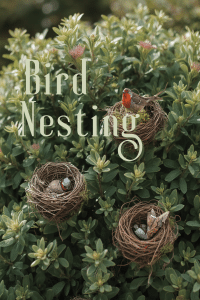
Predators like cats and snakes can harm birds in nesting shrubs. Shrubs with thin branches offer less protection. Birds need safe places to hide.
Plant dense shrubs with thick branches. Keep the area clean to avoid attracting predators. Use natural barriers like thorny plants nearby.
- Choose dense, thorny shrubs
- Clear away trash and food scraps
- Place thorny plants around nesting shrubs
- Monitor for predator signs regularly
Credit: www.monrovia.com
Frequently Asked Questions
What Are The Best Bird Nesting Shrubs?
The best bird nesting shrubs include lilac, elderberry, and serviceberry. These shrubs provide shelter, food, and safety for birds. They attract various bird species by offering dense foliage and berries. Planting these shrubs enhances your garden’s biodiversity and supports local wildlife effectively.
How Do Bird Nesting Shrubs Benefit Birds?
Bird nesting shrubs offer birds safe nesting sites and protection from predators. They supply food sources like berries and insects. These shrubs create a natural habitat that supports bird reproduction and survival. Overall, they improve the ecosystem by sustaining bird populations.
When Is The Best Time To Plant Nesting Shrubs?
The ideal time to plant bird nesting shrubs is during early spring or fall. These seasons provide moderate temperatures and moisture, helping shrubs establish roots. Planting then ensures strong growth before winter or summer stress. This timing maximizes shrub survival and bird attraction.
Can Bird Nesting Shrubs Attract Specific Bird Species?
Yes, different shrubs attract specific bird species based on berries and shelter. For example, elderberry attracts thrushes, while dogwood appeals to cardinals. Understanding shrub preferences helps attract desired birds to your garden. This boosts birdwatching opportunities and ecological balance.
Conclusion
Bird nesting shrubs offer a safe haven for our feathered friends. These shrubs provide shelter, food, and a perfect spot for nests. Planting them supports local bird populations. They also add beauty to your garden. Choose shrubs that suit your climate and space.
Watch birds thrive and bring life to your yard. Enjoy the sights and sounds of nature up close. Create a welcoming environment for birds today. It’s simple and rewarding. A small effort for a big impact on wildlife. Your garden becomes a vibrant, lively space.
Embrace nature’s charm with bird nesting shrubs.