
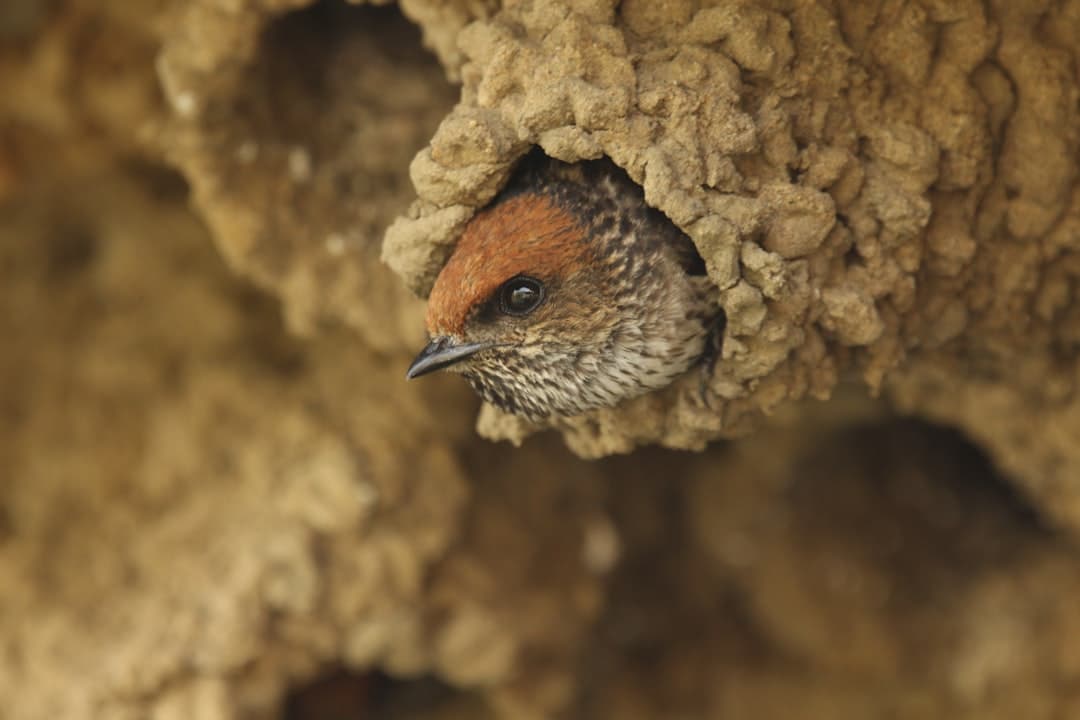
Have you ever wondered How Do Birds Hide Nests and keep them safe from predators and curious eyes? You might think it’s just luck or chance, but there’s a clever strategy behind it.
Birds use smart hiding techniques that help protect their eggs and chicks. You’ll discover the secrets of how birds hide nests so well, and why these tactics matter. By the end, you’ll see nature’s creativity in a whole new light—and maybe even spot some hidden nests yourself! Keep reading to unlock these fascinating secrets.
Credit: www.robertgroosphotography.com
Nest Placement Strategies
Birds use many ways to hide their nests. These ways help keep eggs and chicks safe. Nest placement is very important.
Birds choose spots that protect their nests from predators and bad weather. They use natural features to stay hidden.
Choosing Concealed Locations
Birds pick places that are hard to see. They look for thick bushes or dense tree branches. These spots block the view of their nests.
Some birds also hide nests in tree holes or behind large leaves. This keeps nests out of sight from animals and people.
Utilizing Natural Cover
Birds use leaves, grass, and twigs to cover their nests. This natural cover blends the nest into the environment. It helps avoid predators.
Sometimes birds place nests under plants or vines. This adds extra layers of protection and makes the nest hard to find.
- Leaves hide nests from above
- Twigs break up nest shape
- Vines create a shield around nests
Elevated Vs Ground Nests
Some birds build nests high in trees. Others make nests on the ground. Both choices have pros and cons.
Elevated nests are safer from ground predators. Ground nests are easier to hide with plants and rocks nearby.
- Elevated nests: safer but more visible
- Ground nests: hidden but risk from animals
- Birds choose based on their environment and threats

Credit: blog.lauraerickson.com
Materials For Camouflage
Birds use many materials to hide their nests from predators. These materials help nests blend with the environment. Camouflage keeps eggs and chicks safe.
Birds choose materials that match the colors and textures around their nests. They use natural things found close by. This helps nests stay hidden.
Blending With Surroundings
Birds pick materials that look like their nest’s background. This makes the nest hard to see. The colors and shapes match the area well.
They often use twigs, leaves, and bark that match the ground or trees. This helps the nest mix in with rocks, soil, or tree branches.
Using Local Plants And Debris
Birds collect plants and debris from the area near the nest. Using local materials helps the nest blend in naturally. Leaves, moss, and grass are common choices.
They also use small sticks and dry leaves. These items match the color and texture of the nest’s surroundings. This makes the nest less noticeable.
- Leaves that match the season’s color
- Moss for soft texture and green color
- Grass blades that blend with nearby plants
- Small twigs and bark pieces
Incorporating Insect Casings And Feathers
Some birds add insect casings and feathers to their nests. These materials add natural patterns and colors. They break up the nest’s shape and make it harder to spot.
Feathers can match the bird’s colors or the environment. Insect casings add texture and small shadows. These details help the nest blend in better with nature.
- Nest researchers highlight the master materials: “The most effective camouflage often involves lichen flakes and spider silk. Hummingbirds and gnatcatchers use spider silk not just for strength, but to ‘shingle’ the outside of their nests with lichen. This creates an optical illusion known as disruptive coloration, which breaks up the visual outline of the cup nest, making it look exactly like a natural knot or bump on a tree branch.”
Nest Shape And Structure
Birds use different shapes and structures to hide their nests. The way a nest is built helps keep eggs and babies safe. Nest shape can confuse predators and blend into the environment.
Birds choose shapes that make their nests hard to find. They also pick designs that fit their surroundings. This helps them stay hidden and protect their young.
Irregular Shapes To Avoid Detection
Many birds build nests with uneven or odd shapes. These shapes break up the outline of the nest. This makes it hard for predators to spot them.
Irregular shapes can look like natural debris or broken branches. This tricks animals into ignoring the nest. The uneven form also reduces shadows that might reveal it.
Compact Vs Open Designs
Some birds make compact nests that are small and tight. These nests keep eggs warm and hidden. Other birds build open nests that are larger and more visible.
Compact nests are usually better for hiding. Open nests rely more on camouflage and location. Both designs help birds protect their young in different ways.
- Compact nests: small, tight, warm, hidden
- Open nests: larger, exposed, camouflaged
Mimicking Natural Objects
Birds often build nests that look like natural objects. They use twigs, leaves, and moss to copy their surroundings. This helps nests blend into trees or bushes.
Some nests look like clumps of dirt or dead leaves. Others may look like part of a tree branch. This mimicry fools predators and protects the nest from harm.
Behavioral Tactics
Birds use special behaviors to hide their nests from predators. These actions help keep eggs and chicks safe.
Different birds use different strategies. Some move quietly, some distract enemies, and others change where they build nests.
Silent Approaches And Departures
Birds often fly quietly when leaving or coming back to their nests. Loud sounds can alert predators to the nest’s location.
They use slow, careful movements to avoid making noise. This helps keep their nest hidden.
- Fly low to avoid drawing attention
- Land softly on branches or leaves
- Wait for quiet moments to approach the nest
Distracting Predators
Some birds trick predators to protect their nests. They act like they are hurt to draw attention away.
This behavior makes predators follow the bird, not the nest. The bird leads the predator far from the eggs or chicks.
- Fake a broken wing to seem easy prey
- Make loud noises away from the nest
- Fly in a way that confuses the predator
- Ecologists classify this behavior: “The ‘broken-wing’ act is formally known as a Distraction Display or Injury-Feigning. It is a high-stakes gamble where the parent bird deliberately makes itself conspicuous and vulnerable to lure a predator away. This behavior is most common in ground-nesting species like the Killdeer, where the risk to the nest is highest, showing a direct evolutionary link between nest vulnerability and complex defense behaviors.”
Changing Nesting Sites
Some birds build nests in different places each season. This stops predators from learning where nests are.
Moving nests makes it hard for predators to find eggs. Birds pick new spots that are safe and hidden.
- Choose dense bushes or tall grasses
- Use natural camouflage like leaves or twigs
- Avoid places near old nests
Species-specific Techniques
Birds use different ways to hide their nests. These ways depend on their species and where they build nests.
Some birds nest on the ground, others in trees, and some inside hidden spaces. Each group has special tricks to stay safe.
Ground Nesters’ Camouflage Methods
Birds that build nests on the ground use colors and materials to blend with their surroundings. They choose spots with natural cover.
- Use dry leaves and grass to cover nests
- Pick spots with rocks or shrubs nearby
- Build nests that match the ground color
- Place nests near tall grass for extra cover
Tree Nesters’ Concealment Tricks
Birds nesting in trees hide nests among leaves and branches. They build nests that look like part of the tree.
| Species | Concealment Method |
| Weaver Birds | Weave leaves tightly around nests |
| Orioles | Hang nests from thin branches |
| Warblers | Use moss and lichen to cover nests |
| Finches | Build cup-shaped nests deep in dense foliage |
Cavity Nesters And Hidden Spaces
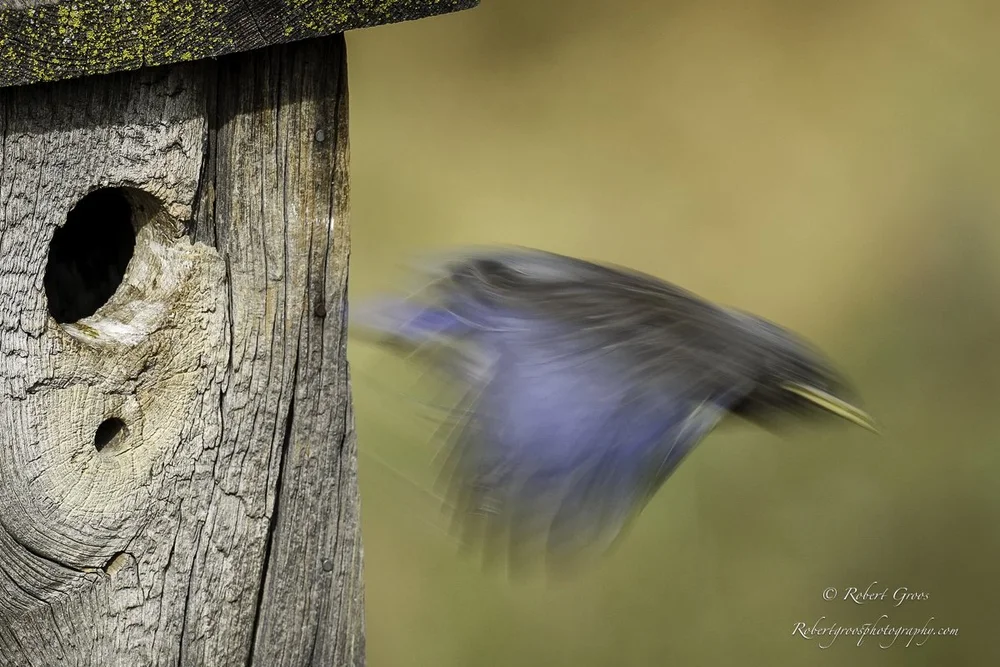
Cavity nesters use holes in trees or hidden spaces to keep nests safe. These spots protect nests from weather and predators.
Common cavity nesting places include:
- Old woodpecker holes
- Natural tree cavities
- Man-made nest boxes
- Hollow branches or stumps

Credit: www.youtube.com
Environmental Influences
Birds hide their nests to protect eggs and chicks from predators and harsh weather. The environment plays a big role in how and where they build nests.
Different factors like seasons, habitat, and human presence affect nest hiding strategies. Understanding these helps us learn about bird survival.
Seasonal Changes And Nest Visibility
Birds change their nest hiding tactics based on the season. In spring and summer, when leaves grow thick, nests are easier to hide. In fall and winter, birds use more natural cover like dried leaves and branches.
- Spring and summer: use dense leaves and branches
- Fall: rely on dead leaves and bark
- Winter: choose sheltered spots to block wind and snow
Impact Of Habitat Type
The type of habitat influences how birds hide nests. Forest birds use thick trees and shrubs. Grassland birds build nests low in tall grasses. Wetland birds hide nests among reeds and water plants.
| Habitat | Nest Hiding Method |
| Forest | High in dense trees or shrubs |
| Grassland | Low in tall grasses or bushes |
| Wetland | Among reeds and water plants |
Adaptations To Urban Settings
Birds in cities face many challenges. They hide nests in unusual places to avoid people and pets. Common spots include building ledges, vents, and dense ornamental plants.
Urban nest hiding strategies include:
- Using man-made structures like balconies and roofs
- Building nests in dense bushes or vines in gardens
- Choosing quiet and less disturbed areas
Frequently Asked Questions
How Do Birds Camouflage Their Nests Effectively?
Birds use natural materials like leaves, twigs, and moss to blend nests with surroundings. They often choose hidden spots in dense foliage. This camouflage protects nests from predators and harsh weather. Such strategies increase the survival rate of their eggs and chicks.
Where Do Birds Commonly Hide Their Nests?
Birds hide nests in dense shrubs, tall grasses, tree branches, and even underground. Some species prefer cavities or tree hollows. Location choice depends on species and environment. Hiding nests in these places reduces chances of detection by predators.
Why Do Birds Build Nests In Concealed Locations?
Concealed nests offer protection against predators and environmental threats. Hidden nests reduce visibility and disturbance. This increases the safety of eggs and chicks. Birds instinctively select spots that maximize offspring survival chances.
How Do Birds Use Materials To Disguise Nests?
Birds incorporate local materials matching the environment, like bark or leaves. They arrange these materials to mimic natural patterns and textures. This disguises the nest’s shape and color. It helps nests blend seamlessly into their habitat.
Conclusion
Birds use clever tricks to hide their nests. They choose hidden spots. Dense trees, thick bushes, or high branches work well. Camouflage is key. Nest materials match the surroundings. Predators find it hard to spot them. Birds also stay quiet near nests.
Less noise means less attention. Protecting their young is vital. These tactics help them succeed in raising chicks. Understanding these methods can deepen our appreciation of nature. Birds are amazing survivors. Their strategies show true ingenuity. Observing them can teach us much about the natural world.
Nature never ceases to amaze.
- Wildlife experts advise on nest safety: “The greatest threat to a hidden nest is often the human observer. If you spot a nest, the most important rule is the ‘One-Minute Rule.’ Never stay near a nest for more than one minute. Your scent creates a trail for predators like raccoons to follow later, and your presence can keep parents away from incubating eggs. Enjoy the discovery for a moment, then move away quickly to keep the secret safe.”



