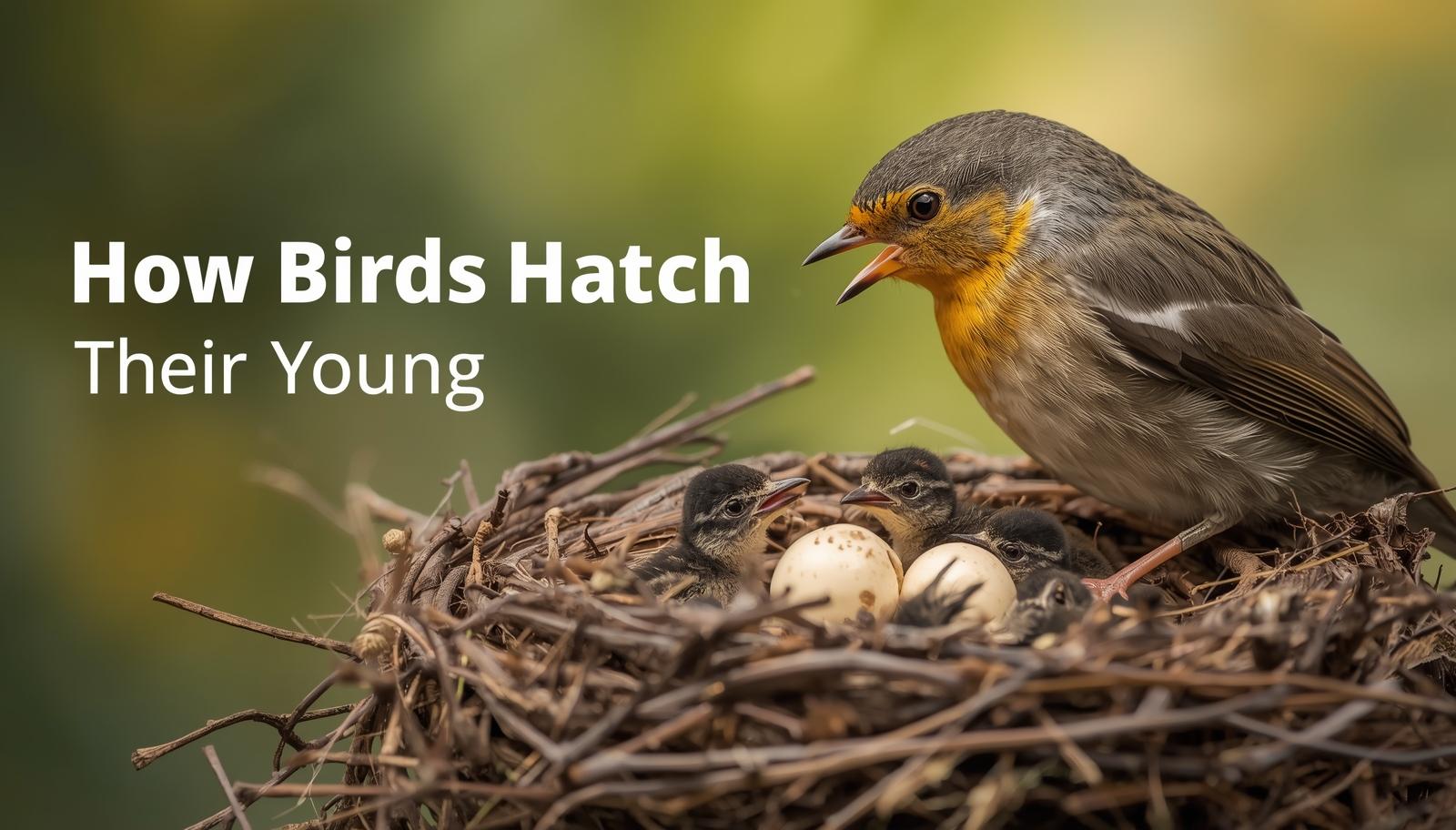
Have you ever wondered how birds bring new life into the world? The process of hatching their young is full of surprising details you might not know.
From the moment a bird lays its eggs to the first time baby birds see the light, there’s a fascinating story waiting for you. Understanding how birds hatch their young will change the way you watch them in your backyard or on your next walk outside.
Keep reading, and you’ll discover the amazing secrets behind this natural miracle.

Credit: en.wikipedia.org
Egg Formation And Laying
Birds hatch their young by first forming eggs inside their bodies. The eggs hold the growing baby birds until they are ready to hatch.
After the eggs form, birds lay them carefully in nests. These nests protect the eggs and keep them warm.
Anatomy Of Bird Eggs
Bird eggs have several parts that help protect and feed the baby inside. The outer shell is hard but porous. It lets air in but keeps water out.
Inside the shell, there is the yolk and the egg white. The yolk provides food for the growing bird. The egg white surrounds the yolk and protects it from damage.
- Shell: Hard outer layer with tiny holes
- Yolk: Food supply for the embryo
- Egg white: Cushions and protects the yolk
- Membranes: Keep the egg’s shape and protect the embryo
Nest Building And Selection
Birds build nests to keep their eggs safe and warm. They use different materials like twigs, leaves, and feathers.
Birds choose nest spots carefully. They look for places hidden from predators and protected from bad weather.
- Twigs and grass for structure
- Soft materials for comfort
- Hidden locations for safety
- Warm places to keep eggs warm
Timing And Frequency Of Laying
Birds lay eggs at certain times of the year. They often choose spring or summer when food is easy to find.
The number of eggs depends on the bird species. Some birds lay one or two eggs, while others lay many at once.
- Spring and summer are common laying seasons
- Birds lay eggs over several days
- Clutch size varies by species
- Birds may lay eggs once or multiple times per year
Incubation Process
Birds hatch their young through a careful incubation process. This process helps keep the eggs warm and safe until the chicks are ready to break out.
Each bird species has unique ways to protect and care for their eggs. The parents work hard to create the best conditions for their future chicks.
Heat Regulation And Parental Roles
Bird parents keep eggs warm by sitting on them. This warmth is needed to help the embryo grow inside the egg. Both mother and father may share this duty in some species.
- One parent may stay on the nest while the other finds food.
- Parents use their bodies to keep eggs at a steady temperature.
- Feathers and body heat protect eggs from cold or heat.
- Wildlife researchers emphasize precise thermal control: “The most critical period for incubation, where any sustained drop in temperature can lead to embryo death, is the final third of the incubation period. At this stage, the developing vascular system requires absolutely consistent thermal regulation, which is why parents become fiercely territorial and rarely leave the nest once the eggs are nearing the hatching date.”
Duration And Environmental Factors
The time eggs take to hatch varies by species. Weather and nest location also affect this time. Cooler temperatures can slow development, while too much heat can harm eggs.
| Bird Species | Incubation Days | Common Environmental Factor |
| Robin | 12-14 | Moderate temperature |
| Owl | 28-35 | Cool, shaded nests |
| Duck | 24-28 | Near water, humid |
Egg Turning And Protection
Parents turn their eggs often. This keeps the embryo from sticking to the shell and helps it grow evenly. Parents also protect eggs from predators and weather.
Common egg turning and protection actions:
- Turning eggs several times a day
- Covering eggs with feathers when leaving the nest
- Choosing hidden or hard-to-reach nest sites
- Chasing away threats near the nest
Embryo Development Inside The Egg
Bird embryos grow inside eggs until they are ready to hatch. The egg protects the embryo and provides everything it needs to develop.
The process of growth inside the egg is carefully timed. The embryo changes from a tiny cell to a fully formed chick.
Stages Of Growth
The embryo starts as a single cell that divides many times. It forms layers that become different body parts.
By the middle of development, the embryo has a beating heart and limbs. Near the end, feathers and organs grow.
- Day 1-3: Cell division and layer formation
- Day 4-7: Heart and limb buds appear
- Day 8-14: Feathers and organs develop
- Day 15-21: Growth and preparation for hatching
Nutrient Supply And Waste Removal
The yolk inside the egg supplies nutrients to the growing embryo. It has fats, proteins, and vitamins the embryo needs.
The embryo also removes waste through the eggshell membranes. This keeps the environment inside the egg clean and safe.
- Yolk provides energy and building blocks
- Albumen (egg white) offers water and protection
- Membranes filter gases and remove waste
- Eggshell allows oxygen to enter and carbon dioxide to leave
Impact Of Temperature And Humidity
Temperature affects how fast the embryo grows. Too cold or too hot can stop development or cause problems.
Humidity keeps the egg from drying out. If it is too dry, the embryo can stick to the shell and die.
- Ideal temperature is usually around 99-102°F (37-39°C)
- Proper humidity helps maintain egg moisture
- Low humidity can cause dehydration
- High humidity can cause too much water inside the egg

Credit: masterofhort.com
Hatching Mechanics
Birds hatch their young through a careful and active process. The baby bird must break out of the egg shell to begin life outside.
This process takes time and involves special tools and movements inside the egg. It shows how strong and prepared the chick is.
Breaking The Shell
The chick inside starts breaking the shell from the inside. It uses its beak to tap and crack the shell.
This tapping creates small cracks called pips. The chick makes many pips to slowly open the shell.
Role Of The Egg Tooth
The chick has a small, sharp bump on its beak called the egg tooth. This helps break the hard shell.
The egg tooth falls off soon after hatching since it is only needed to break the shell.
Timeframe And Challenges
Hatching can take several hours or even a whole day. The chick must rest between breaking attempts.
Challenges include weak shells, lack of oxygen, and staying safe from predators during this vulnerable time.
- Hatching lasts 12 to 24 hours on average
- Chicks rest to save energy
- They must avoid drying out inside the egg
- Parents often protect the nest during hatching
Post-hatching Care
After birds hatch their young, care continues for several weeks. The parents help the chicks grow strong and safe.
This stage is very important to make sure the chicks survive and learn what they need.
Feeding And Warmth
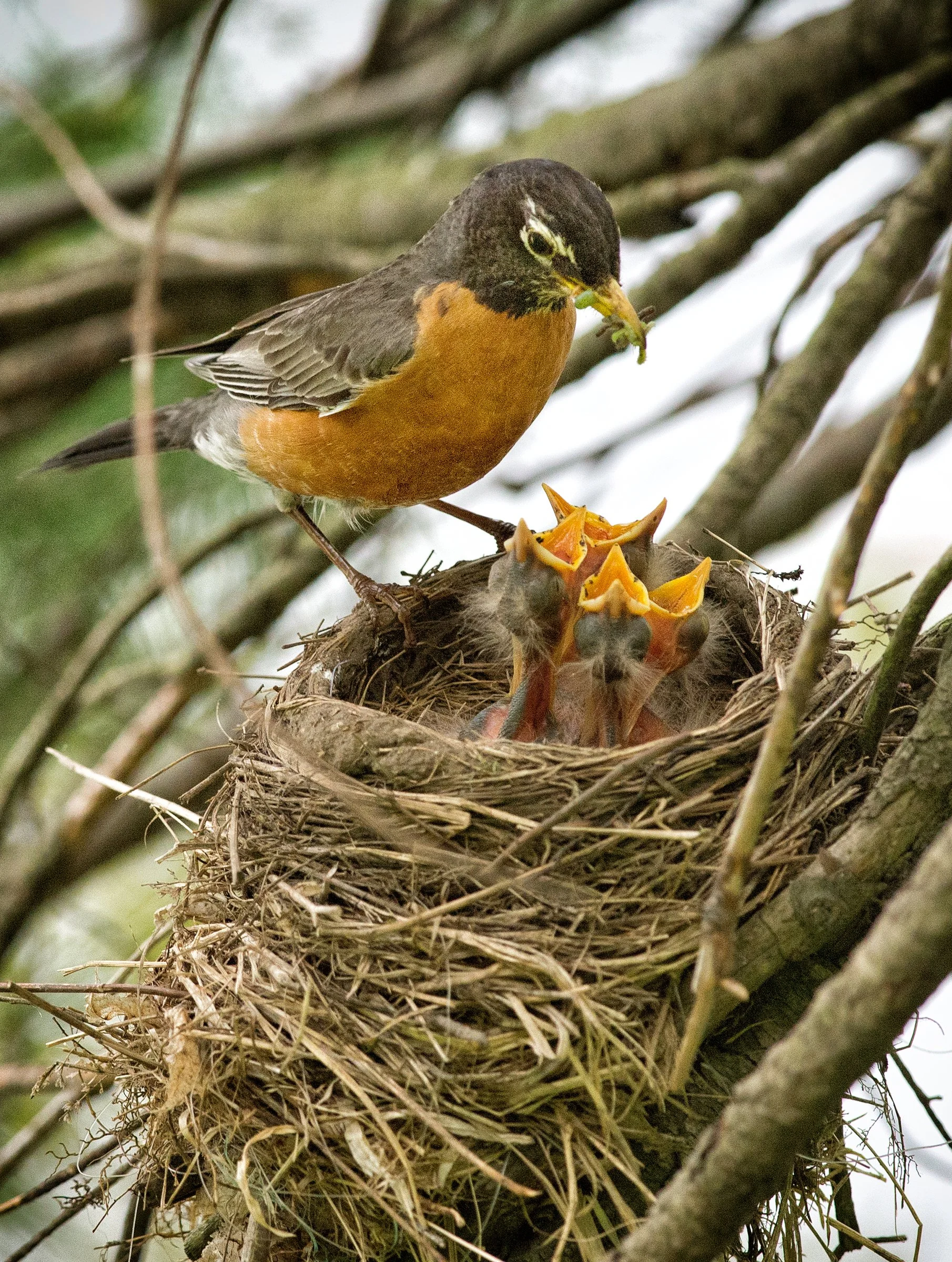
Parent birds feed their chicks many times a day. They bring insects, worms, or regurgitated food. The young need food that is easy to digest.
- Feed small amounts often
- Keep the chicks warm with body heat
- Use feathers to cover the chicks at night
- Remove waste to keep the nest clean
- Nutritionists highlight the need for protein: “For altricial songbirds, the primary diet requirement for the first week is animal protein, not seeds. Parents must provide high volumes of insects and arthropods—such as caterpillars and spiders—because these foods have the highest water content and amino acid profile needed for rapid bone and feather growth. A diet high in seeds at this stage would be inadequate, sometimes leading to developmental failure.”
Protection From Predators
Parents watch the nest closely. They try to scare away animals that want to eat the chicks. Some birds stay silent to avoid drawing attention.
| Predator | Protection Method |
|---|---|
| Snakes | Parents attack or distract |
| Larger birds | Alarm calls and mobbing |
| Mammals (cats, raccoons) | Hiding and nest placement |
Learning To Fly And Independence
As the chicks grow, parents teach them to fly. The young birds practice wing flaps and short flights near the nest.
- Stretch wings and flap while perched
- Make short flights around the nest
- Follow parents to find food
- Practice flying longer distances
- Gain strength to leave the nest
Credit: chicagobirdalliance.org
Unique Hatching Strategies
Birds use many ways to hatch their young. These strategies help their chicks survive in different environments.
Some birds let others raise their chicks. Others prepare their babies to be ready to move fast after hatching.
Brood Parasitism
Brood parasitism means a bird lays eggs in another bird’s nest. The host bird raises the young as its own.
This saves the parasitic bird time and energy. It does not have to build a nest or feed the chicks.
- Common in cuckoos and cowbirds
- Host birds may reject foreign eggs
- Parasitic chicks often hatch earlier
- They may push out host eggs or chicks
Precocial Vs Altricial Species
Precocial chicks hatch with open eyes and down feathers. They can walk and feed shortly after hatching.
Altricial chicks hatch blind, naked, and helpless. They need constant care and feeding from parents.
- Precocial: ducks, chickens, shorebirds
- Altricial: songbirds, hawks, owls
- Precocial chicks leave the nest early
- Altricial chicks stay in nest until strong
Environmental Adaptations
Birds adapt their hatching to different environments. This helps protect eggs and chicks from dangers.
Some birds lay eggs with thick shells in hot places. Others bury eggs to keep them safe from predators.
- Desert birds use shade and burrows
- Water birds build floating nests
- Cold climate birds keep eggs warm with body heat
- Some birds adjust hatching time to seasons
Frequently Asked Questions
How Long Do Birds Incubate Their Eggs?
Bird incubation lasts between 10 to 80 days, depending on species. Most songbirds incubate for about two weeks. During this time, parents keep eggs warm and safe until hatching.
What Triggers Baby Birds To Hatch From Eggs?
Baby birds hatch when fully developed inside the egg. They use an egg tooth to break the shell. Temperature and parental care also influence the hatching process.
How Do Parent Birds Care For Hatchlings?
Parent birds feed hatchlings with regurgitated food. They protect them from predators and keep them warm. Care continues until young birds can fly and find food independently.
Can Bird Eggs Hatch Without Parental Incubation?
In most bird species, eggs need warmth from parents. Artificial incubation can work but requires precise temperature and humidity control. Without warmth, eggs usually won’t hatch successfully.
Conclusion
Birds hatching their young is a fascinating process. Each species has its own unique way. From building nests to incubating eggs, it’s a delicate journey. Parents work hard to protect and nurture their eggs. The hatching moment is truly magical.
Tiny chicks emerge, ready to explore the world. This incredible cycle continues, ensuring the survival of many bird species. Observing this process helps us appreciate nature’s wonders. Birds remind us of life’s beauty and perseverance. Their dedication teaches important life lessons.
Watching these creatures inspires awe and respect. Nature’s marvels never cease to amaze us.