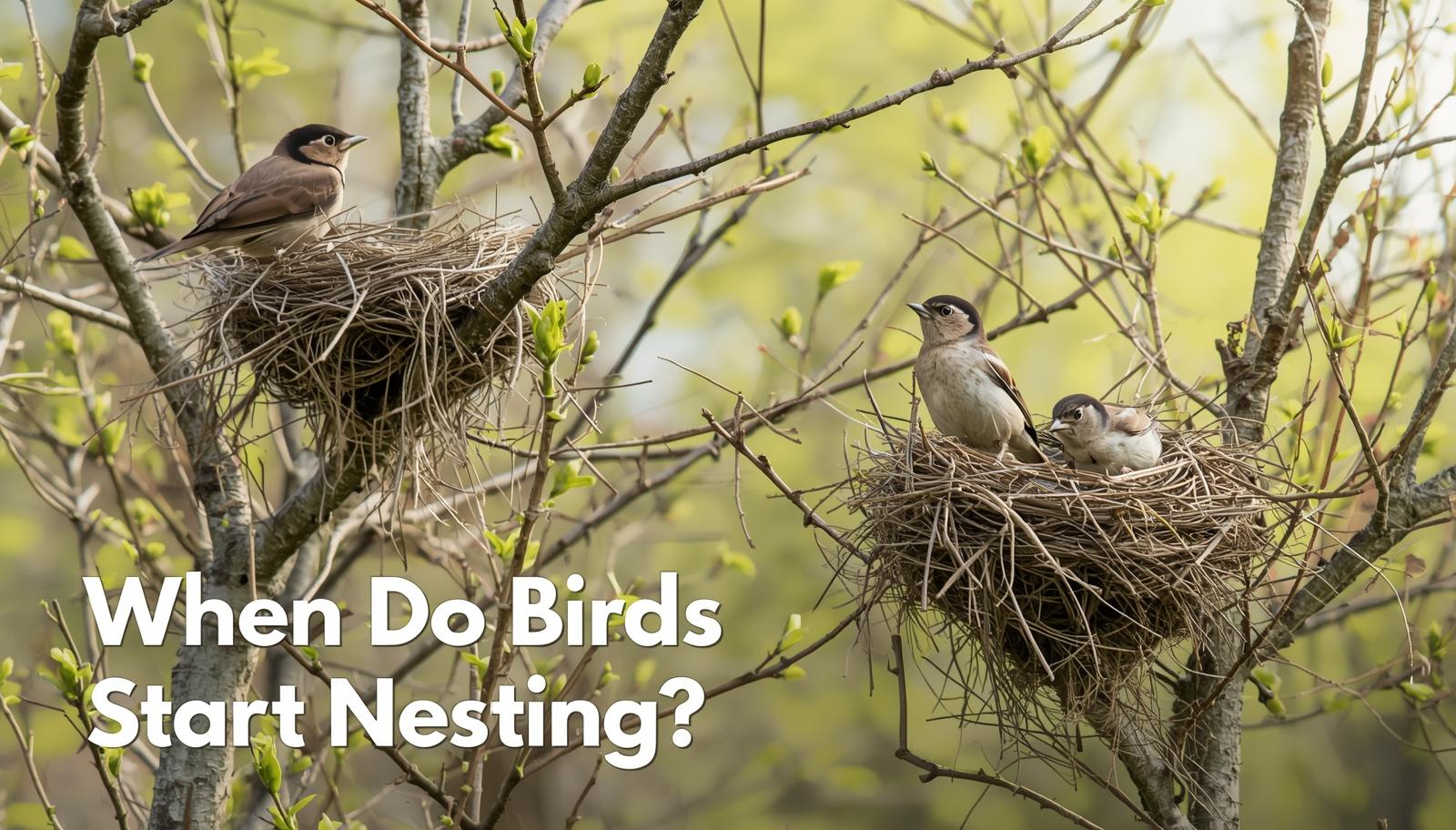
You might see a bird building a home. You might ask, When Do Birds Start Nesting? The answer links you to nature. Bird lovers enjoy these spring sights. Gardeners love the sounds of birds. Understanding this help you spot nests early.
Read more to find the signs. Learn how birds pick the right time. Your bird-watching trip starts now.
Nesting Season Timing
Birds build nests at different times. Each species follows its own plan. The bird nesting season is for building and laying eggs.
This timing helps the young birds. It ensures food is ready for them. The weather must be safe too.
Early Nesters
Some birds start very early. They build nests in the cold. Robins and woodpeckers are early birds. They want to avoid fights for food.
-
Robins start in late February.
-
Woodpeckers begin in early spring.
-
Early starts help chicks grow fast.
Late Season Builders
Other birds wait for late spring. They start after early birds finish. These birds often raise many families. Late starts help them avoid cold snaps.
-
Swallows nest in late spring.
-
Bluebirds do the same.
-
Sparrows might wait for early summer.
Regional Variations
Location changes the start date. Heat and food matter a lot. Birds in warm spots start first. Northern birds wait for the heat.
| Region | Typical Nesting Start |
| Southern United States | February to March |
| Northern United States | April to May |
| Canada and Alaska | May to June |
| Tropical Regions | Varies year-round |
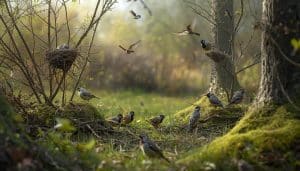
Credit: swibirds.org
Signs Birds Are Nesting
Warm weather signals a start. Birds find safe spots. Watch how they act. The signs birds are nesting include clear behaviors.
Birds act differently during this time. They collect items and guard their space. They also make new sounds.
Gathering Nesting Materials
Birds collect twigs and leaves. They fly back and forth. You will see them carry grass. Soft items line the inside.
-
Twigs make the base.
-
Leaves add padding.
-
Feathers keep the nest warm.
-
Mud helps hold it together.
Territorial Behavior
Birds protect their space. They chase others away. They pick hidden spots. This keeps predators away.
-
They guard the site.
-
They act tough toward intruders.
-
They use visual signs.
-
They pick hard spots to reach.
Bird Calls And Songs
Special sounds fill the air. These calls attract mates. Singing gets louder near egg time. It marks their home.
-
Songs bring in a mate.
-
Calls tell others to stay out.
-
Alarm calls warn of cats.
-
Soft chirps mean the young eat.
Popular Nesting Sites
Birds need safe homes. Safe spots protect the young. Many birds start in spring. This happens when heat returns.
Each bird likes a different spot. Some go high. Others hide on the ground. We can watch them from afar.
Trees And Shrubs
Trees offer great shelter. They block wind and rain. Leaves hide the nests. Small birds love these spots.
Robins and sparrows use trees. Shrubs hide birds that stay low. They use moss and twigs here.
Man-made Structures
Birds use buildings and poles. These spots stay high. Nest boxes help them find homes. Pigeons like ledges.
Some birds use old nests on roofs. Swallows like bridges. City birds need these structures. They stay safe there.
Ground Nests
Some birds nest on the ground. They hide in tall grass. Plovers and quails do this. They stay very quiet.
Dry grass makes the nest soft. These nests are hard to see. It helps them hide from foxes. Quiet birds stay safe.
Impact Of Weather And Climate
Weather guides the bird. Climate dictates the start. Heat and rain change plans. These factors help chicks survive.
Temperature and rain are key. Long trends also change things. Birds pick the best time for kids.
Temperature Effects
Warm days signal the start. Birds build when heat arrives. Cold days cause delays. Knowing when do birds nest depends on heat.
-
Heat makes nesting go fast.
-
Cold stops the birds.
-
Frost can hurt the eggs.
“While temperature and food availability matter, the single most reliable trigger for a bird to initiate breeding hormones is photoperiod—the increasing length of daylight. The duration of light exposure is a precise biological clock that tells birds, regardless of a temporary cold snap, that the breeding season is truly imminent.” (Source: Physiologists/Ornithology Research)
Rainfall Influence
Rain affects the food supply. Birds need bugs for chicks. Floods can ruin a nest. Dry weather limits food.
-
Light rain helps the plants.
-
Heavy rain breaks the nest.
-
Drought means fewer bugs.
Climate Change Trends
Changing climates shift dates. Birds adjust to new patterns. Some struggle to survive. Others move to new areas.
-
Warm air leads to early starts.
-
Wild weather causes huge problems.
-
Birds move to find cool air.
Species-specific Nesting Habits
Each bird has a routine. Habits change by species. Understanding this bird nesting timeline helps us save them.
We can protect their homes. We can help them live.
Songbirds
Songbirds start in early spring. They use shrubs and bushes. Grass and feathers make beds.
-
They start when heat rises.
-
They like quiet spots.
-
Some raise two families.
Waterfowl
Ducks start in late spring. They stay near the water. Reeds and down keep eggs warm.
-
They hide near lakes.
-
Some build nests that float.
-
Parents guard the site well.
Raptors
Hawks start in late winter. They build high on cliffs. Large sticks make the base.
-
They reuse old nests.
-
They want a good view.
-
Both parents build the home.

Credit: www.npr.org
How To Support Nesting Birds
Birds start in early spring. They need safe spots. You can help them. Give them food and water.
Protecting them helps families grow. It keeps the birds safe.
Providing Safe Habitats
Grow native trees and shrubs. Leave dead branches alone. Install a birdhouse. Avoid cutting trees in spring.
-
Plant local flowers.
-
Keep brush piles for cover.
-
Put up nest boxes.
-
Stay away from nesting trees.
Avoiding Disturbances
Keep pets away from nests. Loud noises scare birds. Do not touch the nests. Stay back to be safe.
-
Keep your distance.
-
Do not do yard work near nests.
-
Tell friends to stay away.
-
Use signs in parks.
Feeding And Watering Tips
Give fresh water daily. Offer seeds and fruit. Clean dishes prevent sickness. Place food near cover.
-
Keep the water clean.
-
Place feeders in safe spots.
-
Give them sunflower seeds.
-
Change water every day.
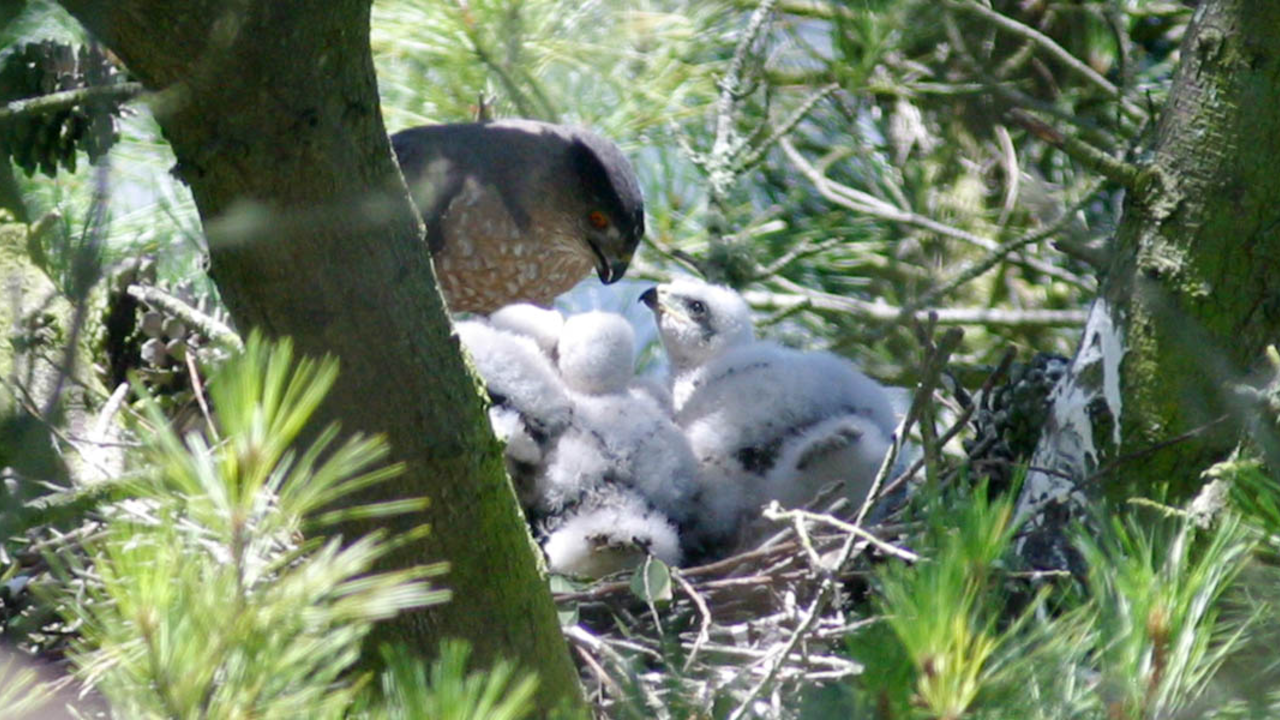
Credit: www.parksconservancy.org
Frequently Asked Questions
When Do Most Birds Start Nesting In Spring?
Most birds start in early spring. Heat and food guide them. This keeps the chicks safe.
How Does Weather Affect Birds’ Nesting Time?
Birds wait for warm days. Bad weather can stop them. They want to protect the eggs.
Do All Bird Species Nest At The Same Time?
No, every bird is different. Some nest all year. Most use the spring.
What Triggers Birds To Start Building Nests?
Light and heat are the triggers. Hormones change in the bird. This starts the season.
Conclusion
Spring brings new nests. Many things change the time. Location and species matter most. Warmer spots start early. Cold spots wait a bit.
Watching them is fun. Nature has a rhythm. Knowing When Do Birds Start Nesting helps us. It helps us save nature. Cherish these spring days. Enjoy the birds around you. Look for the wonders of nature.