Bird Nesting Areas: Why They Matter and How to Help
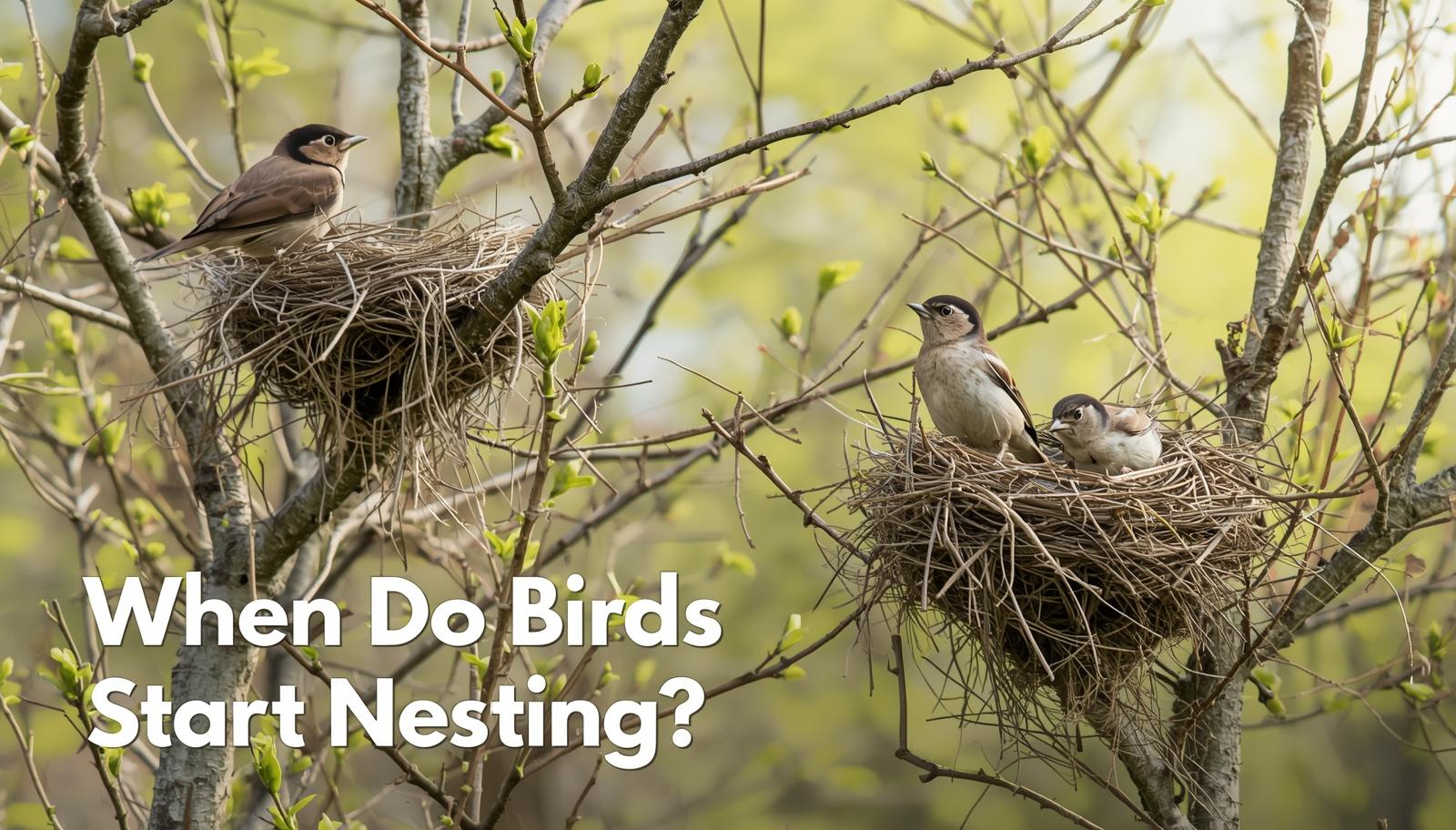
Do you wonder where birds feel safe? Bird nesting areas are vital. Life begins here. Nature thrives in these spots.
These spots change how you see the world. You discover secrets about nature. This brings you closer to wildlife. Keep reading. You will learn to protect these amazing creatures. Spot these areas easily. Learn why they matter. Make a difference right at home.
Importance Of Bird Nesting Areas
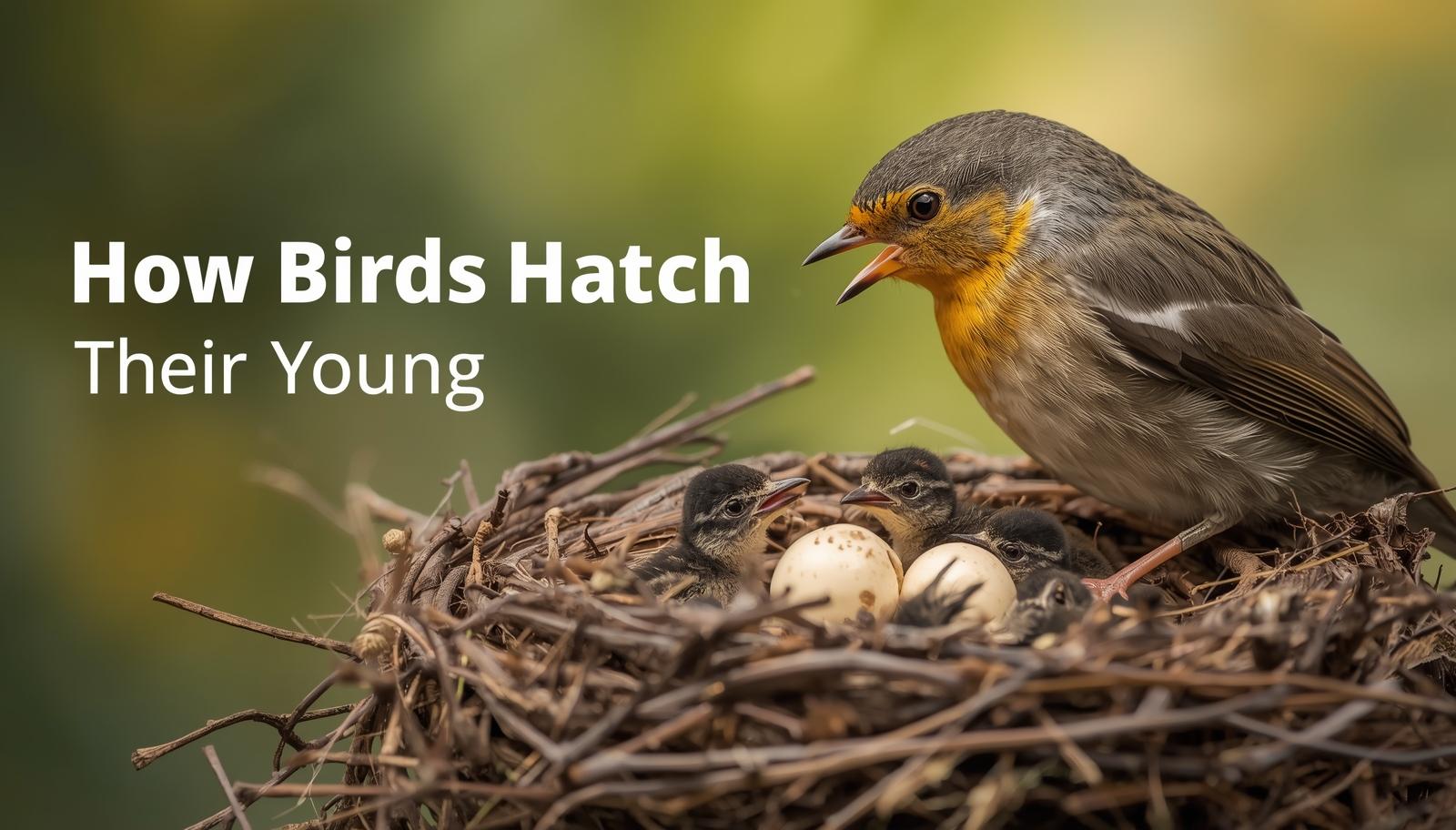
Birds build nests to raise young. These spots provide safety. They offer resources for survival.
We must protect these areas. This keeps species healthy. It supports nature’s balance.
Role In Ecosystem Balance
Nests help balance nature. Birds eat insects. They spread seeds too. This helps forests grow.
Safe nests mean fewer pests. Birds move seeds to new places.
-
Birds eat harmful bugs.
-
Seeds grow in new spots.
-
Droppings add food to soil.
Impact On Bird Populations
Nests give birds a safe space. They lay eggs here. Bird numbers drop without them.
Protection helps birds survive storms. They avoid predators too. This keeps families strong.
-
Chicks survive better in safe spots.
-
Less noise means healthier families.
-
Stable areas support more species.
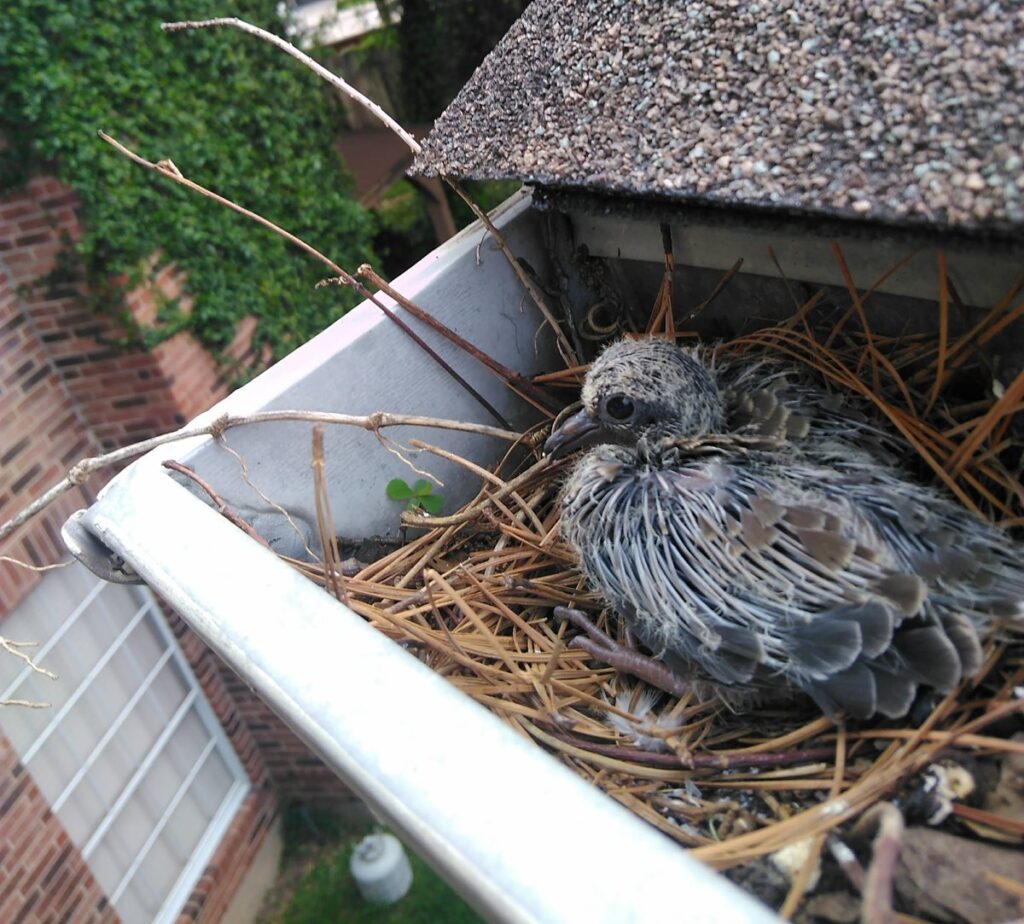
Credit: www.crittercontrol.com
Common Threats To Nesting Sites
Nesting sites must stay safe. Birds need health to survive.
Many threats exist today. Dangers stop birds from nesting. They harm young chicks.
Habitat Destruction
Destruction destroys homes. People cut down forests. They change natural places.
Farms and roads remove nesting spots. Birds lose food sources.
-
Tree cutting removes homes.
-
Dry wetlands kill nesting grounds.
-
Farming changes the land.
-
Cities replace nature.
Legal Warning: "Protect migratory birds from March 1st through August 31st. Do not destroy active nests. Avoid tree removal during this time." – Wildlife Protection Laws.
Pollution And Climate Change
Pollution makes homes dirty. Chemicals poison the water.
Climate change brings extreme weather. Floods destroy nests. Food becomes hard to find.
-
Oil spills hurt feathers.
-
Pesticides kill birds and bugs.
-
Heat changes breeding times.
-
Storms break nests.
Human Disturbance
People scare birds easily. Loud noises cause panic. Birds leave if they feel fear.
Pets damage nests too. Predators like cats and rats harm chicks.
-
Walking near nests scares birds.
-
Boats make loud sounds.
-
Pets attack nests.
-
Construction breaks the peace.
Choosing Safe Nesting Locations
Birds need safe spots. The right spot protects eggs.
Safety keeps predators away. Birds use nature and cities.
Natural Vs Urban Areas
Forests offer plants for shelter. Urban areas have buildings. Birds face cars in cities.
-
Nature has more food.
-
Cities have more people.
-
Some birds use roofs.
-
Bushes provide better cover.
Key Features Of Ideal Sites
Good sites protect from weather. They offer easy food access.
Birds like quiet spots. Hidden places work best.
-
Cover: Trees hide the nests.
-
Safety: Stay far from enemies.
-
Food: Close to places with seeds.
-
Stability: Strong branches hold nests.
-
Weather: Block wind and rain.
Ornithologists point to the Weaver bird as the gold standard of nesting expertise. As seen in the provided video, the male Weaver bird uses a combination of its beak and feet to weave complex loops of grass [00:15]. This isn't just a pile of sticks; it’s a structural marvel that begins with a single foundational loop [00:23]. These birds can construct a nearly complete, weather-proof home in just a single day [01:09], demonstrating an incredible biological drive to provide a safe, stable environment for their young.

Credit: www.freepik.com
How To Protect Nesting Areas
Bird nesting areas are important for birds to raise their young safely. Protecting these places helps birds survive and thrive.
We can make simple changes to keep nesting areas safe from harm and disturbance.
Wildlife Behaviorists reveal a brutal truth about nesting: it's a high-pressure audition. Trust the process: In species like the Weaver, the female acts as a "building inspector." If the nest isn't perfectly woven or positioned for safety, she will often pull it to shreds, forcing the male to start over from scratch [03:39]. Because birds invest so much energy and "quality control" into their sites, even a small human disturbance can lead a female to reject a site she deems compromised, wasting days of the male's hard work.
Creating Bird-friendly Habitats
Build good habitats. Birds need food and shelter. Plant native trees and shrubs.
-
Grow plants with berries.
-
Keep dead wood for holes.
-
Put birdhouses in quiet spots.
-
Provide fresh water.
Garden Tip: "Group native shrubs tightly. Do not prune lower branches. This 'shrub layer' hides nests from predators. A messy garden is a safe garden." – Habitat Designer Insight.
Minimizing Human Impact
Human activities can scare birds away from their nests. Staying away from nesting spots during breeding season helps birds stay calm.
| Activity | How to Reduce Impact |
| Walking near nests | Use marked paths and keep distance |
| Loud noises | Lower volume and avoid sudden sounds |
| Pet access | Keep pets on leashes away from nests |
| Trash left behind | Pick up all litter to avoid attracting predators |
Controlling Predators
Keep cats away from nests. Remove food scraps.
-
Keep cats indoors.
-
Use fences around nests.
-
Trim low branches.
Research estimates free-roaming cats kill billions of birds annually in the US. Keep cats indoors during breeding season.
Community Involvement And Education
Bird nesting areas need support from the local community. Education helps people understand why these areas matter.
When residents learn about birds, they can help protect nests and habitats. This keeps bird populations healthy.
Engaging Local Residents
Residents watch for nests. They avoid disturbing them.
Events build respect for nature. Join the effort.
-
Create volunteer groups for monitoring.
-
Lead birdwatching walks.
-
Clean up nesting sites.
-
Host talks about birds.
Promoting Awareness Programs
Teach schools about safety. Reach parks and centers.
Share fun facts. Spread good habits.
-
Hand out flyers.
-
Run workshops.
-
Post signs in parks.
-
Share on social media.
Using Technology To Monitor Birds
Technology helps us watch. We learn about their homes. Study birds easily now.
Scientists use new tools. This protects birds better.
Tracking Nesting Patterns
GPS tracks bird movements. Cameras record behavior.
-
GPS shows where they go.
-
Cameras watch without noise.
-
Data finds safe zones.
Data For Conservation Efforts
Collected data guides efforts to save bird habitats. It helps groups decide where to focus protection work.
| Type of Data | Use in Conservation |
| Nesting Location | Identify key habitats |
| Breeding Success | Measure population health |
| Threat Detection | Spot dangers like predators or human activity |
Legal Measures And Conservation Policies
Laws protect bird homes. Policies guide our actions.
Rules balance nature and people.
Conservation Law Experts clarify a common point of confusion: "An 'active nest' is legally defined as any nest containing eggs or young. Authority Tip: Under the Migratory Bird Treaty Act, it is a federal crime to move or destroy an active nest of most native species. This is why professional landscapers and tree-trimmers are required to perform a 'nest check' before starting work during the spring and summer. If a nest is found, the project must be legally paused until the chicks have naturally fledged."
Protected Areas And Regulations
Governments create protected zones to save bird habitats. These zones limit building and hunting in nesting areas.
- National parks and wildlife reserves restrict access during nesting seasons.
- Local laws forbid cutting down trees where birds nest.
- Fines and penalties apply for breaking these rules.
- Environmental impact assessments must consider bird nesting sites.
Supporting Wildlife Organizations
Wildlife groups help enforce laws and raise awareness. They also work with communities to protect birds.
| Organization | Role | Key Activity |
| Birdlife International | Advocacy | Protects global bird habitats |
| Audubon Society | Education | Teaches about bird conservation |
| Royal Society for the Protection of Birds | Research | Monitors bird populations |
Frequently Asked Questions
What Habits Are Best?
Forests and wetlands are great. They offer shelter and food.
How Do Birds Choose?
They want safety and food. They avoid predators.
Why Are Nests Important?
They support nature's balance. Birds control pests here.
How Can I Help?
Do not disturb nests. Plant native trees.
Conclusion
Bird nesting areas are vital for bird survival. They need protection and care. These spaces provide safe spots for eggs and young birds. Conserving these habitats ensures bird species thrive. Everyone can help by supporting local conservation efforts. Plant native trees and shrubs in your garden.
Be mindful of wildlife when exploring nature. Respect their space to keep them safe. By understanding the importance of these areas, we contribute to a healthier ecosystem. Let's cherish and protect these natural wonders. Small actions make a big difference for our feathered friends.
Together, we can ensure their future. Protecting nesting areas isn’t just for experts—it’s something everyone can help with. By caring for bird nesting areas, we encourage thriving wildlife, cleaner environments, and a more vibrant natural world.
Protecting bird nesting areas isn’t just for experts—it’s something everyone can help with. Simple actions, like planting native trees and shrubs, leaving dead wood for natural holes, providing fresh water, and keeping pets or loud noises away, create safe spaces for birds to lay eggs and raise their young. Each small effort supports not only the survival of individual birds but also the health of entire ecosystems. By caring for these vital habitats, we encourage thriving wildlife, cleaner environments, and a more vibrant natural world. Start today, and watch your backyard come alive with nature!