

How to Attract Birds in Cold Climates: Winter Feeding, Shelter, and Water Tips
Are you eager to welcome colorful birds to your yard, even when the cold weather sets in? Attracting birds during chilly months might seem tricky, but with the right tips, you can create a cozy haven that keeps them coming back.
Learning how to attract birds in cold climates can transform your backyard into a vibrant winter sanctuary.
Imagine the joy of watching vibrant feathers fluttering nearby while snow falls quietly around you. Keep reading to discover simple, effective ways you can make your outdoor space a warm retreat for birds all winter long. Your birdwatching experience is about to get a lot more exciting!
Choosing The Right Feeders
Attracting birds in cold climates means picking feeders that keep food safe and accessible. The right feeder helps birds find food easily during harsh weather.
By knowing how to attract birds in cold climates, you can ensure they find nutritious food all winter.
Different feeders suit different bird types and weather conditions. Choosing feeders made for cold weather will keep birds coming back all winter.
Understanding how to attract birds in cold climates is essential for any bird lover.
Types Of Feeders For Cold Weather
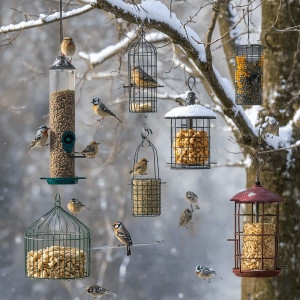
Feeders designed for winter protect seeds from snow and moisture. Tube feeders, hopper feeders, and suet cages are popular choices.
Choosing the right feeders is a key component in how to attract birds in cold climates.
- Tube Feeders:These have small feeding ports and covers that shield seeds from rain and snow.
- Hopper Feeders:They hold large amounts of seed and have roofs to keep food dry.
- Suet Feeders:Made for fat cakes, they attract woodpeckers and nuthatches in cold weather.
- Squirrel-Proof Feeders:Designed to stop squirrels, these keep food for birds only.
Placement Tips To Protect Feeders
Where you place feeders matters. Good placement keeps food dry and birds safe from wind and predators.
| Placement Tip | Benefit |
| Place feeders near shrubs or trees | Provides shelter and quick escape for birds |
| Hang feeders under eaves or covered areas | Protects food from snow and rain |
| Keep feeders away from strong winds | Prevents seed spillage and cold drafts |
| Use baffles or guards | Keeps squirrels and larger animals away |
Selecting Bird Food
Choosing the right food helps birds survive cold weather. Birds need extra energy to stay warm.
High-energy food is crucial for birds and a vital part of how to attract birds in cold climates.
Providing high-energy food attracts more birds to your feeder during winter.
High-energy Seeds And Nuts
Seeds and nuts give birds energy and nutrients. Sunflower seeds are popular because many birds like them.
Peanuts and safflower seeds also provide good fats and protein. These help birds keep their body heat.
- Black oil sunflower seeds – high in fat and easy to eat
- Peanuts – full of protein and fat
- Safflower seeds – good for cardinals and grosbeaks
- Nyjer seeds – small, for finches and small birds
Suet And Other Fat-rich Options
Suet is a solid fat that birds eat in winter. It gives them quick energy to stay warm.
You can buy suet blocks or make your own with fat and seeds mixed together. Many birds enjoy suet feeders.
Making your own suet is a great way to enhance how to attract birds in cold climates.
- Suet blocks with seeds and nuts
- Peanut butter mixed with birdseed
- Lard mixed with oats or cornmeal
- Fat balls with dried fruit and seeds
Creating Shelter And Water Sources
Birds need safe places to stay warm in cold weather. Providing shelter helps them survive harsh winters.
Providing natural shelter is one more aspect of how to attract birds in cold climates.
Water is also important, but it can freeze in cold climates. You can help birds by keeping water available and liquid.
Providing Safe Shelter Options
Birds look for places that protect them from wind, snow, and predators. You can offer shelters that meet these needs.
Use natural and artificial shelters to give birds a warm, safe spot during cold days and nights.
- Plant dense shrubs or evergreens for natural cover
- Hang birdhouses insulated with wood or thick material
- Place brush piles or leaf piles for ground shelter
- Keep bird feeders near shelters for easy access
Keeping Water From Freezing
Birds need fresh water to drink and bathe. Water freezes fast in winter, so you must keep it thawed.
Use simple tools and tricks to stop water from freezing and help birds stay healthy.
Maintaining water sources is essential to fully grasp how to attract birds in cold climates.
- Use heated birdbaths designed to prevent ice
- Change water often to keep it fresh and moving
- Place dark-colored containers to absorb sunlight
- Put water near shelter to protect it from wind

Maintaining The Feeding Area
Keeping the bird feeding area clean and safe is key in cold climates. Birds need fresh food and a secure place to eat.
It’s important to keep your area clean as part of how to attract birds in cold climates.
A well-maintained area helps birds stay healthy and visit often during winter.
Regular Cleaning Practices
Clean the feeding area at least once a week. Remove old seeds and bird droppings to stop disease.
Use warm water and mild soap to wash feeders. Rinse well to keep birds safe.
- Empty feeders before cleaning
- Scrub feeders with brush and soap
- Rinse feeders thoroughly
- Dry feeders before refilling
- Clear fallen seeds and debris
Preventing Predators
Keep predators away to protect birds during feeding. Place feeders where cats and squirrels can’t reach.
Use baffles or covers to block predators. Watch the area often to spot any dangers.
Protecting birds from predators plays a crucial role in how to attract birds in cold climates.
- Mount feeders on poles with baffles
- Keep feeding spots away from bushes
- Remove spilled seeds to avoid attracting pests
- Check for nests of predators nearby
- Use squirrel-proof feeders if needed
Timing And Patience
Attracting birds in cold climates takes time and patience. Birds need consistent food sources to visit your yard.
Patience is key when learning how to attract birds in cold climates.
Understanding when to feed and how to encourage visits helps create a welcoming environment for birds during winter.
Best Times To Feed
Feed birds early in the morning and late afternoon. These are times when birds need energy to stay warm and active.
- Morning feeding helps birds start their day with energy.
- Afternoon feeding supports birds before the cold night.
- Keep feeders filled during long cold spells.
- Avoid feeding in the middle of the day when birds rest.
Encouraging Bird Visits Over Time
Bird visits increase with patience and steady feeding. Give birds time to find and trust your feeders.
| Tip | Description |
| Consistency | Fill feeders regularly to build trust. |
| Variety | Offer different seeds to attract many species. |
| Quiet Area | Place feeders in calm spots to reduce bird stress. |
| Safe Shelter | Provide nearby bushes or trees for protection. |

Frequently Asked Questions
What Food Attracts Birds In Cold Climates?
High-energy foods like sunflower seeds, suet, and peanuts attract birds in cold climates. These foods provide essential fats and calories for warmth and survival during winter months.
Using high-energy foods is a proven method in how to attract birds in cold climates.
How To Keep Bird Feeders Ice-free In Winter?
Use heated bird feeders or place feeders in sheltered areas. Regularly remove ice buildup to ensure birds can access food easily during cold weather.
Heated bird feeders are a great solution for how to attract birds in cold climates.
Which Birdhouses Are Best For Cold Climates?
Insulated birdhouses with small entrance holes protect birds from cold winds. Position houses facing away from prevailing winds to maximize warmth and safety.
Choosing the right birdhouses can enhance how to attract birds in cold climates.
How To Provide Water For Birds In Freezing Temperatures?
Use heated birdbaths or change water frequently to prevent freezing. Birds need fresh water for drinking and bathing even in cold weather.
Water sources are critical in the overall strategy of how to attract birds in cold climates.
Conclusion
Creating a bird-friendly space in cold climates is rewarding. Birds need food, water, and shelter to thrive. Use feeders with seeds and suet. Provide fresh water daily, even in winter. Plant native shrubs and trees for shelter. These steps attract diverse bird species.
Ultimately, every effort you make contributes to how to attract birds in cold climates.
Enjoy watching how to attract birds in cold climates transform your garden. These birds bring beauty and joy, even in the coldest months. Keep your bird sanctuary simple and consistent. Birds will appreciate your efforts and visit often. Your garden becomes a haven for feathered friends. Embrace the beauty of nature all year round.



