You’ve put up a bird house, hoping to welcome cheerful feathered friends to your yard. But what happens when unwanted predators start lurking nearby?
Protecting your bird house is key to keeping your birds safe and happy. You’ll discover simple, practical ways to keep predators away and create a safe haven for your winged visitors. Ready to become your birds’ best guardian? Let’s dive in and make your bird house a true sanctuary.
Choosing Safe Bird Houses
Choosing the right bird house helps keep birds safe from predators. A secure bird house protects eggs and chicks.
Focus on materials, entrance sizes, and how you mount the bird house. These factors reduce predator risks.
Materials That Deter Predators
Strong, durable materials make it hard for predators to break in. Avoid soft or thin wood that animals can chew.
Metal and thick hardwood work well. They keep the bird house safe from raccoons, squirrels, and cats.
- Use untreated hardwood like cedar or oak
- Avoid plastic, which predators can damage
- Metal guards can protect entrances and walls
Proper Entrance Hole Sizes
The size of the entrance hole controls which birds can enter. Small holes keep out bigger predators.
Match the hole size to the bird species you want. This prevents predators and unwanted birds from getting inside.
- 1 1/8 inches for chickadees and wrens
- 1 1/2 inches for bluebirds
- 2 inches for tree swallows
Mounting Techniques To Prevent Access
How you mount a bird house matters for safety. Use poles instead of trees to limit predators climbing up.
Add predator guards around the pole. Place the house high enough to keep it out of reach of animals.
- Mount on metal poles with baffles
- Keep the house 5 to 10 feet above ground
- Do not attach houses to branches or fences
Ideal Placement Strategies
Placing bird houses in the right spot helps keep predators away. Good placement protects birds and their young.
Simple changes in location can stop many common threats. It also makes bird houses safer and more inviting.
Avoiding Low And Accessible Locations
Predators like cats, raccoons, and snakes can reach bird houses low to the ground. Avoid placing houses where animals can easily climb or jump.
Keep bird houses away from trees or structures that predators can use to reach them. Open areas with no nearby branches help too.
- Do not place bird houses under low branches
- Avoid spots near fences or walls that animals can climb
- Choose open areas away from thick bushes
Using Natural Barriers
Natural barriers stop predators from reaching bird houses. Plants and rough surfaces make it hard for animals to climb or sneak close.
Use thorny bushes or dense shrubs near bird houses. You can also add smooth poles that are tricky for animals to climb.
- Plant thorny bushes below the bird house
- Use smooth metal or plastic poles for mounting
- Clear away branches that lead to the house
Optimal Height For Safety
Height matters to keep birds safe. Bird houses should be high enough to avoid most ground predators.
Place bird houses between 5 and 12 feet above the ground. This height is safe and easy for birds to access.
- Keep houses at least 5 feet high
- Avoid heights above 12 feet for easy bird access
- Use sturdy poles or mounts to hold the house
Predator Guards And Shields
Bird houses attract many beautiful birds. Protecting these birds from predators is important. Using predator guards and shields helps keep predators away.
These devices stop animals like raccoons, snakes, and squirrels from reaching bird nests. Let’s look at some common types of predator guards and how to install them.
Types Of Predator Guards
There are many predator guards designed to fit different bird houses. Each type works in a special way to block predators.
- Baffles:Cone or cylinder shaped devices placed below the bird house. They stop climbing predators.
- Shields:Flat metal or plastic plates fixed around the entrance or pole to block access.
- Spinners:Round devices that spin when animals try to climb, making it hard to hold on.
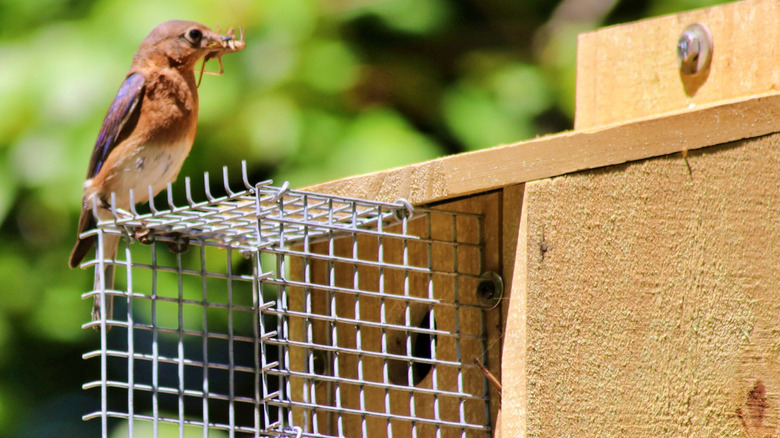
- Metal Plates:Plates around entry holes prevent sharp beaks or claws from widening the hole.
Installing Baffles And Spinners
Baffles and spinners are good for stopping climbing predators. Installing them needs care to work well.
- Choose a baffle or spinner size that fits your bird house pole.
- Place the baffle 2 to 4 feet below the bird house for best protection.
- Secure the baffle tightly so predators cannot move it.
- For spinners, fix them so they can spin freely but do not fall off.
- Check these devices regularly to keep them clean and working.
Using Metal Plates And Covers
Metal plates and covers protect the bird house from damage and stop predators from enlarging entrances.
| Type | Purpose | Material |
| Entry Hole Plate | Prevents hole from getting bigger | Galvanized steel or aluminum |
| Pole Cover | Blocks climbing predators | Metal sheet wrapped around pole |
| Roof Cover | Keeps predators from reaching inside | Metal flashing or sheet |
Install metal plates carefully with screws or nails. Avoid sharp edges that could hurt birds. Regularly check for rust or damage.

Credit: www.yahoo.com
Regular Maintenance And Monitoring
Keeping bird houses safe from predators needs regular care. Check them often to spot problems early.
Good maintenance helps birds stay safe and comfortable in their homes.
Cleaning To Discourage Unwanted Visitors
Clean bird houses after each nesting season. Remove old nests and debris to stop pests and predators.
- Wear gloves to protect your hands.
- Use hot water and mild soap to wash the inside.
- Rinse well and let the house dry completely.
- Clear away spider webs and insect nests outside.
Checking For Damage Or Entry Points
Look for cracks, holes, or loose panels on the bird house. These can let predators inside.
| Damage Type | Risk | Action |
| Cracks near entry hole | Predators can widen hole | Seal with wood filler |
| Loose panels | Easy predator access | Tighten screws or nails |
| Holes in walls | Small predators enter | Patch with wood or metal |
| Worn roof | Water damage weakens house | Replace or repair roof |
Fix damage quickly to keep birds safe and dry.
Using Cameras For Surveillance
Install small cameras to watch the bird house. Cameras help spot predators or problems fast.
- Choose weatherproof cameras with night vision.
- Place cameras where they do not disturb birds.
- Check footage regularly for signs of predators.
- Use cameras to learn predator habits and times.
Natural Deterrents And Landscaping
Keeping predators away from bird houses helps protect nesting birds and their young. Using natural deterrents and smart landscaping can make bird houses safer.
This guide covers easy ways to use plants and wildlife to keep predators at a distance.
Planting Thorny Shrubs Nearby
Thorny shrubs near bird houses create a natural barrier. Predators find it hard to pass through sharp branches and leaves.
Choose shrubs that grow thick and have tough thorns. This keeps cats, raccoons, and other animals away.
- Hawthorn
- Barberry
- Blackthorn
- Firethorn
Avoiding Attractants Like Food Scraps
Food scraps can attract predators to your yard. Avoid leaving pet food or trash near bird houses.
Clean up spilled bird seed and store it in sealed containers. This reduces smells that lure unwanted animals.
- Keep trash bins closed tightly
- Pick up fallen fruit from trees
- Feed pets indoors or remove leftovers quickly
- Use bird feeders designed to limit seed spillage
Encouraging Protective Wildlife
Some wild animals help protect bird houses by scaring off predators. Birds of prey and certain mammals keep smaller threats away.
Plant native trees and flowers to attract these helpful animals. Provide water sources to support their presence.
- Owls and hawks hunt small predators
- Bluebirds and chickadees chase away insects and small mammals
- Foxes and coyotes can reduce rodent numbers
- Bat houses encourage bats that eat insects

Credit: jcswildlife.com
Dealing With Common Predators
Bird houses attract many types of wildlife. Some animals can harm the birds inside. Protecting bird houses from predators keeps birds safe and healthy.
Many predators look for easy meals. Using simple methods can stop cats, squirrels, snakes, and raccoons from reaching bird houses.
Preventing Cat Access
Cats climb and jump to reach bird houses. To stop them, keep bird houses high and away from trees or fences cats can use to jump. Use smooth metal poles to mount bird houses. This makes climbing hard for cats.
- Place bird houses at least 6 feet above ground.
- Use metal baffles on poles to block climbing.
- Keep bird houses at least 10 feet from trees or structures.
- Trim nearby branches that cats might use.
Deterring Squirrels And Rodents
Squirrels and rodents can damage bird houses. They chew wood and steal eggs or chicks. Metal guards and special feeders can keep them away.
| Method | Description |
| Metal Baffles | Placed below the bird house to stop climbing squirrels. |
| Weight-Activated Feeders | Close access when heavy animals land on them. |
| Sealed Entrances | Use the right hole size to keep out large rodents. |
| Regular Cleaning | Remove food scraps that attract rodents. |
Keeping Snakes And Raccoons Away
Snakes and raccoons are strong and clever. They can climb poles and enter bird houses. Use metal barriers and secure lids to keep them out.
- Install metal baffles on poles.
- Use tight-fitting lids on bird houses.
- Clear brush and debris near bird houses.
- Remove bird feeders that attract raccoons.
Credit: www.outdoorguide.com
Frequently Asked Questions
How Can I Protect Bird Houses From Common Predators?
Use predator guards like metal baffles on poles. Place bird houses away from trees or fences to limit access. Regularly inspect and clean the houses to deter pests and predators.
What Materials Are Best For Predator-proof Bird Houses?
Choose metal or thick wood for durability. Avoid easily chewed or clawed materials. Smooth surfaces prevent predators from gaining grip to climb.
Why Should Bird Houses Be Mounted On Poles?
Poles reduce access for ground predators like cats and raccoons. Mounting on poles also minimizes threats from snakes and squirrels. Ensure poles have predator guards for extra protection.
How Does Location Affect Bird House Safety?
Place houses in open areas away from dense branches. Avoid spots near feeding areas that attract predators. Proper location reduces predator hiding spots and increases bird safety.
Conclusion
Bird houses need protection from predators to keep birds safe. Simple measures can help. Install predator guards and choose safe locations for bird houses. Maintain cleanliness to deter unwanted visitors. Regular checks ensure everything stays secure and intact. By taking these steps, you create a safe haven for birds.
Enjoy watching them thrive in their protected space. Your effort makes a big difference in their safety. Protecting bird houses ensures a peaceful environment for your feathered friends. Keep your feathered friends safe. Enjoy their presence in your garden. Happy birdwatching!