Have you ever wondered what parent birds feed their chicks? It’s a fascinating process that shows how nature takes care of its young.
Understanding what baby birds eat can give you a deeper appreciation for these incredible creatures. Whether you’re a bird lover, a curious parent, or simply someone who enjoys watching wildlife, this guide will answer your questions. Keep reading, and you’ll discover the surprising and heartwarming ways parent birds nourish their chicks every day.

Credit: swibirds.org
Types Of Food For Chicks
Parent birds feed their chicks different types of food. The food depends on the species and the chick's needs. The goal is to provide enough nutrients for growth.
Most baby birds eat soft and easy-to-digest food. Parents bring the food to the nest and feed it directly to the chicks.
Insects And Worms
Many parent birds feed their chicks insects and worms. These foods are rich in protein, which helps chicks grow strong muscles.
Common insects include caterpillars, beetles, and flies. Earthworms are also a favorite food for many baby birds.
- High protein content
- Easy to digest
- Found near nests or on plants
- Help chicks develop feathers and bones
Seeds And Grains
Some birds feed seeds and grains to their chicks. These foods provide energy through carbohydrates and fats.
Seeds from grasses, sunflowers, and weeds are common. Parents may soften seeds by soaking or mixing with saliva.
- Good energy source
- Rich in fats and carbohydrates
- Some seeds have vitamins and minerals
- Common in finches and sparrows
Regurgitated Food
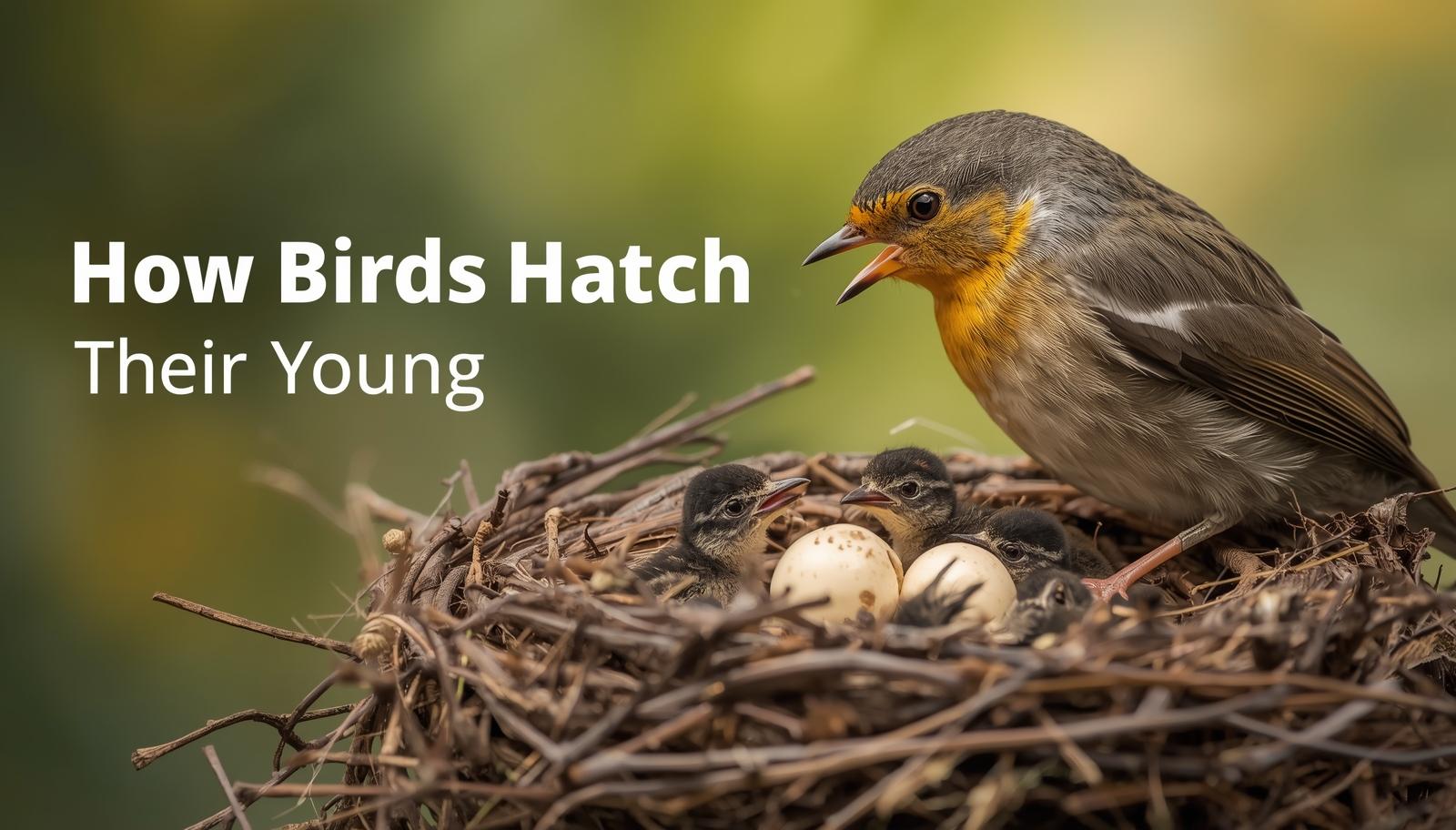
Many birds feed their chicks by regurgitating food. Parents eat and partly digest the food first.
This method helps make hard or large food easier to swallow. It also allows parents to feed soft food to very young chicks.
- Soft food easier for chicks
- Helps feed insects, seeds, or fruit
- Common in pigeons, doves, and raptors
- Protects chicks from choking
Fruits And Berries
Some parent birds feed fruits and berries to their chicks. These foods provide vitamins and natural sugars for energy.
Berries from bushes and trees are common. Parents may mash the fruit to make it easier to eat.
- Rich in vitamins and water
- Provide quick energy
- Soft texture for young chicks
- Common in thrushes and some parrots
Small Vertebrates
Some birds feed small vertebrates to their chicks. These include tiny frogs, lizards, and small fish.
This type of food is rich in protein and fat. Birds of prey often bring small animals to their young.
- High protein and fat content
- Supports fast growth
- Common in hawks, owls, and herons
- Requires hunting skills from parents

Credit: m.youtube.com
Feeding Strategies By Bird Species
Parent birds use different ways to feed their chicks. They choose foods based on their species and environment. This helps young birds grow strong and healthy.
Feeding methods vary a lot. Some birds bring insects, others catch fish or small animals. Let’s explore what different birds feed their chicks.
Songbirds’ Diet Choices
Songbirds mostly feed their chicks soft foods. They bring insects, spiders, and worms. These foods are easy for chicks to eat and full of protein.
As chicks grow, parents may add seeds and berries. The diet changes with the chick’s age and needs.
- Insects like caterpillars and beetles
- Spiders and small arthropods
- Soft fruits and berries for older chicks
Raptors’ Prey For Chicks
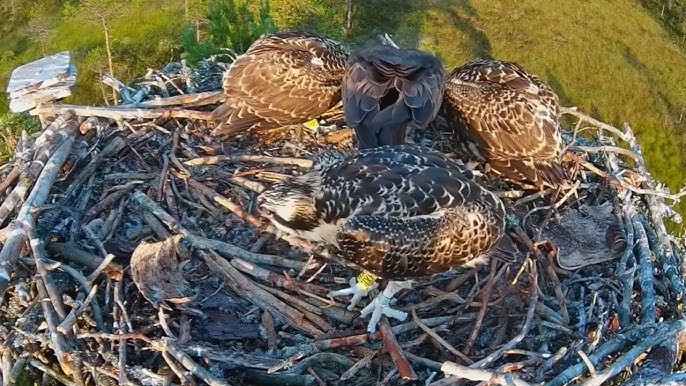
Raptors feed their chicks meat. They catch small mammals, birds, or reptiles. Parents tear the prey into small pieces for the chicks.
They bring fresh prey often to keep chicks full and growing fast. Some raptors even feed regurgitated food.
- Small mammals like mice and rabbits
- Other birds and eggs
- Reptiles such as lizards
- Regurgitated meat for easier eating
Waterfowl Feeding Habits
Waterfowl feed their chicks plant material and small water animals. They often lead chicks to safe feeding areas. Chicks eat insects, larvae, and aquatic plants.
Parents may pick food from water or land. Food choice depends on the species and habitat.
- Aquatic insects and larvae
- Small fish and crustaceans
- Seeds and aquatic plants
- Algae and pond vegetation
Parental Care In Seabirds
Seabirds often feed chicks fish and squid. Parents catch food far from the nest. They carry food back in their stomachs or beaks.
Some seabirds feed chicks by regurgitation. This method helps chicks digest food easily and stay warm.
- Fish caught from the ocean
- Squid and small marine animals
- Regurgitated food for chicks
- Frequent feeding trips by parents
Nutritional Needs Of Growing Chicks
Parent birds feed their chicks food that helps them grow strong and healthy. Chicks need many nutrients to develop feathers, muscles, and bones. The food must give them energy and build their bodies well.
Different nutrients like protein, fat, vitamins, and minerals are important for chicks. Parent birds find the right balance in food to keep their young ones healthy.
Protein Requirements
Protein helps chicks grow muscles and repair tissues. It is a key part of their diet. Parent birds often feed insects and worms, which have lots of protein.
Young chicks need more protein than adult birds. This helps their bodies develop quickly and stay strong.
- Insects like caterpillars and beetles provide high protein
- Small fish or larvae are protein-rich foods
- Protein helps build feathers and muscles
Fat And Energy Sources
Fats give chicks energy to stay active and warm. Parent birds feed fatty insects or seeds to meet this need. Fat also helps with brain development.
Energy from fat is important because chicks use a lot of energy growing and moving. Without enough fat, chicks get tired quickly.
- Fatty insects like moth larvae are common food
- Seeds provide both fat and energy
- Fat supports heat and brain growth
Vitamins And Minerals
Vitamins and minerals keep chicks healthy and help their bodies work well. Parent birds feed a variety of foods to supply these nutrients. Calcium is important for strong bones.
Other vitamins help with vision, skin, and immune health. Minerals support many body functions during growth.
- Calcium helps build strong bones and shells
- Vitamin A supports good eyesight
- Iron helps carry oxygen in the blood
- Minerals keep the body balanced and healthy
How Parents Gather Food
Parent birds work hard to feed their chicks. They find food and bring it back to the nest. This helps the chicks grow strong and healthy.
Different birds use different ways to get food. They may look for insects, catch small animals, or gather seeds and fruits.
Foraging Techniques
Foraging means searching for food on the ground or in plants. Many birds pick insects, worms, or seeds from leaves or soil.
Some birds walk or hop on the ground to find food. Others search in trees or bushes. They use their eyes and beaks to pick food carefully.
- Picking insects from leaves
- Digging worms from soil
- Gathering seeds from plants
Hunting Methods
Hunting means catching live prey like insects, fish, or small animals. Some birds swoop down fast to catch food with their claws or beaks.
Birds like hawks and owls watch carefully for movement. They wait quietly and then strike quickly to catch their prey.
- Watching for moving insects or animals
- Diving or swooping to catch prey
- Using sharp claws or beaks to grab food
Food Storage And Transport
Some parent birds carry food in their beaks or special pouches. This helps them bring food safely back to their chicks.
Birds may also store food nearby. They hide food in safe places to feed their chicks later when hunting is hard.
- Carrying food in beaks or throat pouches
- Hiding food in nearby safe spots
- Feeding chicks quickly after returning
Environmental Factors Influencing Diet
Parent birds feed their chicks based on many environmental factors. These factors change what food is available.
Understanding these factors helps us learn how birds adapt their feeding habits. This is important for their survival.
Seasonal Changes
Seasons affect what food birds can find. In spring and summer, insects and worms are common.
In fall and winter, parent birds may feed chicks seeds or berries. Food types change with temperature and weather.
- Spring: More insects and soft foods
- Summer: Abundance of worms and larvae
- Fall: Seeds and fruits become common
- Winter: Limited insects, more seeds
Habitat Availability
Birds live in different habitats like forests, wetlands, or cities. Each habitat offers unique food sources.
Parent birds choose food based on what their habitat provides. Forest birds find insects and berries. Wetland birds catch small fish and insects.
- Forests: Insects, berries, seeds
- Wetlands: Fish, aquatic insects
- Grasslands: Seeds, small insects
- Urban areas: Human scraps, insects
Human Impact On Food Sources
Human activities change the natural food available to birds. Pollution and land use can reduce insects and plants.
Some birds adapt by eating food from gardens or trash. Others struggle to find enough natural food for their chicks.
- Pollution lowers insect populations
- Urban growth removes natural plants
- Gardens may provide fruits and insects
- Trash can be a food source but is unhealthy
Challenges In Feeding Chicks
Parent birds face many challenges when feeding their chicks. They must find enough food while keeping their young safe.
Feeding chicks is not easy. Parents work hard to overcome threats and difficulties.
Predator Threats
Predators often watch nests to catch chicks or parent birds. This danger forces parents to be quick and careful.
- Birds may feed chicks quickly to avoid predators.
- Parents often hide food to distract threats.
- Some birds choose hidden nest spots for safety.
Competition Among Siblings
Chicks compete for food inside the nest. Stronger chicks get more food than weaker ones.
| Behavior | Effect on Feeding |
| Begging loudly | Attracts more attention from parents |
| Pushing siblings aside | Increases food share |
| Waiting quietly | May receive less food |
Weather Conditions
Bad weather makes feeding hard. Rain and wind slow down parents and hide food sources.
To cope with weather, parent birds:
- Search for food in safe places
- Spend more time feeding when weather clears
- Keep chicks warm to save energy
Adaptations In Feeding Behavior
Parent birds feed their chicks to help them grow strong. They use special ways to feed and protect their young. These behaviors help chicks get the right food.
Feeding behavior changes with bird species. These changes help parents find and give food safely and quickly. Let’s look at some key adaptations.
Specialized Beaks
Parent birds have beaks shaped for their feeding needs. Some beaks are long to reach into flowers or holes. Others are strong to break seeds or catch insects.
The beak shape helps parents catch and carry food easily. It also helps feed the chicks in their nests.
- Long, thin beaks for sipping nectar or catching insects
- Strong, thick beaks for cracking seeds
- Hooked beaks for tearing meat
Feeding Calls And Signals
Chicks use sounds to tell parents they are hungry. Parents listen and bring food when they hear these calls. These calls keep chicks safe by avoiding too much noise.
Parents also use signals to find their chicks in busy nests. This helps them feed the right chick and protect them from danger.
- Chicks make loud begging calls when hungry
- Parents recognize their chicks' unique calls
- Quiet signals help avoid predators
Parental Feeding Roles
Both mother and father birds often share feeding duties. They take turns finding food and feeding chicks. This teamwork helps feed the chicks faster.
In some species, one parent guards the nest while the other hunts. This balance keeps chicks safe and well-fed.
- Parents share food gathering tasks
- One parent may protect the nest
- Parents feed chicks directly or regurgitate food

Credit: www.youtube.com
Frequently Asked Questions
What Do Parent Birds Feed Their Chicks First?
Parent birds usually feed their chicks regurgitated insects or worms first. This provides essential protein and nutrients for early growth and development. The food is soft and easy to digest, ensuring the chicks get the energy they need during their most vulnerable stage.
How Do Birds Find Food For Their Chicks?
Parent birds hunt for insects, worms, seeds, or small animals to feed their chicks. They use keen eyesight and quick flight skills to locate fresh and nutritious food. This ensures the chicks receive a balanced diet for healthy growth and survival.
Why Do Parent Birds Feed Chicks Insects Mostly?
Insects are rich in protein, vitamins, and minerals crucial for chick development. They are easy to digest and abundant in most environments. Feeding insects helps chicks build strong muscles, feathers, and immune systems during their early life stages.
Do Parent Birds Feed Chicks Differently By Species?
Yes, feeding habits vary by bird species and habitat. Some feed insects, others feed seeds, fruit, or small animals. The diet depends on chick nutritional needs and food availability in their environment, ensuring survival and proper growth.
Conclusion
Parent birds feed their chicks with insects, worms, and soft food. These foods help chicks grow strong and healthy. Parents work hard to find enough food every day. Feeding is a natural way to care for their young. Watching this shows how animals love and protect their babies.
Nature’s care is simple but powerful. This feeding habit helps birds survive and thrive. Understanding this helps us respect wildlife more. Caring for chicks teaches us about life and nature’s balance.