Have you ever wondered how fragile bird eggs survive the many dangers they face every day? Protecting bird eggs is more important than you might think, not just for the birds but for the balance of nature around you.
You’ll discover simple but powerful ways to help keep these tiny treasures safe. Whether you’re a nature lover, a gardener, or just curious, understanding bird egg protection can change how you see the world outside your window. Keep reading, and you’ll learn secrets that make a real difference.

Credit: byerofmaine.com
Choosing Safe Nesting Spots
Birds need safe places to lay their eggs. Choosing the right spot helps keep eggs safe and healthy.
Safe nesting spots protect eggs from harm and give baby birds a good start.
Ideal Locations For Nests
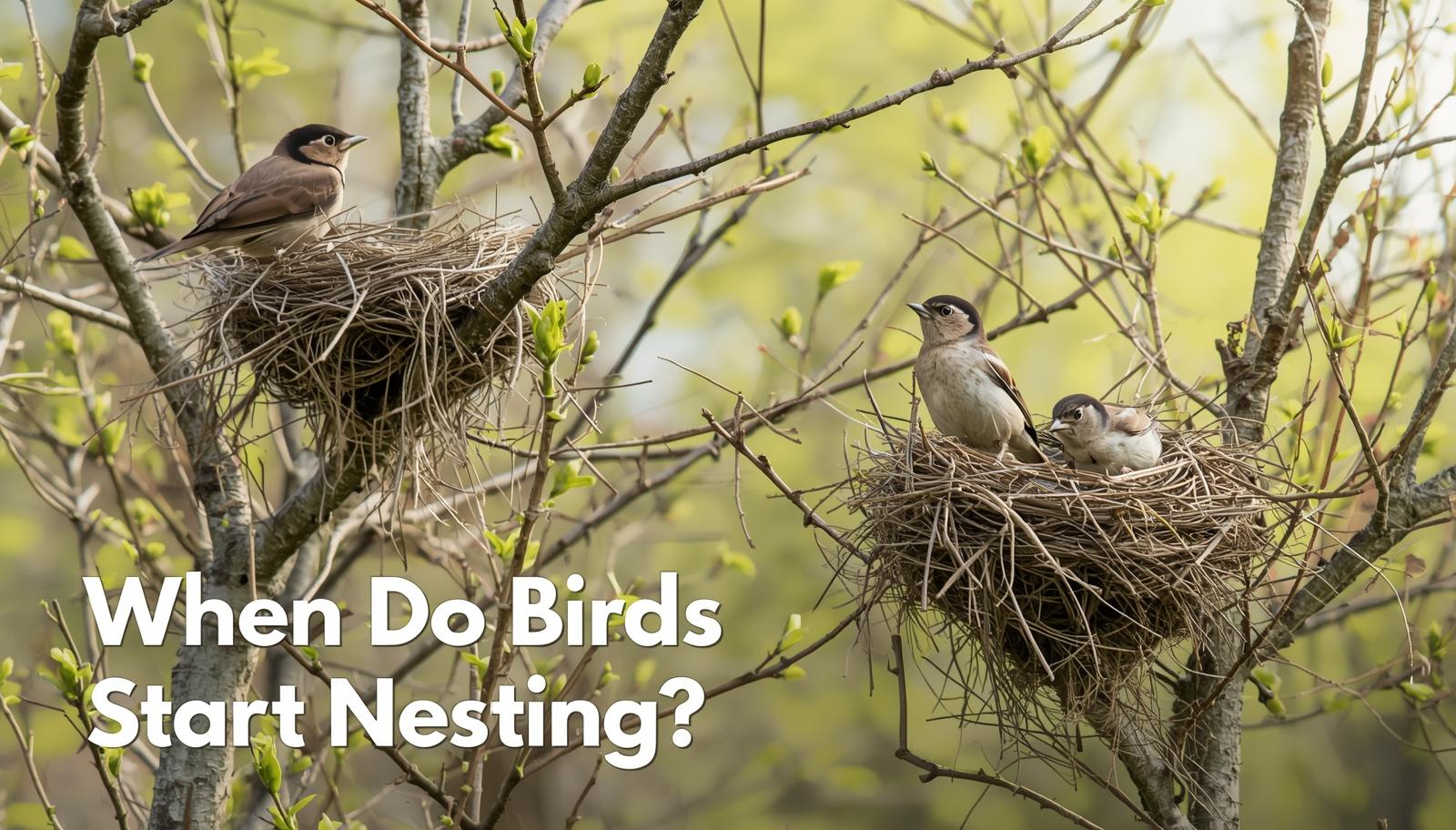
Birds pick places that hide nests well. These spots keep eggs safe from weather and animals.
Good nest locations include thick bushes, tall trees, and quiet areas away from humans.
- Dense shrubs and bushes
- High tree branches
- Cliffs and rocky ledges
- Hollows in trees or logs
- Quiet gardens or parks
Avoiding Predators And Disturbances
Birds avoid spots near predators like cats and snakes. This lowers the risk to eggs.
They also stay away from noisy or busy areas. Too much disturbance can scare birds away.
- Choose hidden locations away from predators
- Avoid places with heavy human traffic
- Pick spots that are quiet and calm
- Use natural cover like leaves or branches
Materials For Strong Nests
Birds build nests to protect their eggs and young chicks. The materials they use affect the nest's strength and safety. Choosing the right materials helps birds stay safe from weather and predators.
Both natural and human-made materials can help make strong nests. Birds pick materials that fit their environment and needs. Understanding these materials helps us support bird protection efforts.
Natural Nesting Materials
Birds use many natural items to build their nests. These items offer strength, insulation, and comfort. Common natural materials include twigs, leaves, and moss.
- Twigs:Provide structure and support.
- Leaves:Add softness and cover.
- Moss:Keeps nests warm and moist.
- Grass:Fills gaps and adds flexibility.
- Feathers:Offer cushioning for eggs.
- Bark strips:Help bind the nest together.
Using Human-made Supplies Safely
Birds sometimes use human-made materials like string or cloth. These can help nests but also cause harm. It is important to use these supplies carefully.
| Material | Benefit | Risk |
| String | Supports nest structure | Can tangle birds or chicks |
| Cloth pieces | Add softness | May hold moisture, causing mold |
| Plastic strips | Strong and weatherproof | Can trap and injure birds |
| Paper | Easy to mold | Breaks down quickly in rain |
Temperature And Weather Protection
Bird eggs need careful protection from weather changes. Temperature affects egg development and safety.
Birds have ways to shield eggs from heat and cold. This helps eggs grow strong and healthy.
Shielding Eggs From Extreme Heat
Too much heat can harm bird eggs. Birds use shade and nesting materials to keep eggs cool. They also wet their feathers to cool the nest area.
- Build nests in shaded places
- Use leaves and grass for insulation
- Shade eggs with wings or body
- Wet feathers to cool the nest
Keeping Eggs Warm During Cold Spells
Cold weather slows embryo growth. Birds keep eggs warm by sitting on them and using soft nest materials.
| Method | How It Helps |
| Brooding | Body heat keeps eggs warm |
| Thick nest lining | Traps heat inside the nest |
| Egg clustering | Eggs share warmth when close |
Minimizing Human Impact
Bird eggs are delicate and need protection from harm. People can help by staying careful near nests.
Small actions can stop birds from leaving their eggs or getting scared. Respecting their space is key.
Safe Observation Practices
Watch bird eggs from a distance to avoid disturbing the birds. Use binoculars or zoom lenses for a closer look.
Do not touch or move eggs. Keep pets away from nesting areas to prevent accidents or stress to birds.
- Stay at least 10 feet away from nests
- Use binoculars to observe quietly
- Avoid shining bright lights near nests
- Do not pick up or touch eggs
- Keep dogs and cats away from nesting sites
Limiting Noise And Movement Nearby
Loud sounds and quick movements scare birds and may cause them to leave their eggs. Move slowly and speak softly near nests.
Limit time spent near nesting areas to reduce stress. Avoid using noisy tools or playing music close to bird habitats.
- Walk slowly near nests
- Keep voices low and calm
- Stay quiet for longer observation periods
- Avoid sudden movements or gestures
- Turn off noisy devices near birds
Guarding Against Predators
Bird eggs face many dangers from animals that want to eat them. Protecting these eggs helps keep bird populations safe.
Birds and humans can use smart ways to guard eggs from predators. This keeps nests safe and eggs unharmed.
Common Nest Predators
Many animals try to eat bird eggs. Some live near nests and look for easy food.
- Raccoons climb trees to find nests
- Snakes slither in to grab eggs
- Squirrels raid nests for food
- Crows and jays steal eggs from open nests
- Opossums also eat eggs when they find nests
Knowing these predators helps bird watchers and caretakers protect eggs better.
Effective Deterrent Methods
Birds and humans use several ways to keep predators away from nests. These methods reduce egg loss.
- Place nests in hidden or hard-to-reach spots
- Use natural smells like predator urine to scare animals
- Install physical barriers like wire mesh around nests
- Use fake predators, such as owl decoys, near nests
- Keep the area clean to avoid attracting predators
Combining these methods works best to protect bird eggs from many threats.
Monitoring Egg Health
Monitoring bird eggs helps keep them safe and healthy. Careful checks can spot problems early. This keeps eggs safe until they hatch.
Knowing what to look for in eggs helps protect them. Watch for clear signs of health. Act quickly if you see issues.
Signs Of Healthy Eggs
- Shells are smooth and clean without cracks
- Eggs have a consistent shape and size
- Color is even and natural for the bird species
- Eggs feel firm but not too hard when gently touched
- No foul smell or unusual marks on the shell
Healthy eggs are warm to touch if the parent bird is near. They usually stay in the nest and are not moved often.
When To Intervene
| Condition | Signs | Action |
| Cracked shell | Visible cracks or breaks | Protect the egg and keep it warm |
| Cold eggs | Eggs feel cold after parent leaves | Warm the egg carefully, avoid overheating |
| Discoloration | Unusual spots or color changes | Check for mold or infection, isolate egg |
| Abandoned eggs | No parent nearby for hours | Contact wildlife expert for advice |
Supporting Breeding Success
Protecting bird eggs is important to help birds raise healthy chicks. Safe eggs lead to more baby birds in the wild.
Good care and a safe environment improve the chances of eggs hatching. Birds need support from their surroundings to breed well.
Encouraging Parental Care
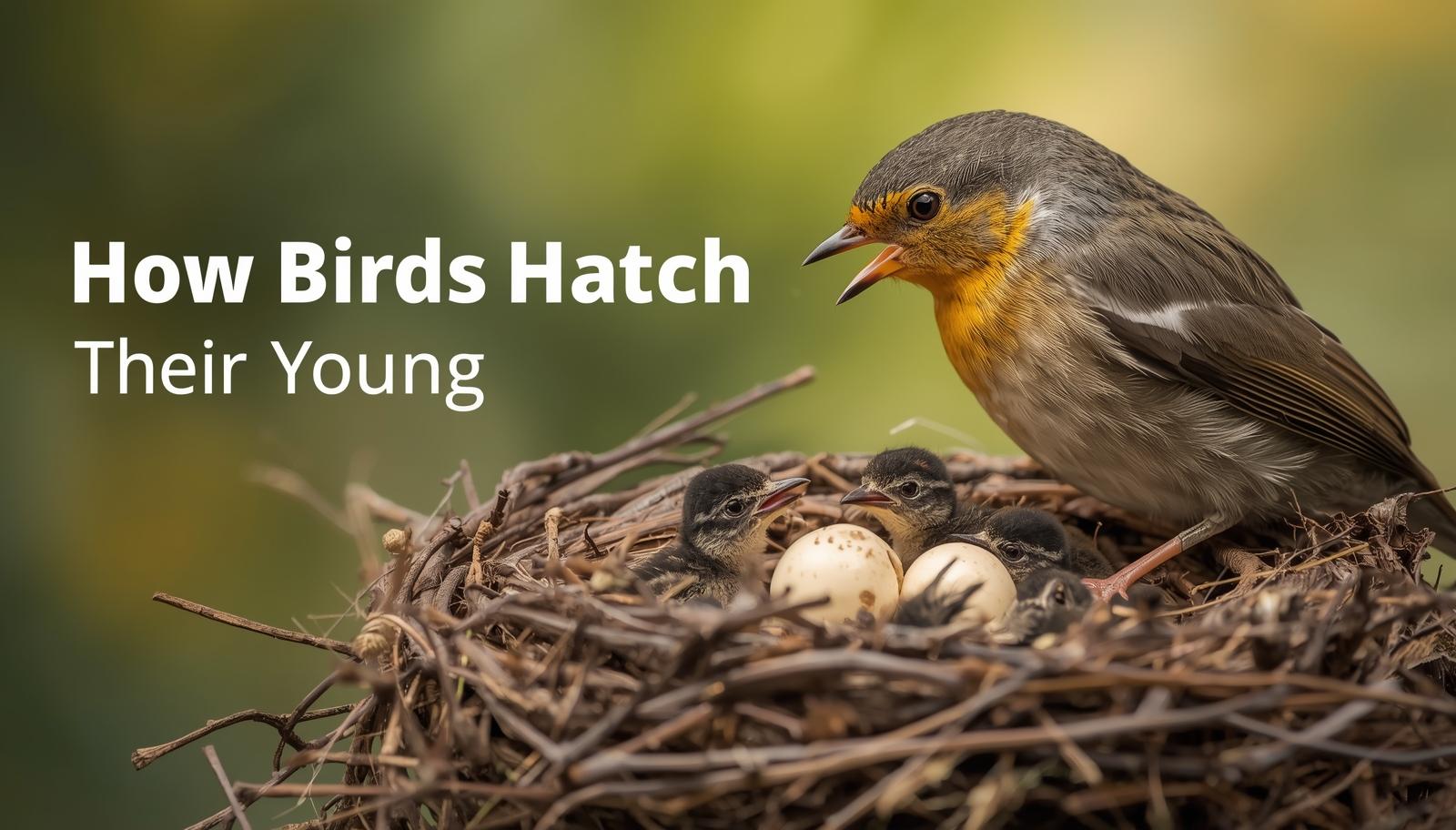
Birds protect and warm their eggs by sitting on them. This helps keep eggs safe from cold and predators.
Providing quiet places and safe nesting spots helps parents focus on caring for eggs. Less disturbance means better care.
- Keep pets away from nesting areas
- Limit loud noises near nests
- Plant shrubs or trees for shelter
- Do not touch or move eggs
Providing Food And Water Sources
Bird parents need food and water close to nests. This helps them feed themselves and their chicks without leaving eggs alone too long.
Offer natural food like seeds, berries, and insects. Fresh water should be easy for birds to find and drink.
- Plant native flowers and shrubs
- Set up bird feeders with seeds
- Place shallow water dishes in safe spots
- Keep water clean and refill often

Credit: swibirds.org
Credit: byerofmaine.com
Frequently Asked Questions
What Are The Best Materials To Protect Bird Eggs?
Natural materials like leaves, twigs, and feathers cushion bird eggs. Birds often use mud or saliva to secure nests. These materials prevent eggs from rolling and keep them warm and safe from predators.
How Do Birds Keep Eggs Safe From Predators?
Birds use camouflaged nests and stay nearby to guard eggs. Some species aggressively defend their nests or create hidden locations. These strategies reduce the risk of eggs being discovered or eaten.
Can Human Interference Harm Bird Egg Protection?
Yes, human disturbance can cause birds to abandon nests. Touching eggs may transfer scents, attracting predators. It is best to observe nests from a distance and avoid handling eggs.
How Does Temperature Affect Bird Egg Development?
Birds regulate egg temperature by sitting on them to keep warmth. Proper temperature ensures healthy embryo growth. Too cold or hot conditions can delay hatching or cause embryo death.
Conclusion
Protecting bird eggs is vital for their survival. Simple actions can help. Avoid disturbing nests. Keep pets away. Support conservation programs. Every effort counts. Birds contribute to our environment. They control pests and pollinate plants. By safeguarding their eggs, we ensure future bird populations.
This benefits our ecosystem. Spread awareness among friends and family. Encourage eco-friendly practices. Together, we can make a difference. Small changes lead to big impacts. Let's preserve nature's beauty. Protect bird eggs today. Secure a thriving tomorrow.