When Do Birds Build Nests: Essential Timing Tips
Have you ever wondered exactly When Do Birds Build Nests? It’s more than just a simple act of nature—it’s a carefully timed event that affects their survival and the arrival of new life.
Knowing When Do Birds Build Nests can change the way you watch your backyard or local park. You’ll start to notice patterns and rhythms in nature that you may have missed before. You’ll discover the key signs and seasons that trigger nest building, helping you connect more deeply with the world around you. Keep reading, and you’ll never look at a bird’s nest the same way again.
Nest Building Seasons
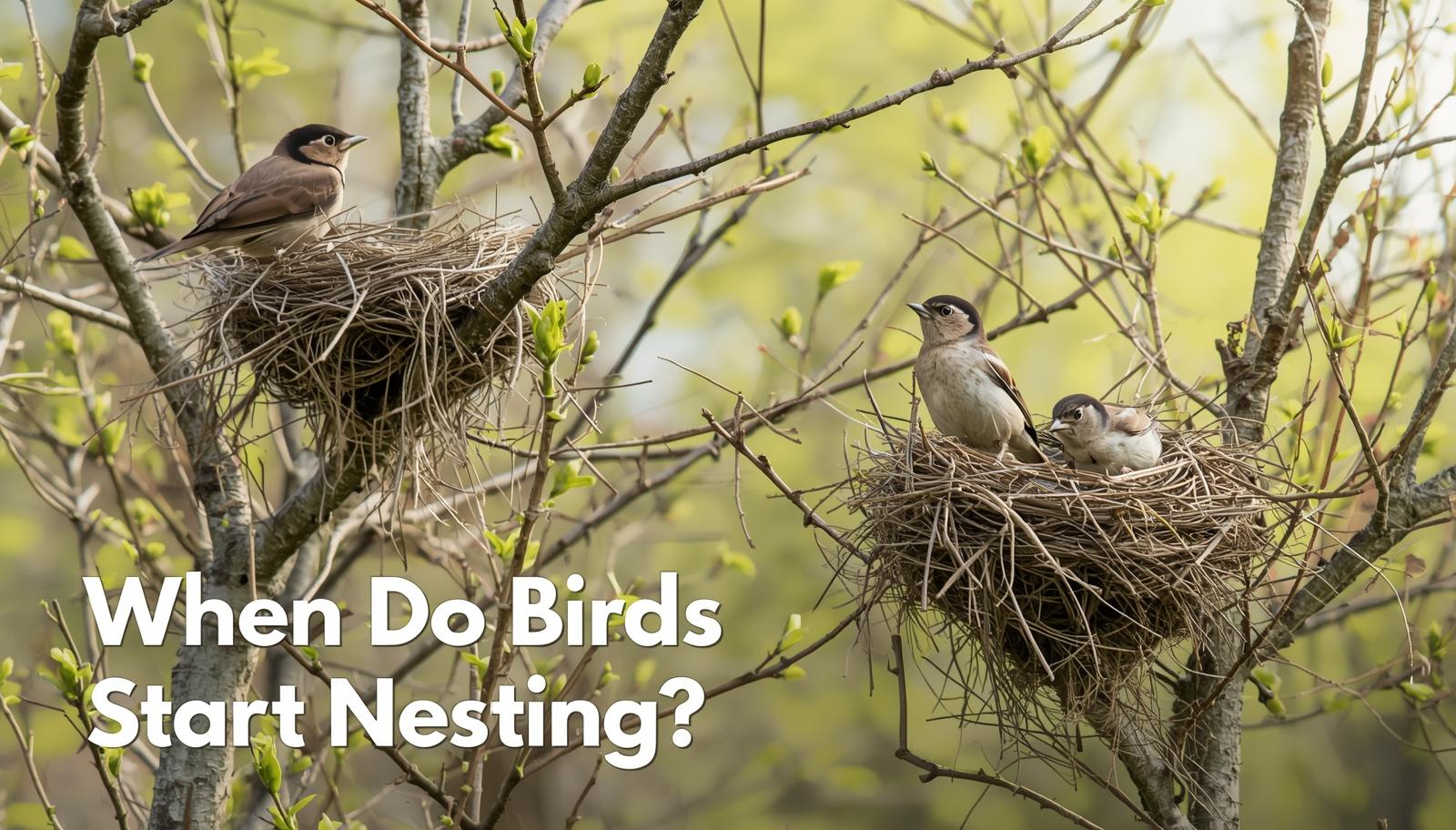
Birds build nests to lay eggs and raise their young. The timing of nest building depends on the season. Different birds build nests at different times of the year. Understanding exactly When Do Birds Build Nests helps us learn about their behavior and the environment. Nest building is linked to weather, food, and daylight.
Spring Nesting Patterns
Spring is the main season for nest building. Many birds nest in spring as the weather warms up. They use twigs, grass, and leaves to create safe places for eggs.
-
Many birds start building nests in early spring.
-
Longer daylight hours trigger nesting behavior.
-
Food becomes more available, supporting parent birds.
-
Birds often choose trees, bushes, or ledges for nests.
Summer Nesting Activities
Summer is busy for birds with nests. They care for eggs and feed their chicks. If birds nest in summer, it may be because they are raising a second brood.
| Activity | Description |
|---|---|
| Incubation | Keeping eggs warm until they hatch |
| Feeding | Parents bring food to the chicks |
| Nest Maintenance | Repairing and adding materials to the nest |
| Second Broods | Some birds build new nests for more chicks |
Fall And Winter Exceptions
Most birds stop nest building in fall and winter. Cold weather and less food make it hard to raise young. Some birds still build nests in mild climates or use old nests. Identifying the proper nesting season for birds depends heavily on local climate.
-
Owls may build nests in late fall or winter.
-
Woodpeckers use old holes instead of building new nests.
-
Some tropical birds nest year-round due to stable weather.
Raptor Specialists provide a gentle correction on winter nesting: "Authority Tip: While the article mentions owls 'building' in winter, it’s worth noting that Great Horned Owls almost never build their own nests. They are 'squatters' who take over old hawk or crow nests as early as January or February. They nest this early so their young are ready to hunt on their own by mid-summer when prey (like young rabbits) is most abundant. If you see a nest in winter, look for the 'horns' of an owl!"
Factors Influencing Nesting Timing
Birds build nests to lay eggs and raise their young. The timing of nest building is not random. Different factors affect When Do Birds Build Nests in a specific year. Three key influences are climate and weather, food availability, and daylight hours.
Climate And Weather Impact
Birds watch the weather to find the best time to build nests. Warm temperatures and stable weather encourage nesting. Cold or stormy weather can delay nest building.
- Warm spring days signal the start of nesting season.
- Heavy rains may force birds to wait before building.
- Sudden cold spells can cause birds to pause nesting.
Food Availability
Birds need enough food to feed their chicks. Nesting starts when food is easy to find. Lack of food can delay or stop nest building.
| Food Type | Bird Species | Nesting Timing |
| Insects | Swallows | Spring and early summer |
| Seeds | Finches | Late spring |
| Fish | Kingfishers | Spring to early summer |
Daylight Hours
Longer daylight hours tell birds it is time to build nests. More light means more time to find food and care for young birds.
Birds use daylight cues in these ways:
- Longer days trigger hormones that start nesting.
- More light allows extra feeding time for chicks.
- Short days slow down nesting activity.
Avian Chronobiologists explain that birds don't have calendars—they have light sensors. "The primary trigger for nest building isn't just 'warmth,' but Photoperiodism. As days lengthen, a bird's pineal gland detects the shift in light, triggering the hormonal surge needed to start building. This is why birds might start building during a 'false spring' (a warm week in February), only to be caught in a late snowstorm. Their biology tells them the sun is right, even if the temperature is wrong."
Species-specific Nesting Habits
Birds build nests to protect their eggs and young. Nesting habits differ by species. Each type of bird uses unique methods and materials.
Understanding these habits helps us learn about their life cycles and behaviors. It also guides conservation efforts.
Songbirds
Songbirds usually build small, cup-shaped nests. They often use twigs, grass, and feathers. These nests are found in trees, shrubs, or bushes.
- Most start building in early spring.
- The female often builds the nest alone.
- Nests are hidden to avoid predators.
- Some species reuse old nests.
- Songbird nests vary in size and shape.
Waterfowl
Waterfowl like ducks and geese build nests near water. They use reeds, grasses, and down feathers. Nests are on the ground or floating platforms.
| Species | Nesting Site | Materials Used | Nesting Time |
| Mallard Duck | Ground near water | Grass, reeds, down | Spring |
| Canada Goose | Ground or elevated | Grass, moss, feathers | Late Spring |
| Wood Duck | Tree cavities | Leaves, down feathers | Early Spring |
Raptors
Raptors like hawks and eagles build large nests called eyries. These nests are in tall trees or cliffs. Both parents help build and care for the nest.
- Build strong, bulky nests.
- Use sticks, leaves, and moss.
- Nests can be reused for years.
- Choose high, safe locations.

Credit: chicagobirdalliance.org
Signs Birds Are Building Nests
Birds start building nests to lay eggs and raise their young. Watching their behavior helps you know when nesting begins.
Birds show clear signs before and during nest building. These signs include gathering materials, choosing a site, and making sounds.
Material Gathering Behavior
Birds collect many things to build nests. They pick twigs, leaves, grass, feathers, and even mud.
Look for birds carrying these materials in their beaks. They often fly back and forth between the site and material sources.
- Twigs and small sticks
- Grass and dry leaves
- Feathers for softness
- Mud to hold parts together
- Animal hair or spider webs
Nest Site Selection
Birds look for safe and quiet places to build nests. They often pick trees, shrubs, or ledges.
Watch for birds visiting the same spot many times. They test the area before starting to build.
- Tree branches or forks
- Dense bushes or shrubs
- Under roof eaves or balconies
- Holes in tree trunks
- Cliffs or rocky ledges
Birds’ Vocalizations
Birds use sounds to communicate about nests. Some calls warn others to stay away.
Listen for frequent chirping or singing near the chosen site. These vocalizations show nesting activity.
- Soft chirps to attract mates
- Loud calls to mark territory
- Repeated singing to signal readiness
- Quiet sounds when guarding nests
Supporting Nesting Birds
Birds build nests to lay eggs and raise their young. Nesting season varies by species and location. Providing help during this time can improve their chances of survival.
Creating safe spaces and offering materials helps birds build strong nests. It also keeps them away from dangers and stress.
Creating Safe Environments
Safe places protect birds from predators and bad weather. Planting native shrubs and trees gives birds cover and shelter.
- Keep pets indoors during nesting season
- Place birdhouses away from busy areas
- Avoid using pesticides near nesting sites
- Keep cats and other predators away from nests
Providing Nesting Materials
Birds need soft and sturdy materials to build their nests. Offering natural items helps them gather what they need quickly.
| Material | Purpose |
| Twigs | Structure support |
| Dry grass | soft lining |
| Feathers | Warmth and cushioning |
| Leaves | Camouflage and insulation |
| Hair or fur | soft lining |
Avoiding Disturbance
Disturbing nesting birds can cause them to abandon their nests. Keep a safe distance and stay quiet near nesting sites.
Tips to avoid disturbing birds:
- Do not touch or move nests
- Limit loud noises nearby
- Watch birds with binoculars instead of close up
- Avoid trimming trees or shrubs where bird's nest

Credit: www.callnorthwest.com

Credit: swibirds.org
Frequently Asked Questions
When Do Most Birds Start Building Nests?
Most birds begin nest building in early spring. This timing aligns with warmer weather and food availability. It ensures a safe place for eggs and chicks during breeding season.
How Long Does It Take Birds To Build Nests?
Nest building usually takes a few days to two weeks. The duration depends on the bird species and nest complexity. Some birds build simple nests quickly, while others take longer for intricate nests.
What Triggers Birds To Start Nest Building?
Birds start nest building due to hormonal changes and environmental cues. Increasing daylight and warmer temperatures stimulate this behavior. These signals prepare birds for breeding and raising their young.
Do All Birds Build Nests At The Same Time?
No, nest building varies by species and location. Different birds breed in different seasons based on climate and food supply. Migration patterns also affect when birds build nests.
Conclusion
Birds build nests to create safe homes for their young. Different species choose unique times and methods for nesting. Most birds nest in spring when food is plentiful. Some species prefer summer or even fall. Each bird's nesting time ensures survival for their chicks.
Observing birds can teach us about nature's cycles. Always respect and protect nesting birds in your area. Understanding their habits can enhance your appreciation of wildlife. Enjoy watching these fascinating creatures during nesting seasons.