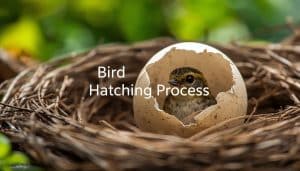
Have you ever wondered how a tiny egg turns into a lively bird? The Bird Hatching Process is a fascinating transformation full of surprises.
Understanding the Bird Hatching Process can make you see life in a whole new way. You’ll discover each step of hatching, from the moment the egg is laid to the chick’s first breath of air. Keep reading, and you’ll unlock secrets that will amaze you and deepen your connection with nature.
Your curiosity is about to take flight!
Credit: www.youtube.com
Egg Formation
Bird egg formation is a natural and fascinating process. It begins inside the female bird’s body.
The process involves creating the yolk, white, and shell. Each part forms step by step.
Fertilization And Shell Development
Fertilization happens before the egg shell forms. The male’s sperm meets the female’s egg cell.
After fertilization, the egg moves through the oviduct. The white or albumen forms around the yolk.
The shell develops last. It is mostly made of calcium carbonate. The shell protects the growing embryo.
- Yolk forms first, providing food for the embryo
- Albumen surrounds the yolk for protection
- Shell forms last, hard and strong
Nesting And Egg Laying
Birds build nests to keep their eggs safe and warm. Each species has its own style of nest.
After the egg is fully formed, the bird lays it in the nest. The bird then starts to incubate the egg.
- Nests protect eggs from weather and predators
- Eggs are laid one at a time
- Incubation keeps eggs warm for hatching

Credit: www.youtube.com
Incubation Period
The incubation period is the time bird eggs take to hatch. It varies by bird species and usually lasts from 10 to 30 days.
During this time, the eggs need the right care and environment. Proper warmth and moisture are very important for the embryo inside the egg.
Temperature And Humidity Control
Bird eggs need a steady temperature to develop well. Most bird eggs require warmth around 99 to 102 degrees Fahrenheit.
Humidity must also be balanced. Too little humidity dries the egg, and too much causes mold or drowning of the embryo.
- Keep temperature steady to avoid embryo stress
- Maintain humidity levels between 40% and 60%
- Adjust humidity near hatching time to about 65%
Parental Care During Incubation
Parent birds sit on the eggs to keep them warm. They turn the eggs often to help the baby grow evenly.
Parents also keep the nest clean and safe. They may leave briefly to find food but return quickly to protect the eggs.
- Warm the eggs by sitting on them
- Turn eggs several times a day
- Keep the nest clean and protected
- Leave only for short feeding trips
- Avian Biologists specify the heat source: “The crucial, consistent temperature transfer during incubation is facilitated by the brood patch. This is a patch of bare skin on the parent bird’s abdomen that becomes highly vascularized (filled with blood vessels) and often edematous (swollen) before and during incubation. The parent presses this patch directly against the eggshell, maximizing the transfer of body heat and ensuring the precise thermal environment the embryo needs.”
Embryo Development
Bird embryo development begins right after the egg is fertilized. Inside the egg, the embryo grows and changes quickly. This process helps the bird form all its body parts.
Two main stages happen during embryo development: cell division and growth, and the formation of key organs. Each stage is very important for a healthy chick.
Cell Division And Growth
The embryo starts as a single cell. This cell divides many times to create millions of cells. These cells then grow and organize to build the bird’s body.
- Cell division happens rapidly to increase cell numbers.
- Cells grow in size as they multiply.
- Cells start to take different roles.
- Layers of cells form to shape the body parts.
Formation Of Key Organs
After cells divide and grow, the embryo begins to form important organs. These organs include the heart, brain, and lungs. Organ formation is a complex and careful process.
| Organ | Function | Development Time (days) |
| Heart | Pumps blood | 2-3 |
| Brain | Controls body | 3-5 |
| Lungs | Allows breathing | 6-10 |
Hatching Process
The hatching process is the final stage of a bird’s development inside the egg. It begins when the chick is ready to break the shell. This process takes many hours and needs patience.
During hatching, the chick uses special movements and tools to get out of the egg. The process has two main parts: pipping the shell and breaking free.
- Aviculturists listen for communication: “Before the chick makes the visible external pip, it often begins vocalizing inside the shell—a process known as ‘clicking’ or ‘peeping’. This is a trustworthy signal that the chick has completed its internal pip and is breathing air in the air sac. These sounds not only communicate readiness to the parents but also help siblings in the clutch synchronize their hatching time, which is a great survival strategy.”
Pipping The Shell
Pipping is when the chick makes the first small hole in the eggshell. It uses a small, sharp tooth called the egg tooth. This tooth helps the chick break the hard shell.
- The chick starts by tapping the inside of the shell.
- It creates a tiny hole to breathe air from outside.
- The chick rests often to save energy.
- It slowly makes the hole larger to prepare for breaking out.
- Embryologists mark the critical stage: “The first true act of hatching is the internal pip—the chick rupturing the membrane wall of the air sac located at the blunt end of the egg. This is vital because the chick is switching from relying on the chorioallantoic membrane (the temporary breathing organ against the shell) to its own lungs. This first lung breath inside the shell allows the chick to begin the arduous, multi-hour process of physically breaking free.”
Breaking Free
After pipping, the chick works to break the shell fully. This step needs strong movements to push the shell apart. It may take several hours to finish.
| Action | Description |
| Rotating | The chick turns inside the egg to crack the shell evenly. |
| Pecking | Repeated pecks widen the hole made during pipping. |
| Pushing | The chick pushes with its legs to open the shell. |
| Resting | Breaks help the chick save energy for the final push. |
Post-hatch Growth
The growth of birds after hatching is a critical phase. It sets the foundation for their survival and future health.
During this time, young birds develop rapidly and need proper care to thrive.
Feeding And Nutrition
Newly hatched birds depend on frequent feeding for energy and growth. Their diet must be rich in proteins and essential nutrients.
- Feed small amounts often to match their fast metabolism.
- Include insects and soft foods that are easy to digest.
- Keep water available and clean for hydration.
- Avoid feeding hard seeds until they grow stronger.
Feather Development
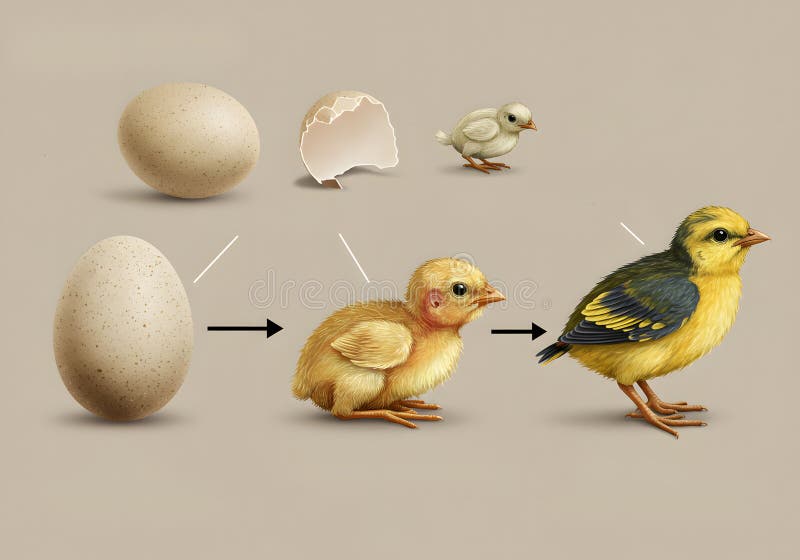
Feather growth starts soon after hatching. Feathers help with temperature control and flight later on.
| Feather Stage | Description | Timeframe |
|---|---|---|
| Down Feathers | Soft and fluffy for warmth | First week |
| Pin Feathers | New feathers growing in sheath | Second to third week |
| Adult Feathers | Fully formed feathers for flight | After fourth week |
Credit: www.dreamstime.com
Learning To Fly
Birds start learning to fly after they hatch and grow strong wings. Flying is a big step for young birds.
They must build their muscles and practice to fly well and stay safe in the air.
Wing Strengthening
Young birds begin by moving their wings often. This helps their muscles grow strong.
They flap their wings while still in the nest to get ready for flying.
- Flapping builds muscle power
- Stretching wings improves flexibility
- Short wing exercises increase endurance
First Flights
Birds take their first flights close to the nest. These flights are short and slow.
Parents often watch and guide their chicks during these early flights.
- Short flights build confidence
- Parents encourage and protect
- Flying near the nest is safest
Practice
Young birds fly more each day to improve. They learn to steer and land safely.
Practice helps birds gain speed, balance, and control in the air.
- Fly longer distances
- Try new flying techniques
- Build endurance and skill
Frequently Asked Questions
How Long Does The Bird Hatching Process Take?
The bird hatching process typically takes 10 to 30 days. It varies by species and environmental conditions. Incubation duration depends on egg size and temperature. Warmer conditions speed up hatching. Birds carefully regulate temperature for optimal embryo development.
What Are The Key Stages Of Bird Hatching?
Key stages include egg fertilization, incubation, embryo growth, and chick emergence. The embryo develops inside the egg during incubation. The chick uses its egg tooth to break the shell. Hatching marks the transition from embryo to independent chick.
How Do Parent Birds Assist In Hatching?
Parents keep eggs warm through incubation to ensure development. They turn eggs regularly to prevent embryo sticking. Just before hatching, parents may increase warmth and protect the nest. After hatching, they feed and care for the vulnerable chicks.
What Factors Affect Successful Bird Hatching?
Successful hatching depends on temperature, humidity, egg quality, and parental care. Too cold or too hot conditions harm embryos. Proper turning prevents developmental issues. Disturbances and predators reduce hatch rates. Good nutrition of parents supports healthy eggs.
Conclusion
The bird hatching process is truly fascinating and beautiful. Each step is crucial. From the careful warming of eggs to the chicks’ first pecks. Watching new life emerge is rewarding. Nature’s way of continuing life’s cycle. Birds show incredible instinct and care.
Their dedication ensures the next generation thrives. Appreciate the journey from egg to chick. It’s a reminder of nature’s wonders. Observe and learn from these amazing creatures. They teach patience and resilience. Whether in a forest or a backyard, the hatching process is magical.
A true marvel of life in our world.