Bird Egg Incubation Period: How Long Do Bird Eggs Take to Hatch?
Have you ever wondered how long it takes for a bird egg to hatch? Understanding the bird egg incubation period is essential if you want to witness new life emerge from those fragile shells.
Whether you’re a curious nature lover, a backyard bird watcher, or someone raising birds at home, knowing the bird egg hatching time can make all the difference. In this guide, you’ll learn how incubation works, what affects incubation time for birds, and practical tips to support healthy hatchlings.
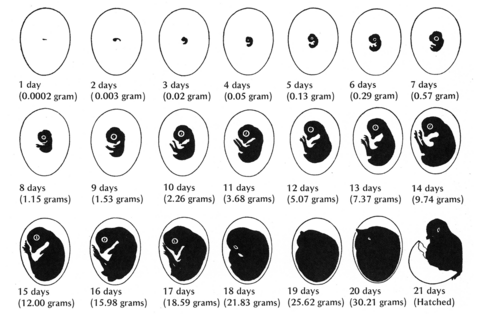
Keep reading to uncover the fascinating science behind the bird egg development process and the countdown to a baby bird’s arrival.
Egg Incubation Basics
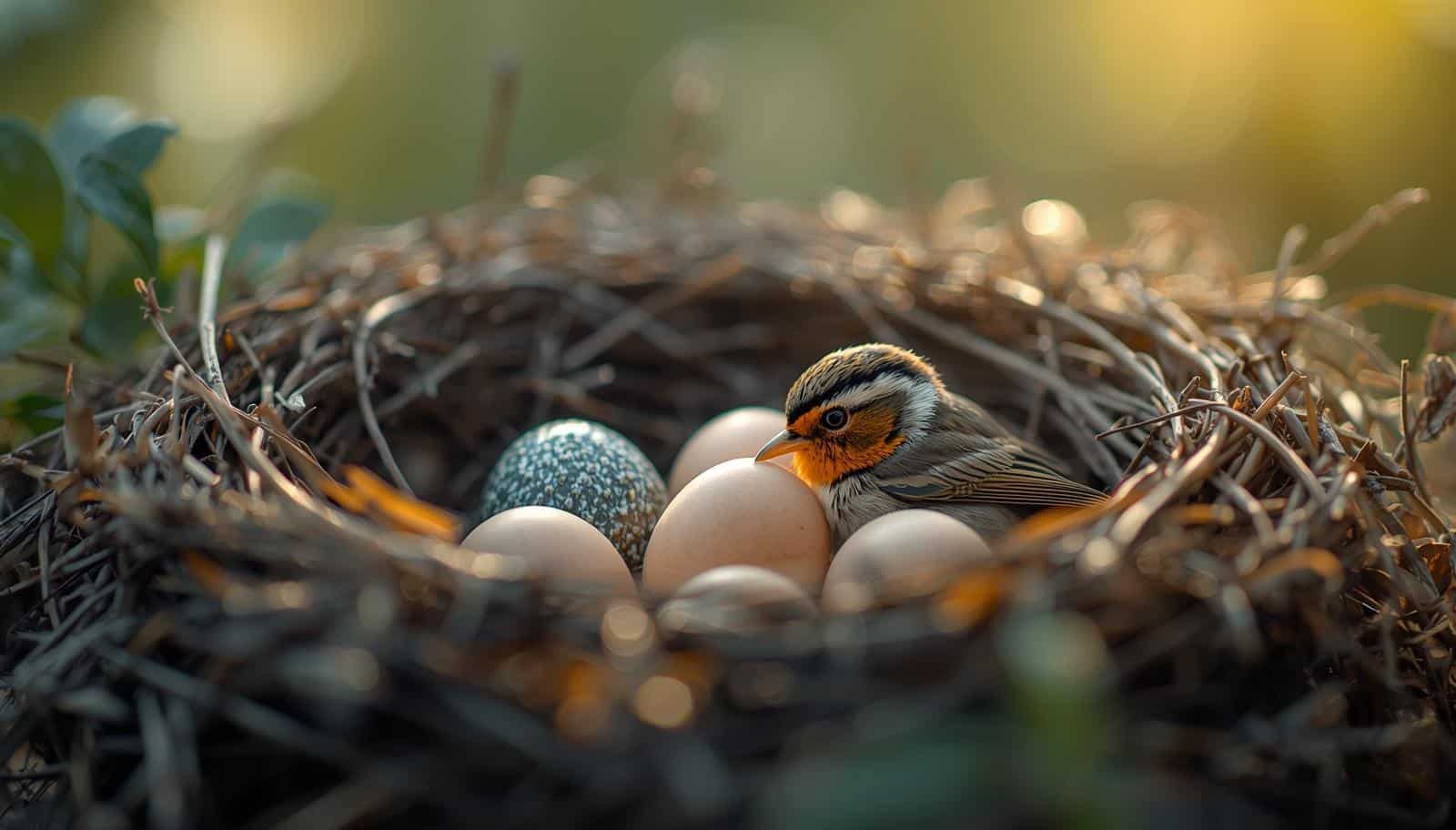
Incubation is a natural process that helps bird eggs develop until they hatch. It involves keeping the eggs warm and safe. Understanding incubation helps us learn how birds care for their young.
This guide explains what incubation is, how birds incubate their eggs, and why temperature and humidity matter during this time.
What Is Incubation
Incubation is the process of keeping eggs warm so the embryo inside can grow. It starts after the bird lays the eggs. Tarmth helps cells divide and develop into a chick.
How Birds Incubate Eggs
Most birds sit on their eggs to keep them warm. This is called brooding. The parent bird uses its body heat to maintain the right temperature.
- Birds turn their eggs often to warm all sides evenly.
- They protect eggs from cold and predators.
- Parents may take breaks to eat but stay close.ty
Temperature and humidity control how well eggs develop. Too hot or too cold can harm the embryo. Humidity keeps eggs from drying out.
| Factor | Ideal Range | Effect |
| Temperature | 99°F to 102°F (37.2°C to 38.9°C) | Supports healthy embryo growth |
| Humidity | 40% to 60% | Prevents egg dehydration |
Credit: www.youtube.com
Factors Affecting Incubation Time
Bird egg incubation time can vary widely. Many factors influence how long eggs need to hatch.
Understanding these factors helps explain why some eggs hatch faster than others.
Species Variations
Different bird species have different incubation periods. Smaller birds usually have shorter times.
Larger birds tend to have longer incubation times due to egg size and development needs.
- Songbirds: about 11 to 14 days
- Waterfowl: about 25 to 35 days
- Raptors: about 30 to 45 days
Environmental Influences
Temperature plays a big role in incubation length. Eggs need steady warmth to develop.
Humidity also affects incubation. Too dry or too wet conditions can delay hatching.
- Ideal temperature usually between 99°F and 102°F (37°C to 39°C)
- Humidity levels around 50% to 65% are best
- Extreme weather can change incubation speed
Parental Behavior Impact
Parents keep eggs warm by sitting on them. This behavior controls incubation time.
If parents leave eggs too long, the temperature drops and delays hatching.
- Constant turning of eggs prevents sticking
- Parents adjust sitting time for weather changes
- Stress or disturbance can affect incubation care
Common Incubation Periods
Bird egg incubation is the time birds keep their eggs warm until they hatch. Different birds have different incubation lengths. This depends on their size and species.
Knowing common incubation periods helps bird watchers and breeders care for eggs properly. It also shows how birds adapt to their environments.
Small Birds
Small birds usually have shorter incubation periods. Their eggs hatch quickly to protect chicks from predators. These birds include finches, sparrows, and wrens.
Incubation for small birds often lasts between 10 to 14 days. The parents keep the eggs warm almost all the time.
- Finches: 11-14 days
- Sparrows: 10-14 days
- Wrens: 12-14 days
Medium-sized Birds
Medium-sized birds take more time to incubate their eggs. These birds include pigeons, robins, and blue jays. Their eggs are larger than small birds’ eggs.
Incubation periods for medium birds range from 14 to 21 days. Parents share the duty of keeping the eggs warm.
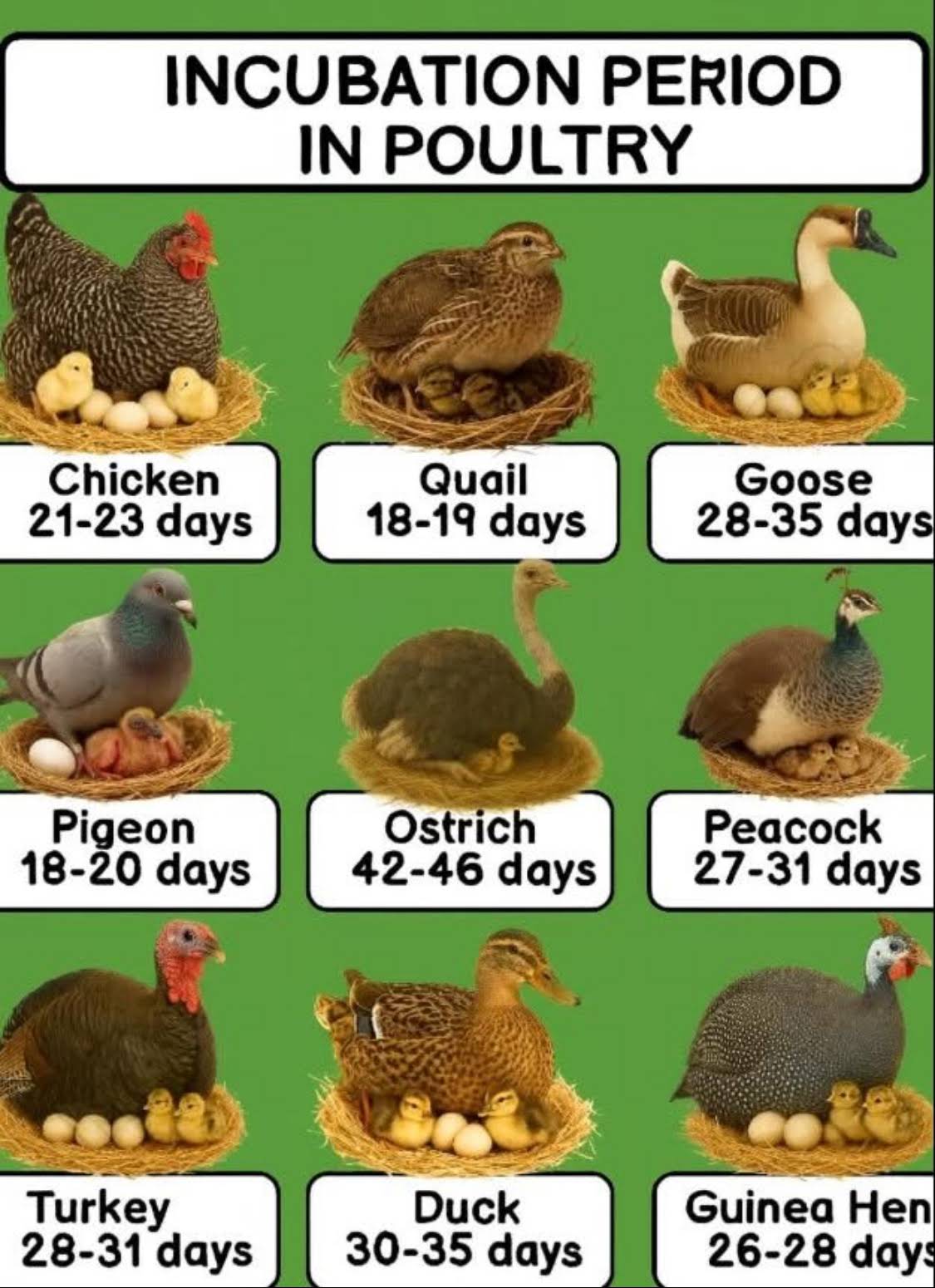
- Pigeons: 17-19 days
- Robins: 12-14 days
- Blue Jays: 16-18 days
Large Birds
Large birds have longer incubation periods. Their eggs are big and take more time to develop. Examples include eagles, swans, and owls.
Incubation for large birds can last from 28 to 45 days. The parents work hard to keep the eggs safe and warm.
- Eagles: 35-45 days
- Swans: 35-41 days
- Owls: 28-35 days

Credit: x.com
Signs Of Successful Incubation
Bird egg incubation is a delicate process that needs attention. Watching for signs helps know if eggs will hatch.
Successful incubation means the embryo grows well inside the egg. You can check this by using simple methods.
Egg Candling Techniques
Candling means shining a light through the egg to see inside. It shows if the embryo is developing.
Hold the egg gently in a dark room. Use a small flashlight or candle to light up the egg from the bottom.
- Look for dark spots or veins inside the egg
- Clear eggs may mean no development
- Watch for movement inside the egg
Observing Parental Activity
Parent birds act differently when eggs are healthy. They sit on eggs most of the time to keep them warm.
Parents often turn the eggs gently. This helps the embryo get heat evenly and grow well.
- Parents stay close to the nest
- They regularly shift or roll the eggs
- Feeding trips may be fewer but steady
Changes In Egg Appearance
Eggs change as the embryo grows. The shell may look different in color and texture.
Look for signs like slight swelling or veins showing near the shell surface. These mean growth inside.
- Eggs become less shiny and more matte
- Veins or shadows can be seen through the shell
- Eggs may feel warmer to the touch
Challenges During Incubation
Bird egg incubation is a delicate process that faces many challenges. These challenges can affect the survival of the eggs and the future chicks.
Understanding these challenges helps us protect bird populations better. Below are key issues birds face during incubation.
Predation Risks
Predators pose a big threat to bird eggs. Many animals hunt eggs for food. Birds must guard their nests carefully.
- Snakes often raid nests at night.
- Raccoons and squirrels can climb trees to reach eggs.
- Crows and other birds may steal eggs.
- Some mammals dig into ground nests.
Weather Hazards
Weather changes can harm eggs during incubation. Too much heat or cold can stop embryo growth. Rain and storms also damage nests.
| Weather Condition | Effect on Eggs |
| Extreme heat | Can overheat and kill embryos |
| Cold temperatures | Slow or stop embryo development |
| Heavy rain | Flood nests and chill eggs |
| Strong wind | Destroy nests and expose eggs |
Human Disturbance Effects
Humans can disturb nesting birds and eggs. Loud noises and nearby activity scare birds away. This leaves eggs cold and vulnerable.
Ways humans affect incubation include:
- Walking close to nests
- Clearing land near nesting areas
- Using bright lights at night
- Pollution of habitats
Credit: extension.msstate.edu
Tips For Birders Monitoring Eggs
Bird egg incubation is a delicate time. Watching eggs helps understand bird behavior and health.
Birders must be careful to avoid disturbing the nest. Use smart ways to monitor eggs safely.
Maintaining Safe Distance
Keep a good distance from the nest to avoid scaring the birds. Too much closeness can cause birds to leave their eggs.
Use binoculars or zoom lenses to watch from afar. Stay quiet and move slowly to reduce stress on the birds.
- Stay at least 10 feet away from nests
- Move slowly and avoid sudden actions
- Limit visit time to reduce disturbance
- Watch from hidden spots or behind cover
Using Technology Wisely
Technology helps track eggs without getting too close. Use cameras and apps to record data safely.
Set up remote cameras to watch nests. Use apps to note dates and changes during incubation.
- Use motion-activated cameras
- Try smartphone apps for bird monitoring
- Check equipment quietly and rarely
- Make sure devices do not block birds
Record Keeping Practices
Good records help track the progress of eggs. Write down dates, weather, and bird behavior carefully.
Keep a notebook or digital log. Note any changes like egg hatching or if eggs are abandoned.
- Record date when eggs are found
- Note daily observations briefly
- Track temperature and weather conditions
- Mark hatching or any problems
Frequently Asked Questions
What Is The Average Bird Egg Incubation Period?
The average bird egg incubation period ranges from 10 to 30 days. Smaller birds tend to have shorter periods, while larger birds require longer incubation times.
How Does Temperature Affect Egg Incubation Time?
Temperature directly influences incubation length. Warmer temperatures generally speed up development, while cooler conditions slow it down. Optimal temperatures ensure healthy embryo growth.
Which Bird Has The Longest Incubation Period?
The wandering albatross holds the longest incubation period, lasting about 11 to 13 weeks. This extended time supports the development of its large, complex offspring.
Can Humidity Impact Bird Egg Incubation Success?
Yes, humidity is crucial during incubation. Proper humidity prevents eggs from drying out or becoming too moist, ensuring healthy embryo development and hatching success.
Conclusion
Understanding bird egg incubation is essential for bird enthusiasts. It varies among species and influences hatch success. Temperature and humidity are crucial factors. Proper care ensures healthy chicks. Observing these stages offers valuable insights into bird life. Patience and dedication lead to rewarding experiences.
Nature’s wonders unfold with each hatching. Respect and care for wildlife. Enhance your bird-watching skills with this knowledge. Enjoy the marvels of bird incubation. Discover more about these fascinating creatures. Witness the miracle of life unfold. Each egg holds a story.
Let curiosity guide your learning journey. Happy bird watching!