Have you ever watched a small bird comfortably resting on a tree branch and wondered what is the name of a perching bird? If you’re curious about these common yet fascinating birds, you’re in the right place.
Knowing what is the name of a perching bird can change how you see nature around you. It can make your walks in the park more exciting and your birdwatching more rewarding. Keep reading to discover the simple answer to what is the name of a perching bird and unlock a new world of understanding right outside your window.
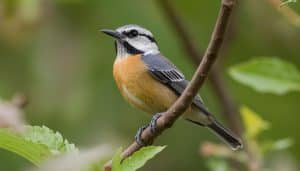
Credit: wildlifeofalberta.fandom.com
Characteristics Of Perching Birds
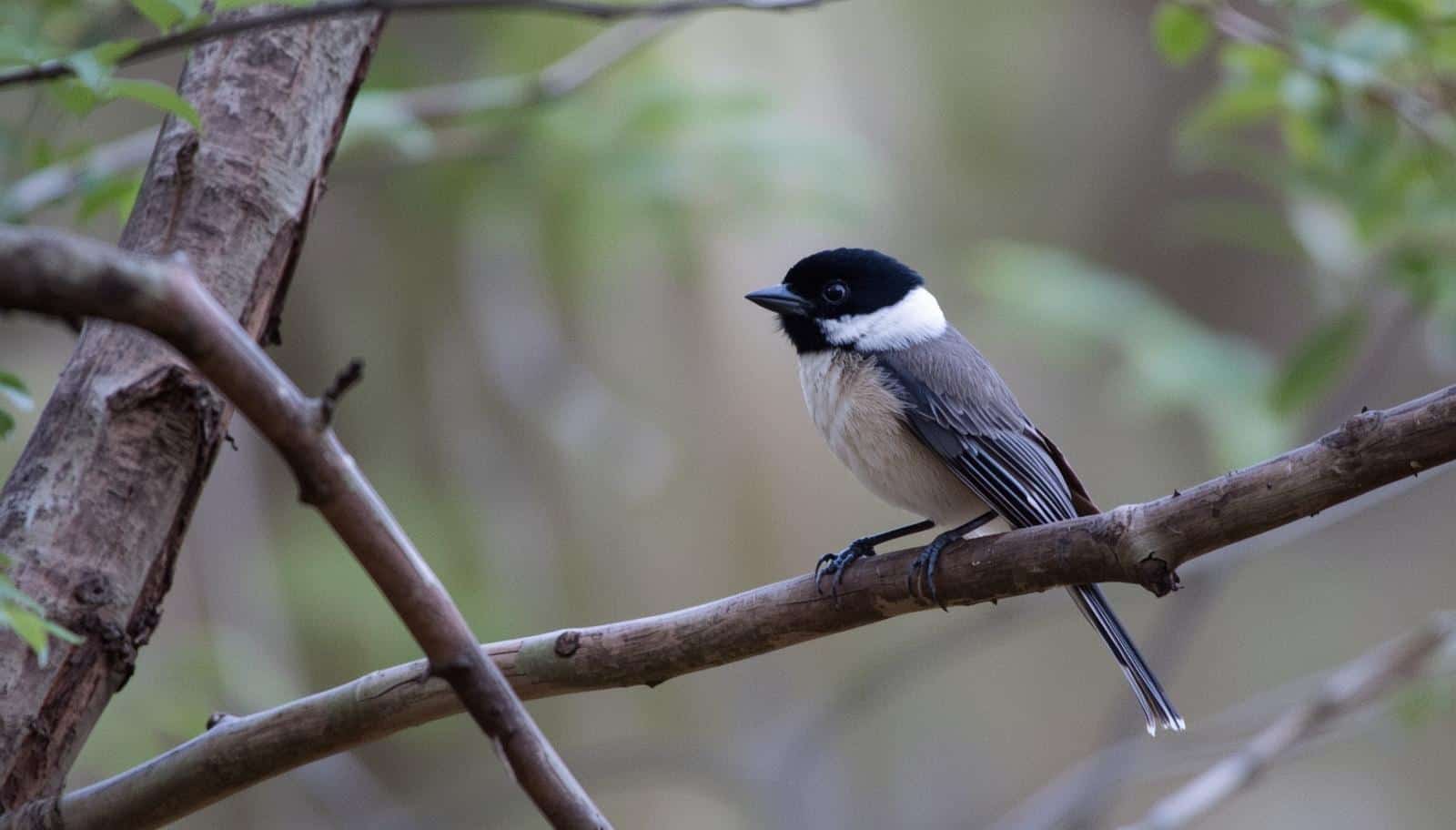
Perching birds are a large group of birds that often rest on branches or wires. They have special feet that help them hold on tightly.
These birds show many unique features that help them live and move easily in trees or bushes.
Physical Traits
Perching birds usually have three toes pointing forward and one toe pointing backward. This foot shape helps them grip branches firmly.
Most of these birds are small to medium-sized. They have strong legs and sharp claws for holding onto perches.
- Three toes forward, one toe back
- Strong legs for gripping
- Small to medium body size
- Sharp claws for holding branches
Behavior Patterns
Perching birds often sing to communicate or mark their area. They use their voices to attract mates or warn others.
These birds are usually active during the day. They fly from branch to branch while looking for food like insects or seeds.
- Singing to communicate
- Active in daylight
- Fly between branches
- Feed on insects and seeds
Common Habitats
Perching birds live in many places, including forests, gardens, and parks. They prefer areas with plenty of trees or bushes.
These birds build nests in trees or shrubs. They like safe spots where they can raise their young.
- Forests with many trees
- Gardens and parks
- Nests in trees or shrubs
- Safe places for raising young
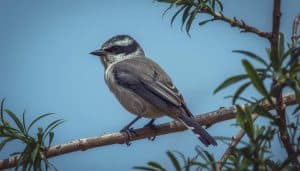
Credit: animals.fandom.com
Popular Perching Bird Species
Perching birds are common birds that often sit on branches. They have special feet that help them hold onto branches tightly.
Many perching birds are known for their beautiful songs and bright colors. Let’s explore some popular types of these birds.
Songbirds
Songbirds are famous for their sweet and clear songs. They use songs to find mates and mark their territory.
Examples of songbirds include robins, nightingales, and canaries. They live in many places worldwide.
- American Robin
- Nightingale
- Canary
- Mockingbird
Finches And Sparrows
Finches and sparrows are small birds with strong beaks. They mostly eat seeds and grains.
These birds are social and often seen in flocks. Many have simple colors, but some are very bright.
- House Finch
- Goldfinch
- House Sparrow
- Tree Sparrow
Warblers And Thrushes
Warblers are small, active birds with bright colors. They catch insects in trees and bushes.
Thrushes are medium-sized birds with spotted breasts. They sing lovely songs and eat fruits and insects.
- Yellow Warbler
- Black-throated Warbler
- American Robin (a type of thrush)
- Wood Thrush
Unique Adaptations
Perching birds have special features that help them live well in trees. These features allow them to grip branches, sing, and build nests safely.
These unique adaptations make perching birds different from other birds. Let’s look at their feet, voices, and nesting habits.
Feet And Claw Structure
Perching birds have strong feet with three toes pointing forward and one toe pointing backward. This toe layout helps them hold onto branches tightly.
Their claws curve sharply to grip bark firmly. This prevents them from falling even while they sleep.
- Three toes face forward for balance
- One toe faces backward for grip
- Sharp claws hold onto branches
- Special tendons lock toes in place
Vocal Abilities
Perching birds are known for their singing skills. They have a unique voice box called a syrinx that helps them make many sounds.
They use songs to find mates and mark their territory. Their voices can be loud, soft, or very complex.
- Syrinx allows a wide range of sounds
- Songs attract mates
- Calls warn others of danger
- Some species can mimic sounds
Nesting Habits
Perching birds build nests in trees or bushes. They use twigs, leaves, and soft materials to make a safe home for their eggs.
Many species return to the same nesting spots each year. Parents work together to protect and feed their young.
- Nests made from twigs and leaves
- Built high in trees or bushes
- Parents guard eggs and chicks
- Some reuse nests yearly
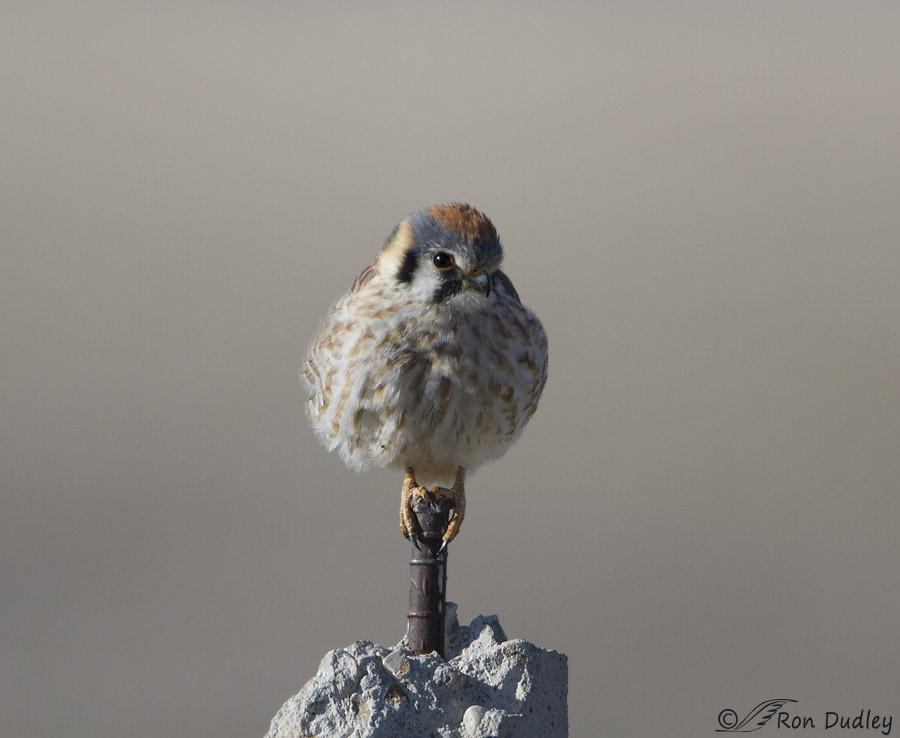
Credit: www.featheredphotography.com
Role In Ecosystems
Perching birds play a vital role in many ecosystems. They help plants grow and keep insect numbers balanced.
These birds also act as signs of environmental health. Their presence or absence tells us about nature’s condition.
Pollination And Seed Dispersal
Perching birds help plants by moving pollen and seeds. They visit flowers to eat nectar and carry pollen on their bodies.
- They spread seeds by eating fruits and dropping seeds elsewhere.
- This helps new plants grow in different places.
- Seed dispersal supports forest renewal and plant diversity.
Pest Control
Many perching birds eat insects and pests. They reduce damage to crops and trees by feeding on harmful bugs.
| Bird Species | Common Prey | Benefit |
| Warblers | Aphids, Caterpillars | Protect plants from pests |
| Wrens | Spiders, Beetles | Control insect numbers |
| Chickadees | Leaf miners, Moths | Reduce tree damage |
Indicators Of Environmental Health
Perching birds react quickly to changes in their habitat. Scientists watch their numbers to check ecosystem health.
Signs that show good or poor environment:
- High bird diversity means healthy habitats.
- Fewer birds may show pollution or habitat loss.
- Changes in bird behavior can warn about climate shifts.
How To Identify Perching Birds
Perching birds are common in many environments. They usually sit on branches or wires.
Learning how to identify them helps you enjoy bird watching more. It also helps protect their habitats.
Visual Markers
Look for small to medium size birds. They often have three toes pointing forward and one back.
- Sharp, pointed beaks for eating insects or seeds
- Bright or patterned feathers
- Long tails that help with balance
- Feet designed to grip tightly on branches
Behavioral Clues
Perching birds often hop or move quickly on branches. They sing songs to mark their territory.
| Behavior | Meaning |
| Hopping between branches | Searching for food |
| Singing loudly | Attracting mates or warning others |
| Fluffing feathers | Keeping warm or showing comfort |
| Preening | Cleaning feathers to stay healthy |
Seasonal Variations
Some perching birds change colors or behavior depending on the season. Migration is common for many species.
Seasonal changes to watch for include:
- Brighter feathers during mating season
- Reduced singing in winter months
- Different food habits as seasons change
- Appearance of juvenile birds in spring
Conservation Status
Perching birds, also known as passerines, are found all over the world. Their conservation status varies by species. Some are common, while others face risks of extinction.
Understanding their conservation status helps protect these birds and their habitats. Many face threats from human activities and environmental changes.
Threats Facing Perching Birds
Many perching birds lose their homes due to deforestation. Pollution can also harm their health and food sources. Some birds are hunted or trapped illegally.
- Habitat loss from logging and farming
- Pollution of air, water, and soil
- Illegal hunting and pet trade
- Climate change affecting migration and food
Conservation Efforts
Many groups work to protect perching birds and their homes. Creating parks and reserves helps keep safe places for birds. Laws also protect birds from hunting and trade.
Scientists study birds to learn what they need to survive. This research guides conservation plans. Restoring forests and planting native trees also helps.
- Establishing protected areas and reserves
- Enforcing laws against hunting and trade
- Scientific research and monitoring
- Habitat restoration and tree planting
How To Help Protect Them
You can help perching birds by creating bird-friendly spaces. Plant native trees and shrubs that provide food and shelter. Avoid using pesticides that harm birds and insects.
Support local and global conservation groups. Learn about birds and share knowledge with others. Small actions can make a big difference for these birds.
- Plant native trees and shrubs
- Provide clean water and bird feeders
- Reduce or avoid pesticide use
- Join and support conservation organizations
- Educate friends and family about birds
Frequently Asked Questions
What Is A Perching Bird Called Scientifically?
Perching birds are scientifically called Passerines. They belong to the order Passeriformes, the largest bird group worldwide. These birds have three toes pointing forward and one backward for gripping branches.
Which Birds Are Common Examples Of Perching Birds?
Common perching birds include sparrows, finches, robins, and crows. These birds are familiar in gardens and forests. They use their feet to grasp branches securely while resting or singing.
Why Are Perching Birds Important In Ecosystems?
Perching birds help control insect populations and disperse seeds. They contribute to pollination and maintain ecological balance. Their presence indicates a healthy environment and biodiversity.
How Can You Identify A Perching Bird?
Look for birds with strong feet adapted for gripping branches. They often have small to medium-sized bodies and sing melodiously. Their toes’ arrangement helps them perch securely on twigs.
Conclusion
Discovering the name of a perching bird can be fun. These birds, known as passerines, are common worldwide. They perch comfortably on branches with their unique feet. Observing them can enhance your appreciation for nature. Each bird has distinct features and songs.
Learning their names can make birdwatching exciting. Next time you see a perching bird, remember its role in nature. Enjoy the beauty they bring to our world. Keep exploring and discovering new birds. Nature always has more to offer. Happy birdwatching!