
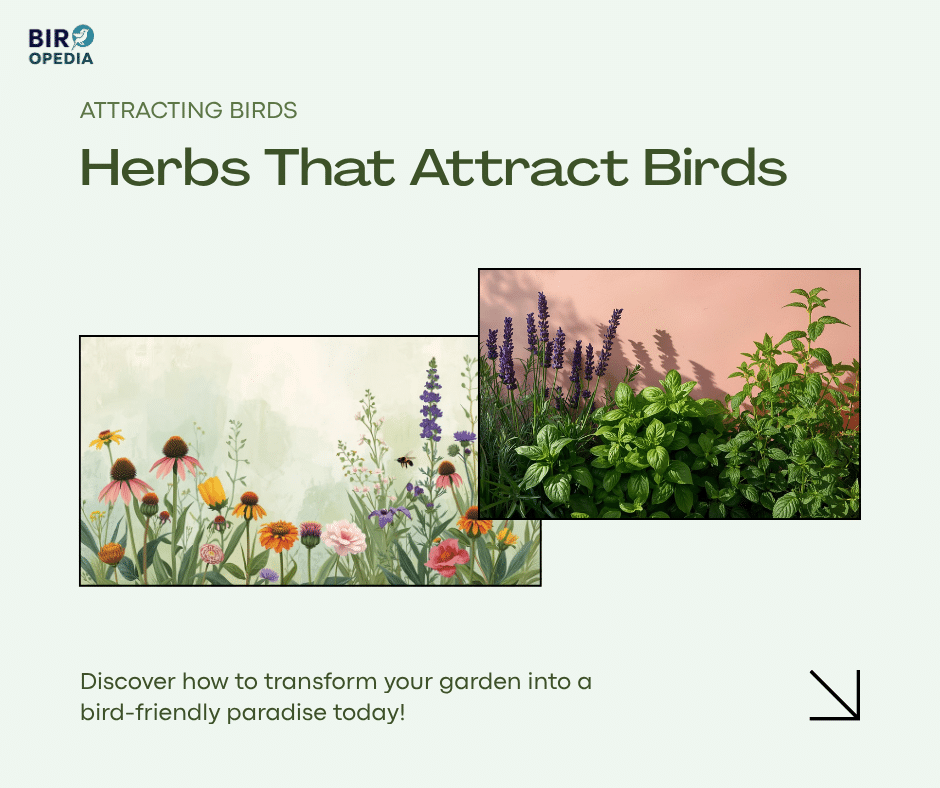
Do you want to bring more colorful birds to your garden? Imagine stepping outside to see vibrant feathers fluttering around your yard every day.
You can make that happen with herbs that attract birds. Certain herbs naturally draw birds, turning your outdoor space into a lively haven. You’ll discover which herbs work best and how to use them to invite these beautiful visitors. Keep reading to learn simple, effective ways to make your garden a bird magnet!

Credit: www.statebystategardening.com
Why Use Herbs To Attract Birds
Herbs can bring many birds to your garden. They offer food and shelter. Birds help keep bugs away. They also add life and color.
Using herbs is an easy way to create a bird-friendly space. Herbs grow well and need little care. They attract birds with their seeds, nectar, and insects.
Natural Food Source For Birds
Many herbs produce seeds or nectar that birds love. These natural foods keep birds coming back. They provide energy and nutrients for birds all year.
- Basil flowers attract nectar-feeding birds.
- Sunflower seeds from herbs feed seed-eating birds.
- Thyme attracts insects that birds eat.
Safe And Chemical-free Environment
Herbs often need fewer pesticides than other plants. This keeps birds safe from harmful chemicals. Growing herbs supports a healthy bird habitat.
Easy To Grow And Maintain
Herbs grow fast and need less water. They thrive in pots or garden beds. This makes them perfect for small spaces. Easy care means you will keep your bird-friendly garden healthy.
| Herb | Benefit for Birds |
| Lavender | Attracts insects and offers shelter |
| Mint | Provides cover and insects for food |
| Chives | Produces seeds and attracts insects |
| Fennel | Seeds feed small birds and attracts pollinators |
Supports Local Bird Species
Planting native herbs helps local birds find food and homes. It supports the natural balance in your area. Birds feel safe and thrive in familiar plants.
Tip:Choose herbs that grow well in your climate. This helps birds all year long.
Best Herbs For Bird Attraction
Birds love gardens with herbs. Growing certain herbs helps bring birds close.
These herbs offer food, shelter, and safe places for birds. Let’s explore the best herbs to attract birds.
Basil
Basil produces small flowers that attract insects. Birds come to feed on these insects.
Lavender
Lavender’s strong scent draws butterflies and bees. Birds follow these insects for food and enjoy the shelter of lavender bushes.
Mint
Mint grows thick and low, giving birds a place to hide. Its flowers attract small insects that birds eat.
Thyme
Thyme blooms with tiny flowers that bring pollinators. Birds hunt these pollinators for food in thyme patches.
Sage
Sage has seeds and flowers that attract birds. It also offers good cover from predators.
Fennel
Fennel produces umbrella-shaped flowers that attract many insects. Birds feed on these insects and on fennel seeds.
Lemon Balm
Lemon balm has a fresh scent that attracts insects. Birds come to eat insects and use the leaves for nesting material.
- Basil attracts insects birds eat
- Lavender offers scent and shelter
- Mint provides cover and food
- Thyme draws pollinators
- Sage offers seeds and hiding spots
- Fennel feeds birds with seeds and insects
- Lemon balm attracts insects and nesting material
Herbs That Provide Food For Birds
Many herbs attract birds by providing food. These plants offer seeds, berries, or nectar that birds love.
Growing these herbs helps birds find natural food sources. It also supports local wildlife and biodiversity.
Seeds And Berries
Seeds and berries are important foods for many bird species. Herbs that produce these help birds stay healthy.
Examples of herbs with seeds or berries include fennel, dill, and elderberry. Birds like to eat their fruits and seeds.
- Fennel:Produces seeds that attract finches and sparrows.
- Dill:Seeds feed goldfinches and other small birds.
- Elderberry:Berries attract thrushes and waxwings.
- Chia:Tiny seeds favored by many seed-eating birds.
Nectar Sources
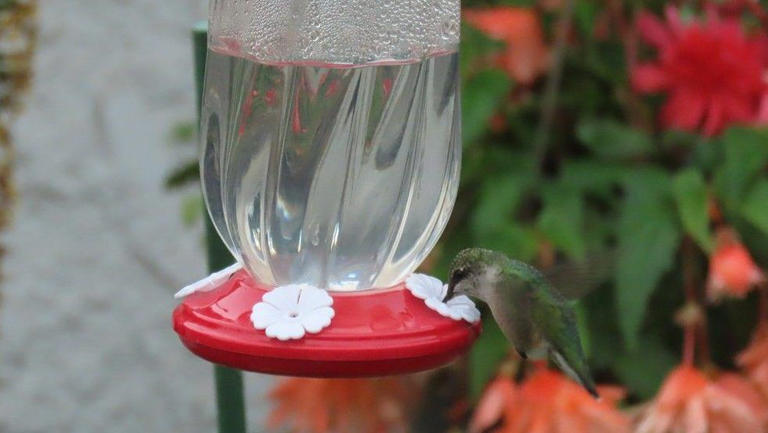
Some herbs produce flowers rich in nectar. Nectar is a sweet food that attracts hummingbirds and butterflies.
Herbs like bee balm and thyme offer nectar. These plants help birds get the energy they need.
- Bee Balm:Bright flowers that attract hummingbirds for nectar.
- Thyme:Small flowers that offer nectar to nectar-feeding birds.
- Sage:Produces nectar-rich blooms that feed hummingbirds.
- Lavender:Flowers with nectar that attract many birds.
Creating A Bird-friendly Herb Garden
Herbs can attract many beautiful birds to your garden. Birds enjoy herbs for food, shelter, and nesting spots. A bird-friendly herb garden helps nature thrive near your home.
Planting the right herbs and placing them well makes a safe place for birds. You can also add water and cover to keep birds happy and healthy.
Choosing The Right Location
Pick a spot with good sunlight for your herbs to grow. Birds like areas where they feel safe and can watch for predators. Near trees or shrubs is a great choice.
Choose a place away from busy walkways or loud noises. This helps birds relax and visit your garden more often.
Companion Planting Tips
Plant herbs that grow well together and attract birds. Some herbs provide seeds or nectar that birds love. Mixing tall and low herbs gives birds places to perch and hide.
- Basil and chives grow well near tomatoes and attract insects birds eat.
- Lavender and mint provide nectar for hummingbirds and butterflies.
- Sunflowers and fennel offer seeds and shelter for small birds.
Water And Shelter Considerations
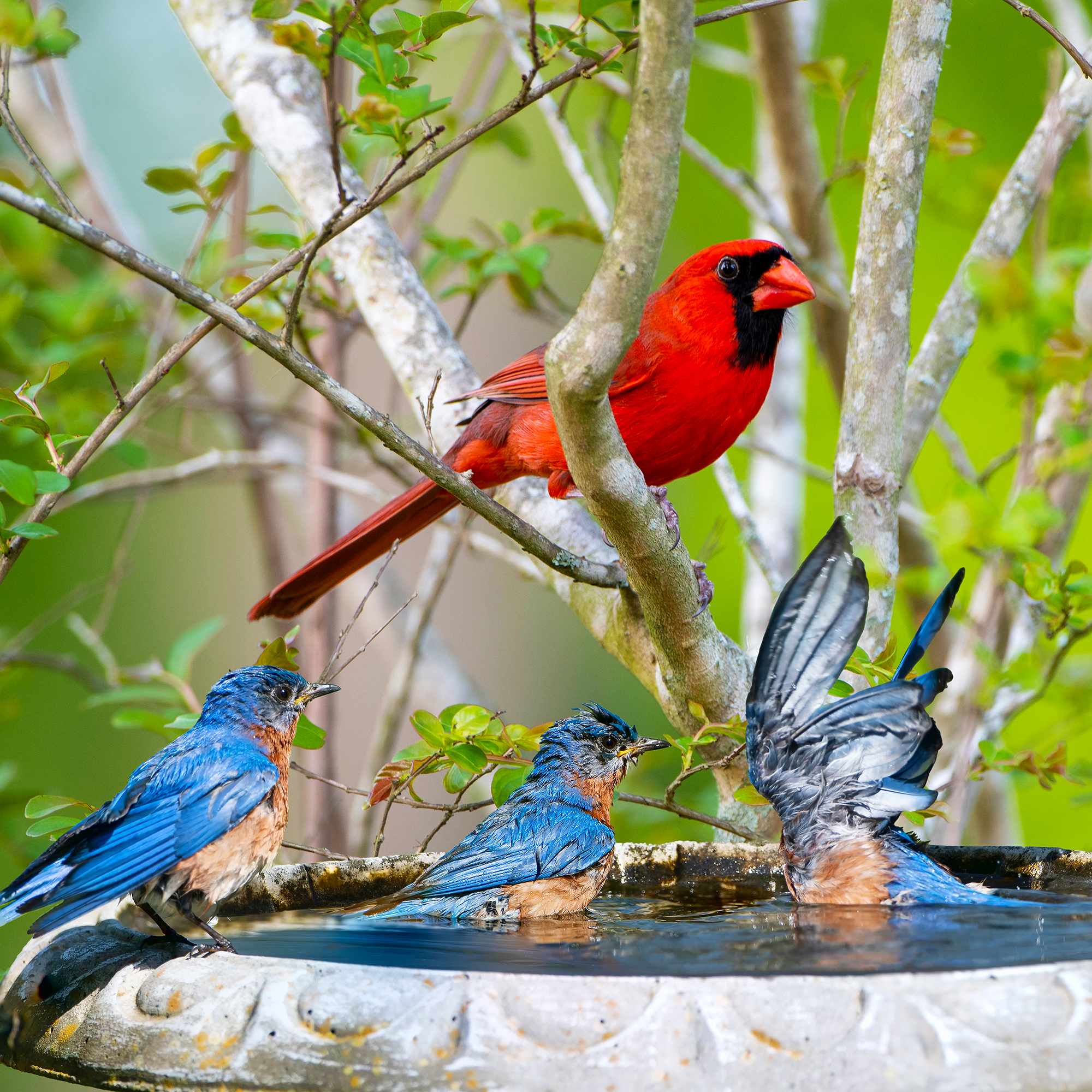
Birds need fresh water for drinking and bathing. Add a small birdbath or shallow dish near your herbs. Change the water often to keep it clean.
Provide shelter with dense herbs or nearby shrubs. This protects birds from weather and predators. Brush piles or small birdhouses also help.
Seasonal Care For Bird-attracting Herbs
Herbs that attract birds need care throughout the year. Each season has special tasks to help your herbs grow strong.
Following seasonal care helps you enjoy more birds visiting your garden. It keeps herbs healthy and full of life.
Spring Planting
Spring is the best time to plant bird-attracting herbs. The soil warms up, and plants start to grow well.
Choose herbs like basil, fennel, and dill. Plant them in sunny spots with good drainage.
- Prepare soil by loosening and adding compost
- Space plants properly to allow air flow
- Water gently after planting to settle soil
Summer Maintenance
Summer needs regular watering to keep herbs healthy. Dry soil can hurt the plants and reduce bird visits.
Remove weeds often. Weeds compete for water and nutrients. Pinch back herbs to encourage bushy growth.
- Water early in the morning or late evening
- Use mulch to keep soil moist and cool
- Check plants for pests and remove them
Fall Harvesting
Fall is the time to harvest seeds and leaves. Birds enjoy seeds from herbs like coriander and dill.
Harvest leaves before frost. Dry seeds in a cool, dry place for winter bird food.
- Cut herbs in the morning for best flavor
- Hang herbs upside down to dry
- Store seeds in airtight containers
Winter Protection
Protect herbs from cold winter weather. Use mulch or cover plants to keep roots warm.
Some herbs die back but return in spring. Keep the garden tidy and remove dead plants.
- Apply thick mulch around plants
- Use frost cloths on cold nights
- Water lightly if soil is dry and not frozen
Credit: www.msn.com
Common Birds Drawn To Herb Gardens
Herb gardens are not just for cooking. They also attract many types of birds. These birds help your garden thrive by pollinating plants and controlling pests.
Different birds prefer different herbs. Knowing which birds visit your garden helps you choose the right plants to grow. Here are some common birds drawn to herb gardens.
Hummingbirds
Hummingbirds love bright, nectar-rich flowers. Herbs like bee balm and lavender attract these tiny birds. They hover around flowers and sip nectar with their long beaks.
Finches
Finches enjoy seeds and small insects. They visit herb gardens to eat seeds from herbs like dill and fennel. These plants also provide good shelter for finches.
- Dill seeds
- Fennel seeds
- Sunflower seeds nearby
- Thyme and oregano for cover
Sparrows
Sparrows like herbs that provide both food and shelter. They often feed on seeds and small insects found in gardens. Herbs like chives and mint attract sparrows.
| Herb | Benefit to Sparrows |
| Chives | Seeds and insects |
| Mint | Cover and insects |
| Parsley | Seeds and shelter |
Warblers
Warblers are insect-eaters and love dense plants. They come to herb gardens to find bugs and to rest. Herbs like basil and sage attract many warblers.
Key herbs attracting warblers include:
- Basil
- Sage
- Thyme
- Rosemary
Credit: www.gardeningknowhow.com
Frequently Asked Questions
What Herbs Attract The Most Birds To Gardens?
Herbs like basil, lavender, and mint attract many birds. Their flowers and seeds provide food and shelter. These herbs also attract insects that birds feed on, enhancing garden biodiversity and bird visits.
How Do Herbs Benefit Birds In The Wild?
Herbs offer birds natural food sources, such as seeds and nectar. They also provide shelter and nesting materials. Growing herbs supports local bird populations by creating a safe, resource-rich environment.
Which Herbs Are Best For Attracting Hummingbirds?
Hummingbirds are drawn to herbs like bee balm, salvia, and lemon verbena. These herbs produce bright flowers rich in nectar, perfect for feeding hummingbirds and encouraging frequent visits.
Can Growing Herbs Reduce Pest Insects And Help Birds?
Yes, herbs like rosemary and thyme repel pests naturally. This creates a healthier garden ecosystem. Birds benefit by finding fewer harmful insects and more safe feeding opportunities.
Conclusion
Birds bring joy to gardens. Herbs attract them naturally. Rosemary, lavender, and mint are excellent choices. These plants offer food and shelter. Birds love their scents and colors. Planting these herbs enriches your garden. It becomes a lively haven. Enjoy watching birds flutter and sing.
Create a peaceful sanctuary with simple herbs. Nature's beauty thrives in your backyard. Start today with these easy steps. Your garden will thank you. So will the birds. Experience the delight of nature's visitors. A harmonious coexistence awaits. Embrace the simple joy of herbs and birds.


