Have you ever watched a peacock gracefully settle on a tree branch and wondered if it’s a perching bird? You’re not alone.
Understanding whether peacocks belong to the group of perching birds can change how you see these stunning creatures. You’ll discover surprising facts about peacocks’ habits and anatomy that reveal their true nature. Keep reading to uncover what makes peacocks unique and how they fit into the bird world you thought you knew.
Peacock Classification
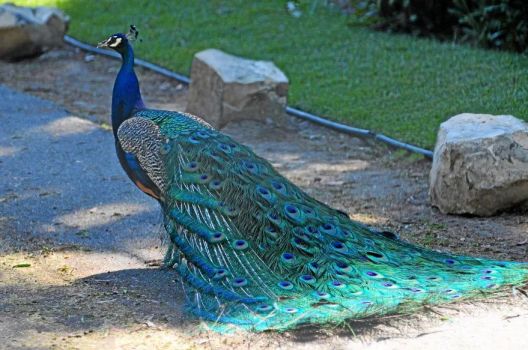
Peacocks are famous for their colorful feathers and courtship displays. Understanding their classification helps us know if they are perching birds.
The classification of peacocks places them in a group with many familiar birds. This group includes birds that perch on branches and trees.
Scientific Classification
Peacocks belong to the animal kingdom and the bird class. Their full scientific classification shows their place in the bird family tree.
| Rank | Classification |
| Kingdom | Animalia |
| Phylum | Chordata |
| Class | Aves |
| Order | Galliformes |
| Family | Phasianidae |
| Genus | Pavo |
| Species | Pavo cristatus (Indian Peafowl) |
Are Peacocks Perching Birds?
Peacocks are part of the order Galliformes, which includes many ground birds. But they also have the ability to perch on trees.
- Peacocks have strong feet with three forward toes and one backward toe.
- This toe arrangement helps them grip branches.
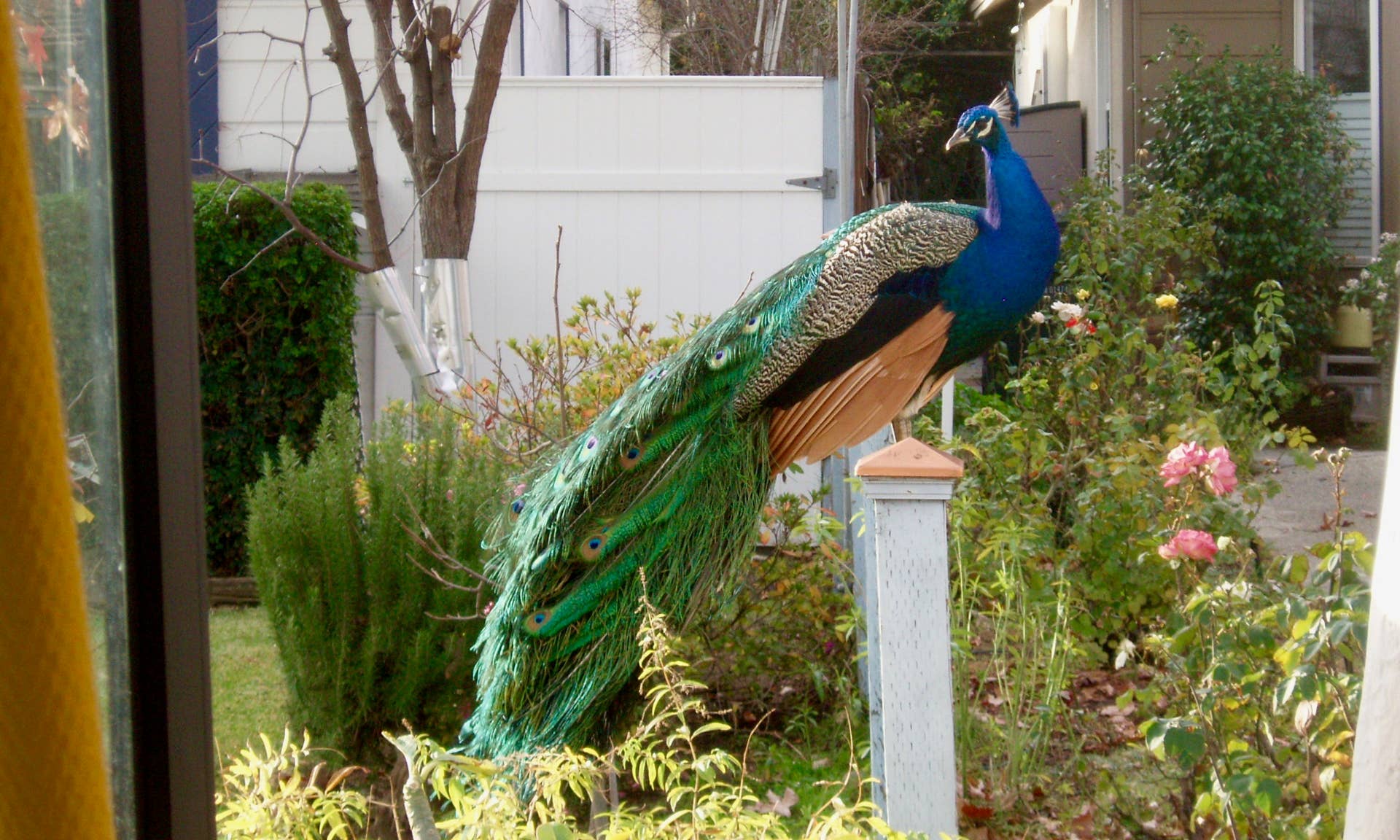
- They often roost in trees at night for safety.
- Despite mostly walking on the ground, they do perch like many songbirds.
Differences From Typical Perching Birds
Typical perching birds, or passerines, differ from peacocks in many ways. Peacocks are larger and spend more time on the ground.
- Passerines have a specialized foot structure for perching all day.
- Peacocks perch mainly to rest or sleep.
- Peacocks belong to Galliformes, not Passeriformes.

Credit: www.dreamstime.com
What Are Perching Birds
Perching birds are a large group of birds that can sit on branches and wires. They have special feet that help them hold tightly to these places.
These birds are very common and include many types like sparrows, robins, and finches. Their feet have three toes pointing forward and one toe pointing backward.
Characteristics Of Perching Birds
Perching birds have strong feet made for gripping. Their toes lock automatically when they land on a branch. This helps them stay safe while sleeping or resting.
- Three toes point forward
- One toe points backward
- Feet lock in place when perched
- Mostly small to medium size birds
- Good balance for landing on thin branches
Is Peacock A Perching Bird?
Peacocks are large birds known for their colorful feathers. They can perch on branches but do not have the typical feet of perching birds. Their feet are more suited for walking on the ground.
| Feature | Perching Birds | Peacock |
| Toe Arrangement | Three forward, one backward | Three forward, one backward (but less adapted) |
| Foot Locking Mechanism | Strong locking for grip | Weak or no locking |
| Common Habitat | Trees and shrubs | Ground and open areas |
| Ability to Perch | Yes, easily and often | Can perch, but rarely |
Peacock's Perching Behavior
Peacocks are known for their bright feathers and loud calls. Many wonder if they perch like other birds. Perching helps birds rest and stay safe at night.
Peacocks do perch, but their behavior is different from small songbirds. Their size and weight affect how they choose their roosting spots.
Typical Roosting Spots
Peacocks like to roost in high places. They often choose tall trees to stay safe from predators. These spots give them a good view of the area.
They may also rest on large branches that can hold their weight. Sometimes, peacocks roost on man-made structures like rooftops or fences.
- Tall trees with strong branches
- Large horizontal branches
- Fences and rooftops in safe areas
Adaptations For Perching
Peacocks have strong feet with sharp claws. These help them grip branches firmly. Their legs are strong to support their heavy bodies.
Their long tail feathers can be folded up when they perch. This helps them balance better on narrow spots. Their wings help them fly up to roosting places.
Comparison With Other Perching Birds
Peacocks are large birds known for their colorful feathers. They have feet adapted for walking and scratching on the ground. This makes them different from many perching birds.
Perching birds usually have feet that help them grip branches tightly. Let’s look closely at how peacocks compare with other perching birds.
Foot Structure And Perching Ability
Most perching birds have three toes pointing forward and one toe pointing backward. This helps them hold onto branches firmly. Peacocks also have this toe arrangement but their large size makes perching less common for them.
- Small perching birds like sparrows use their feet to stay on thin branches.
- Peacocks prefer walking or resting on the ground due to their weight.
- Peacocks can perch but do so less often than smaller birds.
Habitat And Behavior Differences
Many perching birds live mostly in trees. They build nests on branches and spend much time off the ground. Peacocks live in forests and open lands. They roost in trees but spend a lot of time on the ground.
| Bird Type | Habitat | Perching Habit |
| Sparrow | Urban and forests | Often perches on branches |
| Robin | Woodlands and gardens | Commonly perches in trees |
| Peacock | Forests and grasslands | Roosts in trees but mostly ground-based |
Flight And Mobility
Perching birds are usually agile fliers. They move quickly between branches. Peacocks can fly short distances but mostly walk or run. Their flight is heavy and limited compared to smaller perching birds.
Here is a summary of key differences:
- Size:Peacocks are larger and heavier.
- Perching:Peacocks perch less often.
- Flight:Peacocks fly short distances.
- Habitat:Peacocks spend more time on the ground.
Surprising Peacock Facts
Peacocks are known for their bright feathers and loud calls. Many people wonder if peacocks are perching birds.
These birds have some surprising traits that set them apart from others. Learning about their habits and abilities is interesting.
Flight Capabilities
Peacocks can fly but not for long distances. They usually fly to reach trees or escape danger quickly.
Their flight is strong enough to perch on tree branches. This helps them stay safe from ground predators.
Social Habits
Peacocks live in small groups called parties. Males show off their feathers to attract females.
They use loud calls to communicate and warn others of danger. These birds are social but also careful.
Unique Physical Traits
Peacocks have bright and colorful feathers that can spread wide. These feathers are used in courtship displays.
- Long tail feathers with eye-like patterns
- Strong legs for walking and perching
- Sharp claws for gripping tree branches

Credit: www.shutterstock.com
Why Peacock's Perching Matters
Peacocks are known for their bright feathers and loud calls. But their perching habits also play a key role in their life. Understanding why peacocks perch helps us learn more about their behavior and survival.
Perching is not just resting. It helps peacocks stay safe, find food, and communicate with others. This makes their perching habits very important.
Safety And Protection
Peacocks perch high in trees to avoid ground predators. This gives them a clear view of their surroundings. They can spot danger early and fly away if needed.
Rest And Sleep
Perching helps peacocks rest safely at night. Trees provide a secure place away from animals that hunt on the ground. This keeps them safe while they sleep.
Social Interaction And Display
Male peacocks use perches to show their feathers during mating season. Being higher helps their display reach more females. It also helps males watch over their territory.
- Peacocks call loudly from perches to mark territory.
- They use perches to communicate with other peacocks.
- Perching helps males attract mates more easily.
Finding Food
Perching gives peacocks a good view to spot food sources. From high places, they can see insects and plants on the ground. This helps them plan where to move next.
| Benefit | Reason |
| Safety | Avoids ground predators by perching high |
| Rest | Provides secure place to sleep |
| Social | Enhances mating displays and communication |
| Food | Helps spot food from above |
Credit: pethelpful.com
Frequently Asked Questions
Is A Peacock Classified As A Perching Bird?
Yes, peacocks are perching birds. They belong to the order Galliformes and often perch on trees to roost.
Why Do Peacocks Perch On Trees?
Peacocks perch on trees to avoid predators and rest safely during the night.
How Do Peacocks' Feet Help In Perching?
Peacocks have strong feet with three forward and one backward toe, enabling a firm grip on branches.
Are Peacocks Good At Flying To Perch?
Peacocks are weak fliers but can fly short distances to reach perching spots.
Conclusion
Peacocks are fascinating birds with unique traits. They may perch sometimes, but they aren't true perching birds. Their large size and tail make perching difficult. They prefer walking on the ground, displaying their beautiful feathers. Their strong legs help in roaming forests and fields.
Though not typical perchers, their elegance captivates many. Understanding their habits enhances our appreciation of these majestic creatures. Observing peacocks can teach us much about nature's wonders. They remind us that beauty often hides in unexpected places. These creatures truly enrich our world.
Peacocks, with their grace, continue to inspire awe and admiration.