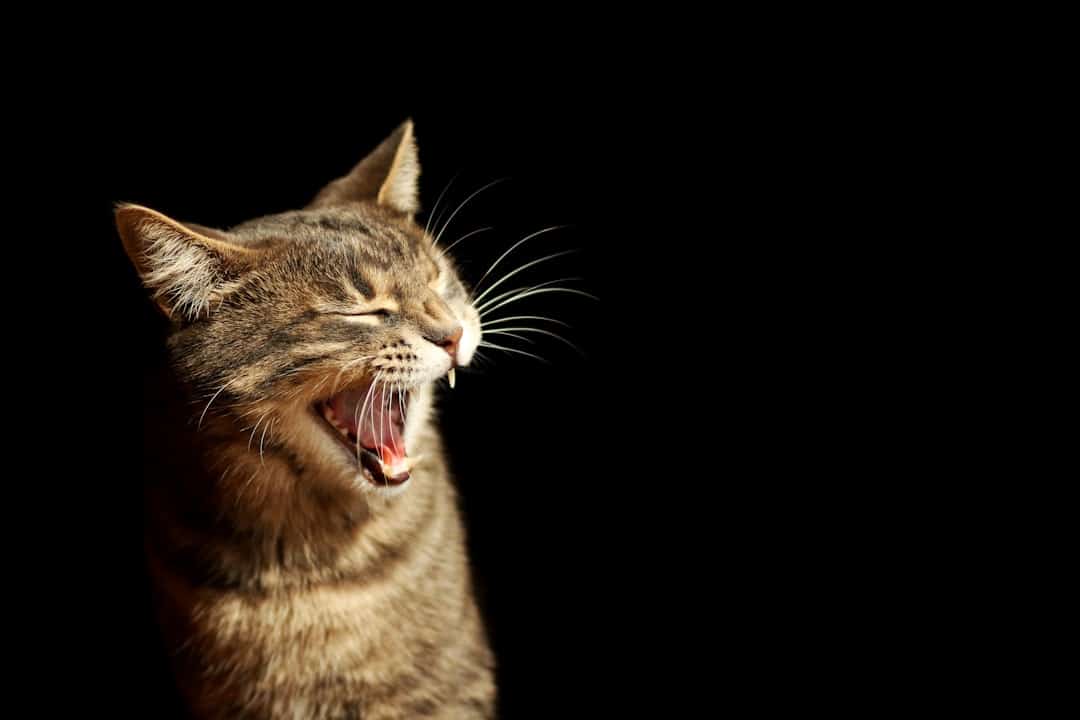
Have you ever heard a strange, chirpy sound and wondered, "What noise does a cat bird make?" If you’re curious about this unique bird and its calls, you’re in the right place.
Understanding its sounds can help you connect with nature in a whole new way. Keep reading, and you’ll soon recognize these fascinating noises whenever you hear them. Ready to discover the secret language of the cat bird? Let’s dive in!
Credit: nationalzoo.si.edu
Cat Bird Basics
The cat bird is a small to medium-sized bird known for its unique call. It is often heard but not easily seen.
Many people wonder what noise a cat bird makes and where it lives. This guide covers its species, habitat, and looks.
Species And Habitat
The cat bird belongs to the family Mimidae. It is common in North America, especially in forests and dense bushes.
- Found mainly in eastern and central parts of the US
- Prefers thick shrubs and wooded areas for nesting
- Often hides in tangled branches to stay safe
- Feeds on insects, berries, and small fruits
Physical Characteristics
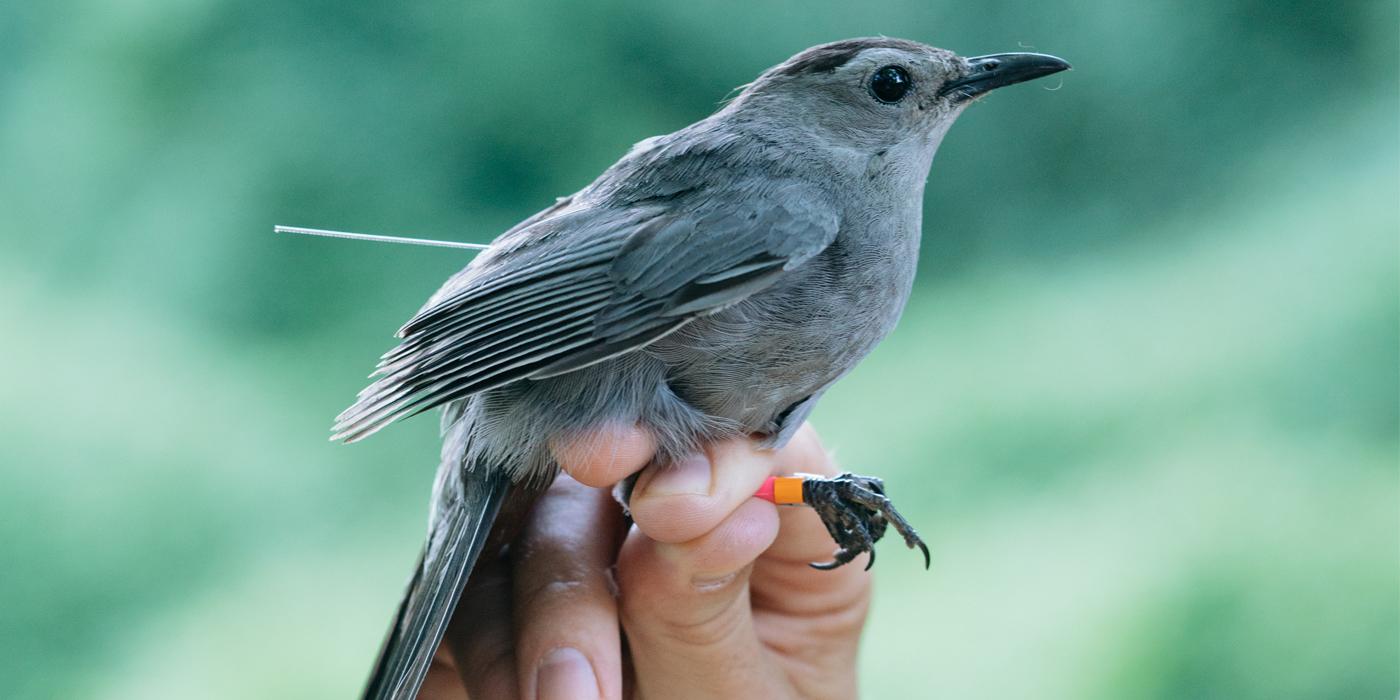
Cat birds have a sleek gray body with a black cap on their head. Their eyes are bright and alert, helping them spot food and danger.
| Feature | Description |
| Size | About 9 to 11 inches long |
| Color | Gray body with black head |
| Tail | Long and dark with white tips |
| Beak | Thin and slightly curved |
Credit: lafeber.com
Common Cat Bird Sounds
The cat bird is known for its unique sounds that often resemble a cat's meow. These sounds help the bird communicate with others.
Understanding these noises can help bird watchers and nature lovers identify the cat bird in the wild.
Typical Calls
Cat birds make soft, clear calls that sound like a cat's meow. These calls vary in pitch and length.
They use these typical calls to talk to their mates or to mark their territory.
- Short meows that sound like "mew"
- Repeating calls with a musical tone
- Soft chatter between birds
Alarm And Warning Calls
When danger is near, cat birds make loud and sharp alarm calls. These sounds warn other birds to stay alert.
The warning calls are harsher and more urgent than their normal meows.
- Harsh squawks or screeches
- Rapid repetitive calls
- High-pitched sounds that carry far
Unusual And Surprising Noises
The cat bird is known for making unusual sounds. These noises can surprise many people. They are not the typical bird calls you expect.
This bird uses sounds to communicate and protect its territory. Its vocal range is wide and full of surprises.
Mimicry And Imitations
The cat bird can mimic other animals and sounds. It often copies calls of other birds and noises from its environment. This skill helps it confuse predators and attract mates.
- Mimics the calls of other birds
- Copies sounds of small mammals
- Reproduces environmental noises like rustling leaves
- Uses mimicry to blend in and protect itself
Sounds Resembling Cats
The cat bird makes a unique sound that sounds like a cat’s meow. This noise is sharp and clear. It can last for a few seconds and may repeat several times.
| Sound Type | Description | Purpose |
| Cat-like meow | A sharp, clear meowing sound | To warn or scare away threats |
| Chatter | A quick, repeated clicking noise | Communication with other birds |
| Whistle | A high-pitched, clear tone | Attracting mates |
Reasons Behind Cat Bird Sounds
Cat birds make unique sounds that can catch your attention. These sounds serve many purposes in their daily life.
Understanding why cat birds call out helps us learn about their behavior and needs.
Communication Purposes
Cat birds use sounds to talk with other birds and animals. Their calls help them share important information.
- Alerting others about danger nearby
- Calling their young to stay close
- Warning rivals to stay away
- Expressing hunger or distress
Mating And Territory
Sounds play a big role in finding a mate and marking territory. Cat birds use calls to show strength and attract partners.
| Purpose | Sound Function |
| Attracting a Mate | Loud and clear calls to catch attention |
| Marking Territory | Repeated sounds to warn other birds |
| Defending Nest | Harsh calls to scare intruders |
How To Identify Cat Bird Calls
The cat bird is known for its unique sounds that often resemble a cat's meow. Identifying these calls helps bird watchers and nature lovers enjoy their presence.
Listening carefully to the cat bird’s calls can reveal different sounds it makes. This guide gives tips to help you hear and record these calls clearly.
Listening Tips
Find a quiet spot outdoors where cat birds are common. Early morning or late afternoon are the best times to hear their calls.
Focus on sounds that mimic a cat’s meow. Cat birds also make sharp, clear whistles and chattering noises.
- Stay still and listen for soft meowing sounds
- Use binoculars to spot the bird making the call
- Note the rhythm and pitch of the sounds
- Pay attention to repeated calls and patterns
Recording Techniques
Use a good quality audio recorder or smartphone with a clear microphone. Keep the device steady and close to the bird but not too close to scare it.
Record multiple calls to capture different sounds. Background noise should be minimal for better clarity.
- Choose a quiet location with less wind
- Record at different times of the day
- Hold the microphone toward the bird’s direction
- Use headphones to monitor sound quality while recording
Credit: www.youtube.com
Comparing Cat Bird Sounds To Other Birds
The cat bird is known for its unique sounds that often confuse bird watchers. Its call sounds like a cat's meow, which is unusual for birds. This makes it stand out from many other birds in its habitat.
When you listen to the cat bird, you hear a mix of meows and other bird-like calls. This variety helps compare it to other birds that make simpler or different sounds.
Similar Species
Some birds have sounds that resemble the cat bird but are different in tone or pattern. The gray catbird is a close relative with similar meowing sounds. Mockingbirds also mimic many sounds, including cat-like calls.
These birds share the ability to make varied noises. They often copy other bird songs and sounds from their environment, making their calls interesting to hear.
- Gray Catbird:Meows like a cat and whistles.
- Mockingbird:Copies many sounds, including cats and other birds.
- Brown Thrasher:Has a large song range with repeated phrases.
Distinctive Features
The cat bird's sound is not just a simple meow. It often mixes short meows with chirps and whistles. This mix makes it easy to tell apart from other birds.
The cat bird tends to repeat its meows in a soft, low voice. Other birds like the mockingbird may mimic many sounds, but the cat bird’s meow is more natural and less varied.
- Soft, cat-like meows repeated several times
- Mix of whistles and chirps along with meows
- Less mimicry compared to mockingbirds
- Sound often sounds like a real cat nearby
Impact Of Environment On Cat Bird Vocalizations
The sounds a cat bird makes can change depending on where it lives. Its calls vary in different environments. These changes help the bird communicate well in its surroundings.
Understanding how the environment affects their vocalizations can tell us a lot about cat bird behavior. It also shows how adaptable these birds are.
Urban Vs. Rural Calls
Cat birds living in cities often make louder and sharper calls. This helps their sounds cut through city noise like traffic and people. They may also repeat sounds more to get attention.
In rural areas, cat birds tend to have softer and clearer calls. The quieter surroundings let their sounds travel farther without being loud. These calls may be slower and less frequent.
- Urban calls are louder to overcome noise pollution.
- Rural calls are softer but carry farther in open spaces.
- Urban cat birds repeat sounds more often.
- Rural birds use simpler, slower calls.
Seasonal Variations
Cat bird sounds change with the seasons. In spring, calls become more frequent and complex. This helps attract mates and mark territory.
During winter, calls are fewer and simpler. Birds save energy and focus on staying safe. Some sounds also help keep the group together in cold weather.
- Spring calls are loud and complex for mating.
- Winter calls are soft and simple for energy saving.
- Seasonal changes support survival and reproduction.
Why Cat Birds Mimic Other Sounds
Cat birds are known for copying sounds from their environment. They can imitate other birds, animals, and even human noises. This skill helps them in many ways.
Understanding why cat birds mimic sounds helps us learn about their behavior. Their ability to copy sounds is not random but serves important purposes.
Survival Strategies
Cat birds use mimicry to protect themselves from predators. By copying loud or scary sounds, they can scare away threats. This helps them stay safe in the wild.
Imitating other animals also helps cat birds hide their location. Predators may get confused or avoid the area because of unfamiliar sounds.
- Copying predator sounds to scare enemies
- Mimicking other birds to blend in
- Using loud noises to warn others
Social Interaction
Cat birds mimic sounds to communicate with other birds. They use familiar calls to attract mates or warn about danger. This helps them build relationships.
Their mimicry also shows their strength and skills. Birds that copy many sounds often get more attention from mates and gain respect in their group.
- Attracting mates with varied sounds
- Warning others about threats
- Showing off skills to gain social status
Frequently Asked Questions
What Sound Does A Cat Bird Typically Make?
A cat bird makes a unique meowing sound similar to a cat's call. It often mimics other birds and noises. This helps it communicate and blend into its environment effectively.
Why Is The Cat Bird’s Call So Distinctive?
The cat bird’s call is distinctive because it resembles a cat’s meow. This unusual sound makes it easy to identify. It uses this call to attract mates and mark its territory.
Can Cat Birds Mimic Other Animal Sounds?
Yes, cat birds can mimic various animal sounds, including cats and other birds. This ability helps confuse predators and communicate with other birds. Their vocal range is quite diverse and impressive.
How Can I Identify A Cat Bird By Its Noise?
Listen for a meow-like call with varied pitch and tone. The cat bird’s sound stands out from typical bird songs. It often repeats its calls in short bursts.
Conclusion
Catbirds are fascinating creatures with unique sounds. Their calls can mimic other birds. They often sound like meows and whistles. These sounds can surprise and delight bird watchers. Learning their calls helps in identifying them. Catbirds add charm to any garden or park.
Observing them enhances our connection to nature. Their melodies make the outdoors more enjoyable. So, next time you hear a strange sound, listen closely. It might just be a clever catbird singing its tune. Enjoy the beauty and mystery they bring to our world.