A Bird Perching – Behavior, Symbolism, and Stunning Photography
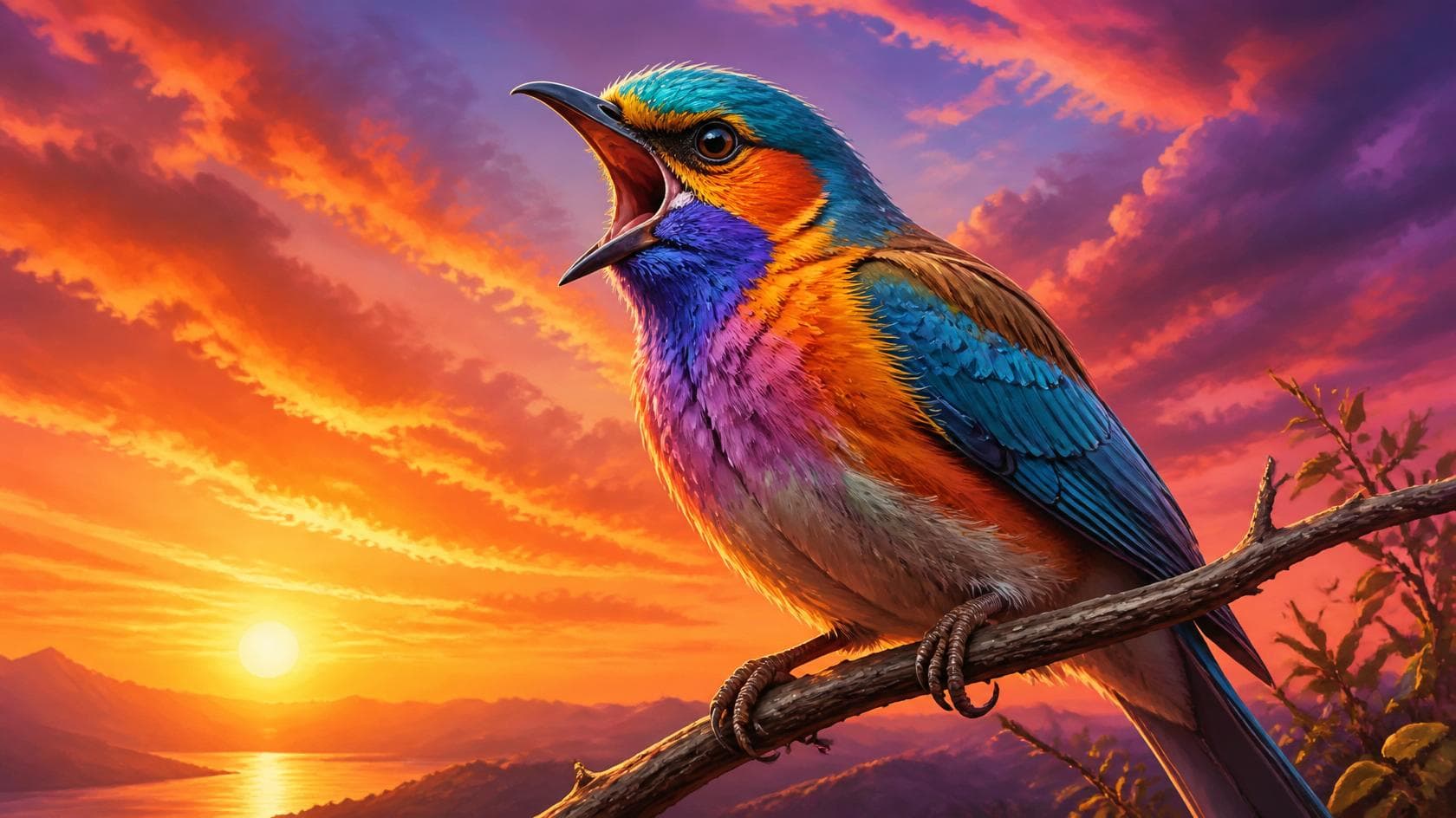
Have you ever paused to watch a bird gently land and settle on a branch? That simple moment holds more magic than you might realize.
When a bird perches, it’s not just resting—it’s showing a delicate balance of strength and grace that can inspire you in your daily life. You’ll discover the hidden wonders behind this natural act and how paying attention to it can change the way you see the world around you.
Keep reading, and you’ll find a new sense of calm and connection waiting for you.
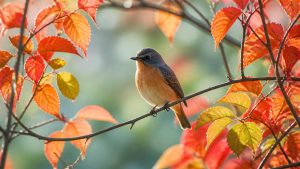
Bird Perching Behavior
Birds perch to rest, watch for food, and stay safe. Perching is an important part of their daily life.
They use their feet to hold onto branches, wires, or other surfaces. This helps them balance and stay steady.
Types Of Perching Birds
Many birds are known as perching birds. These birds have special feet to grip branches well.
Songbirds, sparrows, and finches are common types. They all use perching to rest and watch their surroundings.
- Songbirds
- Sparrows
- Finches
- Warblers
- Swallows
Reasons Birds Perch
Birds perch for many reasons. They rest after flying long distances and save energy.
Perching helps birds look out for predators and find food. It also lets them sing to communicate.
- Resting and saving energy
- Watching for food or danger
- Singing to communicate
- Nesting or caring for young
Common Perching Spots
Birds choose perching spots that are safe and give a good view. Trees and bushes are popular choices.
Wires, fences, and rooftops also serve as perches. Birds pick spots where they can rest and watch easily.
- Tree branches
- Bushes and shrubs
- Wires and power lines
- Fence posts
- Rooftops and ledges
Capturing Perching Moments
Birds perching offer a great chance to catch calm and natural photos. These moments show the bird’s details and colors clearly.
With the right timing and tools, you can take sharp and beautiful images of birds at rest.
Best Times For Bird Photography
Light and bird activity change with the time of day. Early morning and late afternoon give soft, warm light that makes photos look nice.
- Early morning has less wind and more bird movement.
- Late afternoon light adds warm colors to your shots.
- Overcast days reduce shadows and give even light.
- Avoid midday when light is harsh and birds rest.
Essential Equipment
Good gear helps you get clear and focused images of birds sitting still. A camera with zoom and fast focus is key.
| Equipment | Purpose |
| Telephoto Lens (300mm+) | Zooms in close without disturbing birds |
| Tripod | Keeps camera steady for sharp photos |
| Fast Shutter Speed | Freezes small movements of birds |
| Remote Shutter Release | Prevents camera shake when shooting |
Techniques For Sharp Images
Use these tips to get crisp photos of birds perched on branches or wires. Focus and stability matter most.
- Set autofocus on the bird’s eye for clear focus.
- Use a fast shutter speed of 1/1000 second or higher.
- Keep ISO low to avoid grainy photos.
- Use a tripod or steady surface to reduce blur.
- Take multiple shots to increase chances of a sharp photo.
Stunning Perch Shots
Birds often rest on perches, creating great photo chances. These moments show their calm side and beauty.
Capturing birds on perches can reveal details not seen during flight. Photos can be sharp and clear.
Close-up Details
Close-up shots capture fine feathers and eye colors. You see textures and patterns up close.
These photos show the bird’s personality and mood. Small details make the image special and real.
- Focus on the eyes for sharpness
- Use natural light for soft colors
- Show feather layers and patterns
Birds In Flight To Perch
Photos of birds flying toward a perch add motion and life. They show power and grace in action.
Timing is key to catch the bird just before landing. It creates a story from flight to rest.
- Shoot in burst mode to get many shots
- Focus on the perch to keep it sharp
- Use a fast shutter speed to freeze motion
Unique Perch Settings
Birds perch in many places: branches, wires, rocks, or man-made objects. Each setting adds interest.
Unusual perches make photos stand out. They show birds in unexpected or creative ways.
- Natural branches blend with the bird
- Rusty wires add a vintage look
- Bright signs create color contrast
- Rocks and stones give a rugged feel
Bird Species Highlights
Birds come in many shapes and colors. They live in forests, mountains, and cities. Each bird species has unique traits that make it special.
We will look at three groups: colorful songbirds, majestic raptors, and exotic rare birds. Each group has amazing species to discover.
Colorful Songbirds
Colorful songbirds are small and bright. They sing beautiful songs that fill the air. These birds use their colors to attract mates and hide from predators.
- American Goldfinch: bright yellow with black wings
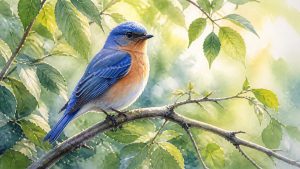
- Eastern Bluebird: vivid blue and orange chest
- Scarlet Tanager: deep red body with black wings
- House Finch: rosy red on head and chest
Majestic Raptors
Raptors are birds of prey. They have sharp claws and strong beaks. These birds fly high and hunt for food. They are powerful and fast.
| Species | Wingspan | Diet |
| Bald Eagle | 6 to 7.5 feet | Fish, small mammals |
| Peregrine Falcon | 3.3 to 3.6 feet | Other birds |
| Red-tailed Hawk | 3.5 to 4.8 feet | Rodents, reptiles |
Exotic And Rare Birds
Exotic birds live in faraway places. Some are rare and hard to see. They have strange colors and shapes that make them unique.
Here are some rare birds from different parts of the world:
- Resplendent Quetzal: bright green and red, found in Central America
- Hoatzin: has a claw on each wing, lives in South America
- Kakapo: a flightless parrot from New Zealand
Nature’s Impact On Perching
Birds use perching to rest, watch for predators, and find food. Nature affects how and where they perch every day.
Different natural factors like seasons, habitats, and weather change bird perching behavior. These changes help birds survive and stay safe.
Seasonal Changes
Seasons affect bird perching by changing food supply and temperature. Birds may perch more in warm seasons and less in cold ones.
- In spring, birds perch to build nests and sing.
- Summer perching often happens in shaded areas to stay cool.
- Autumn perching helps birds prepare for migration.
- Winter perching usually takes place in sheltered spots to keep warm.
Habitat Influence
The type of habitat changes where birds choose to perch. Trees, bushes, and rocks all offer different perching spots.
| Habitat Type | Common Perch | Reason |
| Forest | Tree Branches | Protection from predators |
| Grassland | Fence Posts | Clear view of ground |
| Wetlands | Reeds | Close to water and food |
| Urban Areas | Power Lines | High vantage points |
Weather Effects On Behavior
Weather changes bird perching habits. Birds adjust perching to stay safe and comfortable in different weather.
Birds change perching based on weather:
- On windy days, birds pick strong branches to hold on tightly.
- During rain, they perch under leaves or dense branches to stay dry.
- In cold weather, birds fluff feathers while perching to keep warm.
- On sunny days, birds often perch in open spots to soak sunlight.
Conservation And Respect
Birds are an important part of nature. They help keep the environment healthy.
It is important to protect birds and treat them with respect. This helps them live safely and happily.
Protecting Bird Habitats
Birds need safe places to live, nest, and find food. Protecting these habitats is key to their survival.
We can help by keeping forests, wetlands, and fields clean and undisturbed. Avoid cutting down trees or polluting water where birds live.
- Do not destroy nests or eggs
- Keep pets away from bird areas
- Support local parks and nature reserves
- Plant native trees and flowers
Ethical Photography Tips
Taking photos of birds can be fun. Always respect their space to avoid stress or harm.
Use zoom lenses to take pictures from a distance. Never touch or chase birds to get a better shot.
- Stay quiet and move slowly
- Do not disturb nests or young birds
- Turn off flash to avoid scaring birds
- Follow local wildlife rules and guidelines
Promoting Awareness
Teaching others about bird protection helps keep birds safe. Share facts and stories to raise respect.
Join or support groups that work to save birds and their homes. Awareness leads to better care for wildlife.
- Organize bird watching events
- Share bird-friendly tips on social media
- Support laws that protect birds
- Encourage building bird feeders and shelters
Frequently Asked Questions
What Does Bird Perching Mean In Nature?
Bird perching refers to birds resting or sitting on a branch, wire, or other surfaces. It allows them to rest, observe surroundings, and stay alert to predators or prey.
Why Do Birds Prefer Perching On Branches?
Branches provide stability, safety, and a good vantage point. Birds use perches to rest, preen, hunt, or communicate with others in their environment.
How Do Birds’ Feet Adapt For Perching?
Birds have strong, flexible toes with tendons that lock around perches. This grip helps them balance and stay secure without much effort.
Can All Birds Perch Or Only Specific Species?
Most birds perch, especially passerines like sparrows and finches. Some birds, like waterfowl, rarely perch as they prefer swimming or walking.
Conclusion
Observing a bird perching brings joy and wonder. It connects us with nature. Birds offer peace and beauty in their simplicity. Their perching habits teach us patience and mindfulness. Every perch is a moment to admire. Their colors, songs, and grace inspire us daily.
Watching them reminds us to appreciate small wonders. A bird perched on a branch can uplift spirits. It’s a simple joy we all can cherish. Let’s take time to enjoy these moments. Nature’s gifts are always around us. Embrace them with open eyes and heart.