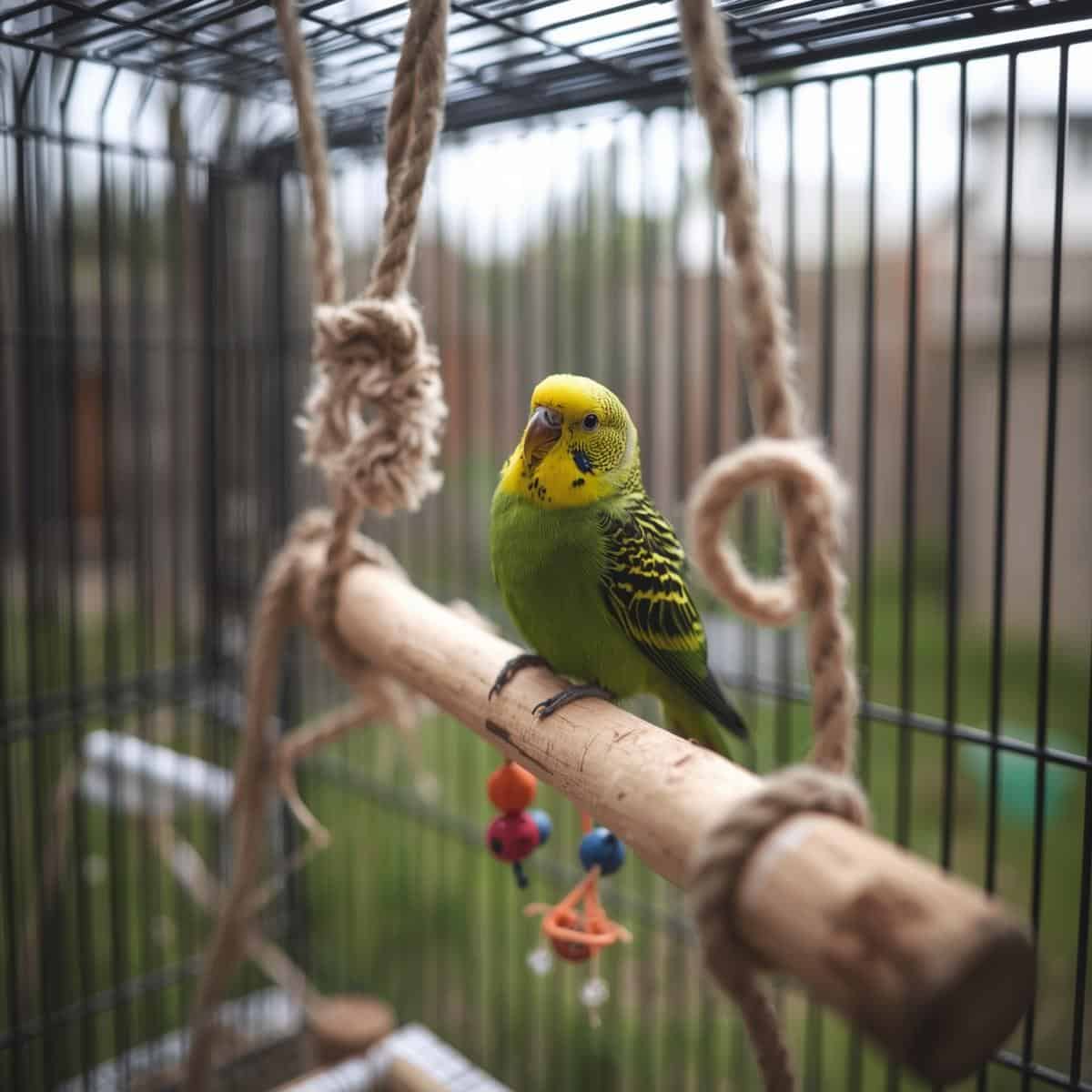
Looking for a simple, safe, and comfortable perch for your bird? Making a rope bird perch might be the perfect solution for you. Not only is it easy to create, but it also provides a soft and sturdy spot your feathered friend will love. In this guide, you’ll learn step-by-step how to make a rope bird perch using materials you can find at home or a local store. Keep reading, and by the end, you’ll have a cozy new perch that keeps your bird happy and healthy.
Credit: hari.ca
Materials Needed
Making a rope bird perch is simple and fun. You need a few materials to get started. These will help you create a safe and comfortable perch for your bird.
Choosing the right materials is important. It ensures the perch is strong and safe for your bird to use every day.
Types Of Rope
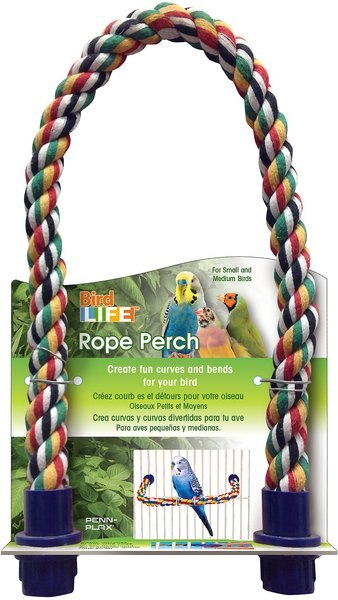
Different ropes work well for bird perches. You want a rope that is strong and safe for birds to grip. Natural fibers are best because they are soft and non-toxic.
- Cotton rope is soft and easy to clean.
- Hemp rope is strong and natural.
- Jute rope is rough but safe and natural.
- Avoid synthetic ropes that can harm birds.
Additional Supplies
You need some extra tools to help build the perch. These supplies make the job easier and the perch safer for your bird.
- Scissors or a sharp knife to cut rope.
- Measuring tape to get the right length.
- Non-toxic glue to secure the ends of the rope.
- Sandpaper to smooth any rough edges.
- Hooks or clips to hang the perch in the cage.
Choosing The Right Rope
Choosing the right rope is key for making a safe bird perch. The rope must be strong and non-toxic. Birds often chew on the rope, so the material matters a lot. This guide explains natural and synthetic ropes and safety tips to help you understand how to make a rope bird perch that is durable.
Natural Vs Synthetic
Natural ropes come from plants like cotton, sisal, or jute. They are soft and easy for birds to grip.
Synthetic ropes use materials like nylon or polyester. These ropes are very strong and last longer.
- Natural ropes are biodegradable and eco-friendly.
- Synthetic ropes resist moisture and wear well.
- Natural ropes may fray faster and break down.
- Synthetic ropes can be slippery for birds to hold.
Safety Considerations
Safety is the top concern when choosing rope for a bird perch. Some ropes can harm birds if not chosen right.
| Safety Factor | Natural Rope | Synthetic Rope |
| Toxicity | Low risk if untreated | May contain harmful chemicals |
| Chewing Risk | Birds can shred fibers | Less likely to shred but can cause choking |
| Cleaning | Can mildew if wet | Easy to clean and quick drying |
| Durability | Weaker over time | Very durable |
Measuring And Cutting
Making a rope bird perch needs careful measuring and cutting. Getting the right length and clean cuts ensures safety and comfort for your bird.
Follow simple steps to measure and cut your rope correctly. This helps the perch fit well in the cage and last a long time.
Determining Length
Measure the space where you want to place the perch. The rope should fit well without being too tight or loose. Leave extra length for knots and attachments. When you plan how to make a rope bird perch, always account for the thickness of the rope in your measurements.
-
Use a tape measure or ruler to check the internal cage width.
-
Decide how much rope you need for a comfortable perch.
-
Add 4 to 6 inches for tying knots at both ends or securing hardware.
-
Consider the bird’s size to choose a suitable perch length.
Cutting Techniques
Cut the rope cleanly to avoid fraying and keep the perch strong. Use sharp tools and secure the rope before cutting. Learning how to make a rope bird perch requires precision to ensure the ends don't unravel immediately.
| Tool | Use | Tip |
|---|---|---|
| Sharp scissors | Clean cut | Cut in one smooth motion |
| Utility knife | Precise trimming | Cut on a stable surface |
| Heat source (lighter or match) | Seal rope ends | Carefully melt ends to stop fraying |
Credit: www.leoalmanac.org
Preparing The Rope Ends
When making a rope bird perch, it is important to prepare the ends of the rope. Proper preparation stops the rope from coming apart. It also makes the perch safer for your bird.
This guide covers two key ways to prepare the rope ends. These methods help seal the rope and prevent fraying.
Sealing Methods
Sealing the ends of the rope keeps the fibers tightly together. One common way is to use heat. You can carefully melt synthetic rope ends with a lighter or heat gun. This fuses the fibers and stops them from loosening.
Another method is to apply glue or clear nail polish to the rope ends. This creates a hard coating that holds the fibers in place. Make sure the glue is dry before using the perch.
- Use a lighter or heat gun carefully for synthetic ropes.
- Apply glue or clear nail polish to dry rope ends.
- Wrap the ends with strong tape as a temporary seal.
- Trim any loose fibers before sealing.
Preventing Fraying
Fraying happens when rope fibers break and spread out. To avoid this, wrap the rope ends tightly with twine or thread. You can sew the ends or tie a strong knot around them. If you are learning how to make a rope bird perch, mastering the "whip stitch" is a great way to keep ends professional and safe.
| Method | Materials Needed | Benefits |
|---|---|---|
| Wrapping with Twine | Twine, Scissors | Keeps fibers tight and neat |
| Sewing the Ends | Needle, Thread | Strong hold, long-lasting |
| Tying a Knot | None | Simple, quick to do |
Assembling The Perch
Making a rope bird perch is a fun project. You need to put the parts together carefully. This will ensure the perch is safe and strong for your bird. Assembling the perch involves creating a steady base and securing the rope tightly. These steps help the perch hold firm and last longer. If you want to know how to make a rope bird perch with extra stability, focus on the attachment points.
Creating The Base
The base keeps the perch stable. Use a wooden board or a strong plastic piece. The size should be wide enough to prevent tipping.
Place the base on a flat surface. This will help when you attach the rope and other parts. Make sure it does not wobble.
- Choose a flat, sturdy base material
- Make the base wide for better balance
- Check the base is clean and dry
Securing The Rope
Attach the rope firmly to the base. Use strong knots or glue to hold it in place. This stops the rope from moving or falling off.
Wrap the rope tightly and evenly. Make sure there are no loose ends. This creates a safe surface for your bird to perch on.
- Tie the rope with secure knots
- Use glue or tape for extra hold
- Check all rope ends are fastened
Adding Support And Stability
Making a rope bird perch is fun and useful. Support and stability keep the perch safe for your bird.
Strong support stops the perch from moving or falling. Stability helps your bird feel secure.
Attachment Options
How you attach the perch affects its strength. Choose a way that holds the perch tightly in place. Use hooks, screws, or clips to fix the perch. Make sure they fit your cage or stand well. This is a critical step in how to make a rope bird perch that won't sag over time.
-
Hooks: Easy to attach and remove
-
Screws: Provide strong, permanent hold
-
Clips: Good for quick changes
Ensuring Durability
Durability means the perch lasts long and stays safe. Use materials that resist wear and tear.
Check the rope for frays and replace it if needed. Treat wood parts to stop rot and damage.
- Choose strong, natural rope like cotton or sisal
- Inspect the perch regularly for damage
- Use weatherproof finishes on wooden parts
Customizing Your Perch
Making a rope bird perch lets you create a space your bird will enjoy. Adding toys and decorations makes the perch fun and inviting. You can tailor it to your bird’s needs and personality.
Custom touches keep your bird active and curious. They also help the perch match your home style. Here are ideas to add toys, accessories, and decorative elements.
Adding Toys And Accessories
Toys and accessories keep birds entertained and healthy. You can attach swings, bells, or chew toys. Make sure items are safe and fit well on the rope perch.
- Attach small bells with clips for sound stimulation
- Add wooden blocks or chew toys for beak exercise
- Hang a swing near the perch for movement
- Use colorful beads to attract attention
- Include mirrors or ladders to encourage play
Decorative Touches
Decorate the perch to make it visually appealing. Choose colors and styles that match your room. Use natural materials to keep it safe and cozy for your bird. When you how to make a rope bird perch, don't be afraid to get creative with aesthetics.
| Decoration | Material | Benefits |
| Colored Rope Wrap | Cotton | Soft and colorful grip |
| Wooden Beads | Natural Wood | Safe and attractive texture |
| Fabric Tassels | Non-toxic Fabric | Visual interest and fun |
| Natural Leaves | Dry Leaves | Natural look and scent |
Safety Tips For Birds
Making a rope bird perch is fun and useful for your pet. It is important to keep the perch safe. Birds can get hurt on damaged or dirty perches.
Regular checks and cleaning help keep your bird healthy. This guide covers key safety tips about maintenance and wear of rope perches.
Regular Maintenance
Clean the rope perch often to stop germs and dirt buildup. Use warm water and mild soap. Rinse well and let it dry before use. Avoid strong chemicals that can harm birds.
- Wash perch weekly or more if needed
- Remove droppings and food debris daily
- Dry perch completely to prevent mold
- Use bird-safe cleaning products only
Monitoring Wear And Tear
Check the rope perch for damage every week. Frayed rope or loose ends can hurt your bird’s feet. Replace the perch if it looks worn out or unsafe. Monitoring these details is part of knowing how to make a rope bird perch a permanent, safe fixture.
| Signs of Wear | Actions to Take |
| Frayed or loose rope ends | Trim or replace the rope |
| Discoloration or mold spots | Clean thoroughly or discard |
| Rope softness or breakage | Replace perch immediately |
| Unpleasant smells | Wash and dry well |
Benefits Of Rope Perches
Rope bird perches are a popular choice for many bird owners. They offer a soft and flexible surface for birds to rest on.
These perches can help keep your bird comfortable and healthy. They are easy to make and customize at home.
Comfort And Grip
Rope perches provide a soft surface that feels nice on birds' feet. They are gentle and reduce pressure points.
The texture of the rope gives birds a good grip. This helps them hold on securely without slipping.
- Soft and cushioned for comfort
- Textured surface for better grip
- Flexible to adjust to bird’s movements
Promoting Foot Health
Rope perches help keep your bird’s feet healthy. They reduce the risk of sores and pressure injuries. The uneven texture encourages natural foot exercise. This supports strong muscles and good circulation. If you how to make a rope bird perch with varying thicknesses, it further benefits their joints.
-
Prevents foot sores and injuries
-
Encourages natural foot movement
-
Supports strong muscles and good blood flow

Credit: parrotessentials.co.uk
Frequently Asked Questions
What Materials Do I Need To Make A Rope Bird Perch?
You need natural rope, wooden dowels, scissors, and non-toxic glue. Choose safe, bird-friendly materials to ensure durability and comfort for your bird.
How Long Does It Take To Make A Rope Bird Perch?
Making a rope bird perch typically takes 30 to 60 minutes. The time depends on your skill level and design complexity.
Can I Customize The Rope Bird Perch Size?
Yes, you can customize the size to fit your bird’s cage. Measure your cage first to ensure the perch fits perfectly.
Is A Rope Bird Perch Safe For All Bird Species?
Rope perches are safe for most birds if made with natural materials. Avoid synthetic ropes, which can harm birds if ingested.
Conclusion
Crafting a rope bird perch is simple and rewarding. You only need a few materials and basic tools. This project offers your bird comfort and fun. Plus, it enhances your bird's habitat beautifully. Remember to choose safe, non-toxic rope for your pet's safety.
Follow the steps carefully, and you'll have a sturdy perch in no time. Share your creation with friends and inspire others. Knowing how to make a rope bird perch is a great way to bond with your feathered friend. Happy crafting!