A Place for a Bird to Perch: Creating Safe, Inviting Spots in Your Garden
Have you ever watched a bird find the perfect spot to rest, looking so calm and peaceful? Imagine creating that same feeling right outside your window.
A place for a bird to perch in garden isn’t just for the birds—it can bring you closer to nature, add beauty to your space, and even brighten your day. You’ll discover simple ways to make your garden or balcony inviting for birds to stop by, creating a perfect bird perch in garden.
A place for a bird to perch can also serve as a perfect spot for relaxation, allowing you to enjoy the calming presence of nature. By creating a dedicated space, you enhance both your garden and the bird community.
Imagine having a specific bird perch in garden where various species can feel safe and comfortable, enjoying the sights and sounds around them.
Keep reading, and you’ll find easy tips that turn your outdoor area into a peaceful retreat both you and the birds will love.
Transforming your outdoor area into a place for a bird to perch not only attracts various species but also creates a delightful atmosphere right at home.

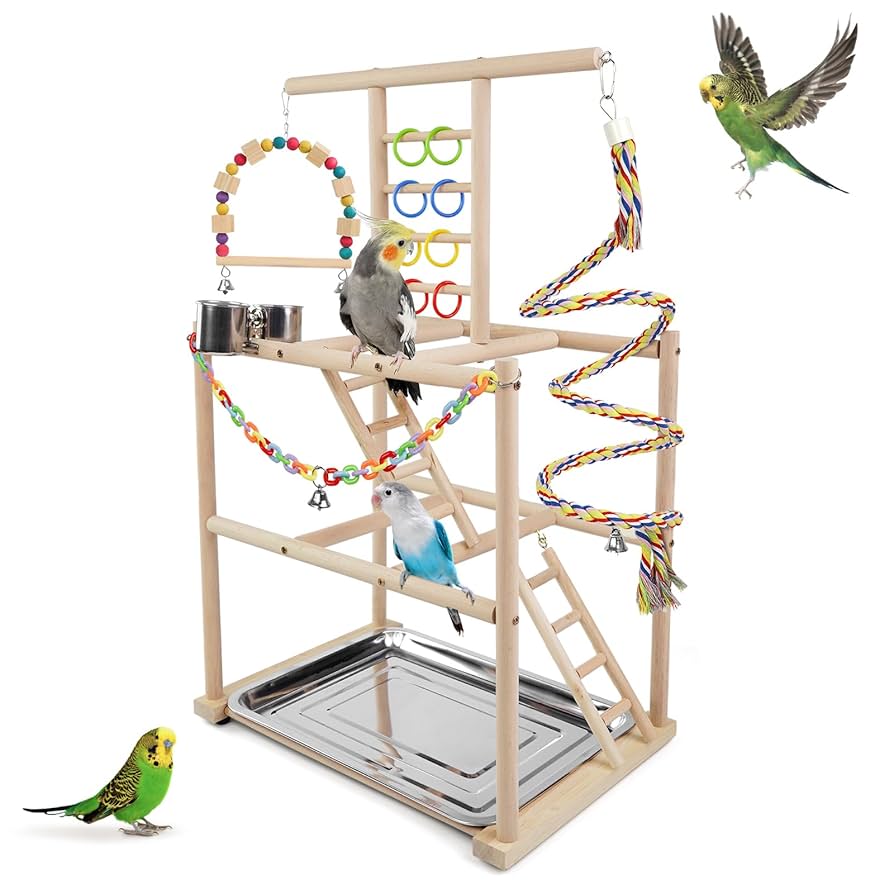
Credit: www.amazon.com
Choosing The Right Perch
Birds need a safe and comfortable place to rest and watch their surroundings. Choosing the right perch helps them feel secure and encourages visits. A good perch also supports their feet well and fits their size and shape.
Choosing the right bird perch in garden helps them feel secure and encourages visits. It’s essential to consider what makes a comfortable and inviting perch.
This guide explains the types of perches, materials that attract birds, and the best sizes and shapes to use.
Natural Vs. Artificial Perches
Both natural and artificial options can serve as an excellent bird perch in garden, depending on your setup and the birds you wish to attract.
Natural perches come from tree branches and sticks. They have rough bark that helps birds grip and stay balanced. Artificial perches include plastic, metal, or wooden rods made by people. Each type has its pros and cons.
When considering materials, think about how they contribute to making a place for a bird to perch as natural and welcoming as possible.
- Natural perches feel familiar to wild birds.
- They offer different textures for foot comfort.
- Artificial perches last longer and are easier to clean.
- Some artificial materials may be too smooth or slippery.
- Using a mix of both can attract more bird types.
Materials That Attract Birds
Birds prefer certain materials for their bird perch in garden that feel safe and natural. Wood is the most popular because it is warm and easy to grip.
Crafting a perfect place for a bird to perch means selecting materials that resonate with their natural habitat.
In designing a welcoming environment, ensure that your bird perch in garden resonates with their natural habitat.
| Material | Attractiveness | Durability | Notes |
|---|---|---|---|
| Wood | High | Medium | Natural feel, good grip |
| Metal | Low | High | Can get hot or cold |
| Plastic | Medium | High | Easy to clean, sometimes slippery |
| Natural Branches | High | Low | Varied texture, may decay |
Ideal Perch Sizes And Shapes
Providing a variety of sizes creates a comfortable place for a bird perch in garden, ensuring that all species feel welcome.
Providing a variety of sizes creates a comfortable place for a bird to perch, ensuring that all species feel welcome.
- Diameter between 1 to 2 inches suits most small birds.
- Rounded or slightly rough surfaces improve grip.
- Long perches give space to move and turn around.
- Perches should be stable and secure to prevent wobbling.
- Vary perch sizes to attract more bird species.
Best Locations In Your Yard
Identifying the best locations helps in creating a vibrant place for a bird to perch, enhancing their experience.
Identifying the best locations helps in creating a vibrant place for a bird perch in garden, enhancing their experience.
Birds look for safe places to rest and watch their surroundings. Your yard can offer many great spots for birds to perch. Choosing the right locations helps attract birds and keeps them comfortable.
By ensuring you have a bird perch in garden that offers safe, comfortable spots, you will attract a variety of birds to your yard.
Below are some of the best places in your yard to create perches for birds. Each spot has special features that birds like.
Sunlit Areas
Birds enjoy warm places where sunlight reaches. Sunlit areas help birds stay warm and dry. These spots also make it easier for birds to see food and watch for danger.
- Place perches near open spaces that get morning sun.
- Use branches or poles that do not have too much shade.
- Clear away tall weeds or bushes that block sunlight.
Sheltered Spots
Birds need places to hide from wind and bad weather. Sheltered spots give them safety and comfort. Trees, shrubs, and fences make good shelters.
For example, using thick shrubs can create an ideal place for a bird to perch, providing both safety and comfort.
| Type of Shelter | Benefits for Birds |
| Thick shrubs | Protect from wind and hide from predators |
| Evergreen trees | Offer year-round cover and safety |
| Fences with gaps | Provide rest spots with some shelter |
Near Food And Water Sources
Birds prefer perches close to food and water. This helps them easily find a reliable bird perch in garden.
Ensuring your yard has a reliable place for a bird to perch near food sources will attract even more feathered friends.
-
- Place perches near bird feeders or fruit trees.
Placing a bird perch in garden near feeders will enhance your chances of attracting more feathered friends.
- Set up perches close to birdbaths or small ponds.
- Keep food and water areas clean and fresh.
Perch Types That Birds Love
Birds need safe and comfortable places to rest. Different perches attract different types of birds. Providing a variety of perch types helps birds feel at home in your garden.
Different perches create various opportunities to establish a welcoming bird perch in garden.
By implementing various types of perches, you’ll create a welcoming place for a bird to perch, which will invite more birds into your garden.
Choosing the right perch can make your outdoor space a bird-friendly haven. Let’s explore some popular perch options that birds enjoy.
Tree Branches And Shrubs
Natural branches and shrubs offer birds a familiar and safe place to perch. They provide shelter and a good view of the surroundings. Birds use these spots to rest, look for food, and hide from predators.
- Choose branches of different thicknesses for various bird sizes.
- Keep shrubs dense to give hiding spots.
- Plant native trees and bushes for local bird species.
- Trim branches carefully to maintain natural shapes.
Birdhouses And Feeders
Birdhouses and feeders attract birds by offering food and shelter. Perches on these structures help birds land safely before entering or feeding. Different designs suit different bird species.
Birdhouses and feeders with adequate perches help create the perfect bird perch in garden.
Remember, each different perch type can create a unique place for a bird to perch where they can feel at home.
| Perch Type | Best For | Material |
| Short wooden dowel | Small songbirds | Wood |
| Metal rod with rough surface | Woodpeckers | Metal |
| Wide flat platform | Doves and pigeons | Plastic or wood |
| Round plastic perch | Finches and sparrows | Plastic |
Garden Structures And Poles
Birds use garden structures and poles as lookout points and resting spots. These perches give birds a high view to watch for food and danger. Adding perches on poles can make your garden more attractive to birds.
Adding perches on garden structures enhances the overall place for a bird perch in garden.
Popular garden perch options include:
Choosing the right garden structures can enhance the overall place for a bird to perch, making your garden a bird-friendly environment.
- Decorative metal poles with hooks for feeders
- Wooden trellises with natural textures
- Stone statues or garden gnomes with flat tops
- Fence posts with added small wooden perches
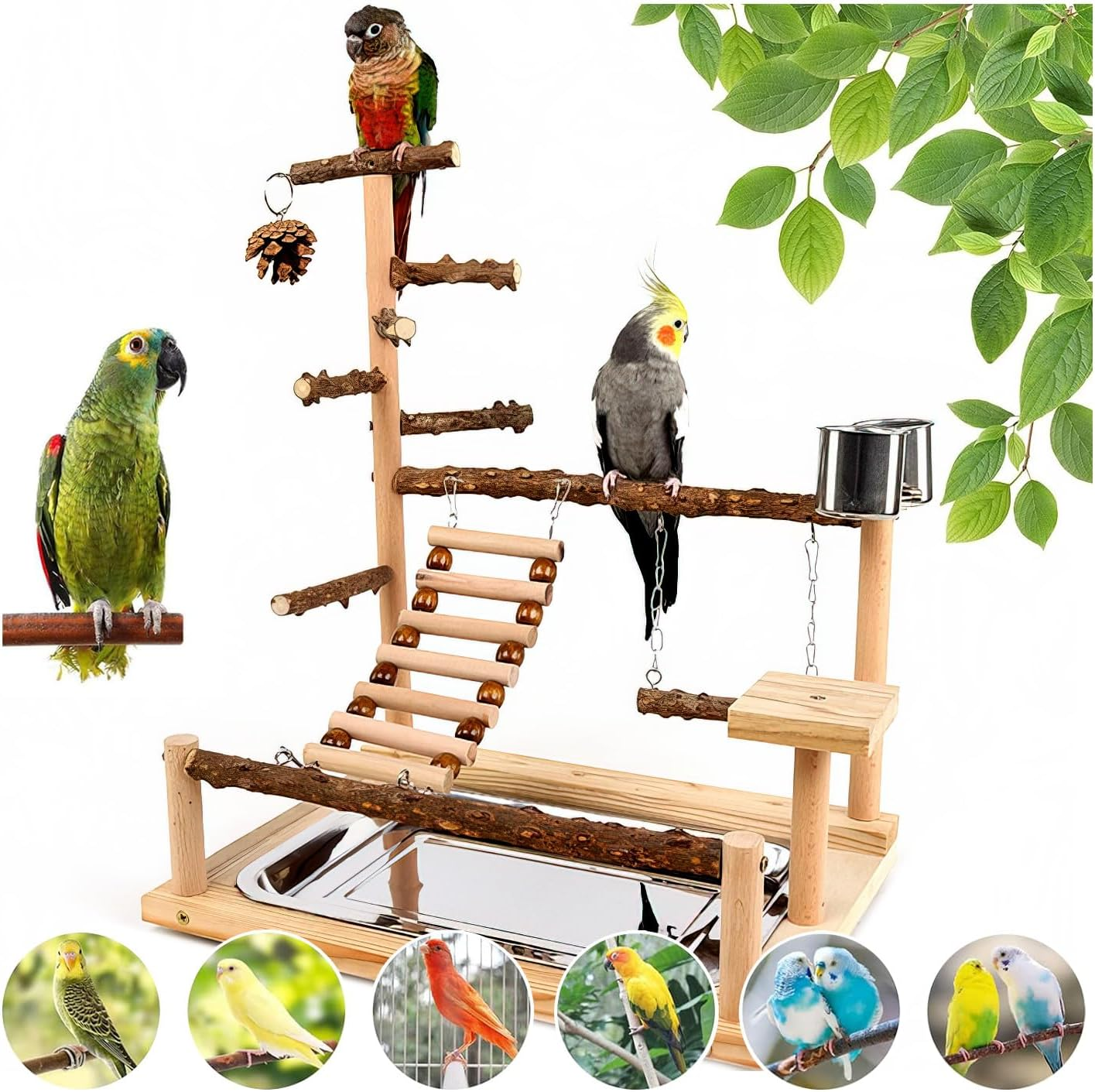
Credit: www.ebay.com
Seasonal Considerations
Birds need safe places to rest all year. Their perch spots should fit the season.
Maintaining seasonal adjustments helps ensure a comfortable place for a bird perch in garden throughout the year.
Making seasonal adjustments will ensure a comfortable place for a bird to perch throughout the year.
Each season brings different needs for birds. Understanding these helps provide good perch places.
Spring And Nesting Season
Spring is when birds build nests and lay eggs. They need quiet, safe spots to stay.
Good perches are near food and away from predators. Trees with thick leaves work well.
- Choose high branches for safety
- Pick places with fresh leaves for cover
- Keep areas free from loud noises
Summer Shade Spots
Birds need shade to stay cool in summer heat. Sun can make them tired and thirsty.
Look for trees with wide leaves or bushes that block direct sun. Water nearby is a plus.
- Dense foliage provides good shade
- Perches near water help birds stay hydrated
- Avoid open areas with no cover
Winter Shelter Options
Winter is cold and harsh. Birds need places that block wind and keep warmth.
In winter, ensuring that there are sheltered spots can provide a safe place for a bird to perch and stay warm.
In winter, ensuring that there are sheltered spots can provide a safe place for a bird perch in garden where they can stay warm.
Evergreen trees and dense shrubs offer good shelter. Birdhouses can add extra protection.
- Use evergreens for wind protection
- Dense bushes keep out snow and cold
- Install birdhouses for extra warmth
Tips To Keep Birds Coming Back
Birds enjoy safe and clean places to rest. You can help them by making your bird perches inviting.
You can help by crafting an inviting bird perch in garden that encourages birds to return.
Creating a clean area will make it easier for birds to find a suitable place for a bird to perch and return often.
Simple care and attention will keep birds returning to your yard or garden.
Maintaining Clean Perches
Keep perches clean to protect birds from germs and parasites. Dirty perches can make birds sick.
Use a brush and mild soap to scrub the perches regularly. Rinse well and let them dry completely.
- Clean perches once a week during busy seasons
- Remove old feathers and droppings daily
- Use non-toxic cleaners safe for wildlife
Providing Fresh Food And Water
Offer fresh food and clean water to attract birds. Stale food or dirty water will keep them away.
Always ensure that food and water sources are easily accessible to provide a reliable place for a bird to perch.
Make sure food and water sources are easily accessible to provide a reliable bird perch in garden for them.
Change water daily and refill food dishes often. Use a variety of seeds and fruits for different birds.
- Refill water every day, especially in hot weather
- Keep food dishes clean and dry
- Offer seeds, nuts, and fresh fruit
Avoiding Predators
Setting up your yard with a focus on safety will help create a peaceful place for a bird to perch.
Creating a peaceful bird perch in garden will help birds feel safe and secure from predators nearby.
Keep birds safe by placing perches away from predators. Cats and hawks can scare birds off.
Use tall poles or hang perches in protected spots. Adding cover like bushes can help birds hide.
-
- Place perches at least 5 feet above ground
- Keep perches away from places cats can reach
Adding layers of coverage around the area will enhance a secure place for a bird to perch and thrive.
- Add shrubs or trees nearby for bird cover

Credit: www.ebay.com
Frequently Asked Questions
What Makes A Good Place For A Bird To Perch?
A good perch offers safety, comfort, and a clear view. It should be sturdy, elevated, and free from predators. Natural branches or designed bird perches provide ideal spots for resting and observing surroundings.
Why Do Birds Need Specific Perching Spots?
Birds use perches to rest, hunt, and communicate. Specific spots help them stay safe and conserve energy. Perching also aids in grooming and social interaction within their habitat.
How Can I Create A Safe Bird Perch At Home?
Choose natural wood branches or smooth poles for perches. Place them away from predators and harsh weather. Ensure perches are stable, clean, and sized appropriately for local bird species.
Ensure perches are stable, clean, and sized appropriately to create the ideal bird perch in garden.
What Materials Are Best For Bird Perches?
Natural wood is preferred for comfort and grip. Avoid plastic or metal as they can harm birds’ feet. Soft, untreated wood mimics natural environments and prevents foot injuries.
Conclusion
Birds enrich our lives with their beauty and songs. Creating safe spaces for them is essential. A place for a bird to perch provides rest and safety. It invites birds to your garden. Watch them up close. Feel the joy they bring. Use natural materials for your perches.
A place for a bird perch in garden can invite birds to feel safe and secure, enhancing your outdoor experience.
Avoid harmful chemicals. Place them where birds feel secure. Offer fresh water nearby. Attract a variety of birds. Enjoy observing their unique behaviors. This simple effort supports wildlife. It enhances your outdoor experience too. Create a welcoming haven for birds.
They will return the favor with their presence. A mutual benefit for nature and you.
A place for a bird perch in garden can become a mutual benefit for nature and you.
They will return the favor with their presence. A mutual benefit for nature and you. A Place for a Bird to Perch.
Ultimately, ensure there’s a perfect bird perch in garden to attract an array of birds.