If you love watching birds nest and raise their young in your garden, protecting their homes is a must. Predators like raccoons, snakes, and cats can easily destroy bird houses and harm the birds inside.
But don’t worry—you can take simple steps to keep your bird houses safe. You’ll discover effective and easy ways to guard your feathered friends’ homes from danger. Keep reading to learn how to make your bird houses a safe haven that attracts more birds and gives you endless joy.
Common Birdhouse Predators
Birdhouses provide safe places for birds to nest. Predators can threaten these homes. Knowing common predators helps protect birdhouses.
Many animals try to get inside birdhouses for food or shelter. Recognizing these predators is the first step to keeping birds safe.
Types Of Threats
Predators come in many forms. Some climb, some fly, and others dig. Each type uses different ways to reach birdhouses.
- Snakes slip into nests to eat eggs or chicks.
- Squirrels gnaw on wood and steal eggs.
- Raccoons use their hands to open birdhouses.
- Cats climb trees to catch birds.
- Crows and jays break into nests for eggs.
Understanding these threats helps in choosing the right protection methods for birdhouses.
Predator Behavior Patterns
Predators watch birdhouses at certain times. Many hunt when birds are away. They use stealth and speed to reach nests.
Some predators climb tree trunks or poles. Others fly directly to the birdhouse entrance. They often return to the same spots.
- Snakes move quietly and slowly to avoid detection.
- Raccoons are active at night and use their paws to open nests.
- Squirrels are quick climbers and chew on wood.
- Cats stalk quietly and pounce on birds.
- Corvids use their beaks to tear open nests.
Credit: www.etsy.com
Choosing Safe Locations
Protecting bird houses from predators starts with picking the right spot. Safe locations keep birds and their eggs secure.
Consider the environment around the bird house. This helps reduce risks from animals like raccoons and snakes.
Ideal Placement Tips
Place bird houses where predators find it hard to reach. Height and clear surroundings matter a lot for safety.
- Mount houses at least 5 feet above the ground
- Keep the area around the house clear of branches and vines
- Use a metal pole or post instead of a tree trunk
- Attach baffles to poles to stop climbing predators
- Face the house entrance away from prevailing winds
Avoiding Predator Hotspots
Some places attract predators more than others. Avoid these spots to keep bird houses safer.
| Predator Hotspot | Reason to Avoid | Alternative Location |
| Near dense shrubs | Hides predators like cats and snakes | Open areas with short grass |
| Close to bird feeders | Draws predators searching for food | Separate area away from feeders |
| Low branches or fences | Easy access for climbing predators | High poles with baffles |
Design Features For Safety
Protecting bird houses from predators keeps birds safe and encourages nesting. Careful design helps stop animals like raccoons and snakes from entering.
Simple changes to the bird house can make a big difference in safety. Focus on entrance size, materials, and added guards.
Entrance Hole Size
The entrance hole size controls which birds can enter and keeps larger predators out. Use the right size for the bird species you want to attract.
- Smaller holes block bigger predators
- Check bird species’ recommended hole size
- Keep hole smooth to avoid injury
- Place hole high enough to reduce ground predator access
Sturdy Materials
Strong materials make the bird house harder to break or chew through. Wood is best, but thick wood is better than thin.
| Material | Protection Level | Notes |
|---|---|---|
| Thick Cedar Wood | High | Durable and weather resistant |
| Plywood (1/2 inch or thicker) | Medium | Affordable but less strong |
| Plastic | Low | Easily chewed by rodents |
| Metal | Very High | Strong but may overheat inside |
Predator Guards
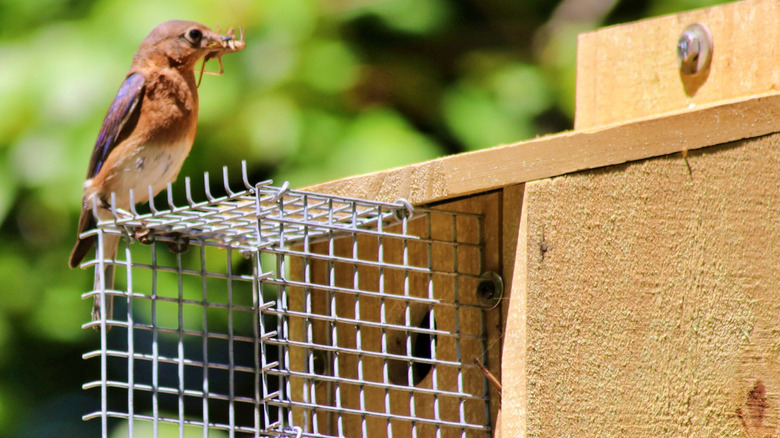
Adding guards stops animals from reaching the entrance. Use metal or plastic guards to block claws and teeth.
- Install a metal baffle below the bird house pole
- Attach a metal plate around the entrance hole
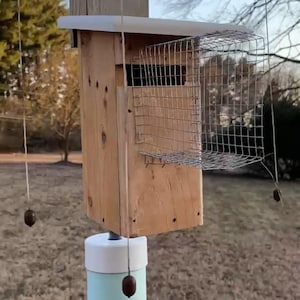
- Use a cage or wire mesh around the house, leaving space for birds
- Keep guards clean and check for damage regularly
Credit: www.outdoorguide.com
Installing Protective Barriers
Protecting bird houses from predators keeps birds safe. Installing barriers stops animals like raccoons and snakes. These barriers make it hard for predators to reach the nests.
There are several ways to add protective barriers. Using baffles, metal plates, and tree trunk protection can help. Each method works well in different situations.
Baffles And Shields
Baffles are devices that block predators from climbing up to the bird house. They are usually round or cone-shaped. Shields can be flat or curved and attach to poles or trees.
- Attach a cone-shaped baffle below the bird house.
- Use metal or plastic shields around the mounting pole.
- Place the baffle high enough to prevent climbing.
- Ensure the barrier is wide so predators cannot bypass it.
- Check regularly for damage or gaps.
Using Metal Plates
Metal plates add a tough layer around the bird house mount. Predators find it hard to chew or scratch through metal. Plates also protect wood from damage.
| Type of Metal | Benefits | Installation Tips |
| Aluminum | Lightweight and rust-resistant | Use screws or nails to fix plates |
| Steel | Very strong and durable | Check for sharp edges before mounting |
| Galvanized Metal | Rust-proof and sturdy | Overlap edges to cover all surfaces |
Tree Trunk Protection
Protect tree trunks where bird houses are attached. Predators often climb the tree to reach nests. Adding barriers on the trunk stops them.
Effective trunk protection options include:
- Wrap the trunk with metal flashing 3 to 4 feet high.
- Use sticky or slippery bands to prevent climbing.
- Install plastic or metal collars around the trunk.
- Check and maintain barriers often to keep them secure.
Regular Maintenance Checks
Regular maintenance helps keep bird houses safe from predators. Checking often stops problems early.
Look for damage and clean the bird house to protect birds. Fix any issues quickly.
Inspecting For Damage
Check the bird house for cracks, holes, or loose parts. These can let predators in.
Look at the roof, walls, and entrance hole. Make sure everything is secure and strong.
- Look for chew marks or claw scratches
- Check for broken or missing parts
- Make sure the entrance hole is the right size
- Look for signs of nests taken over by predators
Cleaning And Repairs
Clean the bird house after each nesting season. Remove old nests and debris.
Use mild soap and water to wash inside. Rinse well and dry before reuse.
- Fix cracks with wood filler or replace parts
- Tighten loose screws and nails
- Replace damaged roof or walls
- Paint or seal wood to protect from weather
Supplemental Deterrents
Protecting bird houses from predators requires extra tools. Supplemental deterrents help keep unwanted animals away. These devices and methods work alongside physical barriers.
Two common supplemental deterrents are motion-activated devices and natural repellents. Each offers unique benefits to secure bird homes safely.
Motion-activated Devices
Motion-activated devices scare predators by reacting to their movement. Bright lights, alarms, or sprinklers turn on when animals come near. This sudden action can frighten predators away.
- Lights: Bright flashes startle night hunters like raccoons.
- Alarms: Loud sounds deter animals from approaching.
- Sprinklers: Water sprays surprise and discourage visits.
Natural Repellents
Natural repellents use smells or tastes predators dislike. These substances make bird houses less appealing. They are safe for birds and the environment.
| Repellent | Effect | How to Use |
| Garlic Spray | Strong odor repels many animals | Spray around the bird house base |
| Chili Pepper | Spicy taste deters chewing | Mix with water and spray on posts |
| Vinegar | Acidic smell keeps pests away | Soak cloth and hang near bird house |
Encouraging Safe Habitat
Protecting bird houses from predators starts with creating a safe habitat. Birds need a secure place to live and raise their young.
Planting native plants and offering food and water helps birds stay healthy and avoid danger.
Planting Native Vegetation
Native plants provide natural shelter and food for birds. They attract insects and offer cover from predators.
- Choose shrubs and trees that grow well in your area.
- Plant dense bushes near bird houses for hiding spots.
- Include flowering plants to attract insects for bird food.
- Avoid non-native plants that don’t support local wildlife.
Providing Food And Water Sources
Birds need clean water and food to stay strong. Place feeders and water sources near bird houses but away from predators.
| Food Type | Best For | Placement Tips |
| Sunflower seeds | Small birds | Use hanging feeders |
| Suet cakes | Woodpeckers | Place on high poles |
| Fresh water | All birds | Keep water shallow and clean |

Credit: jcswildlife.com
Frequently Asked Questions
How Can I Keep Predators Away From Bird Houses?
To keep predators away, use predator guards like metal baffles on poles. Place houses high off the ground. Avoid nearby branches for easy predator access. Regularly check and maintain birdhouses to ensure safety.
What Materials Are Best For Predator-proof Bird Houses?
Metal or heavy-duty plastic predator guards protect bird houses best. Use durable, weather-resistant materials to withstand attacks. Avoid easily chewed or broken materials. Proper construction ensures long-term protection.
Where Should I Place Bird Houses For Safety?
Place bird houses at least 6 feet high on metal or wooden poles. Avoid trees or structures predators can climb. Position entrances away from direct predator paths. This reduces risk and improves bird safety.
How Do Predator Guards Protect Bird Houses?
Predator guards block climbing predators like raccoons and snakes. They prevent access to the bird house entrance and nesting area. Guards can be metal baffles or cone-shaped barriers. They are easy to install and effective.
Conclusion
Protecting bird houses from predators is crucial for bird safety. Simple steps can make a big difference. Secure the bird house firmly. Use predator guards like baffles or metal plates. Keep bird houses away from trees and fences. Trim branches that predators might use.
Choose locations wisely. Regular checks ensure everything stays safe. Birds need our help to thrive. By following these tips, you create a safer environment. Your efforts support bird populations. Every small action counts in keeping birds safe and happy. Enjoy the joy of watching birds flourish in a secure space.