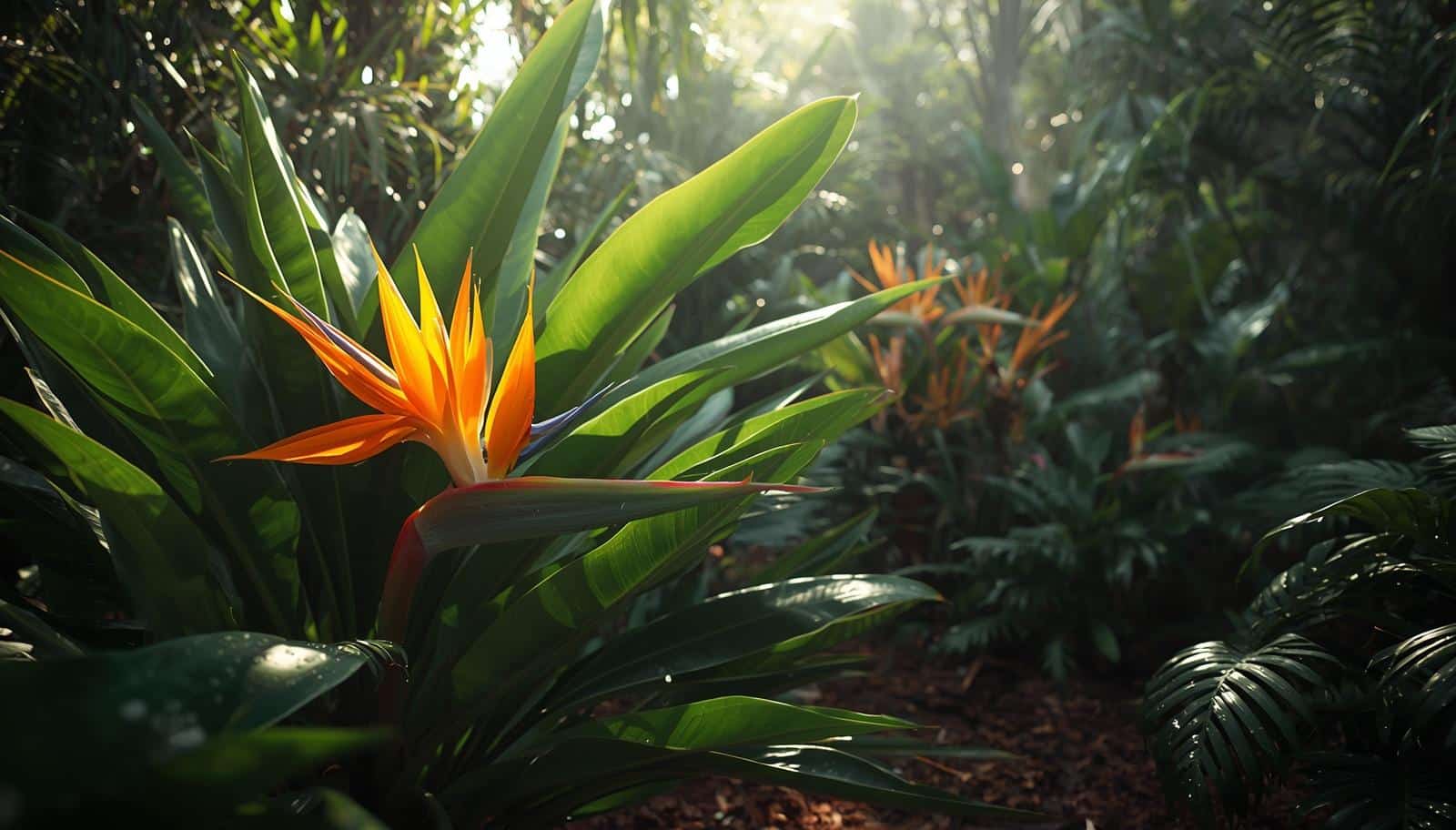
Did you know that a healthy plant can take up to five years of growth before you see any Flowers on Bird of Paradise?
You are likely here because you have a lush, green plant that refuses to bloom. It is frustrating to provide care and see only leaves. If your bird of paradise not blooming, you’re not alone—many gardeners face the same challenge.
In this guide, I promise to reveal the environmental triggers that force this tropical beauty to flower. We will cover the exact sunlight needs, feeding schedules, and pruning habits for clear and helpful plant care advice. By following these tips, you’ll learn how to make bird of paradise bloom effectively.
Choosing The Right Bird Of Paradise
Bird of Paradise plants are known for their bright, tropical flowers. Picking the right type helps you get more blooms. Some varieties flower better than others.
Choosing a healthy plant also increases your chances of seeing flowers. Look for signs of good health before buying.
Selecting Bloom-prone Varieties
Not all Bird of Paradise plants bloom easily. Some types are more likely to produce flowers. Choose these if you want more blooms.
Strelitzia reginae is the most common flowering type.
Strelitzia nicolai grows tall but flowers less often.
Look for plants labeled “flowering variety.”
Young plants may take years to bloom. Understanding bird of paradise care for flowers starts with choosing a mature, healthy plant.
Healthy Plant Characteristics
Healthy plants bloom better than weak ones. Check leaves and stems before buying.
Leaves should be green and firm without spots.
Stems must be strong and upright.
Avoid plants with yellow or brown leaves.
Roots should not be dry or mushy.
Healthy plants grow faster and flower sooner. Choose plants with good vigor for best results.
Ideal Growing Conditions
The Bird of Paradise plant needs the right environment to bloom well. Proper care of sunlight, temperature, humidity, and soil helps the flowers grow strong and bright.
But that’s not all.
Understanding these growing conditions lets you create the best space for your plant to thrive. Following these bird of paradise flowering tips will ensure your plant has the energy to produce its unique flowers.
Sunlight Requirements
Bird of Paradise plants need lots of sunlight to flower. They prefer full sun but can tolerate some shade. Too little light can stop blooming.
Place the plant in a spot that gets at least 6 hours of direct sunlight daily.
Morning sun is better than harsh afternoon sun.
Indoor plants should be near a bright window with filtered light.
Temperature And Humidity
Warm temperatures help Bird of Paradise grow well. They do best between 65°F and 70°F during the day. Night temperatures should not drop below 50°F.
| Condition | Ideal Range |
| Day Temperature | 65°F – 70°F (18°C – 21°C) |
| Night Temperature | Not below 50°F (10°C) |
| Humidity | Moderate to High (50% – 70%) |
Keep humidity moderate by misting leaves. Avoid cold drafts and sudden temperature changes.
Soil Type And Drainage
Bird of Paradise needs soil that drains well but holds some moisture. Good drainage prevents root rot and keeps roots healthy.
In simple terms, effective bird of paradise care for flowers requires a rich, loamy soil mixed with sand or perlite.
The soil pH should be slightly acidic to neutral, around 6.0 to 7.5.
Make sure pots have drainage holes to avoid water buildup.
Watering And Fertilizing
Bird of Paradise plants need the right care to bloom well. Water and fertilizer are key factors to help flowers grow.
Giving the plant proper water and nutrients helps it stay healthy and produce bright flowers.
Proper Watering Schedule
Water Bird of Paradise regularly but avoid overwatering. The soil should stay moist but not soggy.
Now here’s the real deal: water deeply to reach the roots. Let the top inch of soil dry before watering again.
In spring and summer, water once or twice a week.
Reduce watering in fall and winter.
Use well-draining soil to prevent root rot.
Best Fertilizers For Blooming
Choose fertilizers that support flower growth. Balanced or bloom-boosting fertilizers work best.
If you want to learn how to make bird of paradise bloom, apply fertilizer during the growing season to encourage results.
Use a balanced fertilizer with equal N-P-K ratios.
Or select a fertilizer higher in phosphorus for more blooms.
Feed every 4 to 6 weeks from spring to early fall.
Expert Insight – Plant Nutrition Authority: “Plants respond best to nutrients that mimic their natural growth cycles. For Bird of Paradise, phosphorus-rich fertilizers promote bud development, while balanced feeds maintain foliage health. Applying nutrients consistently ensures flowers develop on schedule,” says Dr. Lillian Ortega, tropical horticulture specialist.
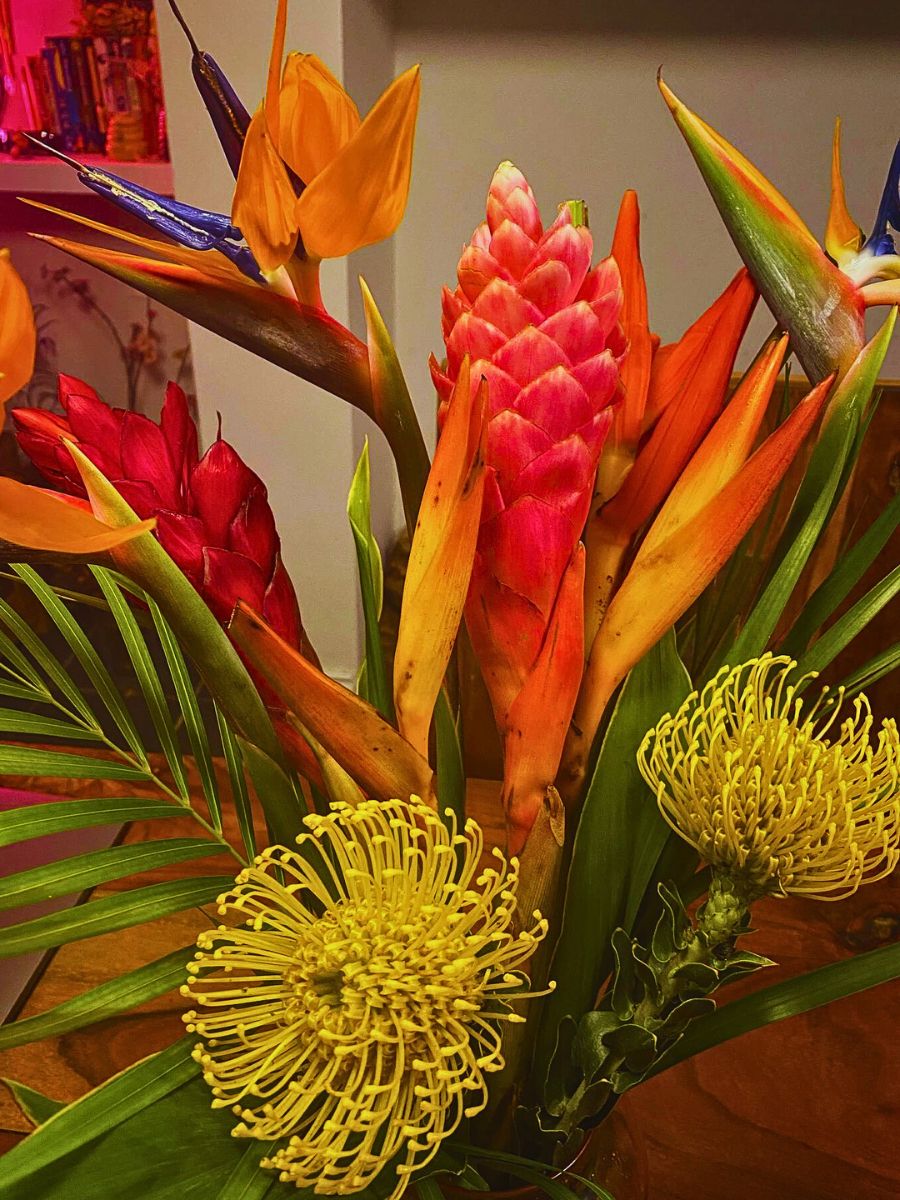
Credit: thursd.com
Pruning And Maintenance
Bird of Paradise plants need regular care to bloom well. Pruning and maintenance help keep the plant healthy. Proper trimming encourages more flowers.
Removing old and damaged parts lets the plant focus energy on new growth. This keeps the plant clean and healthy.
When And How To Prune
Prune Bird of Paradise in late winter or early spring. Use clean, sharp scissors or pruning shears.
But wait, there’s more. Cut stems at the base to remove old flowers and damaged parts.
Identify stems that are dry or weak.
Cut these stems close to the soil line.
Remove any crossing or crowded stems.
Trim back leaves that block sunlight from the center.
Removing Dead Leaves
Dead leaves attract pests and disease. Remove them as soon as you notice.
| Signs of Dead Leaves | Actions to Take |
| Browning or yellowing leaves | Cut off with scissors |
| Leaves with spots or mold | Remove immediately |
| Leaves that fall off easily | Clear from soil surface |
Dealing With Common Issues
Bird of Paradise plants need care to bloom well. Sometimes, problems stop flowers from growing. Common issues include pests, diseases, and stress.
If you find your bird of paradise not blooming, you must fix these underlying issues to help your plant flower better.
Pests And Diseases
Pests like spider mites and scale bugs damage leaves. They suck sap and weaken the plant. Diseases such as root rot also harm the plant.
Check leaves and stems for bugs regularly.
Use insecticidal soap to remove pests.
Keep soil well-drained to avoid root rot.
Remove and discard infected leaves immediately.
Stress Factors Affecting Blooms
Stress can stop a Bird of Paradise from blooming. Stress comes from poor light, wrong watering, and bad temperature.
Too little sun or too much shade lowers flower growth. Overwatering or underwatering also causes stress.
Place plant where it gets bright, indirect sunlight.
Water only when top inch of soil is dry.
Keep temperature between 65°F and 70°F.
Avoid sudden temperature changes or drafts.
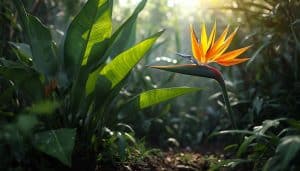
Credit: sanjaynursery.com
Encouraging Flower Production
Bird of Paradise plants are famous for their unique flowers. Growing flowers can be tricky without the right care.
According to professional nurseries, good flower production depends on proper light, water, and feeding. Let’s look at specific tips for success.
Tips For Stimulating Blooms
To get more flowers, make sure your Bird of Paradise gets enough sunlight. The plant needs at least six hours of bright light each day.
Place the plant near a sunny window or outdoors.
Water only when the top two inches of soil feel dry.
Use well-draining soil to prevent root rot.
Repot the plant if roots become crowded.
Using Growth Enhancers
Growth enhancers can boost flower production. Use fertilizers with higher phosphorus levels.
| Type of Fertilizer | Application Frequency | Best Season |
| Phosphorus-rich | Every 2 weeks | Spring and Summer |
| Balanced fertilizer | Monthly | Early Spring |
| Organic compost | Once per season | Spring |
Transplanting And Repotting
Bird of Paradise plants need the right care to bloom well. Transplanting and repotting help the plant grow strong roots.
Best Time To Repot
The best time to repot Bird of Paradise is in spring. This is when the plant starts to grow actively.
Check if roots grow out of drainage holes.
Repot every 2 to 3 years.
Choose a pot one size bigger than the current one.
Techniques To Minimize Stress
Transplanting can stress the plant. Use gentle techniques to keep it healthy. Keep the roots moist and avoid damage during repotting.
Water the plant a day before repotting.
Handle roots carefully to avoid breaking them.
Use fresh, well-draining soil.
Place the plant in indirect light after repotting.
Frequently Asked Questions
How Long Does It Take Bird Of Paradise To Bloom?
Bird of Paradise typically blooms after 3 to 5 years of growth. Proper care speeds this process.
What Sunlight Is Best For Bird Of Paradise Flowers?
Bird of Paradise thrives in full sun. At least 4-6 hours of direct sunlight daily promotes vibrant blooms.
How Often Should I Water Bird Of Paradise Plants?
Water Bird of Paradise deeply once a week during growing seasons. Reduce watering in winter. Consistent moisture without waterlogging encourages flower development.
What Soil Type Helps Bird Of Paradise Flower Better?
Well-draining, rich soil with organic matter supports flowering. Slightly acidic to neutral pH (6. 0-7. 5) is ideal. Good drainage prevents root rot and promotes blooms.
Conclusion
Growing a Bird of Paradise requires patience and care. Ensure your plant receives enough sunlight daily, water consistently, and follow proper pruning and fertilization techniques. With time and attention, you’ll discover how to make bird of paradise bloom beautifully.
Try applying these tips today and comment your results below!
Did you know that a healthy plant can take up to five years of growth before you see any Flowers on Bird of Paradise?
You are likely here because you have a lush, green plant that refuses to bloom. It is frustrating to provide care and see only leaves. If your bird of paradise not blooming, you’re not alone—many gardeners face the same challenge.
In this guide, I promise to reveal the environmental triggers that force this tropical beauty to flower. We will cover the exact sunlight needs, feeding schedules, and pruning habits for clear and helpful plant care advice. By following these tips, you’ll learn how to make bird of paradise bloom effectively.
Choosing The Right Bird Of Paradise
Bird of Paradise plants are known for their bright, tropical flowers. Picking the right type helps you get more blooms. Some varieties flower better than others.
Choosing a healthy plant also increases your chances of seeing flowers. Look for signs of good health before buying.
Selecting Bloom-prone Varieties
Not all Bird of Paradise plants bloom easily. Some types are more likely to produce flowers. Choose these if you want more blooms.
Strelitzia reginae is the most common flowering type.
Strelitzia nicolai grows tall but flowers less often.
Look for plants labeled “flowering variety.”
Young plants may take years to bloom. Understanding bird of paradise care for flowers starts with choosing a mature, healthy plant.
Healthy Plant Characteristics
Healthy plants bloom better than weak ones. Check leaves and stems before buying.
Leaves should be green and firm without spots.
Stems must be strong and upright.
Avoid plants with yellow or brown leaves.
Roots should not be dry or mushy.
Healthy plants grow faster and flower sooner. Choose plants with good vigor for best results.
Ideal Growing Conditions
The Bird of Paradise plant needs the right environment to bloom well. Proper care of sunlight, temperature, humidity, and soil helps the flowers grow strong and bright.
But that’s not all.
Understanding these growing conditions lets you create the best space for your plant to thrive. Following these bird of paradise flowering tips will ensure your plant has the energy to produce its unique flowers.
Sunlight Requirements
Bird of Paradise plants need lots of sunlight to flower. They prefer full sun but can tolerate some shade. Too little light can stop blooming.
Place the plant in a spot that gets at least 6 hours of direct sunlight daily.
Morning sun is better than harsh afternoon sun.
Indoor plants should be near a bright window with filtered light.
Temperature And Humidity
Warm temperatures help Bird of Paradise grow well. They do best between 65°F and 70°F during the day. Night temperatures should not drop below 50°F.
| Condition | Ideal Range |
| Day Temperature | 65°F – 70°F (18°C – 21°C) |
| Night Temperature | Not below 50°F (10°C) |
| Humidity | Moderate to High (50% – 70%) |
Keep humidity moderate by misting leaves. Avoid cold drafts and sudden temperature changes.
Soil Type And Drainage
Bird of Paradise needs soil that drains well but holds some moisture. Good drainage prevents root rot and keeps roots healthy.
In simple terms, effective bird of paradise care for flowers requires a rich, loamy soil mixed with sand or perlite.
The soil pH should be slightly acidic to neutral, around 6.0 to 7.5.
Make sure pots have drainage holes to avoid water buildup.
Watering And Fertilizing
Bird of Paradise plants need the right care to bloom well. Water and fertilizer are key factors to help flowers grow.
Giving the plant proper water and nutrients helps it stay healthy and produce bright flowers.
Proper Watering Schedule
Water Bird of Paradise regularly but avoid overwatering. The soil should stay moist but not soggy.
Now here’s the real deal: water deeply to reach the roots. Let the top inch of soil dry before watering again.
In spring and summer, water once or twice a week.
Reduce watering in fall and winter.
Use well-draining soil to prevent root rot.
Best Fertilizers For Blooming
Choose fertilizers that support flower growth. Balanced or bloom-boosting fertilizers work best.
If you want to learn how to make bird of paradise bloom, apply fertilizer during the growing season to encourage results.
Use a balanced fertilizer with equal N-P-K ratios.
Or select a fertilizer higher in phosphorus for more blooms.
Feed every 4 to 6 weeks from spring to early fall.
Expert Insight – Plant Nutrition Authority: “Plants respond best to nutrients that mimic their natural growth cycles. For Bird of Paradise, phosphorus-rich fertilizers promote bud development, while balanced feeds maintain foliage health. Applying nutrients consistently ensures flowers develop on schedule,” says Dr. Lillian Ortega, tropical horticulture specialist.
Credit: thursd.com
Pruning And Maintenance
Bird of Paradise plants need regular care to bloom well. Pruning and maintenance help keep the plant healthy. Proper trimming encourages more flowers.
Removing old and damaged parts lets the plant focus energy on new growth. This keeps the plant clean and healthy.
When And How To Prune
Prune Bird of Paradise in late winter or early spring. Use clean, sharp scissors or pruning shears.
But wait, there’s more. Cut stems at the base to remove old flowers and damaged parts.
Identify stems that are dry or weak.
Cut these stems close to the soil line.
Remove any crossing or crowded stems.
Trim back leaves that block sunlight from the center.
Removing Dead Leaves
Dead leaves attract pests and disease. Remove them as soon as you notice.
| Signs of Dead Leaves | Actions to Take |
| Browning or yellowing leaves | Cut off with scissors |
| Leaves with spots or mold | Remove immediately |
| Leaves that fall off easily | Clear from soil surface |
Dealing With Common Issues
Bird of Paradise plants need care to bloom well. Sometimes, problems stop flowers from growing. Common issues include pests, diseases, and stress.
If you find your bird of paradise not blooming, you must fix these underlying issues to help your plant flower better.
Pests And Diseases
Pests like spider mites and scale bugs damage leaves. They suck sap and weaken the plant. Diseases such as root rot also harm the plant.
Check leaves and stems for bugs regularly.
Use insecticidal soap to remove pests.
Keep soil well-drained to avoid root rot.
Remove and discard infected leaves immediately.
Stress Factors Affecting Blooms
Stress can stop a Bird of Paradise from blooming. Stress comes from poor light, wrong watering, and bad temperature.
Too little sun or too much shade lowers flower growth. Overwatering or underwatering also causes stress.
Place plant where it gets bright, indirect sunlight.
Water only when top inch of soil is dry.
Keep temperature between 65°F and 70°F.
Avoid sudden temperature changes or drafts.
Credit: sanjaynursery.com
Encouraging Flower Production
Bird of Paradise plants are famous for their unique flowers. Growing flowers can be tricky without the right care.
According to professional nurseries, good flower production depends on proper light, water, and feeding. Let’s look at specific tips for success.
Tips For Stimulating Blooms
To get more flowers, make sure your Bird of Paradise gets enough sunlight. The plant needs at least six hours of bright light each day.
Place the plant near a sunny window or outdoors.
Water only when the top two inches of soil feel dry.
Use well-draining soil to prevent root rot.
Repot the plant if roots become crowded.
Using Growth Enhancers
Growth enhancers can boost flower production. Use fertilizers with higher phosphorus levels.
| Type of Fertilizer | Application Frequency | Best Season |
| Phosphorus-rich | Every 2 weeks | Spring and Summer |
| Balanced fertilizer | Monthly | Early Spring |
| Organic compost | Once per season | Spring |
Transplanting And Repotting
Bird of Paradise plants need the right care to bloom well. Transplanting and repotting help the plant grow strong roots.
Best Time To Repot
The best time to repot Bird of Paradise is in spring. This is when the plant starts to grow actively.
Check if roots grow out of drainage holes.
Repot every 2 to 3 years.
Choose a pot one size bigger than the current one.
Techniques To Minimize Stress
Transplanting can stress the plant. Use gentle techniques to keep it healthy. Keep the roots moist and avoid damage during repotting.
Water the plant a day before repotting.
Handle roots carefully to avoid breaking them.
Use fresh, well-draining soil.
Place the plant in indirect light after repotting.
Frequently Asked Questions
How Long Does It Take Bird Of Paradise To Bloom?
Bird of Paradise typically blooms after 3 to 5 years of growth. Proper care speeds this process.
What Sunlight Is Best For Bird Of Paradise Flowers?
Bird of Paradise thrives in full sun. At least 4-6 hours of direct sunlight daily promotes vibrant blooms.
How Often Should I Water Bird Of Paradise Plants?
Water Bird of Paradise deeply once a week during growing seasons. Reduce watering in winter. Consistent moisture without waterlogging encourages flower development.
What Soil Type Helps Bird Of Paradise Flower Better?
Well-draining, rich soil with organic matter supports flowering. Slightly acidic to neutral pH (6. 0-7. 5) is ideal. Good drainage prevents root rot and promotes blooms.
Conclusion
Growing a Bird of Paradise requires patience and care. Ensure your plant receives enough sunlight daily, water consistently, and follow proper pruning and fertilization techniques. With time and attention, you’ll discover how to make bird of paradise bloom beautifully.
Try applying these tips today and comment your results below!