
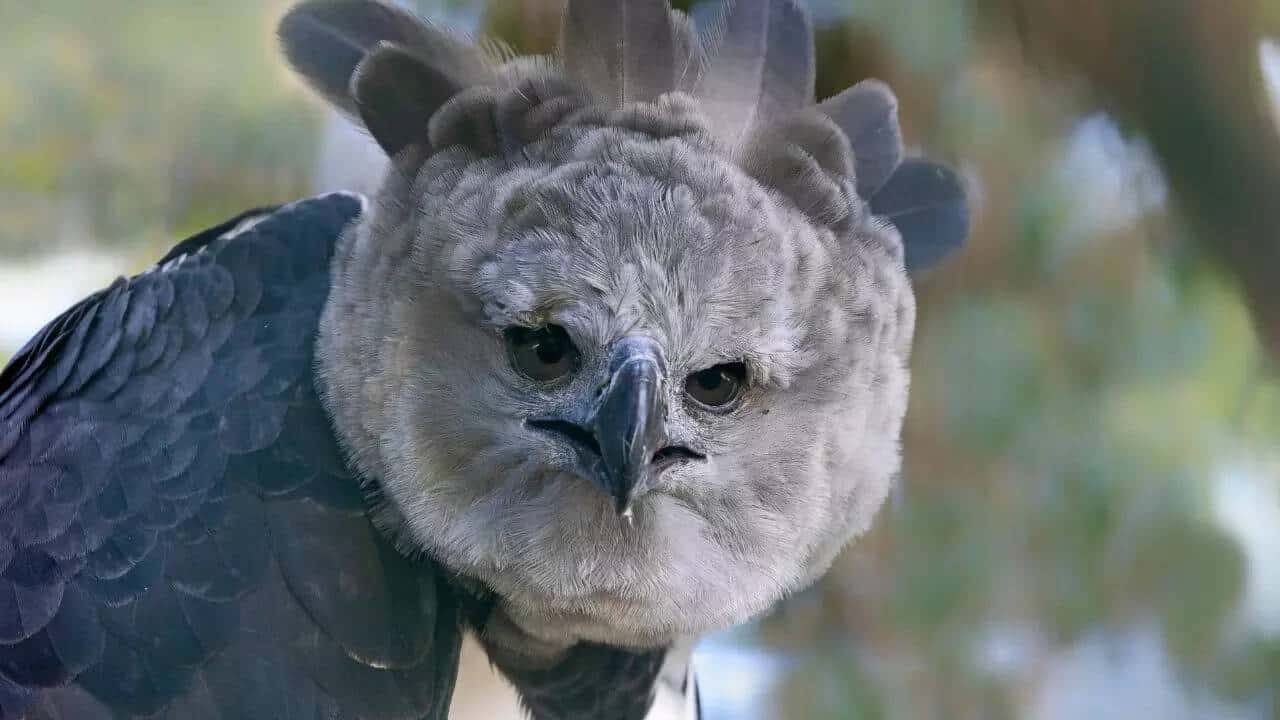
What Bird Is an Apex Predator? Exploring Nature’s Fiercest Hunters
Have you ever wondered which bird sits at the very top of the food chain? Imagine a creature so powerful and skilled that it dominates the skies, with no natural enemies to challenge it.
This bird is not just a hunter—it’s an apex predator, ruling its environment with precision and strength. If you want to discover which bird holds this incredible title and what makes it so unstoppable, keep reading. Your curiosity is about to take flight into the world of nature’s fiercest aerial hunter.
Apex Predators In The Bird World
Apex predators are animals at the top of the food chain. Birds also have such hunters.
They control other species and keep nature balanced. Let’s explore what makes them special.
Traits Of Top Avian Hunters
Bird apex predators share traits that help them catch prey and survive.
- Sharp talons to grab and hold prey tightly
- Strong beaks for tearing flesh
- Keen eyesight to spot prey from far away
- Powerful wings for fast and silent flight
- Stealth and patience during hunting
Role In Ecosystems
Bird apex predators keep animal populations in check. This stops overpopulation.
| Benefit | Explanation |
| Population Control | They hunt weaker animals to keep numbers balanced. |
| Healthy Ecosystem | Removing sick prey reduces disease spread. |
| Food Web Stability | Their presence supports many other species. |
Eagles: Kings Of The Sky
Eagles are powerful birds known for being top hunters. They live high in the sky and watch for prey below.
These birds are apex predators. They catch fish, small mammals, and even other birds with skill and strength.
Bald Eagle’s Hunting Techniques
The Bald Eagle hunts mainly near water. It spots fish swimming close to the surface and swoops down fast.
This eagle uses sharp talons to grab fish. It can carry prey that weighs almost as much as itself.
- Flies high to spot fish below
- Dives quickly to catch prey
- Uses strong talons to hold fish
- Can snatch animals from water or land
Golden Eagle’s Power And Precision
The Golden Eagle is a fierce hunter on mountains and open lands. It can attack animals larger than itself.
This eagle uses sharp eyesight to find prey far away. It dives with great speed and strikes with strong claws.
- Hunts rabbits, foxes, and young deer
- Flies very high to scan wide areas
- Strikes with powerful claws
- Uses speed and skill to capture prey
Falcons: Speed And Agility
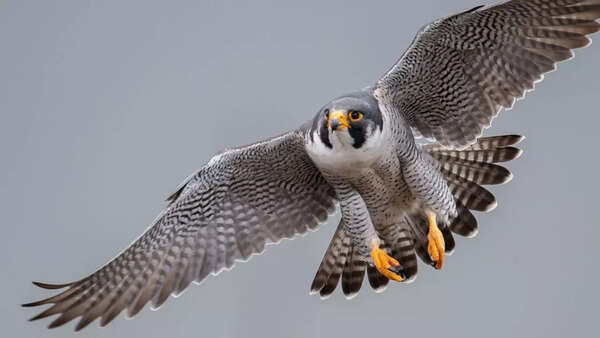
Falcons are birds known for their incredible speed and sharp flying skills. They are apex predators in the sky. Their quick moves help them catch prey easily.
These birds use speed and agility to hunt small animals and other birds. Their hunting style makes them one of the fastest hunters in the animal kingdom.
Peregrine Falcon’s Dive
The Peregrine Falcon is famous for its dive, called a stoop. It can reach speeds over 200 miles per hour in this dive. This speed helps it surprise prey from high above.
During the dive, the falcon tucks in its wings to reduce air resistance. It then strikes prey with great force, often stunning or killing it instantly.
- Uses high altitude to spot prey
- Dives steeply at very high speeds
- Strikes with sharp talons
- Can catch birds mid-air
Hunting Strategies Of Other Falcons
Other falcon species use different hunting methods. They rely on quick chases and sharp turns to catch prey. Their agility in the air is key to success.
Some falcons hunt by surprise. They fly low and fast to sneak up on small animals or birds. Others use steady flight and then a quick burst of speed to catch prey.
- Low flying to avoid detection
- Fast bursts of speed to catch prey
- Sharp turns to follow agile prey
- Using cover like trees or cliffs to hide
Credit: timesofindia.indiatimes.com
Owls: Masters Of Night Hunting
Owls are fierce birds that hunt at night. They use special skills to catch their prey in the dark. Their quiet flight and sharp senses make them strong hunters.
These birds play a key role as apex predators in many ecosystems. Their hunting methods show amazing adaptations to nighttime life.
Silent Flight And Stealth
Owls fly very quietly. Their feathers have a soft texture that stops noise. This silent flight helps them sneak up on prey without being heard.
- Soft edges on wing feathers reduce sound
- Wide wings allow slow, smooth flying
- Light body weight helps silent movement
- Facial discs focus sound to ears for better hearing
Prey Selection And Adaptations
Owls hunt many types of animals. They choose prey based on size and availability. Their strong talons and sharp beaks help them catch and kill prey quickly.
| Prey Type | Adaptation Used | Hunting Advantage |
| Rodents | Excellent night vision | Spotting small movement in dark |
| Birds | Fast and silent flight | Surprise attack from above |
| Insects | Sharp hearing | Detecting tiny sounds |
| Fish | Strong talons | Grabbing slippery prey |
Harriers And Hawks: Versatile Hunters
Harriers and hawks are skilled birds of prey. They adapt to many environments and hunting styles. Their versatility makes them apex predators in their habitats.
These birds use sharp vision and quiet flight to catch prey. They hunt small mammals, birds, and insects with great skill.
Marsh Harrier’s Hunting Style
The marsh harrier hunts low over wetlands and marshes. It flies slowly and silently to surprise its prey. It uses its long legs to grab animals from tall grass.
- Flies low and slow to avoid detection
- Uses keen hearing to locate prey
- Grabs small mammals, birds, and amphibians
- Nests in dense reed beds for protection
Cooper’s Hawk And Sharp Vision
The Cooper’s hawk has excellent eyesight. It spots prey from far away and swoops down quickly. This hawk hunts mostly birds and small mammals in forests.
| Feature | Description |
| Vision | Sharp, allows spotting prey at long distances |
| Hunting Style | Fast and agile flight through trees |
| Prey | Small birds, rodents, and insects |
| Habitat | Woodlands and suburban areas |
Credit: www.moneycontrol.com
Comparing Hunting Skills And Impact
Birds that act as apex predators have unique hunting skills. These skills help them catch prey and control animal numbers.
This article compares their speed, strength, strategy, and how they affect prey populations.
Speed
Speed is key for many hunting birds. Fast flight lets them surprise prey and catch it quickly.
Some birds, like falcons, dive at over 200 miles per hour. This speed helps them hit prey hard and fast.
Strength
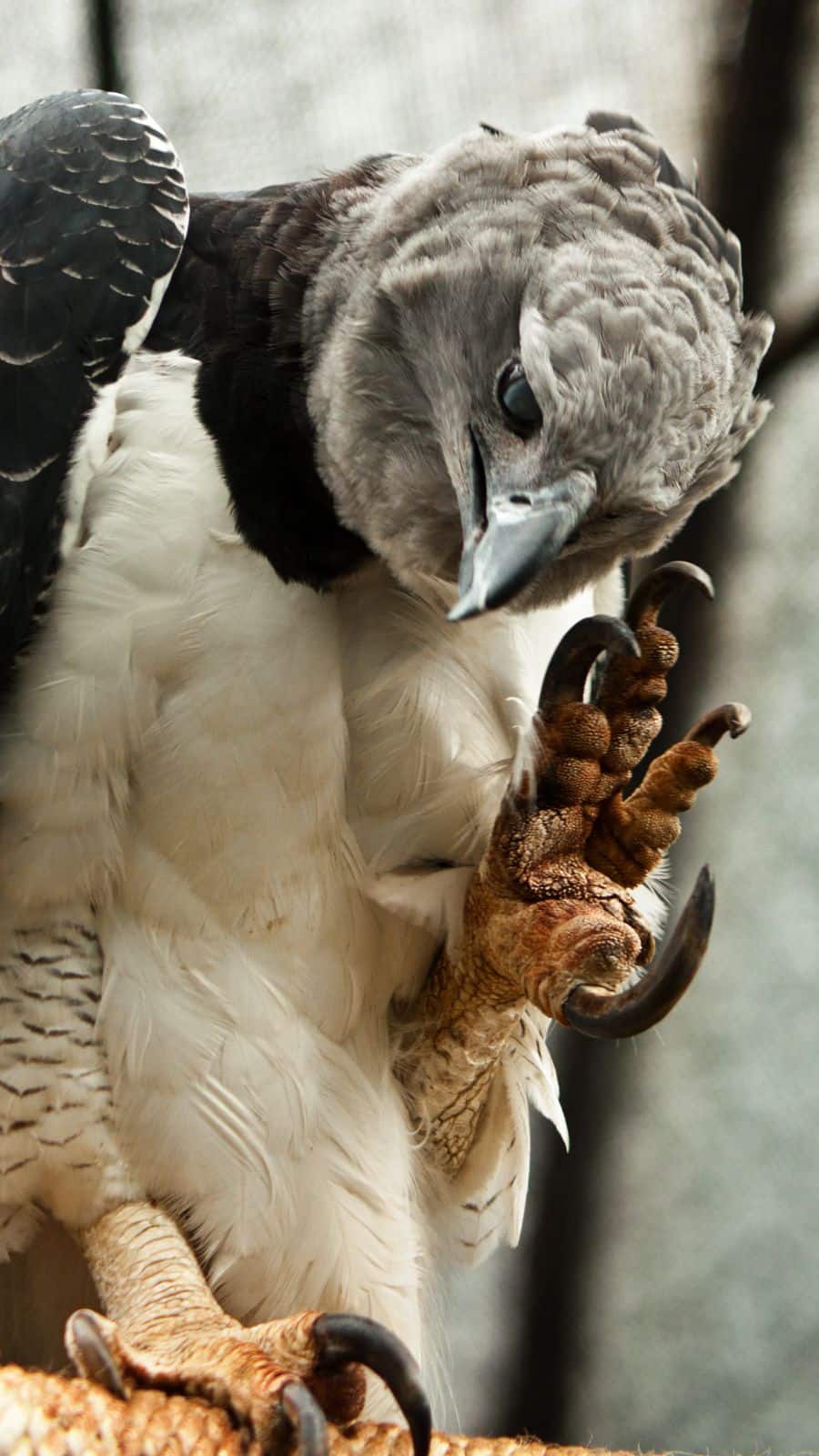
Strength helps birds grab and hold prey. Powerful talons and beaks are common traits.
| Bird | Average Talon Grip (psi) | Beak Type |
| Harpy Eagle | 400 | Hooked |
| Bald Eagle | 320 | Hooked |
| Golden Eagle | 350 | Hooked |
| Osprey | 200 | Sharp |
Strategy
Hunting strategy varies among apex bird predators. Some use surprise attacks. Others wait patiently.
- Stalking prey quietly
- Using high vantage points
- Cooperative hunting in pairs
- Ambushing from hidden spots
Influence On Prey Populations
Apex birds control prey numbers. They keep populations balanced and healthy.
- Reducing overpopulation of small animals
- Helping maintain plant life by controlling herbivores
- Encouraging diversity by removing weak animals
Conservation Status Of Apex Birds
Apex birds sit at the top of the food chain. Their survival is important for healthy ecosystems. Many of these birds face serious threats today.
Understanding their conservation status helps us protect these fierce hunters. We must learn what dangers they face and how people help them.
Threats To Top Predators
Apex birds face many threats from human activities and environmental changes. These dangers reduce their numbers and harm their habitats.
- Habitat loss due to deforestation and urban growth
- Pollution affecting food and water quality
- Hunting and poaching for feathers and trophies
- Climate change altering prey availability and nesting sites
- Use of pesticides that poison their food chain
Efforts To Protect Fierce Hunters
Conservation programs work to save apex birds. These efforts focus on protecting habitats and reducing human threats.
| Effort | Description |
|---|---|
| Protected Areas | Creating parks and reserves to keep habitats safe |
| Legal Protection | Laws to stop hunting and trade of endangered birds |
| Breeding Programs | Captive breeding and releasing young birds into the wild |
| Community Education | Teaching people about the importance of apex birds |
| Pollution Control | Reducing pesticides and cleaning water sources |

Credit: birdsnways.com
Frequently Asked Questions
What Bird Is Considered The Top Apex Predator?
The harpy eagle is often regarded as the top bird apex predator. It has powerful talons and hunts large prey in tropical forests.
How Do Apex Predatory Birds Hunt Their Prey?
Apex predatory birds use sharp talons and keen eyesight. They swoop down silently and capture prey quickly, ensuring a successful hunt.
Which Habitats Do Bird Apex Predators Prefer?
Bird apex predators typically inhabit dense forests, mountains, and open plains. These areas provide ample prey and safe nesting sites.
Can Apex Predatory Birds Control Ecosystem Balance?
Yes, apex predatory birds help control prey populations. This maintains a healthy ecosystem by preventing overpopulation and supporting biodiversity.
Conclusion
Birds of prey showcase nature’s incredible hunters. They rule the skies. Eagles, hawks, and falcons dominate their environments. Each bird possesses unique hunting skills. Sharp talons, keen eyesight, and powerful wings aid them. These birds maintain balance in the ecosystem.
Their presence controls prey populations. Apex predators signify the top of the food chain. Fascinating to watch, they inspire awe and respect. Understanding these birds enriches our appreciation for nature. Observing them reminds us of nature’s complexity. So, next time you spot one, remember their role.
Appreciate their grace and power. Nature’s wonders, indeed.



