How Does the Falcon Bird Adapt? Survival Traits Explained
Have you ever wondered how the falcon, one of nature’s fastest birds, survives and thrives in so many different environments? Understanding how this incredible bird adapts can change the way you see the natural world around you.
Understanding how the falcon bird adapts is crucial for appreciating its role in the ecosystem. How Does the Falcon Bird Adapt to different environments? This is a question that many wildlife enthusiasts ask.
From sharp eyesight to lightning-fast flight, the falcon’s unique features aren’t just impressive—they’re essential for its survival. Keep reading, and you’ll discover fascinating facts about the falcon’s adaptations that might surprise you and deepen your connection with wildlife. Your curiosity is about to take flight!
By learning how does the falcon bird adapt, we can better understand its behaviors and survival mechanisms. How Does the Falcon Bird Adapt in various climates and habitats? This article will delve into these fascinating adaptations.
Credit: avibirds.com
Falcon Species And Habitats
Falcons are fast and skilled birds of prey. They live in many parts of the world. These birds have special traits that help them survive in different places.
This article looks at falcon types, where they live, and their favorite environments. You will learn how falcons adapt to their habitats.
Explore how does the falcon bird adapt to its surroundings, which is essential for its survival. How Does the Falcon Bird Adapt to urban environments?
Different Types Of Falcons
There are many falcon species. Each has unique features and habits. Some are small, and some are large. Their hunting styles also vary.
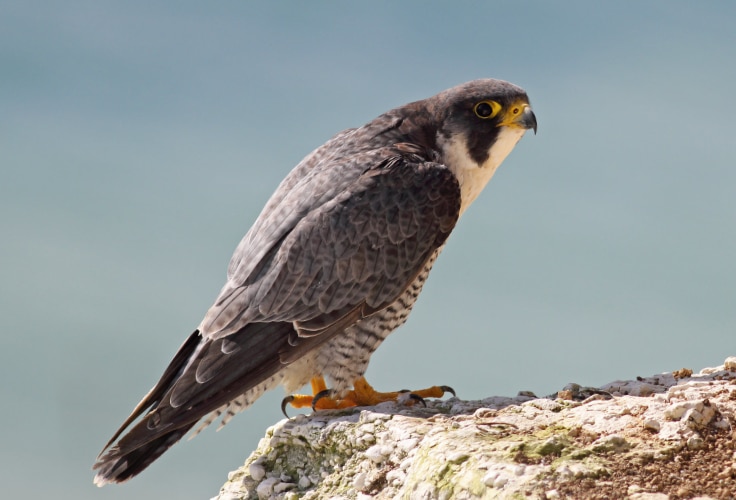
- Peregrine Falcon – fastest bird, hunts mid-air
- American Kestrel – small size, hunts insects and small animals
- Gyrfalcon – largest falcon, lives in cold Arctic areas
- Saker Falcon – strong and used in falconry
- Merlin – small and fast, hunts small birds
Global Distribution
Falcons live on almost every continent. They adapt to many climates and regions. Some travel long distances during migration.
| Falcon Species | Regions Found |
| Peregrine Falcon | Worldwide except Antarctica |
| American Kestrel | North and South America |
| Gyrfalcon | Arctic and Subarctic areas |
| Saker Falcon | Central Asia and Eastern Europe |
| Merlin | North America, Europe, and Asia |
Preferred Environments
Learning how does the falcon bird adapt helps in understanding its habitat preferences and hunting strategies. How Does the Falcon Bird Adapt to varied conditions?
Falcons choose places with good food and shelter. Some like open spaces, others prefer cliffs or forests. Their hunting depends on the environment.
Common Falcon Habitats
- Mountains and cliffs for nesting
- Grasslands and deserts for hunting
- Urban areas with tall buildings
- Forests with open clearings

Credit: www.youtube.com
Physical Features For Survival
Falcon birds have special body parts to help them live and hunt. Their features make them fast and strong.
Each part works well for catching prey and staying safe in the wild.
Sharp Vision And Eye Structure
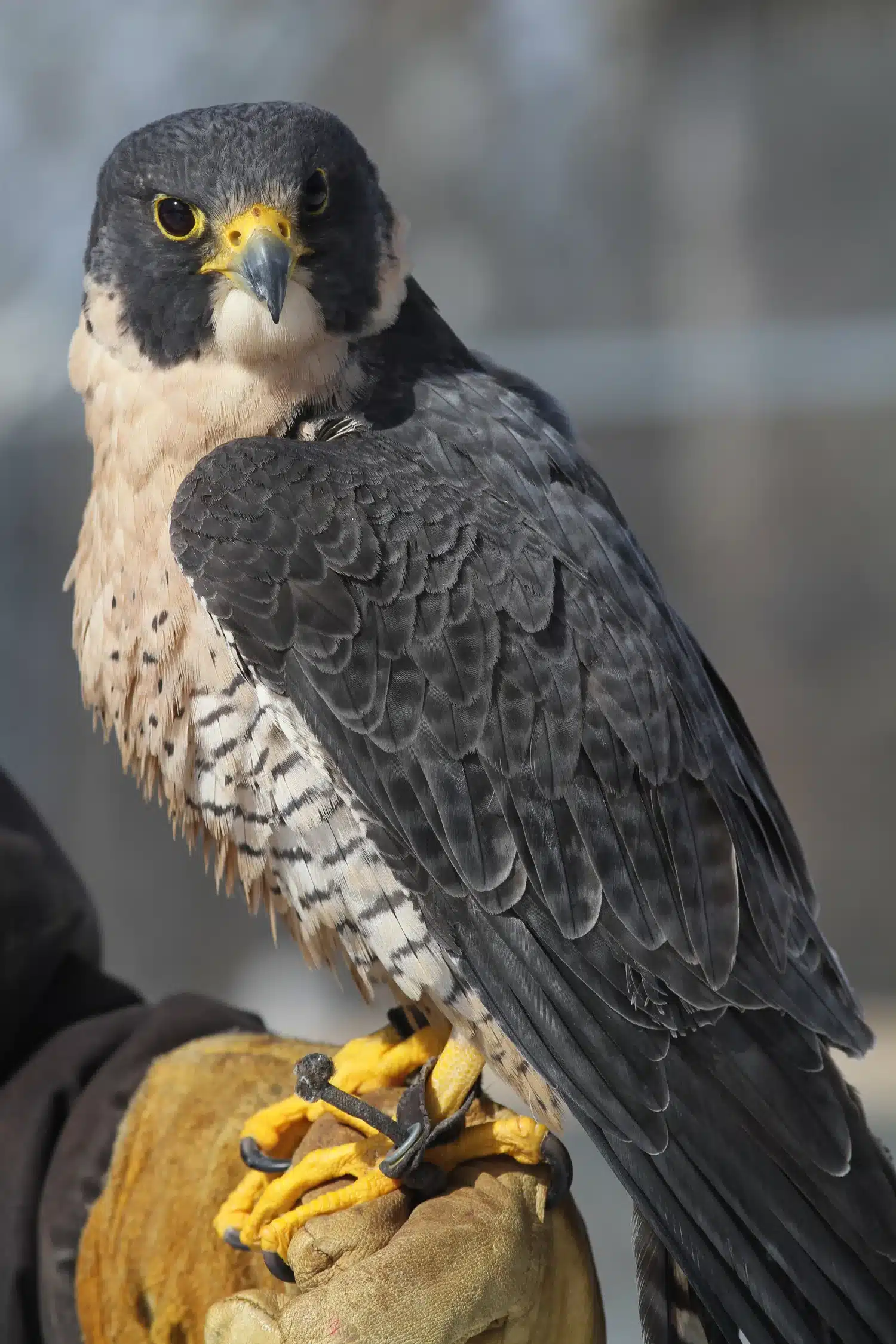
Falcons see very clearly. Their eyes have many tiny cells that detect light and detail. This helps them spot prey from far away.
- Large eyes for more light intake
- Two foveae for sharp focus at different distances
- Fast eye movement to track fast prey
- Special retina structure for clear vision
Wing Design And Flight Speed
Falcons have long, pointed wings. These wings help them fly fast and change direction quickly. They can dive at great speeds to catch prey.
| Wing Feature | Purpose |
| Long, narrow wings | Reduce air resistance |
| Strong muscles | Power fast flapping |
| Light bone structure | Make flight easier |
| Wingtip feathers | Help steer in the air |
Beak And Talon Adaptations
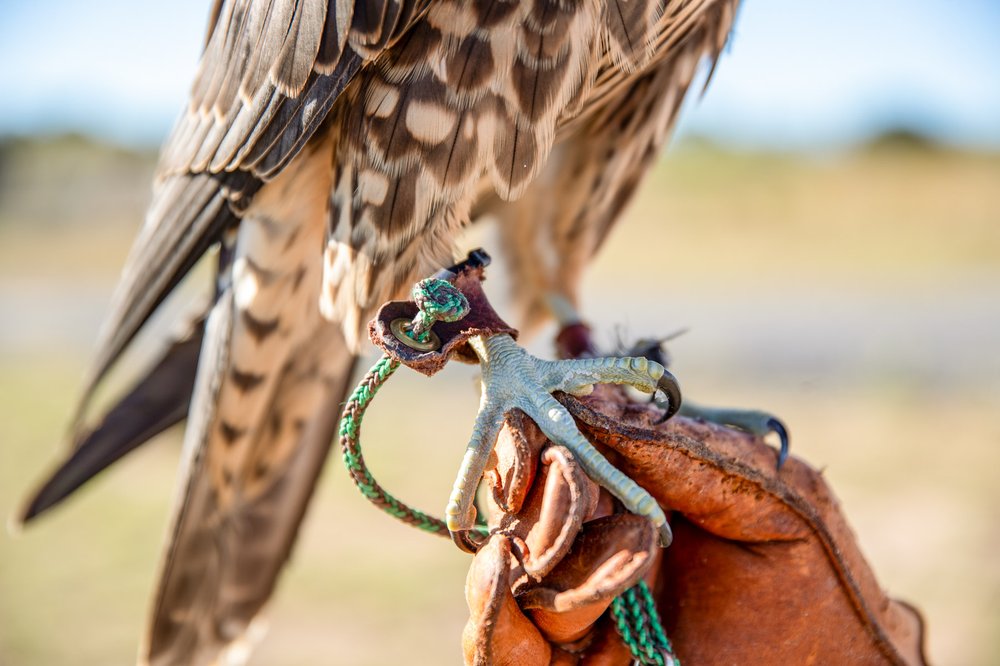
The falcon’s beak is sharp and hooked. It helps tear meat easily. Their talons are strong and curved for gripping prey tightly.
- Hooked beak breaks prey bones
- Sharp edges on beak cut flesh
- Powerful talons hold prey during flight
- Rough pads on feet prevent slipping
Hunting Techniques
Falcon birds have special hunting skills that help them catch prey. They use speed, surprise, and careful choice of food.
How does the falcon bird adapt? This question is vital for anyone interested in avian wildlife. Understanding how does the falcon bird adapt enhances our knowledge of predatory birds.
These techniques make falcons strong hunters in the wild. Their skills help them survive and feed their young.
High-speed Dives
Falcons dive at very high speeds to catch prey. They fold their wings close to their bodies to reduce air resistance.
They can reach speeds over 200 miles per hour. This fast dive helps them surprise and catch birds in mid-air.
Stealth And Ambush Tactics
Falcons use quiet flight to sneak up on their prey. They hide behind trees or cliffs to stay out of sight.
They wait patiently and attack suddenly. This surprise helps them catch animals that are quick to escape.
Prey Selection And Diet
Falcons eat mostly small birds, insects, and sometimes small mammals. They choose prey that they can catch easily.
Their diet changes based on where they live and what animals are available. This helps them survive in different habitats.
- Small birds like pigeons and sparrows
- Insects such as dragonflies and beetles
- Small mammals like mice and bats
Behavioral Adaptations
Falcons show many behaviors that help them survive in the wild. These behaviors help them find food, protect their home, and raise their young. Their actions are shaped by their environment and needs.
The behaviors falcons exhibit show how does the falcon bird adapt to challenges in the wild. This knowledge is essential for conservation efforts.
Understanding these behaviors gives us a better view of how falcons live and thrive. Let’s look at their territorial defense, nesting habits, and migration patterns.
Territorial Defense
Falcons protect their hunting and nesting areas from other birds. They use loud calls and fast flights to scare away intruders. They mark their territory by flying around it often.
When a rival bird enters the space, falcons show aggressive behavior. This helps keep enough food and space for themselves and their chicks.
Nesting Habits
Falcons build nests in high, safe places like cliffs or tall trees. They do not make complex nests but use small ledges or holes. This keeps their eggs safe from predators.
- Choose sites with good visibility
- Use minimal materials like sticks or feathers
- Lay eggs in shallow scrapes or natural cavities
- Both parents take turns caring for eggs and chicks
Migration Patterns
Some falcon species migrate to warmer areas during cold months. They travel in long flights to find food and better weather. Migration routes are often the same each year.
| Falcon Species | Migration Distance | Winter Habitat |
| Peregrine Falcon | Up to 15,000 km | Coastal areas, open fields |
| Amur Falcon | Over 22,000 km | Africa, southern Asia |
| Merlin | Short distance | Temperate forests |
Survival In Changing Environments
Falcons live in many places around the world. They face many changes in their homes. To survive, falcons must adapt to new challenges.
These birds change their habits and skills to keep living safely. Their ability to adapt helps them survive in tough conditions.
Adapting To Urban Areas
Falcons now live in cities. They use tall buildings like cliffs for nesting. Cities give them new places to hunt birds and animals.
They learn to avoid humans and traffic. Falcons also change their hunting times to catch city prey better.
- Nesting on high buildings
- Hunting pigeons and small birds
- Avoiding busy city areas
- Hunting during quiet times
Dealing With Climate Change
Climate change changes falcon habitats. Some areas become hotter or drier. Falcons move to cooler places to find food.
They may change their migration routes. Falcons also adjust the timing of breeding to match food availability.
- Moving to cooler regions
- Changing migration paths
- Breeding at different times
- Hunting new types of prey
Competition And Predation
Falcons face competition from other birds for food and nesting spots. They use speed and sharp eyesight to catch prey first.
They stay alert to avoid predators. Falcons may change hunting areas to stay safe and find more food.
-
- Hunting quickly and smartly
When considering how does the falcon bird adapt, it’s evident that their speed and agility are key to their survival.
- Choosing safe nesting sites
- Changing hunting zones
- Watching for predators
Credit: tpwmagazine.com
Falcon Conservation Efforts
Falcons are strong birds that face many dangers today. People work hard to protect them and help their numbers grow. Conservation efforts focus on keeping falcons safe and supporting their habitats.
These efforts include fighting threats, breeding falcons in safe places, and understanding their role in nature. Each part helps keep falcon populations healthy and balanced.
Through conservation efforts, we aim to understand how does the falcon bird adapt to changing environments and threats. How Does the Falcon Bird Adapt to ongoing challenges?
Threats To Falcon Populations
Falcons face many threats that reduce their numbers. Habitat loss, pollution, and illegal hunting harm their survival. Chemicals like pesticides can poison their food and nests.
- Loss of nesting areas due to building and farming
- Poisoning from pesticides and chemicals
- Illegal trapping and hunting for trade
- Climate change affecting their food supply
Breeding Programs
Breeding programs help increase falcon numbers safely. Scientists raise falcons in captivity and then release them into the wild. These programs keep falcons healthy and teach them to survive on their own.
| Program | Goal | Method |
| Captive Breeding | Increase population | Raise falcons in safe environments |
| Release Projects | Return falcons to wild | Train and release young falcons |
| Monitoring | Track success | Use tags and observation |
Role In Ecosystem Balance
Falcons help keep ecosystems balanced. They control populations of small animals like rodents and birds. This control prevents overpopulation and protects plant life.
Falcons serve important roles such as:
Falcons play a crucial role in ecosystems, showcasing how does the falcon bird adapt to maintain balance in nature.
- Predators of pests that harm crops
- Indicators of environmental health
- Supporters of biodiversity by keeping prey numbers in check
Frequently Asked Questions
In our frequently asked questions, we explore how does the falcon bird adapt and the unique features that aid its survival.
How Does The Falcon’s Vision Aid In Hunting?
Falcons have exceptional eyesight, allowing them to spot prey from great distances. Their sharp vision helps in accurate targeting during high-speed dives.
What Physical Features Help Falcons Adapt To Speed?
Falcons possess streamlined bodies, long pointed wings, and strong muscles. These features reduce air resistance and increase flying speed for efficient hunting.
How Do Falcons Regulate Their Body Temperature?
Falcons use behavioral adaptations like seeking shade and panting to cool down. Their feathers also provide insulation against cold and heat.
What Role Does Falcon’s Beak Play In Adaptation?
The falcon’s hooked beak is designed to tear flesh quickly. It helps them consume prey efficiently, ensuring survival in the wild.
Conclusion
Falcons show amazing adaptability to their environments. How does the falcon bird adapt to various challenges? Their sharp vision helps them spot prey from afar. Strong talons and beaks ensure a successful hunt. How Does the Falcon Bird Adapt in diverse habitats is evident in their resilience and hunting prowess.
These adaptations help falcons survive in diverse habitats. Their resilience inspires many who study them. Understanding these birds enhances our appreciation of nature. How Does the Falcon Bird Adapt is a testament to nature’s ingenuity. Observing them reminds us of the beauty and complexity of the animal kingdom.