What Noise Does a Toucan Bird Make? Bird Sounds Explained
Have you ever wondered what sound a toucan bird makes? These colorful birds are hard to miss, but their unique calls often go unnoticed.
If you’re curious about the mysterious noises that toucans use to communicate, you’re in the right place. By the end of this article, you’ll not only recognize their distinct sounds but also understand why they matter in the wild. Keep reading to discover the surprising world of toucan calls and how they add life to the rainforest around you.

Credit: reworld.eco
Toucan Vocal Traits
Toucans are known for their bright colors and large bills. Their sounds help them communicate in dense forests.
Listening to toucan calls reveals a range of noises. These sounds vary by species and situation.
Distinctive Sounds
Toucans make sharp, clear calls that can carry far. Their voices often sound like croaks, grunts, or rattles.
- Sharp croaking noises to warn others
- Rattling calls used during social interactions
- Soft grunts when feeding or resting
- Whistling sounds to keep contact with mates
Call Variations
Toucan calls change by mood and environment. Some calls are short and quick, others long and loud.
| Type of Call | Purpose | Description |
| Alarm Call | Warning | Sharp, loud croaks to signal danger |
| Contact Call | Communication | Soft whistles to stay in touch with group |
| Mating Call | Attraction | Repeated rattles to attract a mate |
| Territorial Call | Defense | Long grunts to mark territory |
Credit: www.worldatlas.com
Types Of Toucan Calls
Toucan birds use different sounds to communicate. Each call has a special meaning.
These calls help toucans protect their space, find mates, and warn of danger.
Territorial Calls
Territorial calls are loud and sharp. Toucans use them to mark their area.
These calls scare other toucans away from their trees and food.
- Usually repeated in a series
- Can sound like croaking or barking
- Help keep rivals at a distance
Mating Sounds
Mating sounds are softer and more rhythmic. They attract a partner’s attention.
These calls show the toucan is ready to mate and build a nest.
- Usually made by males
- Can include clicks or whistles
- Help strengthen pair bonds
Alarm Signals
Alarm signals are quick and loud sounds. They warn other birds of danger nearby.
Toucans use these calls to alert others about predators or threats.
- Often high-pitched squawks or screams
- Can make the flock fly away quickly
- Help toucans stay safe in the forest
How Toucans Communicate
Toucans use sounds to talk with each other in the wild. Their calls help them stay connected in dense forests.
These birds have loud and clear noises. Each sound has a special meaning for different situations.
Social Interactions
Toucans make noises to keep in touch with their group. They use calls to warn about danger or find food.
Their sounds help build bonds among friends and family. They often call each other while flying or resting.
- Sharp, repeated calls signal alertness
- Soft, rhythmic sounds show calmness
- Different pitches help identify individuals
Parent-offspring Calls
Parent toucans use special calls to talk with their chicks. These sounds guide the young birds and keep them safe.
Chicks reply with softer sounds to ask for food or attention. This call and response help the family stay close.
- Parents call loudly to locate chicks
- Chicks make quiet begging sounds
- Calls help parents feed and protect young
Comparing Toucan Sounds
Toucans are known for their colorful beaks and loud calls. Their sounds help them communicate and defend their space.
Different toucan species make different noises. Some calls are sharp, while others are more croaky or rattling.
Differences Among Species
Each toucan species has a unique sound. Some have high-pitched calls, and others have low growls or clicks.
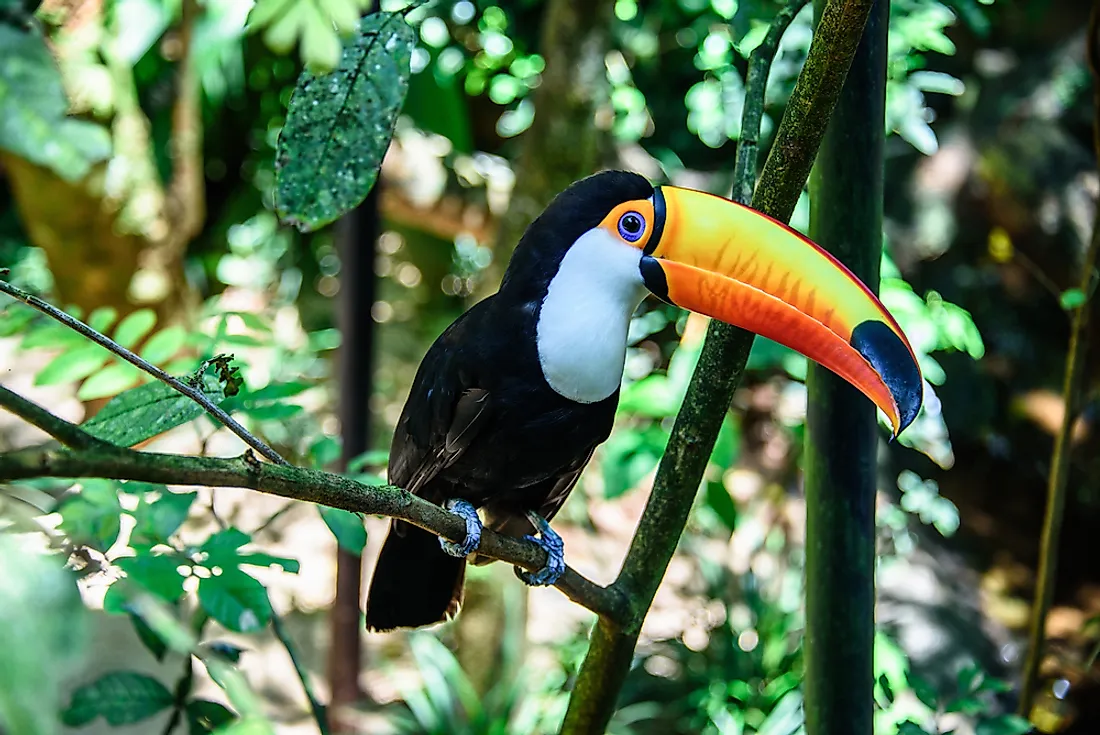
For example, the keel-billed toucan has a sharp, frog-like croak. The toco toucan makes loud, barking sounds.
- Keel-billed toucan: sharp croaks and rattles
- Toco toucan: loud barking and growls
- Channel-billed toucan: deep grunts and croaks
- White-throated toucan: sharp, short calls
Similarities With Other Birds
Toucan sounds share traits with other rainforest birds. Many use calls to mark territory or find mates.
Some toucan calls sound like parrots or frogs. This helps them blend in with the forest sounds.
- Both toucans and parrots have loud, clear calls
- Many birds use calls to warn or attract others
- Toucan sounds often mimic natural forest noises
- Calls help birds survive by signaling danger or presence
Recording Toucan Calls
Toucans make loud, unique calls that help them communicate. Recording their sounds can capture the true nature of these tropical birds.
To get good recordings, you need the right time and tools. This guide shares tips to help you catch clear toucan calls.
Best Times To Listen
Toucans are most vocal during certain hours. Listening at these times increases your chance to hear their full range of sounds.
- Early morning, just after sunrise
- Late afternoon before sunset
- During warm, dry weather
- When toucans are active and feeding
Equipment Tips
Good equipment helps capture clear toucan calls. Use devices that reduce background noise and pick up bird sounds well.
| Equipment | Purpose | Tip |
|---|---|---|
| Directional Microphone | Focuses on toucan calls | Use with wind shield to cut noise |
| Recorder | Stores high-quality audio | Choose one with good battery life |
| Headphones | Monitor recordings live | Use noise-canceling types |

Credit: eatrio.net
Frequently Asked Questions – Toucan Bird Sounds
What Sound Does A Toucan Bird Typically Make?
Toucans produce croaking or rattling calls, often sharp frog‑like croaks that echo in forests.
How Do Toucans Use Their Calls In The Wild?
They call to attract mates, warn of danger, and mark territory, carrying well in dense habitats.
Can Toucan Bird Sounds Vary Between Species?
Yes, each species has distinct calls in pitch and tone, helping identification and research.
Why Do Toucans Make Such Loud Noises?
Their loud calls travel long distances, maintaining group cohesion and deterring predators.
Conclusion
Toucan birds create unique sounds. Their calls are loud and distinct. Some describe it as a frog-like croak. Others say it's more of a grunting sound. These noises help them communicate. It's vital for their survival in the wild. They call out to warn about predators.
Or to attract a mate. Toucans are social birds. They often chat with each other. These lively sounds add to their charm. Next time you hear a toucan, listen closely. You might just recognize their fascinating calls. Nature's orchestra at work!