How to Protect Bird Nest from Predators Effectively
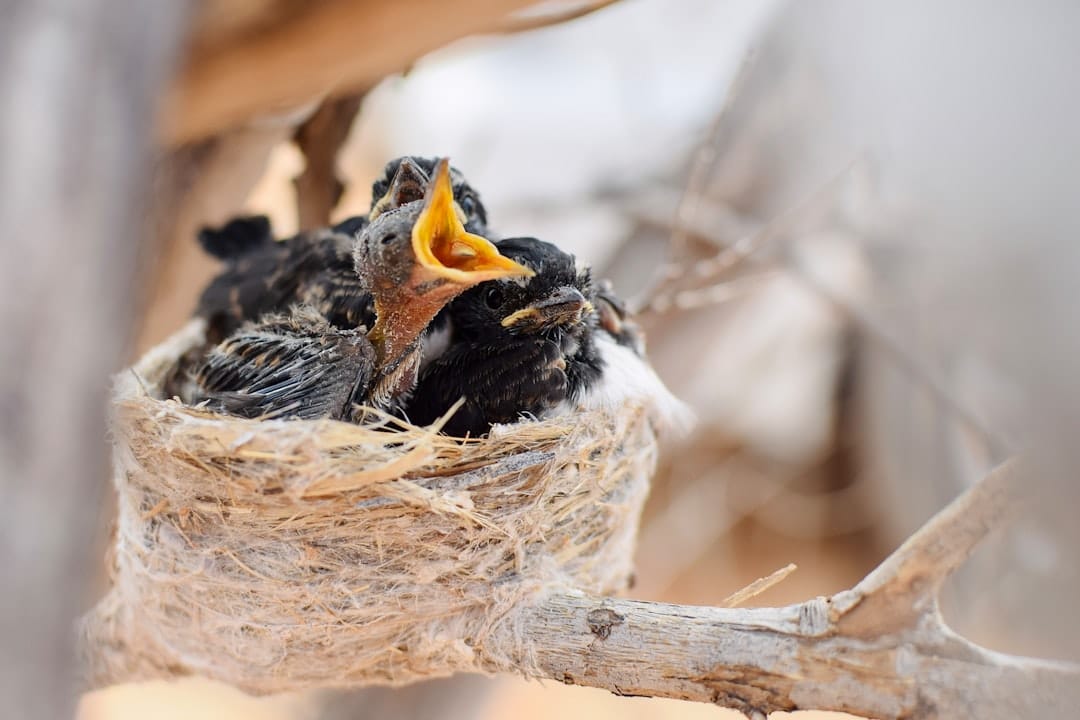
Your bird nest is a precious sanctuary where new life begins. But did you know that predators are constantly on the lookout for an easy meal?
To learn more about how to protect bird nest from predators, it’s essential to consider the various methods available.
If you want to keep your feathered friend’s safe and their babies protected, you need to act now. You will discover simple and effective ways to guard your bird nest from harm. By following these easy steps, you can make sure your garden stays a safe haven for birds.
Understanding how to protect bird nest from predators can make a significant difference in the survival of your garden birds.
Keep reading to learn how you can become a true protector of nature’s most delicate treasures.
Common Nest Predators
Bird nests face many dangers from different animals. Protecting nests helps birds raise their young safely.
Learning how to protect bird nest from predators involves recognizing threats and implementing effective strategies.
Predators come from mammals, birds, and reptiles. Each type has its own way of hunting nests.
Mammalian Threats
Mammals are common nest predators. They use smell and climbing skills to find nests.
Identifying how to protect bird nest from predators requires awareness of local wildlife that may pose a risk.
- Raccoons often climb trees to reach nests.
- Squirrels may eat eggs and baby birds.
- Foxes hunt on the ground and can take nests near bushes.
- Domestic cats can be dangerous if they roam outdoors.
Birds Of Prey
Understanding how to protect bird nest from predators includes knowledge of bird behavior and nesting habits.
Some birds hunt other birds and their eggs. They watch for movement and listen carefully.
| Bird Predator | Hunting Method | Common Targets |
| Hawks | Fast swoops from above | Small birds, eggs |
| Crows | Intelligent searching | Eggs, chicks |
| Owls | Night hunting with silent flight | Young birds, eggs |
Reptilian Invaders
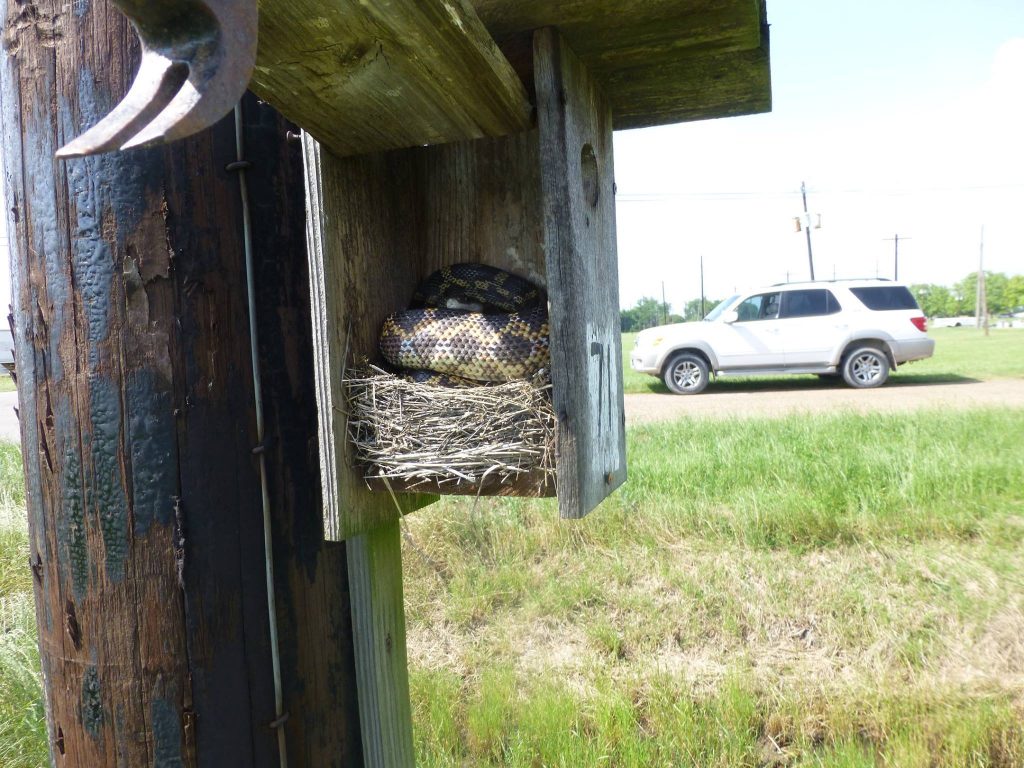
Reptiles such as snakes often invade nests. They can climb trees and hide near nests.
Common reptilian nest predators include:
By knowing how to protect bird nest from predators, you can create an environment conducive to raising young birds.
- Rat snakes, known for climbing and eating eggs.
- Monitor lizards that hunt for eggs and chicks.
- Some species of large lizards that raid nests on the ground.
Choosing Safe Nesting Sites
Birds need safe places to build nests. Choosing the right spot helps keep eggs and chicks safe from predators.
Choosing the right location when learning how to protect bird nest from predators is crucial for their safety.
Picking the best nesting site means looking at the environment and avoiding risks like busy areas or places easy for predators to reach.
Ideal Tree And Shrub Selection
Birds prefer trees and shrubs that offer good cover. Dense branches can hide nests from predators and harsh weather.
- Choose trees with thick foliage to hide nests well.
- Select shrubs with thorny branches to deter animals.
- Look for tall trees that are hard for ground predators to climb.
- Avoid trees with many low branches where predators can reach easily.
Avoiding High Traffic Areas
Busy places with many people or pets can scare birds or attract predators. Nests in quiet spots have a better chance to survive.
| Area Type | Risk Level |
| Near walking paths | High |
| Close to playgrounds | High |
| Deep inside parks | Low |
| Remote forest areas | Very Low |
Using Natural Barriers
Natural barriers stop predators from reaching nests. Rocks, thick bushes, and water can protect nesting spots.
Implementing natural barriers is one of the best ways to understand how to protect bird nest from predators.
- Place nests near thorny bushes to block predators.
- Use natural water bodies as a barrier against some animals.
- Find locations with rocks or fallen logs to hide nests.
Physical Barriers For Nest Protection
Protecting bird nests from predators is important for bird safety. Physical barriers help keep nests safe. These barriers stop animals like snakes, raccoons, and cats from reaching the eggs or chicks.
Creating physical barriers is an essential part of knowing how to protect bird nest from predators effectively.
Using simple tools and materials, you can create strong defenses. This guide explains three ways to build these barriers to protect bird nests.
Nest Boxes And Guards
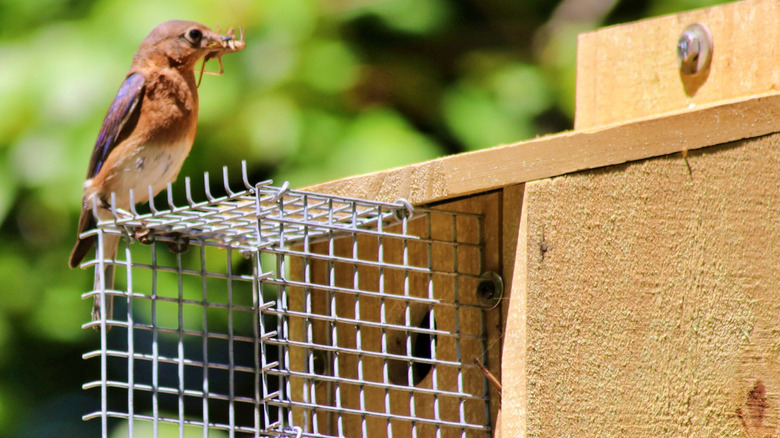
Nest boxes offer a safe place for birds to lay eggs. Adding guards around the box stops predators from climbing or entering. Metal or plastic guards work well to keep animals away.
Using nest boxes is a practical approach to how to protect bird nest from predators.
- Place the nest box high on a pole or tree.
- Install a metal cone guard below the box to block climbing.
- Use smooth materials to prevent animals from gripping.
- Check the box regularly to remove debris or damage.
Wire Mesh And Fencing
Wire mesh can stop small predators from reaching nests. Fencing around nesting areas adds an extra layer of protection. Make sure the mesh holes are small enough to block predators but allow birds to pass.
Wire mesh and fencing are effective in learning how to protect bird nest from predators.
| Material | Use | Advantages |
| Galvanized wire mesh | Wrap around nest base | Rust resistant and strong |
| Plastic mesh | Fence small nest areas | Lightweight and easy to handle |
| Chicken wire | Protect ground nests | Flexible and affordable |
Camouflage Techniques
Camouflage helps nests blend into their surroundings. Covering the nest box or area with natural materials hides it from predators. Use leaves, twigs, and bark near the nest site.
Camouflage techniques play a vital role in how to protect bird nest from predators.
- Attach dry leaves to the outside of nest boxes.
- Use twigs to break up the shape of the box.
- Place the nest in shaded areas with natural cover.
- Avoid bright colors that attract attention.
Credit: nestwatch.org
Deterrent Methods
Protecting bird nests from predators is important to keep birds safe. You can use different ways to stop animals from getting to the nests. This guide explains some common methods to keep predators away.
Utilizing deterrent methods can enhance your understanding of how to protect bird nest from predators.
These methods use visual, chemical, and sound techniques to scare predators. Choose the best options based on your area and the types of predators nearby.
Using Predator Decoys
Predator decoys look like animals that scare nest predators. These decoys trick the predators into thinking the area is dangerous. Common decoys include fake owls, snakes, and hawks.
- Place decoys near the nest but not too close
- Move decoys regularly to keep predators alert
- Use decoys that match local predator species
- Check decoys for wear and replace if needed
Scent And Chemical Repellents
Some predators avoid certain smells or chemicals. Using natural or safe repellents can keep them away from nests. These scents make the area unpleasant for animals like raccoons or snakes.
| Repellent Type | Description | Common Use |
| Predator Urine | Smell of larger predators | Deters smaller predators |
| Garlic Spray | Strong natural odor | Repels snakes and rodents |
| Capsaicin Spray | Hot pepper extract | Keeps mammals away |
| Mothballs | Strong chemical smell | Used cautiously near birds |
Noise And Light Distractions
Noise and light can scare predators from nests. Using sounds and lights that turn on suddenly makes predators nervous. This method works best at night or in low light conditions.
Incorporating noise and light distractions is an advanced strategy in how to protect bird nest from predators.
Common noise and light tools include:
- Motion-activated lights that flash near nests
- Ultrasonic sound devices that predators dislike
- Wind chimes or radios to create background noise
- Reflective tape that moves in the wind and shines light
Monitoring And Maintenance
Protecting bird nests from predators needs careful watching. Regular checks help keep nests safe and healthy.
Regular monitoring is vital to mastering how to protect bird nest from predators and ensuring their safety.
Good maintenance stops predators from harming eggs or baby birds. It also keeps nests strong and secure.
Regular Nest Checks
Check bird nests often but stay calm and quiet. This prevents scaring the birds away.
Look for broken twigs, loose parts, or dirt inside the nest. These can show if the nest is weak or disturbed.
Signs Of Predator Activity
Watch for footprints or scratch marks near the nest. These signs show that predators may be close.
Listen for alarm calls from parent birds. They often warn when danger is near.
-
- Feathers scattered around the nest
- Broken eggshells on the ground
- Unusual bird behavior like hiding or silence
Observing signs of predator activity will inform your efforts in how to protect bird nest from predators.
Repairing And Reinforcing Nests
Fix small breaks in the nest using dry grass or twigs. This helps keep eggs and chicks safe.
Add extra leaves or soft materials to strengthen the nest walls. Avoid using anything sticky or sharp.
- Use natural materials found nearby
- Do not touch eggs or baby birds
- Work quietly to avoid disturbing the birds
Credit: www.outdoorguide.com
Supporting Natural Defenses
Protecting bird nests from predators is important for bird survival. Supporting natural defenses helps keep nests safe. Using natural methods is good for the environment and birds.
There are many ways to support natural defenses. Plants and animals can help protect nests. Healthy bird populations make the environment stronger.
Encouraging Protective Plant Growth
Plants can hide nests and make it harder for predators to reach them. Dense bushes and thorny plants protect nests well. Native plants grow best and support local birds.
Planting trees and shrubs near nesting areas helps birds. Avoid cutting plants during nesting season. This keeps the natural cover strong and safe for birds.
- Plant thorny bushes to block predators
- Use native trees for better growth
- Keep plants dense around nesting spots
- Avoid clearing plants during bird nesting
Attracting Guardian Species
Some animals protect birds by scaring away predators. Attracting these guardian species helps keep nests safe. Birds like jays and some mammals can guard nests.
Providing food and water attracts these helpful animals. Avoid using chemicals that harm wildlife. Guardians increase safety for nesting birds.
- Offer feeders for guardian birds
- Provide clean water sources
- Keep areas free from harmful chemicals
- Plant a variety of native plants for habitat
Promoting Healthy Bird Populations
Healthy bird populations protect each other. Birds warn others of danger. Supporting their health helps nests survive.
Supporting healthy bird populations contributes to how to protect bird nest from predators.
Provide safe places for birds to feed and rest. Avoid disturbing nesting birds. Healthy birds can better defend their nests from predators.
- Keep feeding stations clean and full
- Do not touch or move nests
- Limit human noise near nesting areas
- Plant a mix of trees and flowers for food

Educating others on how to protect bird nest from predators fosters a community commitment to bird safety.
Credit: www.reddit.com
Frequently Asked Questions
How Can I Prevent Predators From Finding Bird Nests?
Place nests in hidden or hard-to-reach locations. Use natural camouflage like leaves and branches. Avoid disturbing the nest area to keep predators away.
What Materials Protect Bird Nests From Predators?
Use thorny branches or dense foliage around the nest. These materials deter predators by creating physical barriers. Avoid artificial materials that may attract unwanted attention.
Which Predators Commonly Threaten Bird Nests?
Common predators include snakes, raccoons, squirrels, and crows. Each predator uses different methods to locate nests. Knowing them helps in applying effective protection strategies.
Understanding the common predators will help you learn how to protect bird nest from predators more effectively.
Can Birdhouses Keep Nests Safe From Predators?
Yes, birdhouses with predator guards improve nest safety. Ensure entrances are small to block larger animals. Regularly check for damage and maintain the structure.
Implementing birdhouses is another efficient way to ensure how to protect bird nest from predators.
Conclusion
Protecting bird nests from predators is crucial for bird safety. Knowing how to protect bird nest from predators is essential. Simple actions make a big difference. Use netting to shield nests from threats and trim tree branches to limit predator access. Install predator guards on poles and trees, and maintain a safe distance to avoid attracting unwanted attention.
Educate others about the importance of how to protect bird nest from predators. Encourage neighbors to adopt these practices. Together, we can create safer environments for birds. Every small effort counts in preserving our feathered friends. By taking these steps, we help ensure birds thrive in their natural habitats.
Let’s protect and cherish our avian visitors.
Let’s protect and cherish our avian visitors by understanding how to protect bird nest from predators.