How to Keep Bird from Perching on Railing Without Harm
Are you tired of birds constantly perching on your railing and leaving droppings everywhere? It can be frustrating to keep your outdoor space clean and inviting when birds keep making themselves at home.
To keep bird from perching on railing, understanding their behavior is crucial.
But don’t worry—you can take simple steps to keep birds away without harming them. You’ll discover easy and effective ways to stop birds from landing on your railing, so you can enjoy your porch or balcony without the mess and noise.
Keep reading to find solutions that really work for your home!
Why Birds Choose Railings
Learn how to effectively keep bird from perching on railing in urban settings.
Birds often perch on railings because they feel safe and comfortable. Railings offer a good view of their surroundings.
People notice birds on railings more because these spots are easy to see. Understanding why birds like railings helps in keeping them away.
Common Bird Preferences
Birds like places where they can rest and watch for food or danger. Railings are flat and stable, perfect for landing.
Some birds prefer spots that give them safety from predators and a clear view. Railings meet these needs well.
- Flat surface for easy landing
- Good view for spotting threats
- Close to food sources
- Safe from ground predators
Attraction To Urban Spaces
Urban areas have many railings and ledges, which birds find useful. These spots are near food and shelter.
Implement strategies to keep bird from perching on railing in your yard.
Birds adjust well to cities because they find easy food and safe places to rest. Railings in cities provide these benefits.
- Plenty of railings for perching
- Food from people or trash
- Warm spots from buildings
- Less natural predators

Credit: www.amazon.com
Physical Deterrents To Use
Birds often perch on railings, which can cause damage or mess. Physical deterrents help stop birds from landing without harming them.
Using simple devices on your railing can make it uncomfortable or impossible for birds to settle. Here are some common physical options you can try.
Consider using multiple methods to keep bird from perching on railing efficiently.
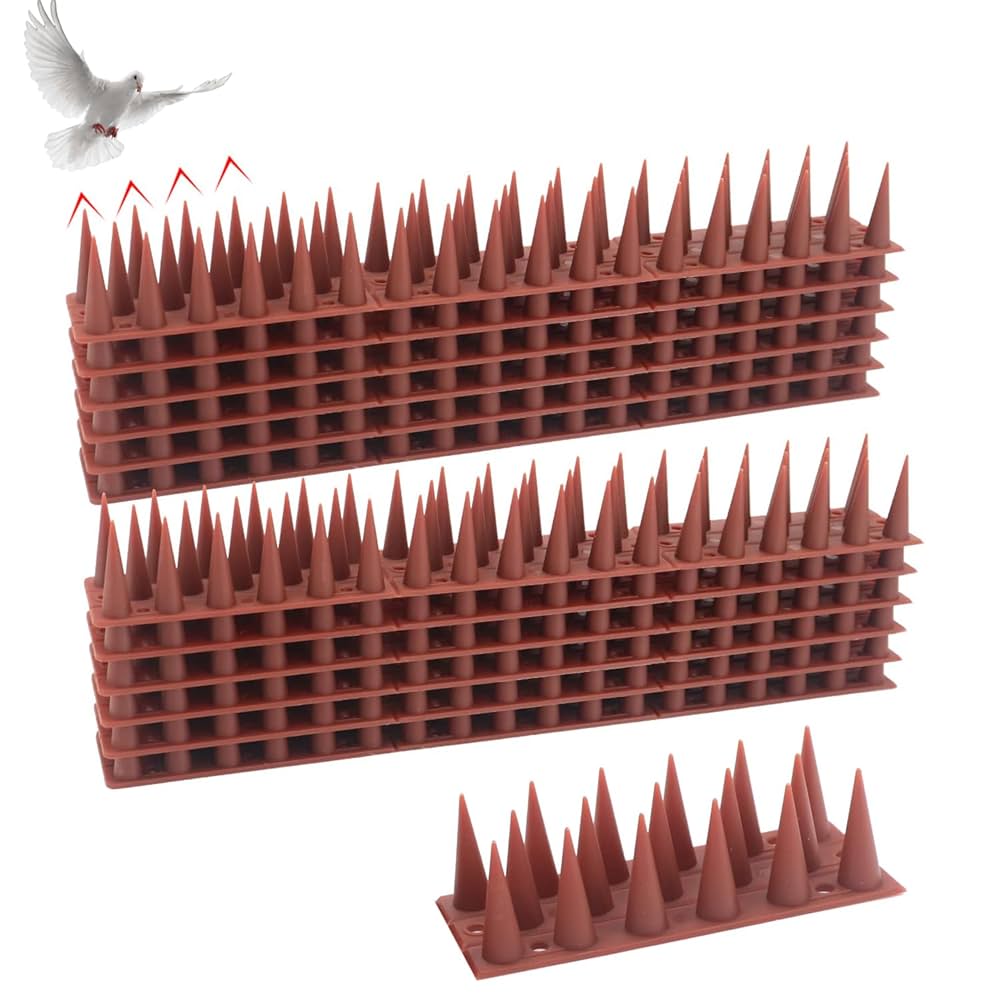
Installing Bird Spikes
Bird spikes are strips with long, thin rods that stop birds from landing. They do not hurt the birds but make the surface uneven and uncomfortable.
- Easy to install with adhesive or screws
- Work well for most bird types
- Require little maintenance after installation
- Can be cut to fit different railing sizes
Using Sloped Covers
Sloped covers tilt the railing surface so birds cannot get a stable grip. This method uses angled panels made of metal or plastic.
| Material | Advantages | Disadvantages |
|---|---|---|
| Metal | Durable and weather-resistant | Can be noisy in wind |
| Plastic | Lightweight and easy to install | May crack under strong sun |
Applying Bird Wire Systems
Bird wire systems use thin, tensioned wires above the railing. Birds find it hard to land or balance on these wires.
- Invisible from a distance
- Does not harm birds
- Needs proper tension to work
- Can be more expensive to set up
Visual And Sound Repellents
Birds often perch on railings, which can cause damage or mess. Using visual and sound repellents helps keep birds away.
Employ visual deterrents to keep bird from perching on railing near your garden.
These repellents use sight or noise to scare birds without harming them. They are simple and safe options for your home.
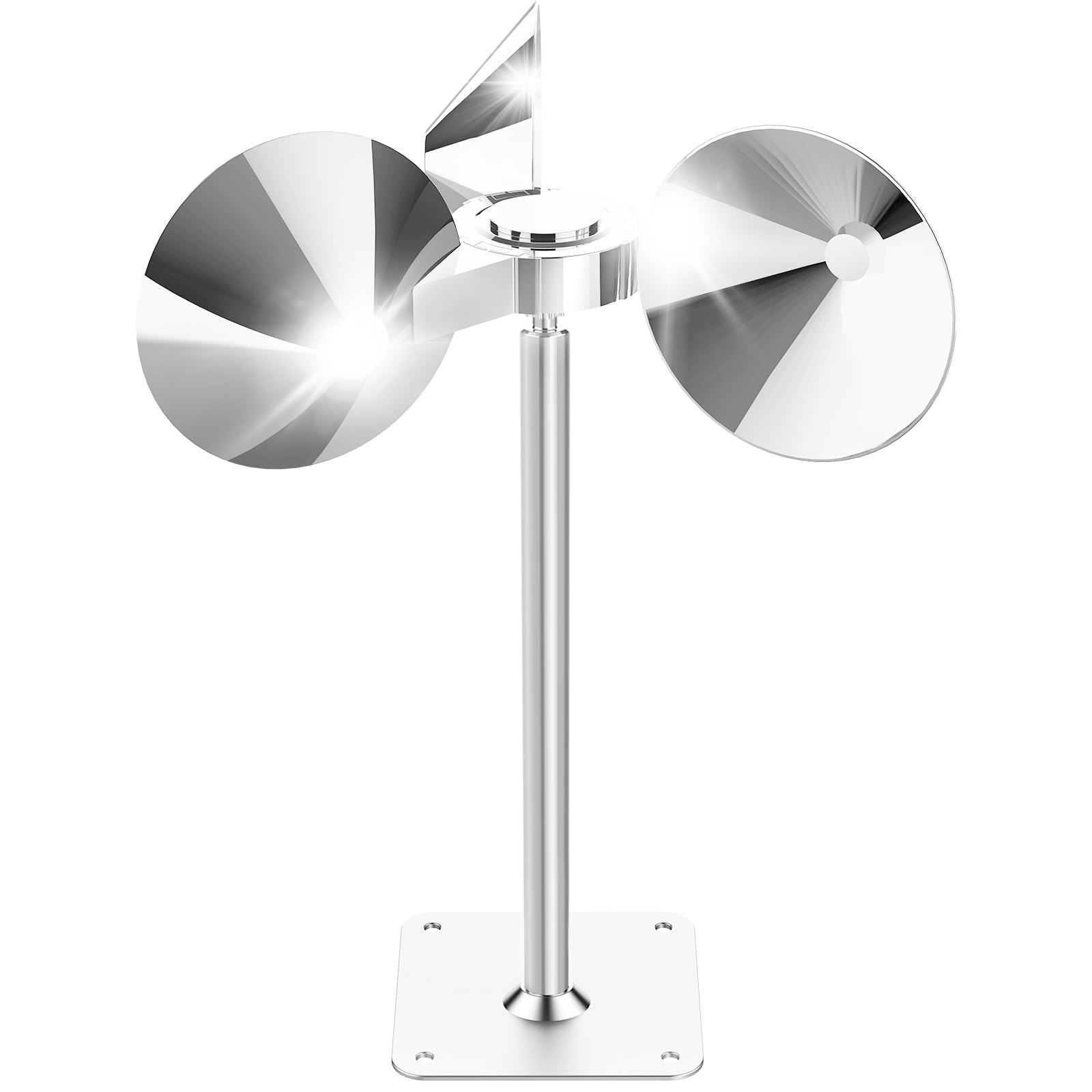
Reflective Objects And Decoys
Birds dislike bright reflections and fake predators. Reflective objects shine light that scares birds off.
Decoys, like fake owls or hawks, look like natural threats. Birds avoid areas with these decoys.
- Hang old CDs or aluminum foil strips to reflect sunlight
- Place plastic owls or snakes near the railing
- Move decoys regularly to keep birds unsure
Ultrasonic Devices
Ultrasonic devices send sounds birds cannot hear but find disturbing. These sounds make birds leave the area.
Ultrasonic devices can significantly help to keep bird from perching on railing.
These devices are quiet for humans and easy to install near railings. They work best in open spaces.
- Choose devices with varied sound patterns
- Place the device where it faces the railing directly
- Check device batteries or power source regularly
Wind Chimes And Noise Makers
Wind chimes produce gentle sounds that bother birds. The noise makes the railing less attractive to perch.
Using wind chimes can be a simple way to keep bird from perching on railing.
Noise makers create random sounds that scare birds away. They help keep the area quiet and clean.
- Use metal or wooden wind chimes near railings
- Install motion-activated noise makers for sudden sounds
- Combine noise makers with visual repellents for better effect
Credit: www.amazon.ca
Habitat Modification Strategies
Birds often perch on railings because they find food or shelter nearby. Changing the environment can stop them from landing there. This guide covers ways to make your railing less inviting.
By removing food and trimming plants near your railing, you can reduce bird visits. These simple changes help keep birds away safely and humanely.
Removing Food Sources
Birds come to railings if they find food close by. You can make your railing less attractive by cleaning up and removing these foods.
- Clear away fallen seeds, fruits, and nuts regularly.
- Keep trash cans covered and clean to avoid spills.
- Avoid feeding birds near the railing.
- Remove bird feeders that are close to the railing.
- Clean grills and outdoor eating areas after use.
Trimming Nearby Trees And Shrubs
Trees and shrubs near railings give birds places to rest and hide. Cutting them back can reduce bird visits.
| Plant Type | Recommended Action | Reason |
| Low branches | Trim to at least 6 feet from railing | Reduces easy access for birds |
| Dense shrubs | Thin out thick areas | Limits hiding spots near railing |
| Fruit-bearing plants | Remove or relocate | Stops birds from feeding nearby |
Regular Maintenance Tips
Regular maintenance can help keep bird from perching on railing by ensuring cleanliness.
Birds often perch on railings, causing dirt and damage. Regular maintenance helps keep railings clean and bird-free.
Simple upkeep steps can improve your railing's look and stop birds from settling.
Cleaning Droppings
Bird droppings can harm your railing’s surface. Clean them quickly to prevent stains and damage.
Use gentle cleaners and soft cloths to avoid scratching. Wear gloves for hygiene and safety.
- Prepare a mild soap solution
- Use a soft brush or cloth
- Rinse with clean water
- Dry the railing fully
- Repeat cleaning weekly or after heavy bird activity
Inspecting Deterrent Effectiveness
Check bird deterrents often to see if they work well. Birds may get used to some methods over time.
Replace or adjust deterrents if birds still perch. Keep your methods clean and in good shape.
- Look for damage or wear on deterrents
- Watch bird behavior near the railing
- Try moving or changing deterrent positions
- Clean deterrents to keep them effective
- Update deterrents if needed
Choosing Humane Solutions
Birds often perch on railings, which can cause damage or mess. Choosing humane ways to keep birds away helps protect them and your space.
This guide explains safe methods to stop birds from perching without causing harm.
Non-harmful Deterrents
Use gentle methods to discourage birds from landing on railings. These methods keep birds safe and respect wildlife.
Non-harmful deterrents are recommended to keep bird from perching on railing safely.
- Install bird spikes made of soft plastic to prevent landing.
- Hang reflective objects like CDs or aluminum foil strips to scare birds.
- Use bird gel with sticky texture to make surfaces uncomfortable.
- Place decoy predators such as fake owls or hawks nearby.
- Use sound devices that emit bird distress calls at low volume.
Legal Considerations
Before using deterrents, check local laws. Some birds are protected, and harming them can be illegal.
| Bird Type | Protection Status | Allowed Actions |
|---|---|---|
| Common Pigeons | Not protected | Humane deterrents allowed |
| Songbirds | Protected | No harm or removal without permit |
| Raptors | Highly protected | Only observation, no disturbance |
| Waterfowl | Protected in some areas | Check local regulations |

Credit: www.amazon.ca
Frequently Asked Questions
How Can I Stop Birds From Perching On My Railing?
Use deterrents like bird spikes, reflective tape, or sound devices. Clean regularly to remove droppings and scent markers.
What Materials Are Best For Bird Deterrents On Railings?
Durable, weather‑resistant options such as plastic spikes, stainless steel spikes, reflective tape, or ultrasonic emitters work well.
Are Bird Spikes Safe For Birds And Humans?
Yes, they are humane and non‑lethal, preventing perching without harm when installed correctly.
Can Natural Methods Keep Birds Off Railings?
Yes, predator decoys like owl figures or thorny bushes discourage birds safely and eco‑friendly.
Conclusion
Keeping birds off your railing can be simple. Use spikes or nets. They work well. Try shiny objects. Birds dislike them. Consider ultrasonic devices. They are effective and silent. Maintain a clean railing. Birds avoid clean places. Regular checks are important.
Ensure all methods are working. Adjust if needed. Protecting your space is possible. With these tips, enjoy a bird-free railing. Peaceful and clean. Your efforts will show results.
Ultimately, understanding how to keep bird from perching on railing is key to success.