Roosting Box for Wild Birds: The Ultimate 2026 Guide to Winter Survival
If you’ve ever watched a tiny chickadee puff up its feathers against a freezing December wind, you’ve witnessed a high-stakes survival battle. For wild birds, winter isn’t just “cold”—it is a nightly test of endurance where losing a few degrees of body heat can be fatal.
This guide isn’t just about “birdhouses.” It’s about removing the friction between wildlife and survival. We are diving deep into the world of roosting boxes, the specialized shelters designed to trap heat, thwart predators, and provide a communal sanctuary when the thermometer drops. Whether you’re looking for an insulated cedar fortress or an eco-friendly woven nest, choosing the right shelter is a Roosting Box for Wild Birds investment in your local ecosystem’s health.
Key Takeaways
Roosting vs. Nesting: Unlike nesting boxes, roosting boxes are designed specifically for heat retention and often feature internal perches for multiple birds to huddle together.
Material Matters: Cedar and 1″ thick Pine are the gold standards for natural insulation and rot resistance.
Predator Protection: A slate or copper guard around the entry hole is essential to prevent squirrels and raccoons from enlarging the hole and reaching the birds inside.
Strategic Placement: Mount boxes 6–15 feet high, facing East or South to catch the morning sun and avoid prevailing winter winds.
Social Roosting: Horizontal designs allow birds to sleep side-by-side, sharing body heat to survive temperatures that would kill a solitary bird.
Why a Roosting Box is a Non-Negotiable Winter Asset
Most people assume birds just “go away” or find a thick evergreen when it snows. While some do, many cavity-nesters (like bluebirds, wrens, and nuthatches) stay behind. Without a proper wild bird roosting shelter, these birds are forced to use energy-draining metabolic heat just to stay alive.
By providing a bird roosting box for cold weather, you are offering:
Thermal Protection: Insulated walls keep internal temperatures significantly higher than the outside air.
Predator Defense: Specialized entry holes and guards keep nocturnal hunters at bay.
Wind Shielding: A solid structure prevents the “wind chill” effect from stripping away a bird’s natural feather insulation.
The Best Roosting Boxes for 2026: Detailed Reviews
Below, we analyze the top-performing shelters on the market, categorized by their design, materials, and target species.
Coveside Horizontal Winter Roost Bird House

The “Gold Standard” for Thermal Protection
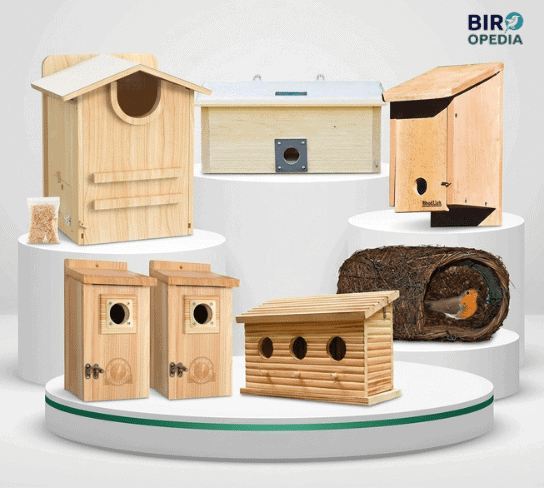
The Coveside model is widely considered the “heavyweight champion” of winter shelters. Its horizontal design is counter-intuitive to those used to vertical birdhouses, but it is scientifically superior for group warmth.
| Feature | Specification |
| Material | Insulated 1″ Pine |
| Safety | Slate Predator Guard |
| Weight | ~5 lbs |
| Dimensions | 7.75″ H x 18″ W x 7″ L |
| Origin | Made in the USA |
Pros:
Superior Insulation: The 1″ thick pine acts as a natural barrier against freezing air.
Group Roosting: The wide layout allows multiple small birds to huddle, which is a key survival strategy.
Durability: The slate guard ensures the entry hole remains the correct size for target birds, not predators.
Cons:
Mounting Requirements: At 5 lbs, it requires a very sturdy post or wall mount.
Species Specific: Not intended for larger raptors or owls.
Woodlink Cedar Winter Roosting Shelter Box
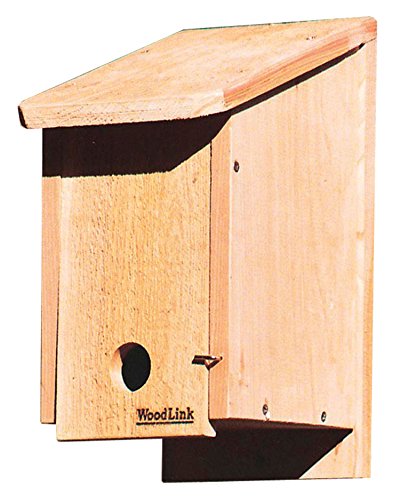
The All-Weather Durability Pick
If your climate is particularly damp or prone to rot, the Woodlink Cedar Shelter is your best bet. Cedar is naturally resistant to decay and insects without the need for toxic chemicals.
Material Excellence: Made from high-quality cedar wood that smells great and lasts for years.
Compact Footprint: Measuring 14.75″ H x 7.5″ W x 9.75″ L, it fits in smaller gardens.
Lightweight Design: At 4.0 lbs, it is easy to install on smaller trees or fence posts.
Aesthetic Appeal: The vibrant red finish makes it a decorative highlight while remaining functional.
Tip: Cedar is a “Money Keyword” material. It signals quality and longevity to the buyer, addressing the “Pain” of having to replace cheap wooden houses every single season.
Wildlife World Simon King Secret Nester

The “Low-Profile” Natural Integration
For those who want a shelter that disappears into the landscape, the Simon King Secret Nester is a masterclass in camouflage.
Why it works:
Natural Aesthetics: The teardrop shape and brown fiber blend perfectly into thickets and hedges.
Featherweight: At only 0.22 lbs, you can hang this on the thinnest branches where predators can’t reach.
Species Target: Perfect for robins, wrens, and finches who prefer “pocket” style nesting.
Comparison Table: At-A-Glance Selection Guide
| Product Name | Best For… | Material | Capacity |
| Coveside Horizontal | Severe Cold | 1″ Pine | Multiple Birds |
| Woodlink Cedar | Wet Climates | Red Cedar | 1–3 Birds |
| Wildlife World | Camouflage | Natural Fiber | 1 Bird |
| Starswr 3-Hole | Multiple Families | Painted Wood | 3 Families |
| Chuiendi Owl Box | Raptors/Owls | Natural Wood | 1 Large Owl |
Expanding the Neighborhood: Multi-Family and Specialized Boxes
SISTERBIRD Cedar 2-Pack (With Copper Guard)

This is the “Value” play for serious bird watchers. Providing two houses allows you to support different species in different corners of your yard. The Copper Guard is a premium feature that prevents “chewing” by squirrels, solving a major “Pain Point” for backyard enthusiasts.
STARSWR 3-Hole Multi-Family House
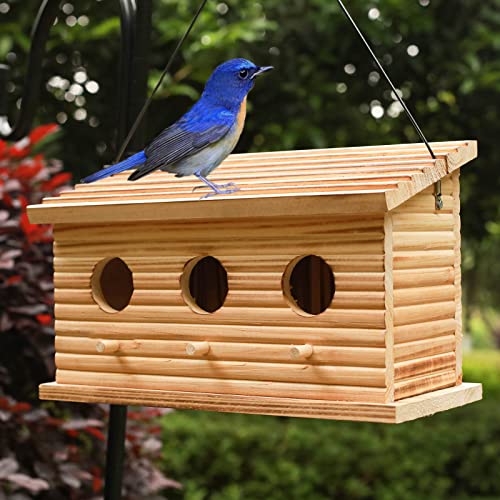
Designed for birds that don’t mind neighbors, this 3-hole design is perfect for bluebirds and finches.
Pros: Charming blue finish; supports three families; easy to hang.
Cons: Requires sturdy support to prevent swaying in the wind.
Chuiendi Owl Nesting Box

Winter isn’t just hard on small birds; large raptors need homes too. This box is massive (15.7″ x 10.5″ x 12.2″) and comes with wood chips and a feeding trough. It is a true “conservational” piece for those with the space to support owls and eagles.
How to Optimize Your Roosting Box (The “Pro” Setup)
Having the best box is only half the battle. To ensure birds actually use it, you must follow these placement and maintenance rules:
1. Height and Location
Mount your roosting box for wild birds at least 6 feet off the ground. This protects inhabitants from cats and ground-based predators. Facing the opening toward the South or Southeast allows the low winter sun to warm the box during the day, which helps maintain heat through the night.
2. Internal Perches
While nesting boxes have flat floors, roosting boxes benefit from internal dowels or perches. This allows birds to stay off the floor (which can be cold) and stack themselves to share body heat.
3. Cleaning and Sanitation
Once the frost thaws in the spring, it is vital to clean the box.
Remove all old nesting material.
Scrub with a 1:10 bleach-to-water solution to kill parasites.
Ensure the box is completely dry before closing it up for the next season.
FAQs: Expert Answers for Better Birding
What birds use a horizontal winter roosting box?
Small, social cavity nesters are the primary users. This includes Chickadees, Nuthatches, Wrens, and Bluebirds. They are known to pile into a single box to survive sub-zero nights.
How does a cedar roosting box protect birds?
Cedar provides two-fold protection: it is a natural insulator (keeping heat in) and it is weather-resistant (preventing dampness). Furthermore, cedar oils naturally repel mites and lice that can plague birds.
What is the benefit of a slate predator guard?
Predators like raccoons or squirrels will often try to chew around the entry hole of a wooden house to get inside. Slate is impenetrable to their teeth, ensuring the small birds inside remain safe and the hole size stays consistent.
Can I hang natural fiber bird huts outdoors?
Yes! In fact, they are preferred by birds like finches who like a “nest-like” feel. However, because they are made of natural fibers, they should be placed under some cover (like a porch or thick evergreen branch) to prevent them from becoming waterlogged during heavy rain.
Conclusion: A Small Step for You, A Life-Saver for Them
Investing in a roosting box for wild birds is one of the most direct ways to support local biodiversity. Whether you choose the thermal powerhouse of a Coveside Horizontal Roost or the artisan charm of a Hand-woven Teardrop Nest, you are providing more than just wood and nails—you are providing a lifeline.
By understanding the Search Intent of the birds themselves—which is purely survival—and the Keyword Psychology of your garden—which is quality and safety—you can transform your backyard into a winter sanctuary.