Are you concerned about the recent news of bird flu in Colorado? Understanding how this virus could affect your health, your family, and even your local community is more important than ever.
This article will give you clear, straightforward information about what bird flu is, how it spreads, and what you can do to stay safe. By the time you finish reading, you’ll feel more confident and prepared to protect yourself and those around you.
Don’t miss out—your peace of mind starts here.
Current Bird Flu Status In Colorado
Bird flu, also called avian influenza, is affecting birds in Colorado. The state has seen cases in wild and farm birds recently.
Officials are watching the situation closely. They work to stop the spread and protect both wild and domestic birds.
Recent Outbreak Locations
Bird flu cases have appeared in several parts of Colorado. Most outbreaks are near wetlands and farms.
- Northeastern Colorado near Fort Morgan
- Southeastern areas around Lamar
- Central regions close to Pueblo
- Western spots near Grand Junction
Affected Bird Species
Both wild and domestic birds are affected by bird flu. Waterfowl are the most common wild carriers.
- Wild ducks and geese
- Wild turkeys
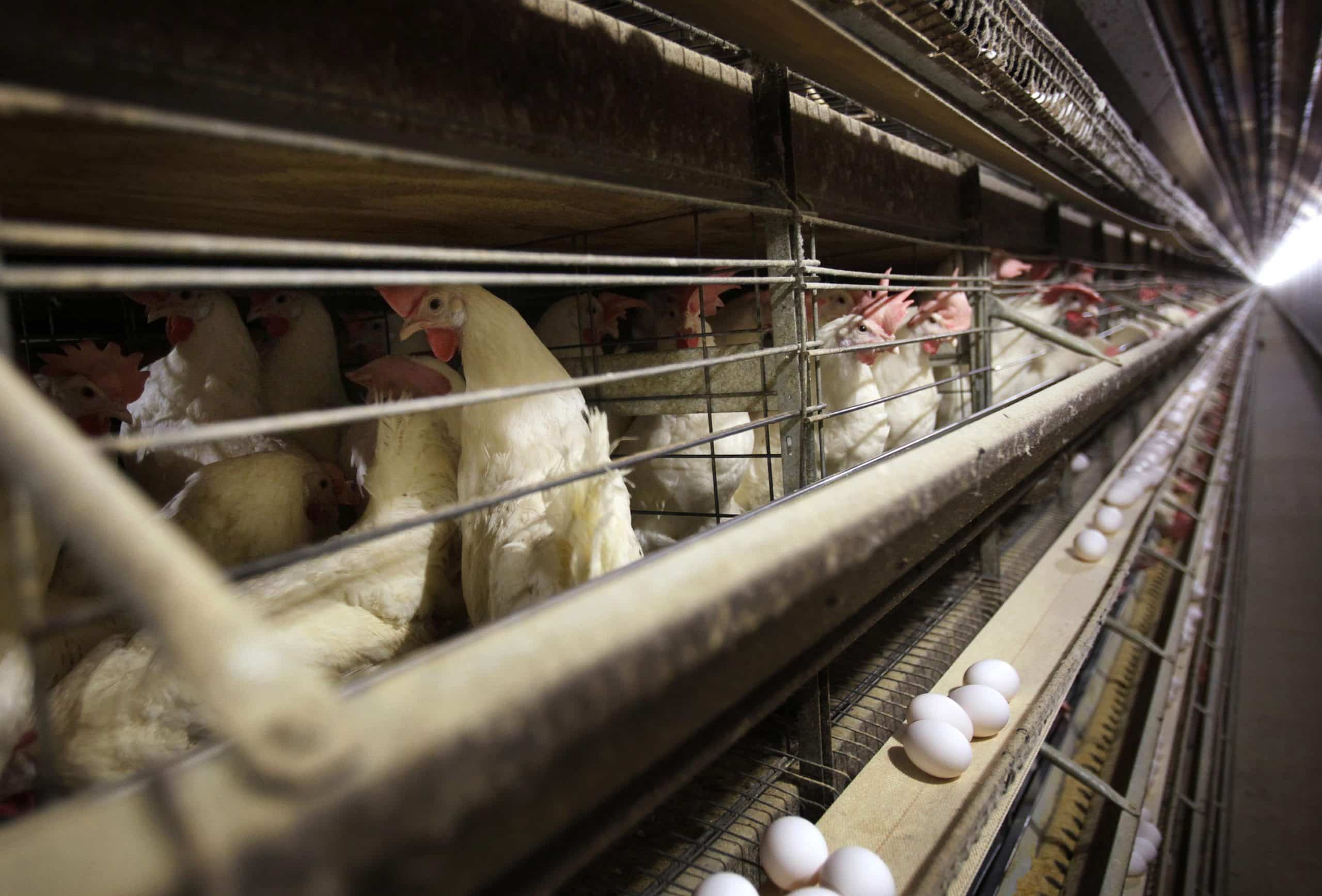
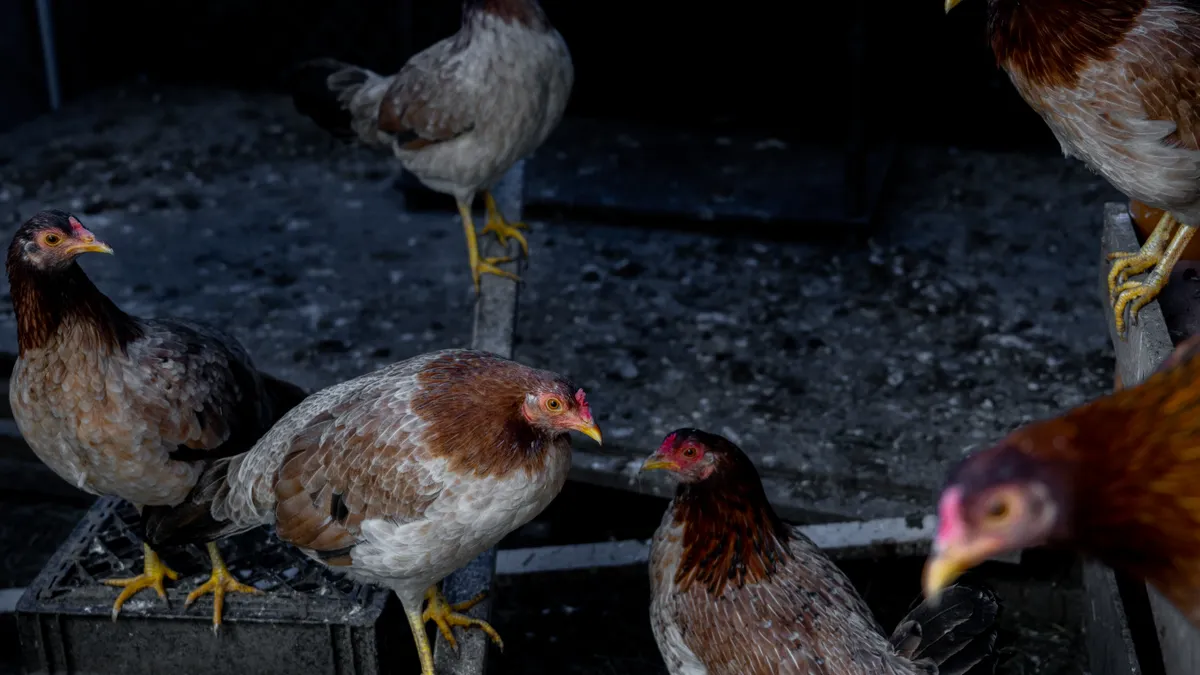
- Chickens on farms
- Domestic ducks and other poultry
Spread Patterns
Bird flu spreads mainly through contact with infected birds. Water sources and bird migration help spread the virus.
Farm birds can catch the virus from wild birds or contaminated equipment. People can also spread it unknowingly.
- Contact with infected wild birds
- Shared water and food sources
- Movement of poultry and equipment
- Bird migration routes across the state

Credit: www.theguardian.com
Symptoms In Birds And Humans
Bird flu is a disease that affects birds and can sometimes infect people. It spreads quickly among birds in Colorado. Recognizing signs early helps stop the disease.
Bird flu symptoms in humans can be serious. Knowing these symptoms helps people get care fast and stay safe.
Signs To Watch In Birds
Birds with bird flu may act sick or weak. Watch for changes in their normal behavior. Sick birds may stop eating or drinking.
- Sudden death without signs
- Swelling around the eyes, neck, or head
- Drooping wings or difficulty flying
- Loss of appetite and energy
- Labored breathing or coughing
- Diarrhea or greenish droppings
- Nasal discharge or sneezing
Human Infection Indicators
People infected with bird flu may feel sick within a few days. The illness can range from mild to severe. Early symptoms are similar to the flu.
- Fever and chills
- Cough and sore throat
- Muscle aches and tiredness
- Headache and runny nose
- Shortness of breath or difficulty breathing
- Eye redness or irritation
- In severe cases, pneumonia or lung infection
Preventive Measures For Residents
Bird flu can spread easily among birds and sometimes to people. Residents in Colorado should take steps to protect themselves and their poultry.
These simple actions help reduce the risk of infection and keep birds safe.
Protecting Backyard Poultry
Keep your backyard birds safe by limiting their exposure to wild birds. Use secure coops that prevent wild birds from entering.
Feed and water your poultry inside the coop or covered areas to avoid attracting wild birds.
- Close chicken coop doors at night
- Use wire mesh to cover openings
- Keep feed in sealed containers
- Monitor birds daily for signs of illness
Avoiding Wild Bird Contact
Wild birds can carry bird flu without showing signs. Avoid contact between wild birds and your poultry or pets.
Do not feed wild birds near your home. Remove bird feeders and birdbaths during outbreaks.
- Keep pets away from wild birds
- Do not handle sick or dead wild birds
- Report dead wild birds to local authorities
- Wear gloves if you must handle wild birds
Sanitation Practices
Good hygiene helps stop the spread of bird flu. Clean and disinfect all equipment and surfaces regularly.
Wash your hands after touching birds or their waste. Use separate tools for different bird groups.
- Disinfect feeders and waterers weekly
- Remove droppings daily
- Use bleach solution for cleaning
- Wear gloves and wash hands thoroughly
Response From Health Authorities
Bird flu cases in Colorado have raised concern among health authorities. Quick and clear actions help control the spread of the virus.
Health agencies work together to protect people and birds from the disease. They follow set plans and rules to respond fast.
State Health Department Actions
The Colorado Department of Public Health monitors bird flu outbreaks closely. They send alerts to local health offices and veterinarians.
They check bird populations and help stop the disease from spreading. Public education campaigns inform residents on how to stay safe.
- Track and test wild and domestic birds
- Work with farmers to prevent infection
- Provide health advice to the public
- Coordinate with federal agencies
Cdc Guidelines
The Centers for Disease Control give clear rules to reduce bird flu risk. They guide health workers on how to handle cases safely.
The CDC advises on protective gear, testing, and patient care. They also recommend ways to prevent bird flu in people.
- Wear gloves and masks when near sick birds
- Wash hands often with soap and water
- Report any bird flu symptoms immediately
- Limit contact with wild birds and poultry
Reporting Procedures
Health authorities need quick reports of bird flu cases. This helps them act fast to control outbreaks.
People must report sick birds or symptoms in humans to local health departments. Veterinarians also report unusual bird deaths.
- Call the Colorado Department of Public Health hotline
- Inform local veterinarians about sick birds
- Report flu-like symptoms after bird contact
- Follow instructions from health officials
Impact On Local Wildlife And Agriculture
Bird flu has affected many animals and farms in Colorado. It spreads quickly among birds. This causes problems for wildlife and farmers.
Understanding these effects helps protect nature and farm jobs. Both wildlife and agriculture face serious challenges due to the disease.
Wildlife Conservation Concerns
Bird flu harms wild birds in Colorado. Many species catch the virus and die. This lowers bird populations in the state.
Some birds are rare or protected. Losing them affects the whole ecosystem. It also makes conservation efforts harder.
- Wild birds spread the virus quickly.
- Endangered species face higher risks.
- Decreased bird numbers affect other animals.
- Efforts to save birds need more resources.
Agricultural Industry Effects
Bird flu causes big losses for farmers in Colorado. Chickens and turkeys get sick and die fast. This lowers meat and egg production.
Farmers must cull birds to stop the spread. This means killing many healthy birds too. It hurts farm income and local food supply.
- Loss of poultry affects the state’s economy.
- Farmers face higher costs for biosecurity.
- Trade restrictions limit selling products.
- Workers may lose jobs during outbreaks.
Safe Handling And Cooking Of Poultry
Bird flu is a concern in Colorado, especially with poultry. Safe handling and cooking help prevent illness.
Following simple steps keeps you and your family safe from harmful germs in poultry.
Proper Meat Preparation
Always wash your hands with soap before and after touching raw poultry. Use clean knives and cutting boards.
Keep raw poultry separate from other foods to avoid cross-contamination. Do not wash raw poultry as it spreads germs.
- Use different cutting boards for meat and vegetables
- Clean surfaces with hot, soapy water after contact
- Cook poultry to an internal temperature of 165°F (74°C)
- Check temperature with a food thermometer
Storage Tips
Store raw poultry in the refrigerator at 40°F (4°C) or below. Use it within 1-2 days or freeze it.
Keep raw poultry in sealed containers or plastic bags to stop juices from leaking. Thaw frozen poultry in the fridge.
- Do not leave poultry at room temperature for more than 2 hours
- Freeze poultry if you will not use it within 2 days
- Label packages with the date before freezing
- Use thawed poultry within 1 day
Resources For More Information
Bird flu can affect birds and sometimes people in Colorado. Knowing where to find facts helps keep you safe.
This guide shows official sites and hotlines for bird flu updates and help.
Official Websites
The best place for trusted bird flu news is official websites. They share updates, safety tips, and rules.
- Colorado Department of Public Health and Environment:Offers local bird flu info and health advice.
- United States Department of Agriculture (USDA):Shares national bird flu reports and control plans.
- Centers for Disease Control and Prevention (CDC):Provides facts on bird flu risks and prevention for people.
- World Organisation for Animal Health (WOAH):Tracks global bird flu outbreaks and animal health standards.
Hotline Contacts
If you see sick birds or want to report bird flu cases, call these hotlines. They offer help and guidance.
- Colorado Avian Influenza Hotline:Call 1-888-275-3425 for bird flu reports in Colorado.
- USDA Animal and Plant Health Inspection Service (APHIS):Phone 1-800-940-6524 to report animal diseases.
- Colorado Department of Public Health and Environment Hotline:Dial 303-692-2700 for public health questions.
- CDC Emergency Operations Center:Reach at 770-488-7100 for human health emergencies.

Credit: www.healthday.com
Credit: www.agriculturedive.com
Frequently Asked Questions
What Is Bird Flu And How Does It Spread In Colorado?
Bird flu is a contagious viral infection affecting birds. In Colorado, it spreads through contact with infected birds, their droppings, or contaminated surfaces. Migratory birds often carry the virus, increasing the risk to local poultry farms and wild bird populations.
Are Humans At Risk Of Catching Bird Flu In Colorado?
Human cases of bird flu in Colorado are extremely rare. The virus mainly affects birds and rarely jumps to humans. However, close contact with infected birds or contaminated environments can pose a small risk, so precautions are essential.
How Can Colorado Residents Protect Poultry From Bird Flu?
To protect poultry, residents should avoid contact with wild birds and maintain strict hygiene. Clean and disinfect equipment regularly. Report sick or dead birds to authorities promptly to prevent outbreaks and limit virus spread.
What Are The Symptoms Of Bird Flu In Colorado Birds?
Bird flu symptoms include sudden death, respiratory issues, swelling, and decreased egg production. Birds may show lethargy, nasal discharge, or diarrhea. Early detection helps control the spread and protect other birds.
Conclusion
Bird flu in Colorado poses health risks. This virus affects birds and people. Stay informed and take precautions. Wear masks and wash hands regularly. Keep distance from sick birds. Report any unusual bird deaths to local authorities. Awareness and care can help prevent the spread.
Communities must work together. Health agencies are monitoring the situation closely. Updates will be shared as new information becomes available. Your safety is a priority. Stay safe and stay informed.