Are you fascinated by the vibrant colors and unique behaviors of exotic birds? Breeding these beautiful creatures can be one of the most rewarding experiences you’ll ever have.
But it’s not just about keeping birds—you’ll discover how to create the perfect environment, understand their special needs, and watch new life take flight right before your eyes. If you want to unlock the secrets of exotic bird breeding and become a confident, successful breeder, this guide is made just for you.
Keep reading to learn everything you need to know to get started today!
Choosing The Right Species
Breeding exotic birds can be a rewarding hobby. Picking the right species is very important.
Each bird species has different needs and traits. Knowing these helps you make a good choice.
Popular Exotic Birds For Breeding
Many exotic birds are popular for breeding. Some are easier to care for than others.
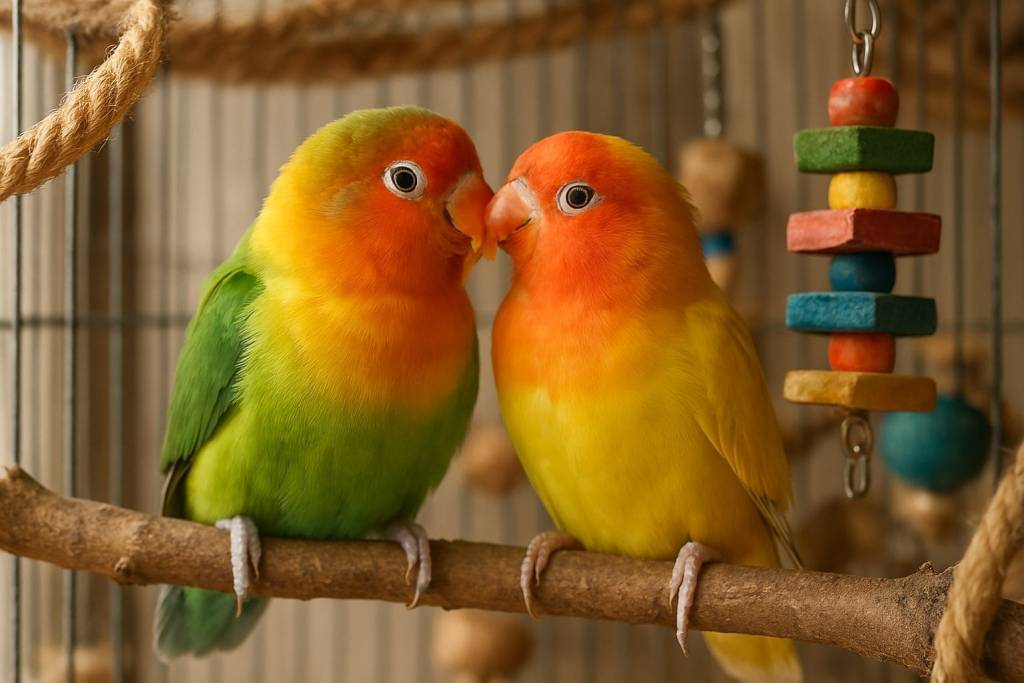
- Lovebirds: Small, colorful, and social birds.
- Macaws: Large, loud, and intelligent birds.
- Canaries: Known for their beautiful singing.
- Budgerigars: Small parrots that are easy to breed.
- Finches: Active birds that live well in groups.
Factors To Consider Before Selection
Think about space, time, and budget before choosing a species. Some birds need more care.
Also consider the bird’s diet, lifespan, and social needs. These affect your daily routine.
- Space: Larger birds need bigger cages or aviaries.
- Care: Some birds need more daily attention.
- Diet: Special foods may be required for some species.
- Noise: Some birds are noisy and may disturb neighbors.
- Legal rules: Check laws about owning exotic birds.

Credit: finmodelslab.com
Setting Up The Breeding Environment
Creating a proper environment is important for breeding exotic birds. Birds need comfort and safety to breed well.
Good preparation helps birds feel calm. It also supports healthy eggs and chicks.
Optimal Cage Design
The cage should be spacious to allow birds to move freely. It must be strong and safe from predators.
Use materials that are easy to clean and do not harm the birds. Make sure the cage has good air flow.
- Size: Large enough for flying and exercise
- Material: Non-toxic and durable
- Security: Locked doors and safe locks
- Ventilation: Proper airflow without drafts
Temperature And Lighting Needs
Maintain a warm and stable temperature in the breeding area. Avoid sudden changes that can stress birds.
Provide natural light or full-spectrum lighting. Birds need about 12 hours of light each day for good health.
- Ideal temperature: 75-85°F (24-29°C)
- Consistent temperature without drafts
- 12 hours of light daily
- Use timers for lighting control
Nesting Materials And Placement
Choose soft and clean materials for the nest. Birds need a comfortable and safe place to lay eggs.
Place nests in quiet, hidden spots inside the cage. Keep nests away from direct sunlight and drafts.
- Use shredded paper, coconut fiber, or soft wood shavings
- Ensure nest boxes are the right size
- Place nests high or in corners for privacy
- Clean nests regularly to prevent disease
Diet And Nutrition
Proper diet and nutrition are key for breeding exotic birds. Good food helps birds stay healthy and produce strong offspring.
Breeding birds need more energy and nutrients than usual. Providing the right diet supports their growth and egg development.
Essential Nutrients For Breeding Birds
Breeding birds require proteins, vitamins, and minerals for healthy eggs and chicks. Protein helps build strong muscles and feathers.
Calcium is important for strong eggshells. Vitamin A supports the immune system and vision. Fatty acids aid in energy and brain development.
- Proteins from seeds, insects, or pellets
- Calcium from cuttlebone or mineral blocks
- Vitamins A, D, and E from fresh fruits and vegetables
- Essential fatty acids from nuts and seeds
Supplements And Treats
Supplements help fill nutrition gaps during breeding. They boost bird health and egg quality.
Treats can motivate birds and add variety. Use them carefully to avoid overfeeding.
- Calcium supplements like powdered oyster shell
- Vitamin supplements for immune support
- Fresh fruits like apples and berries as treats
- Mealworms or crickets for extra protein
Feeding Schedules
Regular feeding times help birds stay healthy during breeding. Consistency reduces stress and supports digestion.
Feed breeding birds more often than usual. Increase food amounts to meet their higher energy needs.
| Time | Type of Food |
|---|---|
| Morning | Pellets or seeds with fresh water |
| Midday | Fresh fruits and vegetables |
| Evening | Protein treats like mealworms |
Breeding Behavior And Pairing
Breeding exotic birds needs careful attention to their behavior. Understanding their pairing habits helps successful breeding.
Each species shows unique signs when ready to mate. Observing these signs improves chances of healthy offspring.
Signs Of Mating Readiness
Birds ready to mate show clear signs. These include increased singing and courtship displays.
They may also build or prepare nests and show more interest in their partner.
- Frequent vocal calls and songs
- Preening and feeding each other
- Nest building or gathering materials
- Increased activity and alertness
Introducing And Monitoring Pairs
Introduce birds slowly to avoid stress. Use separate cages near each other first.
Watch their behavior closely for signs of acceptance or aggression. Positive signs include mutual preening.
- Place cages side by side for several days
- Observe body language and sounds
- Look for calm and gentle interactions
- Separate pairs if aggressive behavior occurs
Managing Aggression And Compatibility
Aggression can harm birds and reduce breeding success. Identify signs early to manage problems.
Some pairs are naturally incompatible. Provide separate spaces and try new pairings if needed.
- Watch for biting, chasing, or loud squawking
- Give birds space to reduce tension
- Remove aggressive birds quickly
- Try different pairings for better matches
Egg Care And Incubation
Breeding exotic birds requires special care for their eggs. Proper egg care helps the eggs develop well.
Incubation is the process of keeping eggs warm until they hatch. It can be natural or artificial.
Natural Vs Artificial Incubation
Natural incubation happens when the mother bird sits on the eggs. She keeps them warm and safe.
Artificial incubation uses machines called incubators. These keep eggs at the right temperature and humidity.
- Natural incubation needs a calm environment and a healthy bird.
- Artificial incubation allows more control over conditions.
- Natural care includes turning eggs by the bird.
- Artificial incubators must turn eggs manually or automatically.
Incubation Periods And Conditions
Incubation time varies by bird species. Most exotic birds take 18 to 30 days to hatch.
Temperature and humidity must be steady during incubation. Wrong conditions can harm the eggs.
| Bird Species | Incubation Period (Days) | Temperature (°F) | Humidity (%) |
|---|---|---|---|
| Macaw | 24-28 | 99-101 | 50-60 |
| Lovebird | 22-24 | 99-100 | 55-60 |
| Cockatoo | 28-30 | 98-100 | 50-55 |
Handling And Monitoring Eggs
Handle eggs gently to avoid damage. Wash hands before touching eggs to keep them clean.
Turn eggs regularly to prevent the embryo from sticking to the shell. Mark eggs to track turning.
- Check eggs daily for cracks or damage.
- Use candling to see embryo growth inside eggs.
- Keep a stable temperature and humidity in the incubator.
- Remove any eggs that show no development.

Credit: birdsnways.com
Raising Chicks
Raising exotic bird chicks takes care and patience. These young birds need a warm and safe space.
Proper care helps chicks grow strong and healthy. Knowing how to feed, watch health, and socialize is key.
Feeding Newborns
Newborn chicks need frequent feeding to get enough nutrients. Use food made for their species.
Feed chicks with a syringe or spoon carefully. Avoid overfeeding to prevent choking or illness.
- Feed every 2 to 3 hours during the day
- Keep food warm, not hot
- Clean feeding tools after each use
- Offer water once chicks open their eyes
Health Monitoring
Watch chicks daily for signs of sickness. Healthy chicks are active and alert with clear eyes.
Check for changes in droppings, breathing, or appetite. Early care helps prevent serious problems.
- Keep the brooder clean and dry
- Maintain a stable temperature
- Isolate sick chicks to stop spread
- Consult a vet if you see unusual signs
Weaning And Socialization
Weaning starts when chicks can eat solid food. Gradually reduce hand feeding to encourage independence.
Socialize chicks by handling them gently. This helps them trust humans and other birds.
- Introduce fresh fruits and seeds slowly
- Provide toys and perches for play
- Spend time holding and talking to chicks
- Encourage interaction with other birds safely
Health And Disease Prevention
Breeding exotic birds requires careful attention to their health. Keeping birds healthy helps prevent diseases.
Good care and hygiene reduce risks of infections. Understanding health needs protects your birds.
Common Illnesses In Exotic Birds
Exotic birds can get many illnesses. Some common diseases include respiratory infections and feather mites.
Watch for signs like sneezing, lethargy, or changes in eating habits. Early detection helps treatment.
- Psittacosis (parrot fever)
- Aspergillosis (fungal infection)
- Avian influenza
- Feather plucking
- Vitamin deficiencies
Vaccination And Parasite Control
Vaccines protect birds from some serious diseases. Talk to a vet about which vaccines are needed.
Parasites like mites and worms harm bird health. Use safe treatments to control parasites regularly.
- Check birds often for signs of parasites
- Use vet-recommended vaccines and medicines
- Keep new birds quarantined before joining others
- Follow a parasite control schedule
Maintaining Cleanliness
Clean cages and feeding areas help stop germs and diseases. Clean daily to keep birds safe.
Remove waste and old food every day. Wash water and food containers with hot water.
- Disinfect cages weekly with bird-safe cleaners
- Provide fresh water daily
- Keep bird rooms well-ventilated
- Clean toys and perches regularly

Credit: www.youtube.com
Legal And Ethical Considerations
Breeding exotic birds needs careful thought about laws and ethics. Breeders must follow rules to keep birds safe and healthy.
Understanding legal and ethical parts helps protect birds and supports good breeding practices.
Permits And Regulations
Many places require permits to breed exotic birds. These rules control what species can be bred and how to care for them.
Following these laws helps prevent illegal trade and protects wild bird populations.
- Check local and national wildlife laws
- Apply for necessary breeding permits
- Keep records of bird species and breeding details
- Report to authorities if needed
Ethical Breeding Practices
Ethical breeding means caring for birds’ health and well-being. Breeders should avoid inbreeding and keep birds in good conditions.
Breeding should focus on strong, healthy birds with good temperaments. Avoid breeding birds with diseases or defects.
- Provide clean and safe living spaces
- Feed birds a balanced diet
- Monitor bird health regularly
- Use humane methods during breeding
Conservation And Sustainability
Breeding exotic birds can help conserve species at risk. Breeders should support efforts to protect wild populations.
Sustainable breeding means keeping bird numbers balanced and not harming natural habitats.
- Work with conservation groups
- Breed only species that are not endangered
- Educate others about protecting wild birds
- Release birds responsibly if needed
Troubleshooting Common Issues
Breeding exotic birds can be challenging. Many breeders face common problems that affect success.
Understanding these issues helps improve breeding results and bird health.
Low Fertility And Hatch Rates
Low fertility and hatch rates can happen for many reasons. Poor nutrition or age may reduce fertility.
Eggs may not hatch if incubator settings are wrong or parents disturb the nest.
- Check bird diet for enough vitamins and minerals
- Keep incubator temperature steady at recommended levels
- Limit handling of eggs to avoid damage
- Ensure breeding birds are healthy and mature
Behavioral Problems
Birds may show aggression or reject mates. Stress and poor environment cause these issues.
Behavior problems reduce breeding success and can harm birds.
- Provide enough space for each bird
- Introduce mates slowly and carefully
- Watch for signs of bullying or stress
- Keep a quiet and calm breeding area
Environmental Stressors
Stress from noise, light, or temperature changes affects bird health. Stress lowers breeding chances.
Proper environment keeps birds calm and ready to breed.
- Maintain stable temperature and humidity
- Reduce loud noises near the birds
- Use natural light cycles or timers for lighting
- Keep the area clean and free from pests
Resources And Support
Breeding exotic birds needs knowledge and care. Good resources help breeders succeed.
Support from experts and communities guides you through challenges. Use reliable information.
Breeding Communities And Forums
Online communities connect breeders worldwide. You can ask questions and share stories.
Forums often have sections for specific bird species. This helps find precise advice.
- Exchange tips on feeding and nesting
- Share photos and breeding results
- Learn from experienced breeders
- Find local breeder contacts
Recommended Books And Guides
Books provide detailed information on bird care and breeding. They cover health, diet, and habitat.
Guides offer step-by-step instructions. They help beginners avoid common mistakes.
- Species-specific care manuals
- Breeding and incubation guides
- Bird health and nutrition books
- Behavior and training handbooks
Professional Veterinary Assistance
Veterinarians help keep birds healthy during breeding. They diagnose and treat illnesses.
Regular health checks reduce risks. Experts advise on vaccinations and parasite control.
- Health screenings before breeding
- Treatment of infections and injuries
- Nutrition and diet consultations
- Emergency care during breeding season
Frequently Asked Questions
What Is Exotic Bird Breeding?
Exotic bird breeding involves the intentional mating of non-native bird species. This practice aims to preserve endangered species, enhance genetic diversity, and provide birds for the pet trade. Breeders must ensure proper care, suitable habitat, and adherence to legal regulations.
Knowledge of bird behavior and genetics is essential for successful breeding.
Why Is Exotic Bird Breeding Important?
Exotic bird breeding helps conserve endangered species and maintains biodiversity. It also supports the pet trade, providing enthusiasts with healthy, well-bred birds. Breeders play a crucial role in educating the public about the importance of bird conservation and responsible pet ownership.
How To Start Exotic Bird Breeding?
To start exotic bird breeding, research is crucial. Learn about specific species, their care requirements, and legal regulations. Set up a suitable habitat with necessary equipment. Connect with experienced breeders for guidance and mentorship. Ensure you have the time and resources for proper care and maintenance.
What Are The Challenges In Exotic Bird Breeding?
Exotic bird breeding presents several challenges, including understanding complex genetics and ensuring proper care. Breeders face legal restrictions and must adhere to ethical standards. Providing appropriate habitats and managing breeding pairs’ behavior requires knowledge and experience. Overcoming these challenges is crucial for successful breeding.
Conclusion
Breeding exotic birds takes patience and care. Each species has its own needs and habits. Knowing their diet, environment, and behavior helps them thrive. Breeders should keep learning and observe closely. Healthy birds need clean spaces and proper nutrition. Watching them grow brings joy and satisfaction.
This hobby connects you with nature in a special way. With time, you can build a strong bond with your birds. Enjoy the process and respect the animals always.