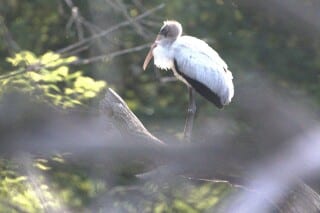
Have you ever dreamed of spotting a rare bird that few others have seen? If you’re in Wisconsin, your chance is closer than you think.
The Wisconsin Rare Bird Alert is your secret weapon to discovering these amazing creatures. Imagine getting timely updates about unusual bird sightings right in your backyard. This isn’t just for expert birdwatchers—it’s for you, whether you’re a beginner or a seasoned enthusiast.
Keep reading to find out how you can use this alert to transform your birdwatching experience and make every outing unforgettable.

Credit: www.aba.org
Wisconsin Birding Hotspots
Wisconsin offers many great places to see rare birds. Bird watchers visit these spots to spot unusual species.
The Wisconsin Rare Bird Alert helps birders find the best locations. It shares recent rare bird sightings across the state.
Top Locations For Rare Sightings
Some places in Wisconsin are famous for rare bird sightings. These locations attract birds that are hard to find elsewhere.
Birders often visit these top spots hoping to see unusual species. The Wisconsin Rare Bird Alert often reports sightings here.
- Horicon Marsh – Known for waterfowl and cranes
- White River Marsh – Great for shorebirds and raptors
- Green Bay – Spot rare gulls and terns
- Lake Michigan shore – Watch for migrating warblers and loons
- Chequamegon Bay – Home to rare owls and woodpeckers
Seasonal Birding Areas
Birds move through Wisconsin in different seasons. Some places are best during spring or fall migrations.
Seasonal areas offer chances to see birds that only visit for short times. Pay attention to the Rare Bird Alert for updates.
- Spring: Horicon Marsh for migrating waterfowl
- Summer: Apostle Islands for nesting seabirds
- Fall: Lake Winnebago for raptors and shorebirds
- Winter: Kewaunee County for overwintering gulls
Hidden Gems For Birdwatchers
Some quiet spots in Wisconsin hold rare birds too. These hidden gems have fewer visitors but great sightings.
Exploring these lesser-known places can lead to exciting discoveries. Birders often find special birds off the beaten path.
- Governor Dodge State Park – Good for woodland birds
- Black River State Forest – Spot rare woodpeckers and warblers
- Sandhill Wildlife Area – Watch for cranes and sparrows
- Perrot State Park – Great for river birds and hawks
Rare Bird Species In Wisconsin
Wisconsin is home to many rare bird species. Bird watchers often visit to see these unique birds.
The Wisconsin Rare Bird Alert helps people find and report rare birds. This keeps the birding community informed.
Commonly Spotted Elusive Birds
Some birds are hard to see but show up often in Wisconsin. These birds hide well and live in special places.
Bird watchers enjoy spotting these elusive species because they are rare and special.
- Spruce Grouse
- Black-backed Woodpecker
- American Three-toed Woodpecker
- Swainson’s Thrush
- Yellow Rail
Migratory Visitors
Many rare birds come to Wisconsin during migration. They travel long distances to rest and feed.
These visitors add excitement to bird watching in different seasons.
- Snowy Owl
- Snow Goose
- Red Knot
- Pectoral Sandpiper
- Black Tern
Endangered And Protected Species
Some rare birds in Wisconsin are endangered or protected by law. People work to keep their homes safe.
Protecting these birds helps nature stay balanced and beautiful.
- Bald Eagle
- Whooping Crane
- Piping Plover
- Karner Blue Butterfly (important for habitat)
- Kirtland’s Warbler
Tips For Spotting Rare Birds
Spotting rare birds in Wisconsin can be exciting and rewarding. Knowing where and when to look helps improve your chances.
Understanding bird behavior and having the right tools makes the experience more enjoyable. Here are some tips to help you.
Best Times To Watch
Early mornings are the best time to spot rare birds. Birds are more active before the heat of the day.
Spring and fall migration seasons bring many rare species through Wisconsin. These periods are prime for birdwatching.
- Dawn and early morning hours
- Spring migration (March to May)
- Fall migration (September to November)
- Calm and clear weather days
Essential Gear And Tools
Using the right gear helps you find and identify rare birds. Binoculars and field guides are must-haves.
Having a notebook or app to record sightings helps track rare birds. Dress in quiet, neutral colors to avoid scaring them away.
- Good quality binoculars
- Field guide or bird ID app
- Notebook or birdwatching journal
- Comfortable, quiet clothing
- Camera with zoom lens (optional)
Behavioral Patterns To Note
Watch for feeding habits and flight patterns. Rare birds often behave differently from common ones.
Listen for unique bird calls and songs. Noticing these sounds can help locate rare species nearby.
- Look for unusual feeding spots
- Observe flight style and speed
- Pay attention to bird calls and songs
- Notice how birds interact with others

Credit: www.wisn.com
Using The Wisconsin Rare Bird Alert
The Wisconsin Rare Bird Alert shares news about unusual bird sightings. It helps bird watchers find rare birds in the state.
Knowing how to use this alert can improve your bird watching experience. It keeps you informed about rare bird locations and details.
How To Access Alerts
You can get Wisconsin Rare Bird Alerts in several ways. The main source is the official website, updated often.
Other ways include email lists and social media groups. Many bird watchers join these to stay current.
- Visit the Wisconsin Rare Bird Alert website
- Subscribe to email alerts for updates
- Follow bird watching groups on social media
- Use birding apps that include alert feeds
Interpreting Alert Information
Alerts show the bird species, location, and time seen. They give details about the bird’s behavior or appearance.
Look for key facts like the date and place of the sighting. This helps you know if the bird might still be nearby.
- Species name and description
- Date and time of the sighting
- Exact or general location
- Notes on bird behavior or condition
Contributing Sightings
You can help by reporting your rare bird sightings. This supports the birding community with fresh information.
Send your sighting details to the alert team. Include clear information about the bird and where you saw it.
- Identify the bird species correctly
- Note the location and date
- Describe the bird’s behavior or condition
- Provide contact info for questions
Ethics And Conservation
Wisconsin Rare Bird Alert helps bird watchers find rare birds safely. It is important to protect these birds and their homes. Following ethical rules keeps birds safe.
Conservation means saving birds and nature for the future. Everyone can help by acting with care and respect.
Respecting Bird Habitats
Birds need safe places to live, feed, and raise young. Staying on trails keeps habitats undamaged. Avoid picking plants or disturbing nests.
Protecting habitats helps birds survive and thrive. Watch birds quietly from a distance to avoid harm.
Minimizing Disturbance
Keep noise low near birds. Loud sounds scare birds and may stop them from feeding or nesting. Use binoculars or cameras with zoom to observe without getting too close.
Do not chase or touch birds. Let birds behave naturally without stress. Respect rules about protected areas and species.
- Stay 50 feet away from nests
- Avoid sudden movements
- Turn off flash photography
- Follow local guidelines
Supporting Conservation Efforts
You can help protect rare birds by joining local groups. Volunteer to clean bird habitats or help with bird counts. Your work helps scientists learn more.
Donate to organizations that protect birds and their homes. Share knowledge about birds and respect for nature with others.
- Volunteer for habitat restoration
- Report rare bird sightings carefully
- Support bird-friendly laws
- Educate friends and family
Community And Resources
The Wisconsin Rare Bird Alert connects bird watchers across the state. It helps people share sightings of rare birds.
Bird watchers use many resources to learn and enjoy birding. The community is friendly and eager to help.
Local Birding Groups
Local birding groups meet regularly to watch birds together. They offer chances to learn from experienced birders.
Groups often organize field trips and talks. Joining them helps you find rare birds and make friends.
- Milwaukee Audubon Society
- Madison Audubon Society
- Northwoods Bird Club
- Fox Valley Bird Club
Online Forums And Apps
Online forums let bird watchers share photos and reports quickly. They are good places to ask questions.
Apps help track bird sightings on the go. They show maps and let users log rare bird alerts fast.
- Wisconsin Rare Bird Alert Email List
- eBird - track and submit sightings
- BirdForum - discussion boards
- iNaturalist - record nature observations
Recommended Reading And Guides
Reading bird guides helps identify species. Books and field guides often include photos and range maps.
Wisconsin birders benefit from local guides. They explain habitat and seasons for rare birds.
- The Birds of Wisconsin by Stan Tekiela
- Sibley Guide to Birds by David Allen Sibley
- Wisconsin Breeding Bird Atlas
- National Geographic Field Guide to the Birds of North America

Credit: www.aba.org
Frequently Asked Questions
What Is The Wisconsin Rare Bird Alert?
The Wisconsin Rare Bird Alert is a resource for birdwatchers. It provides updates on uncommon bird sightings in Wisconsin. This alert helps enthusiasts track and observe rare species. Birders can stay informed about exciting avian discoveries. It's a valuable tool for the birdwatching community.
How Often Is The Rare Bird Alert Updated?
The Wisconsin Rare Bird Alert is frequently updated. It often provides daily reports on new sightings. Timely updates ensure birdwatchers don't miss any rare opportunities. Enthusiasts can plan outings based on the latest information. This frequent updating makes it a reliable resource.
Where Can I Find The Rare Bird Alert?
You can find the Wisconsin Rare Bird Alert online. It's available on birdwatching websites and forums. Many birding organizations also publish it. Social media groups may share alert updates too. Accessing the alert is easy and convenient for bird enthusiasts.
Why Is The Rare Bird Alert Important?
The Rare Bird Alert is crucial for birdwatchers. It helps them spot rare species they might miss otherwise. It promotes conservation awareness and engagement. Birdwatchers can contribute to data collection and research. The alert fosters a strong birdwatching community in Wisconsin.
Conclusion
Wisconsin’s rare birds bring excitement to bird watchers everywhere. These special sightings make every trip unique and fun. Stay updated with alerts to catch these amazing birds. Share your experiences and help others spot rare species too. Nature offers surprises for those who watch closely.
Keep exploring and enjoy the beauty of Wisconsin’s wild birds. Each alert is a chance to see something new. Don’t miss out on these rare bird moments. Happy birding!