Have you ever wondered what happened to the birds that once filled the skies but are now gone forever? Extinct birds hold stories that can surprise and even shock you.
These lost species can teach you important lessons about nature, survival, and the impact we have on the world around us. As you read on, you’ll discover fascinating facts that might change the way you see the birds outside your window—and why it’s crucial to protect those still flying today.
Keep reading, because what you learn here could inspire you to make a difference.
Famous Extinct Birds
Many bird species have disappeared forever. Some became symbols of extinction.
This article tells the story of three famous extinct birds. They show how humans affect nature.
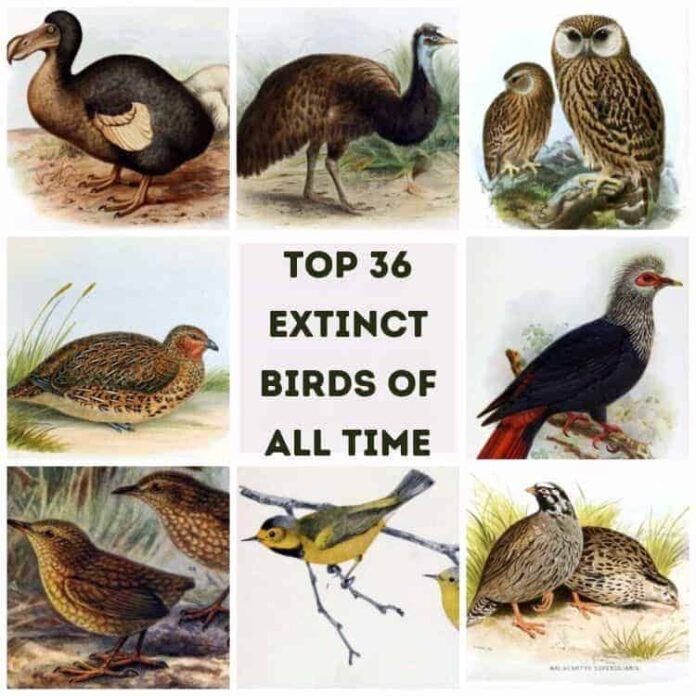
Dodo: The Icon Of Extinction
The dodo lived only on Mauritius Island. It was a large, flightless bird.
Humans and introduced animals hunted the dodo. It became extinct in the late 1600s.
Passenger Pigeon: From Billions To None
Passenger pigeons once filled the skies of North America. They numbered in the billions.
Hunting and habitat loss caused their rapid decline. The last one died in 1914.
Great Auk: The Flightless Seabird
The great auk was a large seabird. It could not fly but swam very well.
People hunted it for feathers and meat. The last known pair died in 1844.

Credit: medium.com
Causes Of Bird Extinction
Many birds have disappeared from the earth. This happened because of different causes. Understanding these causes helps us protect birds today.
Bird extinction affects nature and the balance of ecosystems. It is important to learn what harms birds most.
Habitat Destruction
Birds lose their homes when forests and wetlands are destroyed. Building cities and farms takes away places where birds live.
Without safe habitats, birds cannot find food or nest safely. Many species disappear because they have no place to live.
- Cutting down trees removes nesting sites
- Draining wetlands destroys feeding grounds
- Pollution makes habitats unsafe
Invasive Species
Invasive animals and plants harm native birds. These new species often eat bird eggs or compete for food.
Birds may also get sick from diseases brought by invasive species. This weakens their chances to survive and breed.
- Predators like rats and cats eat eggs and chicks
- Non-native plants change the food sources
- New diseases reduce bird populations
Overhunting
People hunted many birds for food, feathers, or sport. Overhunting made some bird numbers drop quickly.
Slow-breeding birds are more at risk because they cannot replace lost individuals fast enough.
- Hunting reduces adult bird numbers
- Collecting eggs stops new birds from hatching
- Some birds are hunted for their feathers
Climate Change Impact
Climate change changes weather and seasons. Birds struggle to find food and safe places as the climate shifts.
Some birds cannot move to new areas fast enough. This makes survival very hard for many species.
- Warmer temperatures affect bird migration
- Changes in rainfall alter plant and insect food
- Extreme weather destroys nests and habitats
Efforts In Rediscovery
Extinct birds once roamed many parts of the world. Scientists and researchers try to learn more about them. They use different ways to find clues and information.
These efforts help us understand extinct birds better. They also guide future conservation work for living species.
Uncovering Fossil Records
Fossils are remains of birds that lived long ago. Finding fossils helps scientists see how birds looked and lived. Fossils can show bones, feathers, and even eggs.
Studying these fossils helps researchers learn about bird evolution. It also shows why some birds went extinct.
Dna Analysis And Genetic Studies
DNA from old bird remains gives clues about their identity. Scientists extract DNA from bones or feathers found in fossils. This helps compare extinct birds to living ones.
Genetic studies reveal relationships between species. They also help find out if some birds thought extinct might still exist in hidden groups.
Searching Remote Habitats
Some birds live in hard-to-reach places. Researchers explore islands, forests, and mountains to find signs of extinct birds. They look for nests, feathers, or bird calls.
These searches sometimes lead to rediscovering birds thought to be lost. Remote habitats can protect rare species from humans and predators.
De-extinction Possibilities
Many birds have become extinct over time. Scientists study ways to bring them back. This process is called de-extinction. It uses new technology and science.
De-extinction could help restore lost species. It also raises many questions about safety and nature. Let’s explore some key ideas.
Cloning And Genetic Engineering
Cloning copies an animal’s DNA to make a new one. Genetic engineering changes genes to fix or add traits. Both can help bring back extinct birds.
Scientists use DNA from preserved bird remains. They try to create embryos that can grow into birds. This work is still difficult but shows promise.
Ethical Considerations
De-extinction raises many ethical questions. Is it right to bring back animals that died naturally? Some worry about animal welfare.
People also ask if resources should focus on saving existing species. There are concerns about playing with nature in new ways.
- Is it fair to the animals involved?
- Should we focus on current endangered species?
- What rules should guide de-extinction work?
Potential Ecological Effects
Bringing back extinct birds could change ecosystems. These birds might affect plants and animals in new ways. Scientists study these possible effects.
Some risks include competition with other species and spreading diseases. Careful planning is needed to avoid harm to nature.
- Impact on existing animal populations
- Changes in plant growth and seed spread
- Possible new diseases or parasites
- Effects on food chains and habitats
Lessons From Lost Birds
Many bird species have disappeared forever. These losses teach us about nature and care.
By studying extinct birds, we learn how to protect others from the same fate.
Conservation Strategies
Protecting habitats is key to saving bird species. We must stop destroying forests and wetlands.
Captive breeding helps increase numbers of rare birds. Releasing them into safe areas supports wild populations.
- Preserve natural homes for birds
- Control invasive species that harm birds
- Use breeding programs to rebuild populations
Raising Public Awareness
People must understand why birds matter. Education can inspire care and action.
Sharing stories of lost birds helps people see the value of wildlife. Schools and media play big roles.
- Teach about birds in classrooms
- Use social media to spread facts
- Host events to celebrate bird life
Protecting Endangered Species
Endangered birds need legal protection to survive. Laws can stop hunting and habitat loss.
Scientists track bird numbers to find risks early. Quick action can save species from extinction.
- Enforce laws against poaching
- Protect key bird habitats
- Monitor bird populations regularly
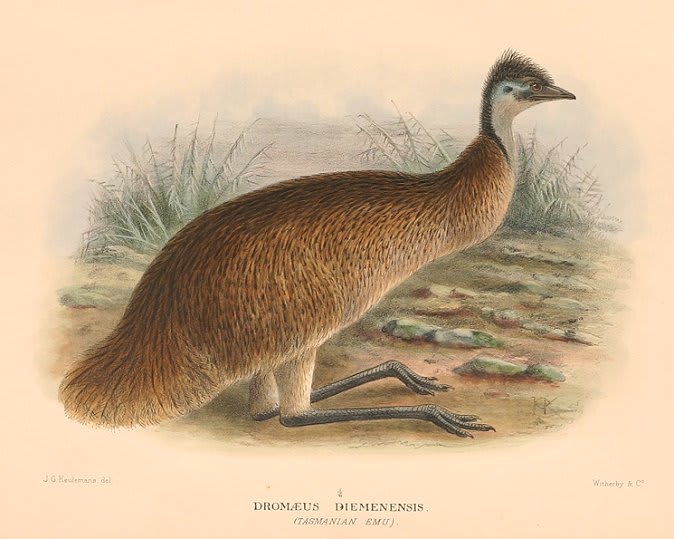
Credit: owlcation.com

Credit: en.wikisource.org
Frequently Asked Questions
What Caused The Extinction Of Many Bird Species?
Habitat loss, hunting, invasive species, and climate change are main causes. Human activities accelerated these effects, leading to many bird extinctions.
Which Birds Are Extinct In Recent History?
The dodo, passenger pigeon, and great auk are notable recent extinctions. These species disappeared mainly due to human impact and environmental changes.
Can Extinct Birds Be Brought Back To Life?
Currently, de-extinction is experimental and uncertain. Scientists explore cloning, but challenges remain. Conservation focuses more on protecting endangered birds.
How Does Bird Extinction Affect Ecosystems?
Bird extinction disrupts pollination, seed dispersal, and pest control. This imbalance harms ecosystem health, biodiversity, and natural processes.
Conclusion
Extinct birds teach us about nature’s delicate balance. Their loss shows how human actions impact wildlife. Protecting animals today helps prevent future extinctions. We can learn from the past and change our ways. Every small effort counts in saving species.
Let’s respect and care for the world’s birds. Together, we can make a difference.