Have you ever dreamed of spotting a rare bird in the heart of New York? Imagine the thrill of witnessing a feathered wonder few people get to see.
Whether you’re an avid birdwatcher or just curious about the unexpected, this Rare Bird Alert for New York will keep you on the edge of your seat. You’ll discover where to find these elusive birds, how to spot them, and why this moment could be one you’ll remember forever.
Ready to uncover the secrets of New York’s rarest winged visitors? Keep reading—you won’t want to miss a single detail.
Rare Birds In New York
New York is home to many rare birds that attract bird watchers. These birds are special because they do not appear often in the area.
People watch for these rare birds to learn more about them and enjoy their beauty. The state offers many habitats where rare birds can be found.
Species To Watch For
Some rare bird species in New York include the Kirtland’s Warbler, Red-headed Woodpecker, and the Yellow-billed Cuckoo. These birds are unique and hard to spot.
Bird watchers often seek these species because they are not common. Seeing one of these birds is a special experience.
- Kirtland’s Warbler
- Red-headed Woodpecker
- Yellow-billed Cuckoo
- Ivory Gull
- Piping Plover
Seasonal Appearances
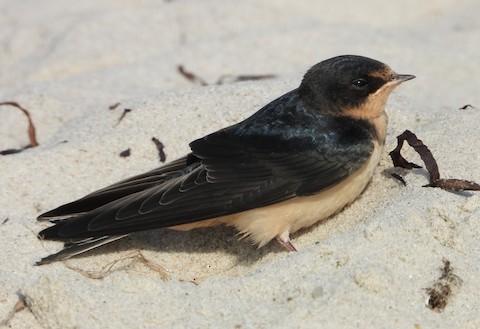
Rare birds in New York appear at different times of the year. Some visit during spring migration, while others come in the fall.
Winter can bring unusual birds from the north. Watching the seasons helps bird watchers know when to look for rare species.
- Spring: Warblers and songbirds arrive
- Summer: Breeding season for many rare species
- Fall: Migrating birds pass through the state
- Winter: Northern birds may visit southern parts
Credit: ebird.org
Top Locations For Birdwatching
New York offers many great spots for birdwatching. You can see many rare and common birds here.
Birdwatchers enjoy visiting parks, wetlands, and city areas. Each place has its own unique birds.
Central Park Hotspots
Central Park is a famous birdwatching spot in New York City. It has many habitats like woods, fields, and water.
Some good areas are the Ramble, Turtle Pond, and the North Woods. These spots attract many bird species.
- The Ramble is great for warblers and woodpeckers.
- Turtle Pond often has ducks and herons.
- North Woods offers chances to see owls and thrushes.
Coastal And Wetland Areas
Coastal and wetland areas near New York are rich in birdlife. These spots attract waterfowl and shorebirds.
Places like Jamaica Bay Wildlife Refuge and the Staten Island Greenbelt are popular. They provide homes for many rare birds.
- Jamaica Bay has salt marshes with herons and egrets.
- Staten Island Greenbelt offers forests and ponds for various species.
- Hudson River Park has views of water birds and raptors.
Urban Birding Sites
Birds live even in busy city areas. Urban parks and rooftops can be good places to watch them.
Sites like the High Line, Prospect Park, and Brooklyn Botanic Garden have many bird species. City birding is unique and rewarding.
- The High Line attracts songbirds and sparrows.
- Prospect Park is home to hawks and finches.
- Brooklyn Botanic Garden offers colorful birds and feeders.
Tips For Spotting Rare Birds
Spotting rare birds in New York can be exciting. It takes patience and the right knowledge to find them.
Using some simple tips will help you see these special birds more often and enjoy birdwatching.
Best Times To Visit
The best times to spot rare birds are early morning and late afternoon. Birds are most active then.
Season matters too. Spring and fall migration bring many rare birds to New York.
- Visit at dawn or dusk for more bird activity
- Spring migration: April to June
- Fall migration: August to October
- Check local Rare Bird Alerts for recent sightings
Essential Gear And Tools
Good gear helps you see and identify rare birds more easily. Bring binoculars and a field guide.
A notebook to record sightings is useful. Wear comfortable clothes and bring water for long walks.
- Binoculars with good magnification
- Bird field guide or app
- Notebook and pen for notes
- Comfortable shoes and weather-appropriate clothes
- Water and snacks for longer trips
Using Bird Calls And Apps
Bird calls help attract some species. Play calls softly and watch for responses.
Apps show recent rare bird reports and help identify birds by sound and sight.
- Use bird call apps to learn sounds
- Play calls gently to avoid disturbing birds
- Download apps with real-time rare bird alerts
- Use apps to identify birds by photo or sound
Birdwatching Etiquette
Birdwatching is a fun way to enjoy nature and learn about birds. Following good etiquette helps protect birds and their homes.
Being respectful and careful makes birdwatching better for everyone. It keeps birds safe and happy in their environment.
Respecting Wildlife
Always keep a safe distance from birds. Do not touch or try to catch them. Use binoculars or a camera to see them clearly.
Never feed wild birds. Feeding can harm their health and change their natural habits.
Minimizing Disturbance
Move slowly and quietly near birds. Loud noises or fast movements can scare them away. Stay on marked paths to avoid damaging plants.
- Turn off sounds on phones or cameras
- Avoid bright lights at dawn or dusk
- Watch birds from a hidden spot or blind
Sharing Sightings Responsibly
Share bird sightings with care. Avoid giving exact locations for rare birds to protect them from too many visitors.
Use birdwatching groups or apps that follow rules to report sightings. This helps keep birds safe and habitats quiet.
Community And Resources
Rare Bird Alert New York is a helpful way for bird watchers to share sightings. It builds a strong community of people who love birds.
There are many resources to help you spot and learn about rare birds. These include groups, forums, and events.
Local Birdwatching Groups
Local birdwatching groups meet regularly to explore nature. They welcome bird lovers of all skill levels.
These groups share tips, organize trips, and offer chances to see rare birds together.
- New York City Audubon
- Brooklyn Bird Club
- Queens County Bird Club
Online Forums And Alerts
Online forums let bird watchers post rare bird sightings quickly. They help people stay informed about new birds.
Many use alert services to get notifications on their phone or email. This way, they can visit spots before birds fly away.
- eBird New York forum
- NY Rare Bird Alert mailing list
- Birding apps with alert features
Workshops And Events
Workshops teach birdwatching skills, like using binoculars or identifying calls. They are great for beginners.
Events include guided walks and bird counts. These bring the community together and help protect bird habitats.
- Spring bird migration walks
- Bird identification workshops
- Annual Christmas Bird Count

Credit: www.aba.org

Credit: www.newyorkupstate.com
Frequently Asked Questions
What Is The Rare Bird Alert In New York?
The Rare Bird Alert in New York is a system that notifies birdwatchers about unusual bird sightings. This alert helps enthusiasts and researchers track rare and migrating species. It is an essential tool for the birdwatching community, enhancing their experience and contributing to bird conservation efforts.
How Can I Receive Bird Alerts In New York?
You can receive bird alerts in New York by subscribing to local birdwatching groups or online platforms. Many organizations offer email notifications, social media updates, or text alerts. Joining these networks keeps you informed about rare bird sightings and birdwatching events in the area.
When Is The Best Time For Birdwatching In New York?
The best time for birdwatching in New York is during the spring and fall migration seasons. During these periods, many bird species travel through the state, providing opportunities to spot rare and diverse birds. Early morning hours are also ideal for birdwatching due to increased bird activity.
What Equipment Is Needed For Birdwatching?
For birdwatching, you need binoculars, a field guide, and a notebook. Binoculars help you see birds clearly at a distance. A field guide assists in identifying species, while a notebook is useful for recording sightings. Comfortable clothing and a camera can also enhance your birdwatching experience.
Conclusion
Rare Bird Alert New York brings excitement to bird watchers everywhere. Spotting unique birds adds joy to any day. Keep your eyes open and ears sharp for unusual calls. Each sighting tells a special story about nature’s wonders. Stay curious and enjoy the beauty that rare birds offer.
Birdwatching in New York is full of surprises. Remember, patience often leads to the best discoveries. Happy birding and enjoy every rare moment!